



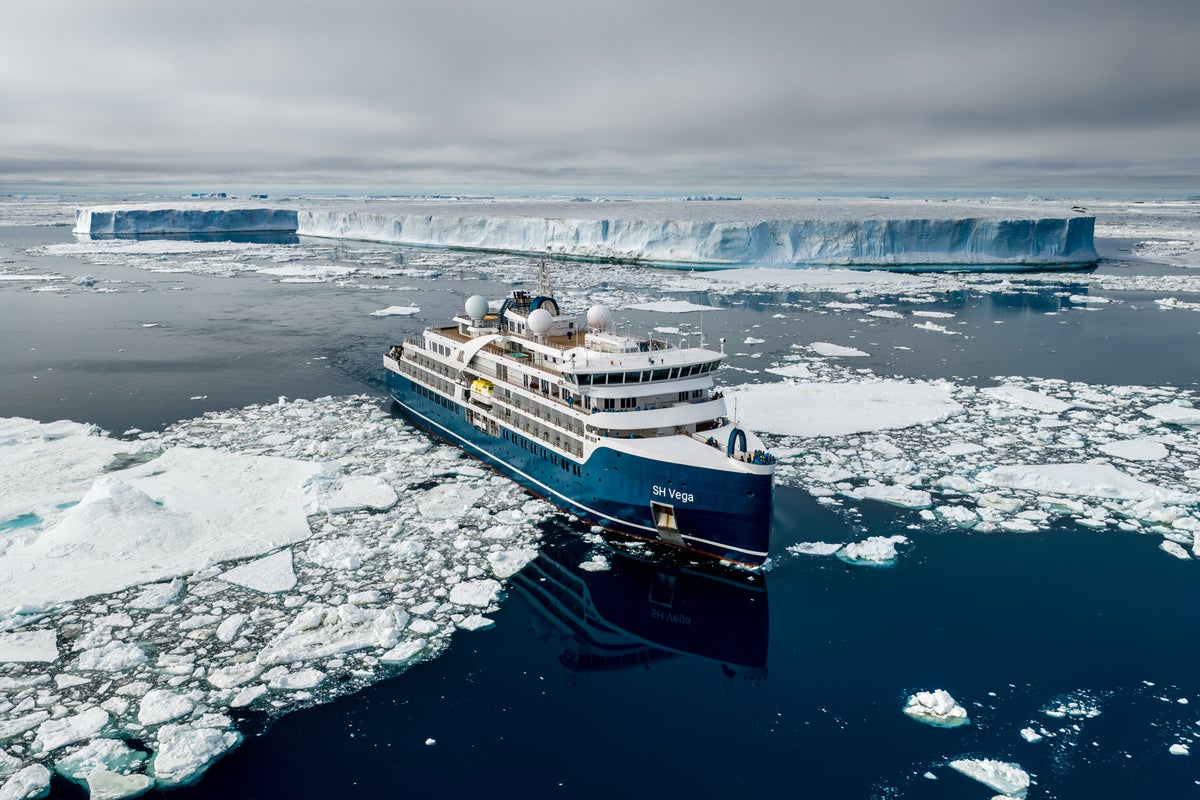
“We’re about to go where no other Swan Hellenic cruise ship has ever been,” says our expedition leader, Richard, as he points to a spot on the map known as Snow Hill Island. “Conditions are in our favour, and we can manoeuvre through the ice. This is going to be an adventure.”
An adventure it is. The next day, I wake up to a literal ice bath; beneath my balcony, huge white slabs scatter the water in lily pad formations, cracked and fissured like sugar icing on a cake, hissing and crackling as the chunks break and crumble.
Giant icebergs glide by intermittently, solid as polystyrene, swirled with aqua-blue and toothpaste white. Reflections bounce off the glassy water below, and the sea and sky are a vivid cobalt. Everything about the scenery seems artificial, but somehow it isn’t.
I’m sailing the Weddell Sea on an expedition cruise aboard Swan Hellenic’s SH Vega, and it’s unlike anything I’ve experienced before. Sprawling over a million square miles, this fabled stretch of water lies east of the Antarctic Peninsula and is notoriously difficult to reach, often blocked with heavy pack ice and unpredictable weather.
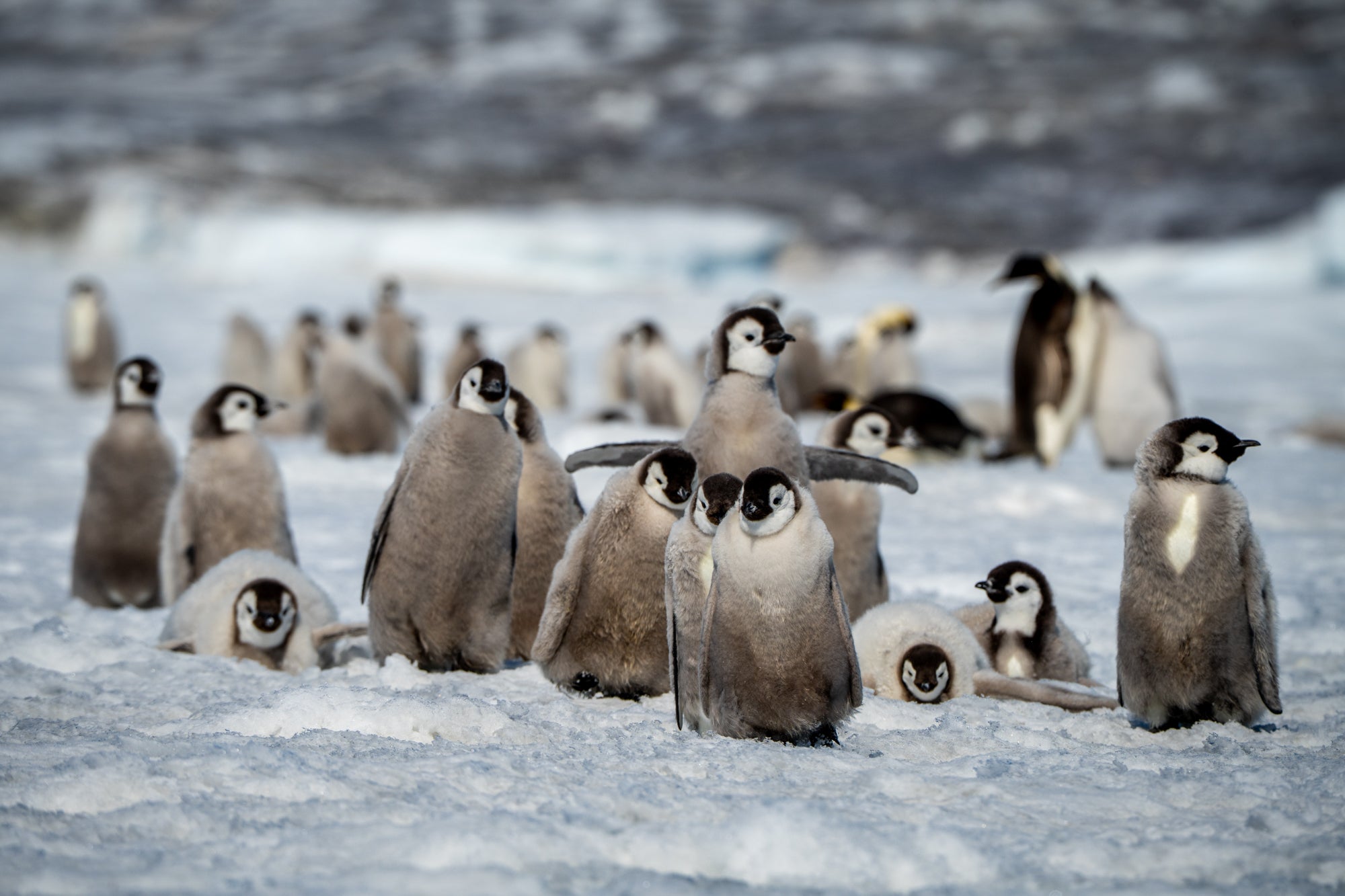
Those conditions led to the demise of Ernest Shackleton’s ship, Endurance, in 1915, on what was to become Shackleton’s most famous expedition. Against the odds, the entire crew survived, camping on a drifting ice flow on the Weddell Sea before escaping on lifeboats, our history guide and lecturer Maxim explains.
“After 10 months of drifting, the ship was crushed,” he says. “Endurance is probably the greatest story of survival in polar history, and it happened around 90 miles from where we are now.” In 2022, the ship was found at the bottom of the Weddell Sea’s floor.
Read more: The best cruise deals for 2026
This often treacherous stretch is also where many of the world’s largest icebergs originate. It was the home of A23a, the world-famous ’berg that once sprawled more than twice the size of Greater London and sat grounded on the seabed for almost 40 years. It was also the birthplace of A76 – an iceberg larger than Mallorca.
But for wildlife enthusiasts, it’s Snow Hill that’s the real draw of the Weddell Sea. The island, I soon learn, is one of the only places in the world where emperor penguins can be seen – it’s home to a colony of 8,000.
Although it’s technically the most northerly and accessible place on the planet to see them, very few vessels make it here. None of our expedition team has been, despite many having worked in Antarctica for years.
When the captain announced our arrival, we were told we would be landing on sea ice. We climb into Zodiac boats and glide across the blue, then pull up and tread across the frozen sea. And there, in the distance, we see them: a colony of emperor chicks, waddling, stumbling and flapping their tiny wings, dressed in coats of fluffy grey feathers.
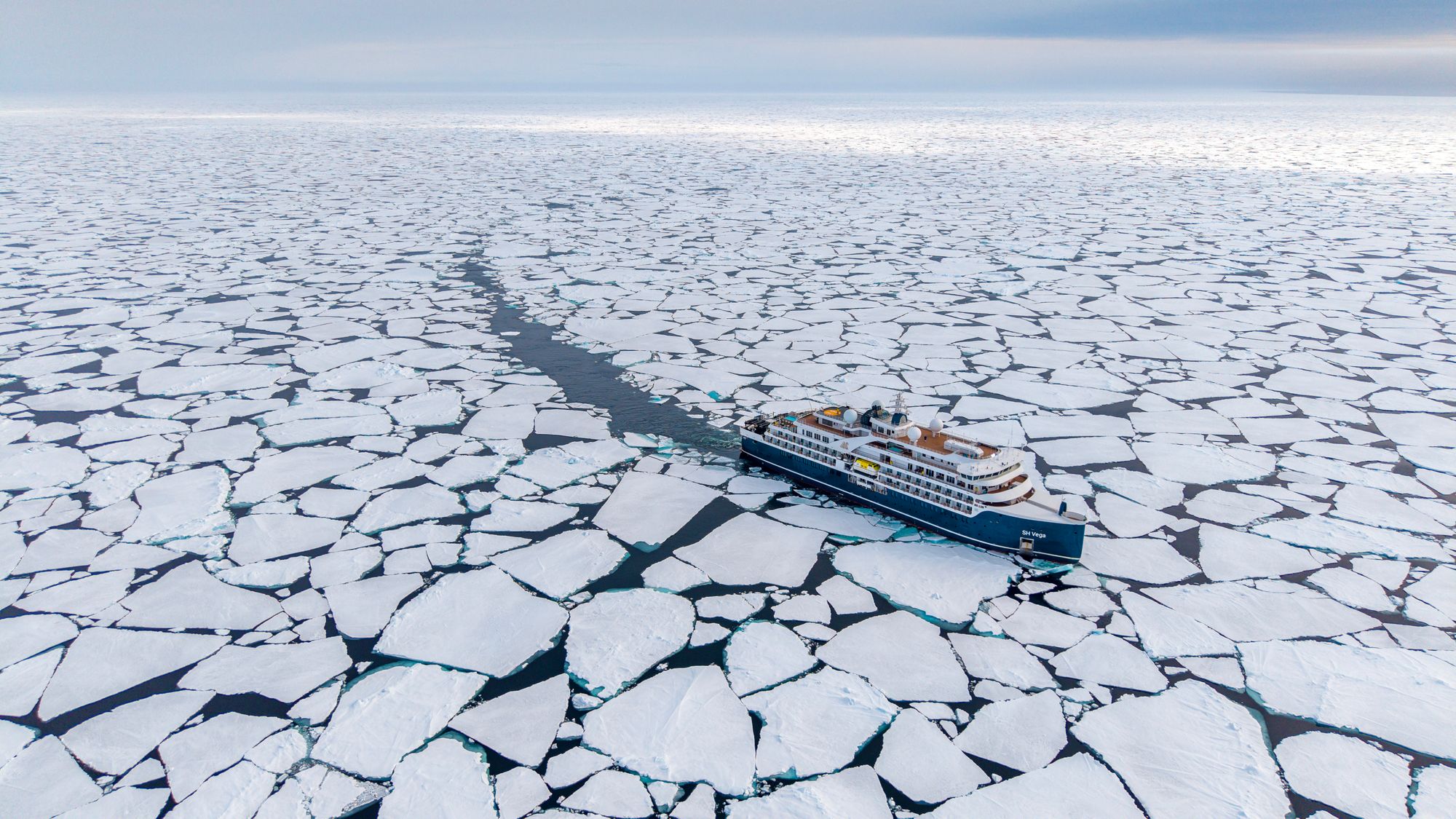
Among them, a handful of adults stand tall and proud, and it’s the emblem of Antarctica, silky black bodies set against a blanket of white. A guest next to me tears up, and I’m not far off. I stand there taking it in for the next few minutes, humbled by the immensity and quietness of everything around.
Eventually, we retreat to the ship, and the captain announces we’re making an earlier-than-planned departure; sea ice is fast closing in around the vessel. We grind our way through the ice, the ship vibrating intermittently, before we’re eventually set free into clear water. It’s a reminder that this is a wild and, at times, perilous land.
This was certainly a highlight on our voyage, but it’s just one of many surreal moments I experienced across the 12 days we explored wider Antarctica. The previous evening, I’d watched as the sunset turned the sea into liquid gold before ribbons of pastel lilac, blue and pink took over, icebergs shimmering under iridescent light.
It was an ethereal scene, made all the more magical when we spotted an orca’s fin in the distance, then another, and another. We watched as their hulking black and white bodies appeared and disappeared beneath the water, then witnessed a group of penguins fleeing frantically ahead of them.
It wasn’t our only whale encounter on the trip; day one in Antarctica had gifted us with a pair of humpbacks arching in and out of the sea not far from our Zodiac, before a minke whale appeared briefly beyond.
Read more: The surprise trip that could be the best way to see the northern lights
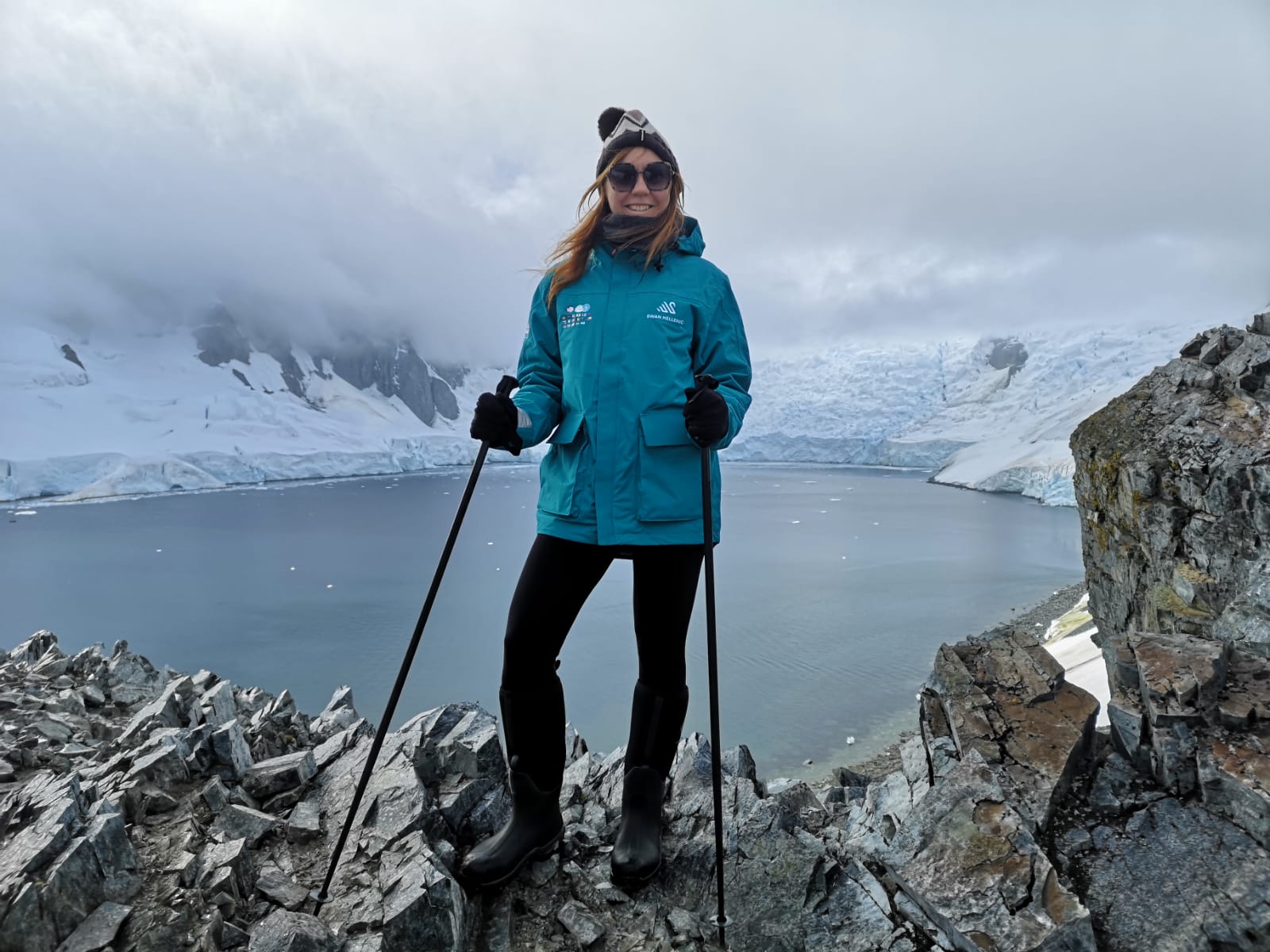
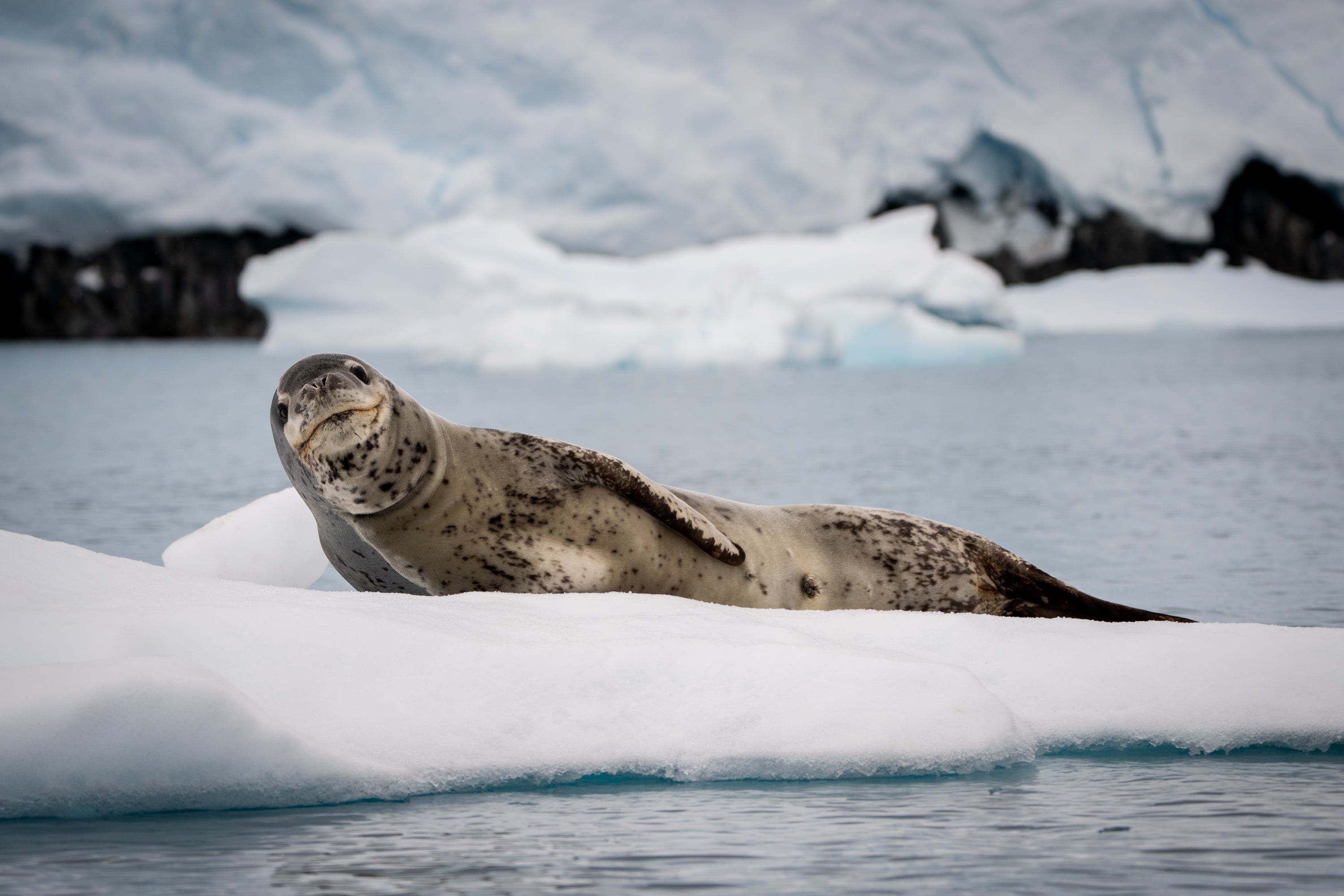
On land, there was more to see; each day, we pulled up at different locations on and around the peninsula. We were guests in a world where nature firmly ruled the roost. Elephant, lion and fur seals slumped lazily on rocky shores, their plump bodies gleaming under the sun. Gentoo, adélie and chinstrap penguins, meanwhile, covered the slopes in their hundreds and thousands, waddling along the shores in clusters, squawking in a chorus between the thunderous roars of calving glacial ice.
Every stop brought home the remoteness of the region and its sheer vastness. At Orne Harbour, we hiked up a snow-blanketed slope to see tiny chinstraps waddling along a “penguin highway” (a crossing they’d carved out themselves), a panorama of the glistening, silvery bay beneath.
At Curtiss Bay, we kayaked beneath glaciers veiled in mist, snowflakes falling from above and silence all around except for the gentle swishing of our paddles. At Lemaire Channel, we sailed through soaring mountains and water turned milky white by iceberg reflections.
But perhaps most fascinating was Port Lockroy, set on Goudier Island, just off the Antarctic mainland. This rocky isle is the home of the “Penguin Post Office” – the most southerly post office in the world, operated by the UK Antarctic Heritage Trust (UKAHT) and encircled by a colony of gentoo penguins.
Now a small, ramshackle museum where rusty food cans line kitchen shelves and historic posters sit above tiny bunk beds, this was originally the setting for Operation Tabarin, a secret Second World War mission under Churchill launched in 1944, known as Base A.
Read more: The best bucket list cruises
“Over the ensuing years, the base witnessed the birth of British Antarctic science while it operated as a research base until 1962,” Lisa Ford, base leader for the UKAHT, explained. “It was abandoned for three decades until it was restored in 1996 with support from UKAHT, and in 2006, we began welcoming visitors to the museum.”
I’m intrigued by the heritage of this largely inhospitable part of the planet, because alongside abundant nature and unique wildlife, Antarctica is a land of stories, where Shackleton, Scott, Amundsen, and other adventurers all made their mark.
Exploration here has become easier than ever before, of course. Data from the International Association of Antarctica Tour Operators (IAATO) shows that the remote continent welcomed an estimated 107,270 visitors during the 2024-2025 season. Compared to mainstream tourism sites, this is minor – Yellowstone National Park recorded over six million visitors in 2025 – yet tourism in Antarctica poses obvious risks.
Under IAATO guidelines, expedition cruise ships take steps to mitigate their impact, respecting a minimum five-metre distance from wildlife and keeping visitor numbers to under 100 at landing sites (on our trip, it was usually much less).
We rarely saw another ship during our visit, and it felt like a true wilderness to me – a vast land of silver, white and blue, where there are only two flowering plant species and where the only insect is the midge (“the largest land animal”, in the words of our on-board scientist, Jonathan).
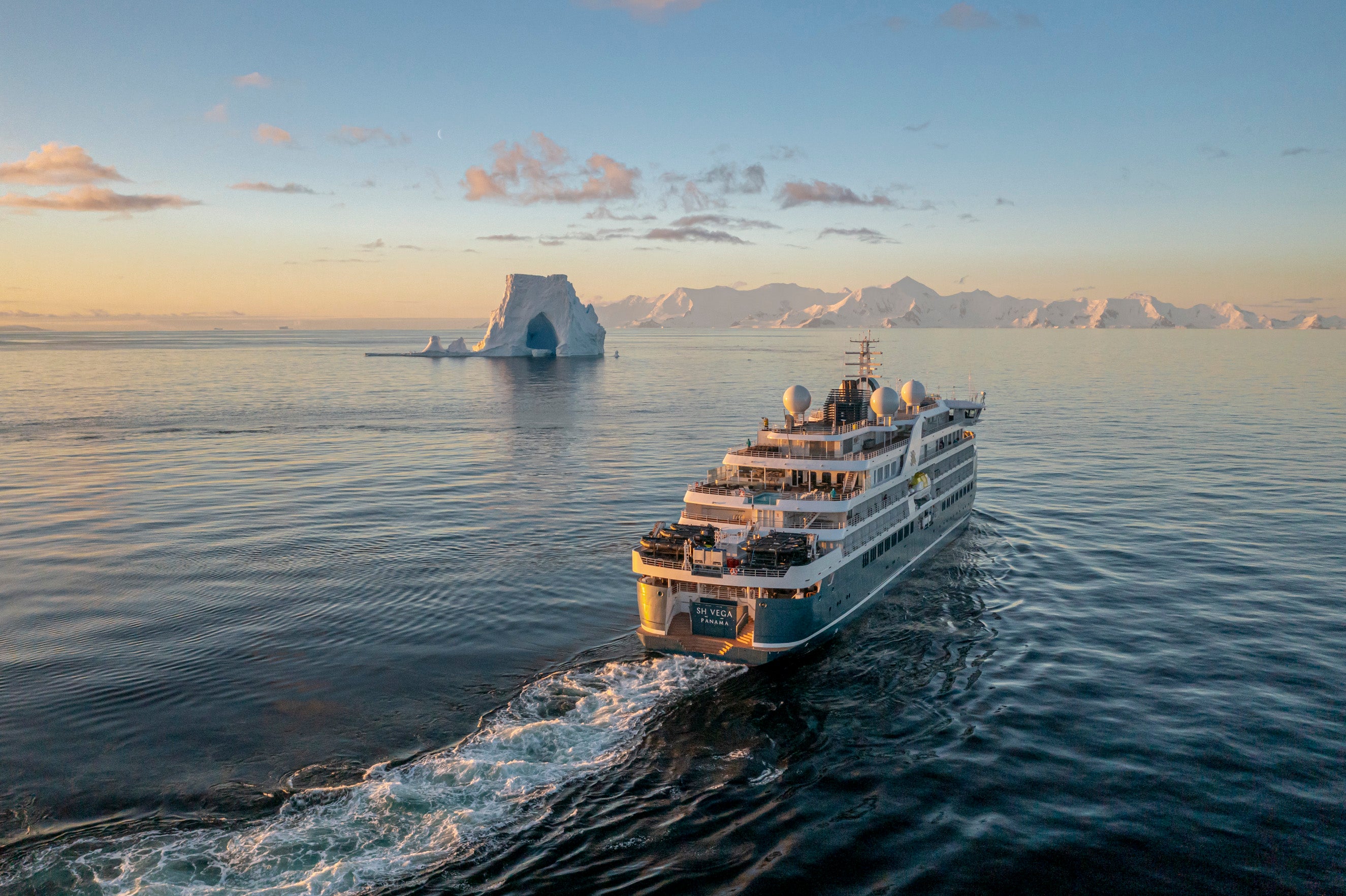
That sense of remoteness is even more true of the Weddell Sea. “What’s special about the Weddell Sea in particular is that you can still find places nobody else has been to,” Antony Jinman, corporate expedition leader for Swan Hellenic, told me. “That’s the true definition of an expedition to me.”
To have set foot on sea ice that another human may never have trodden is a feeling I’ll never forget. Antarctica is one of the few places in the world where you can still experience beauty barely touched by humans. “It’s like going to the moon”, wrote mountaineer and writer Jon Krakauer, and I can see what he meant.
Standing – small and insignificant – against its colossal icebergs, free-roaming wildlife, and infinite stretches of ocean was a stirring experience. I’ll long treasure the sensation of being at the absolute mercy of nature in this extraordinary part of the earth, where penguins, not humans, come first. Long may it remain so.
Laura travelled as a guest of Swan Hellenic.
How to do it
An 11-night Expedition to Antarctica: Weddell Sea cruise on SH Vega with Swan Hellenic starts from £10,680 per person, departing 22 January 2027, based on two sharing (round-trip from Ushuaia, Argentina). The price includes transfers, one-night pre-cruise accommodation in Buenos Aires, all meals onboard, 24-hour room service, selected alcoholic drinks, shore excursions, standard wifi, gratuities and port taxes. Guests also get a photo package, a waterproof backpack and a branded parka to keep.
