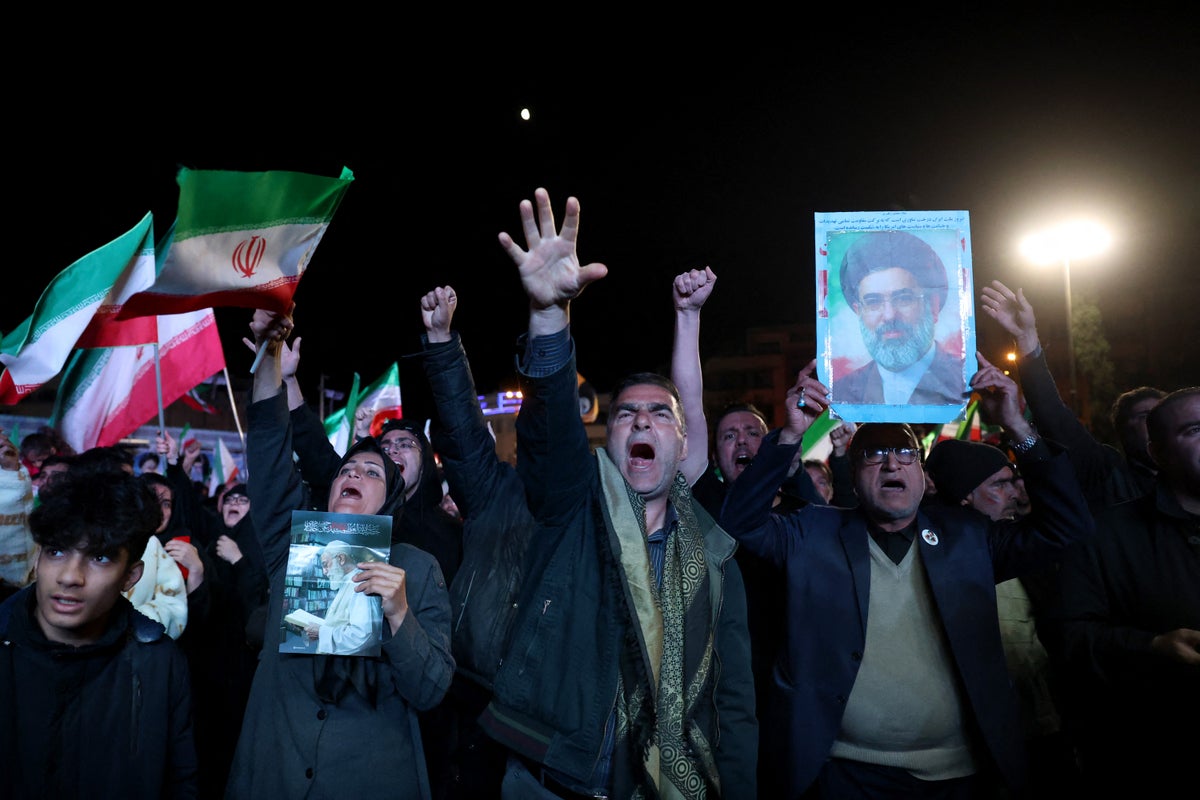
The ceasefire agreement between Iran and the United States looked increasingly fragile on Thursday as Washington dismissed a string of key demands and Tehran appeared to hold its grip on the Strait of Hormuz.
Donald Trump overnight rubbished a widely reported 10-point plan that Iran said Washington had already agreed to in principle to serve as a basis for future peace talks.
Iran made clear the ceasefire was conditional on an end to hostilities in Lebanon, as the White House said the deal did not include Israel’s parallel war with Hezbollah.
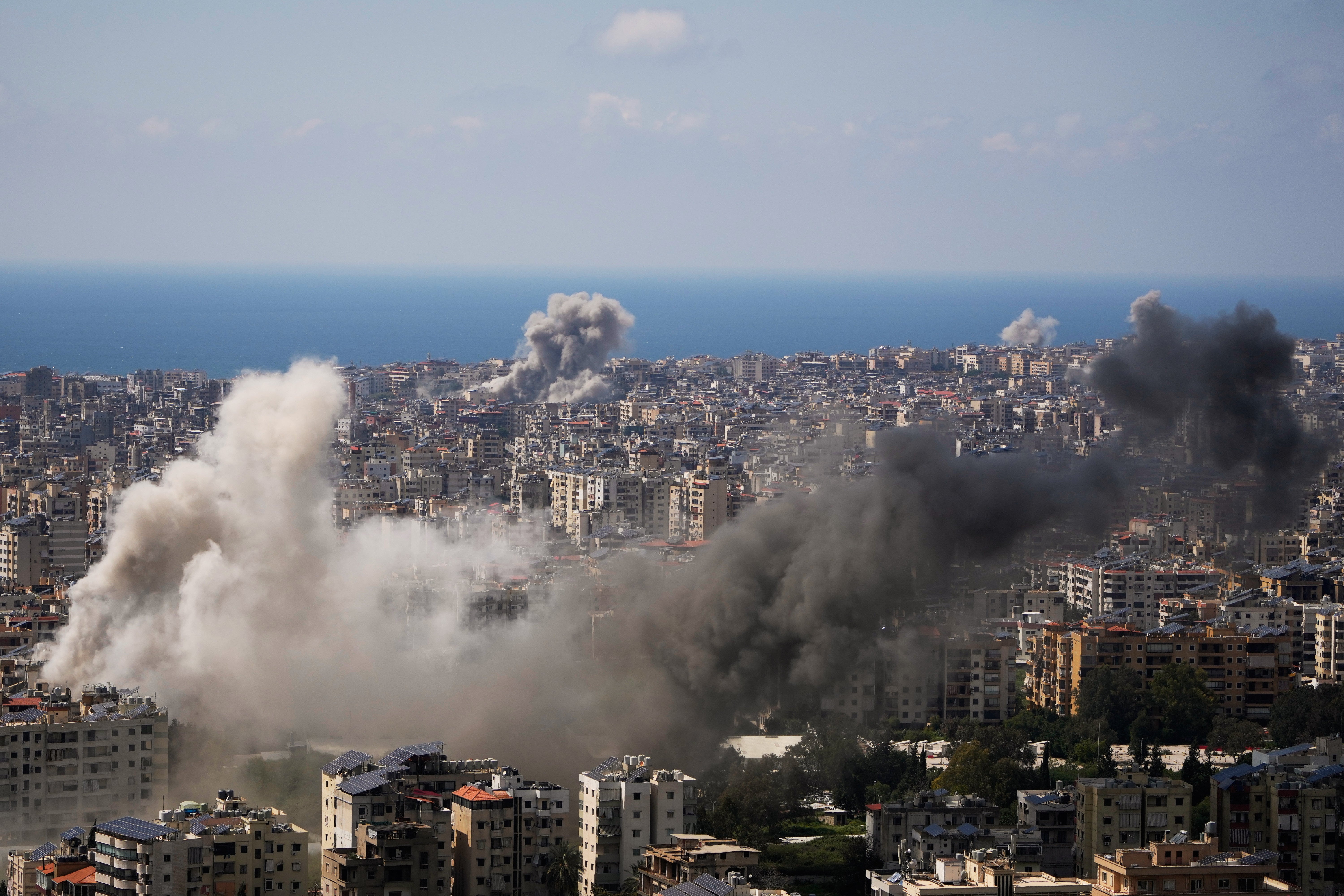
The Strait of Hormuz remained shut to vessels sailing without a permit and shippers said they needed more clarity, as Iran on Wednesday struck oil facilities across the Gulf in retaliation for airstrikes that the US and Israel denied.
Though both the United States and Iran have declared victory in a five-week-old war that has killed thousands, their core disputes remain unresolved.
What is Iran’s 10-point plan?
Trump said with the announcement of a ceasefire that he had received a 10-point proposal from Iran, judging it “a workable basis on which to negotiate”. He said that almost all of the points have been agreed on, but not what they were.
Iran’s Supreme National Security Council, the country’s top security body, then published a list of points it said Washington had agreed to and “in principle, committed to”. These included:
- non-aggression;
- continued Iranian control over the Strait of Hormuz;
- acceptance of enrichment;
- lifting all primary and secondary sanctions;
- termination of all resolutions passed by the U.N. Security Council and Board of Governors of the International Atomic Energy Agency;
- withdrawal of U.S. combat forces from the region;
- and cessation of war on all fronts, including against the Islamic resistance in Lebanon.
There was uncertainty, however, as Donald Trump suggested there were “numerous” bogus lists circulating. He said there was “only one group of meaningful “POINTS” that are acceptable to the United States”, which the US would be discussing behind closed doors with Iran.
He later accused US media of reporting on a “totally FAKE TEN POINT PLAN”. Those outlets had reported on the plan as described by Iran, noting that Tehran was also considering a 15-point proposal from the US. Trump told the AFP news agency that there was a “15-point transaction, of which most of those things have been agreed on”.
Iran had already rejected a 15-point plan, dismissing it as “unreasonable”, despite Trump claiming in March that Tehran had agreed to “most of” the points. It was unclear whether this was still under consideration in some form.
Trump wrote on Thursday that the US would keep ships, aircraft and personnel in the region, against one of Iran’s apparent demands. White House press secretary Karoline Leavitt and vice president JD Vance also said that the ceasefire deal did not include Israel’s war with Hezbollah in Lebanon, while Iran and mediator Pakistan said it did.
Iran’s nuclear programme
There was also confusion around the ‘acceptance of enrichment’ of nuclear materials mentioned in Tehran’s plan. Trump had originally cited Iran’s nuclear programme and enrichment as a justification for the conflict.
The president said Iran had agreed to stop enriching uranium, which can be turned into nuclear weapons, and the White House said Iran has indicated it would turn over its existing stocks.
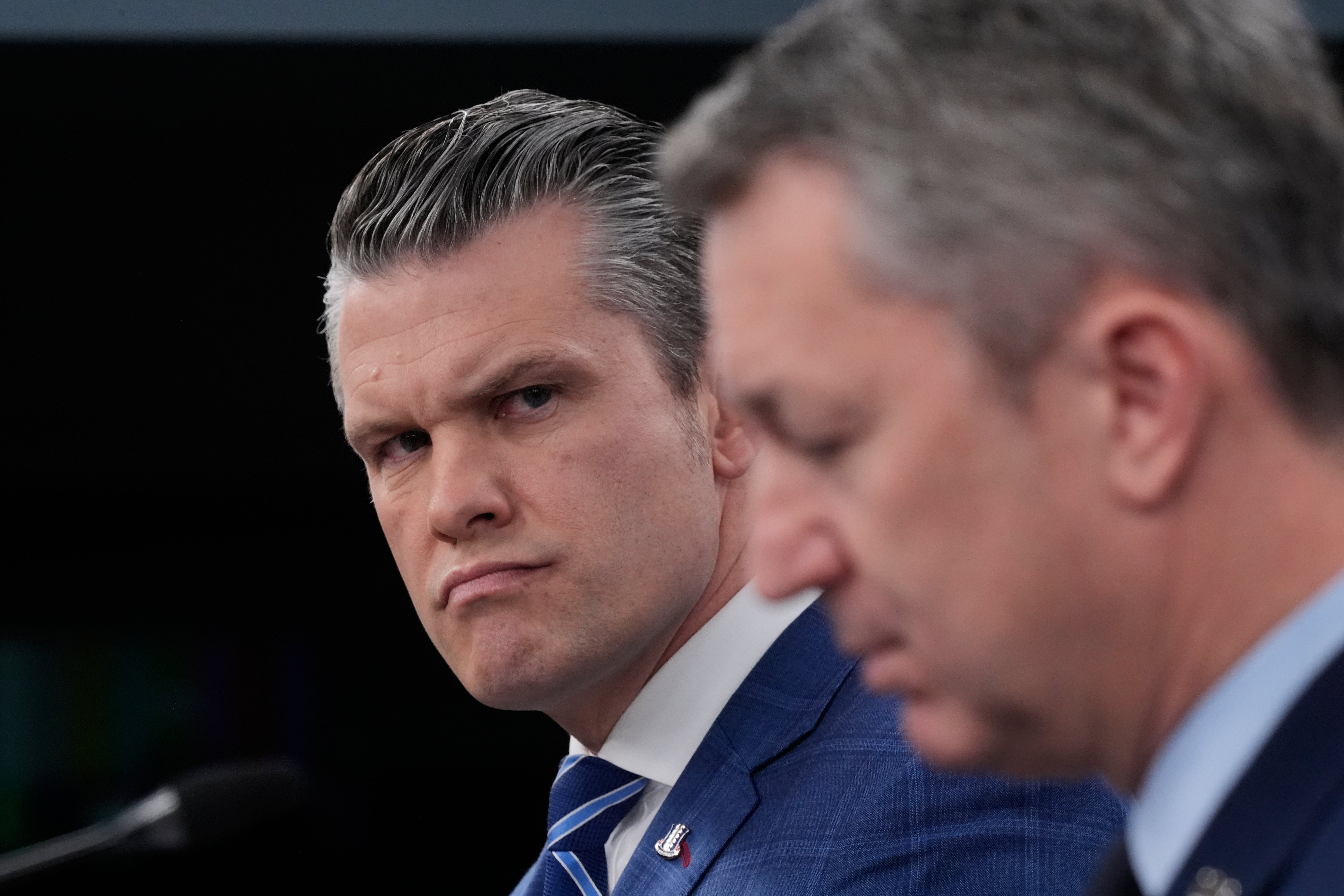
“The United States will, working with Iran, dig up and remove all of the deeply buried … Nuclear ‘Dust,’” Trump said on social media. His defence secretary Pete Hegseth said that Iran would have to hand over its uranium, “or we’ll take it out”.
Iran’s Parliament speaker Mohammad Baqer Qalibaf, however, said it was allowed to continue enriching uranium under the terms of the ceasefire.
The Associated Press reported that the Persian-language version of the plan seen by journalists insisted on Iran’s right to continue enrichment. The English version of the plan did not include that clause for reasons unclear, they said.
The Strait of Hormuz
Iran’s foreign minister, Abbas Araghchi, said in a statement on Wednesday that for the duration of the ceasefire, Tehran would stop counterattacks and provide safe passage through the Strait of Hormuz.
Trump, in turn, said the US would stop attacks so long as Iran retracts its effective blockade of the strait, which handles about one-fifth of global oil and gas shipments.
A first vessel transited the global oil chokepoint with Tehran’s permission following the ceasefire on Wednesday, according to Iranian state TV, but shipping sources said that the Iranian navy was threatening ships with destruction if they tried to pass.
A senior Iranian official told Reuters that Iran might lift its effective blockade on Thursday or Friday ahead of peace talks, but ships would still require Tehran’s permission to pass.
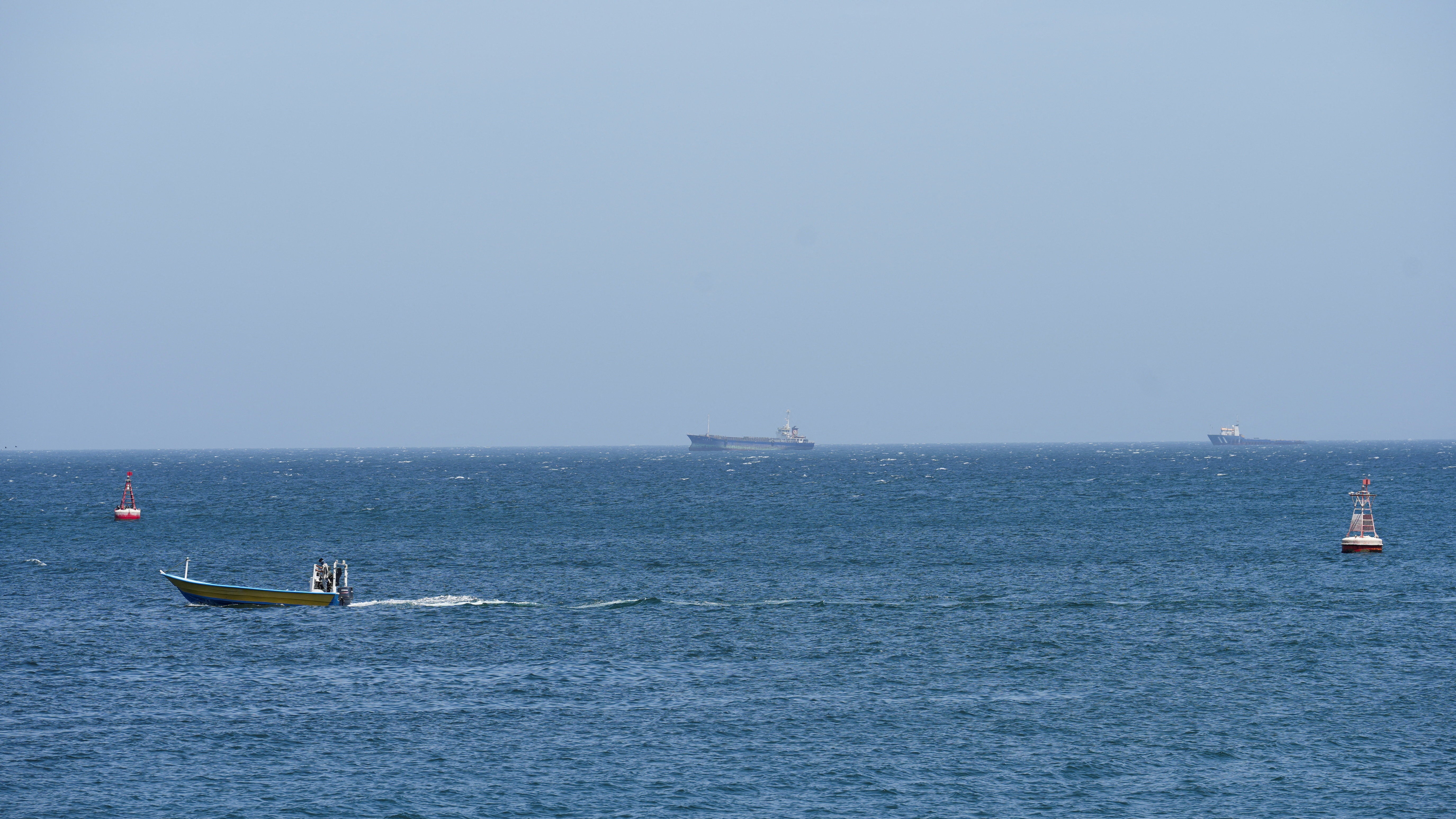
The UNCLOS maritime convention governing international sea law says states bordering straits cannot demand payment simply for permission to pass through.
There is uncertainty around what the US expects from Iran in its ‘reopening’ of the Strait. If Iran is still selectively allowing ships to pass, the Strait is not fully open to international traffic.
Trump’s response on Wednesday was that the US could pursue a ‘joint venture’ with Iran to charge foreign ships a fee for safe passage.
A ceasefire for Lebanon
According to Pakistan and Iranian state media, the ceasefire agreement includes a provision for an end to all hostilities, including the conflict between Israel and Hezbollah in Lebanon.
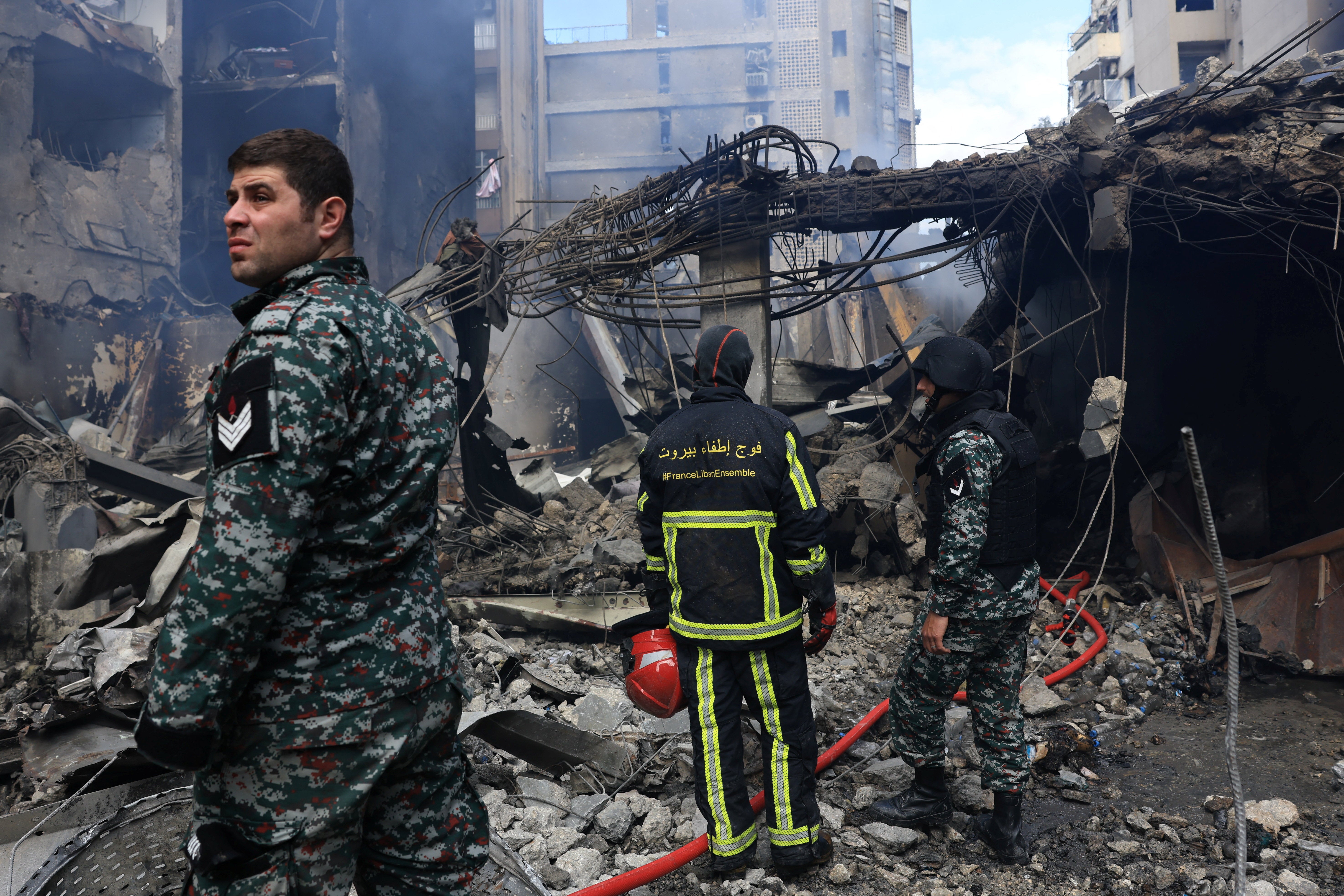
Israel has said the agreement does not cover the conflict in Lebanon, and on Wednesday launched what it described as its biggest strikes yet. Lebanon’s health minister said the strikes had caused hundreds of casualties.
More than one million people in Lebanon have been displaced by Israeli strikes, and as many as 1,530 people have been killed in Israeli strikes since 2 March, including at least 129 children, according to the Lebanese authorities.
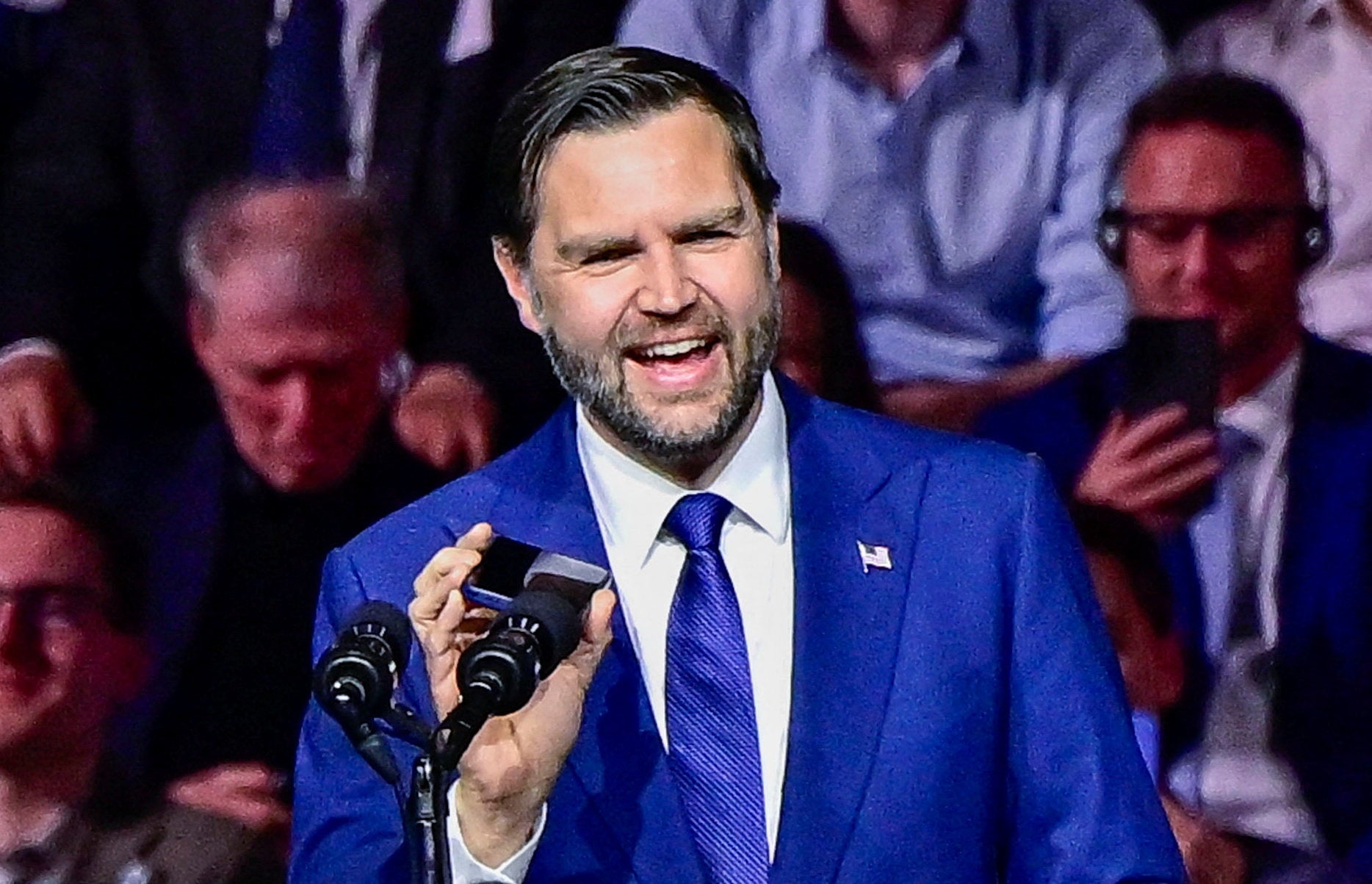
US Vice President JD Vance, who will lead the US delegation, told reporters in Budapest: “I think the Iranians thought that the ceasefire included Lebanon, and it just didn’t.” In comments to reporters, he cast it as a “legitimate misunderstanding”.
What’s next for diplomacy?
Pakistan’s prime minister said on Wednesday that Islamabad would welcome representatives from both Iran and the US for negotiations aimed a finding a more enduring peace deal.
An Iranian delegation, including Qalibaf and Araghchi, was heading to the Pakistani capital on Thursday ahead of anticipated talks with the United States.
White House press secretary Karoline Leavitt said late on Wednesday that JD Vance, as well as Trump’s envoys Steve Witkoff and Jared Kushner, would be heading to Islamabad for talks on Saturday, however.