
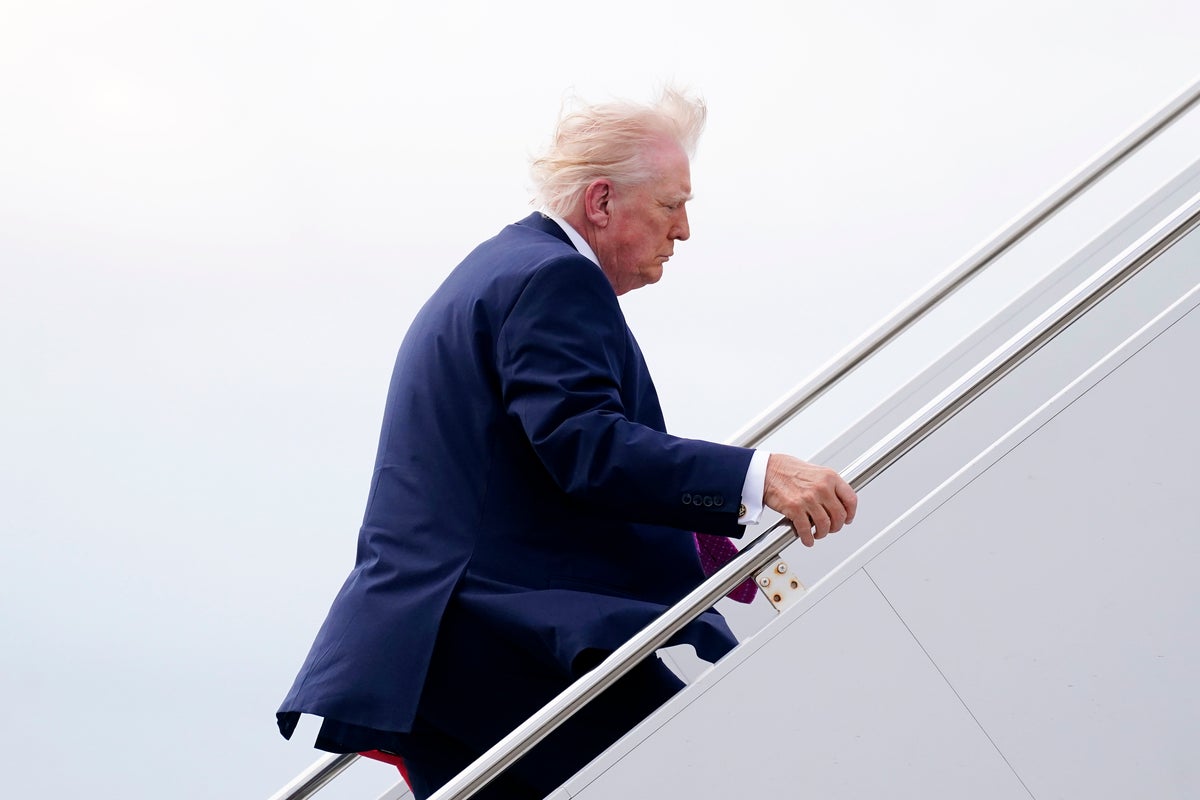
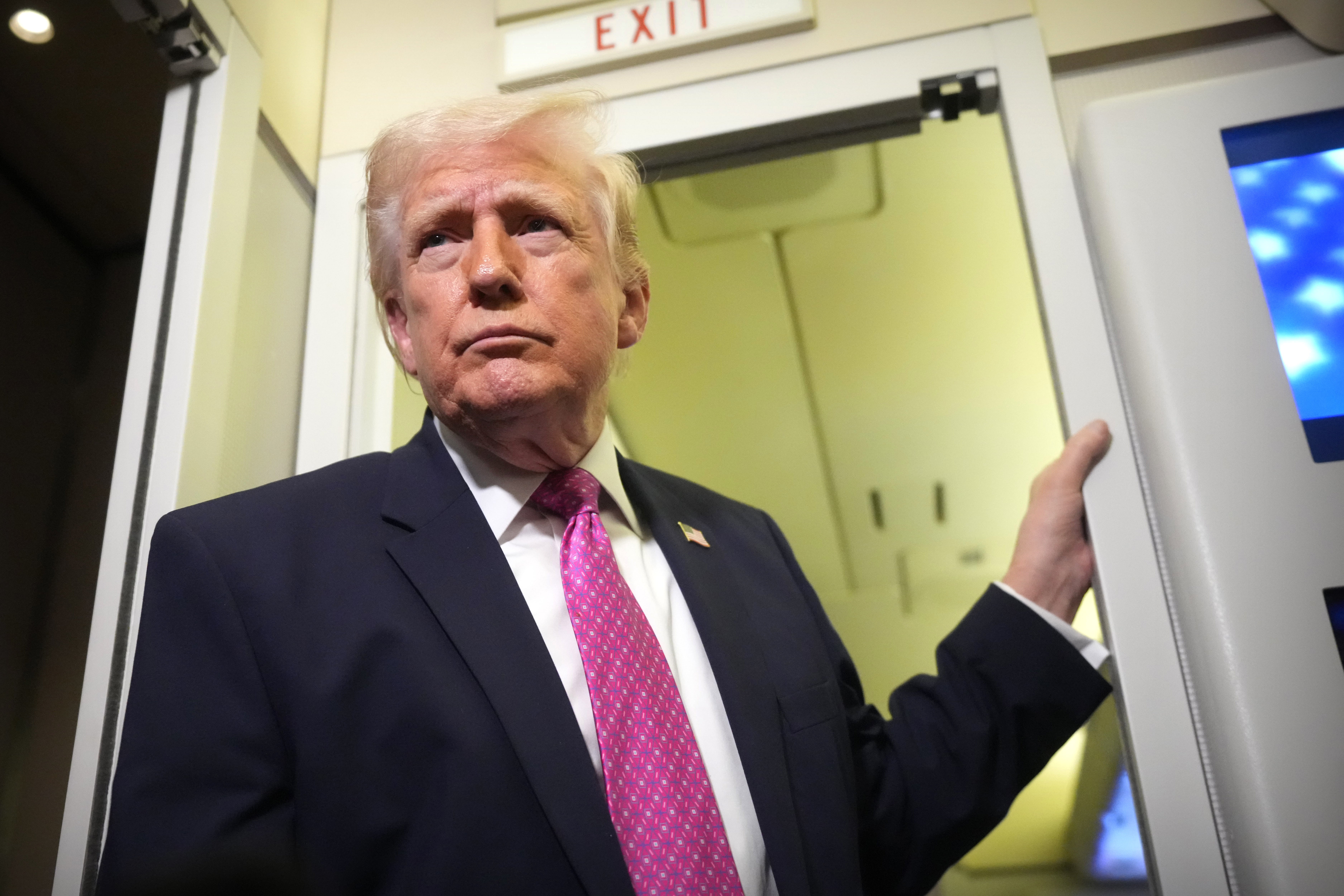
President Donald Trump’s approval rating has fallen to a second-term low, a sign of “profound problems” in the Republican’s coalition, a top pollster argues.
As of Monday, President Trump had an average of 39.9 percent approval, and a net approval rating of -16.7, according to composite measures from polling expert Nate Silver. The share of Americans who strongly disapprove of Trump also hit a second-term high, at 46.7 percent, Silver found.
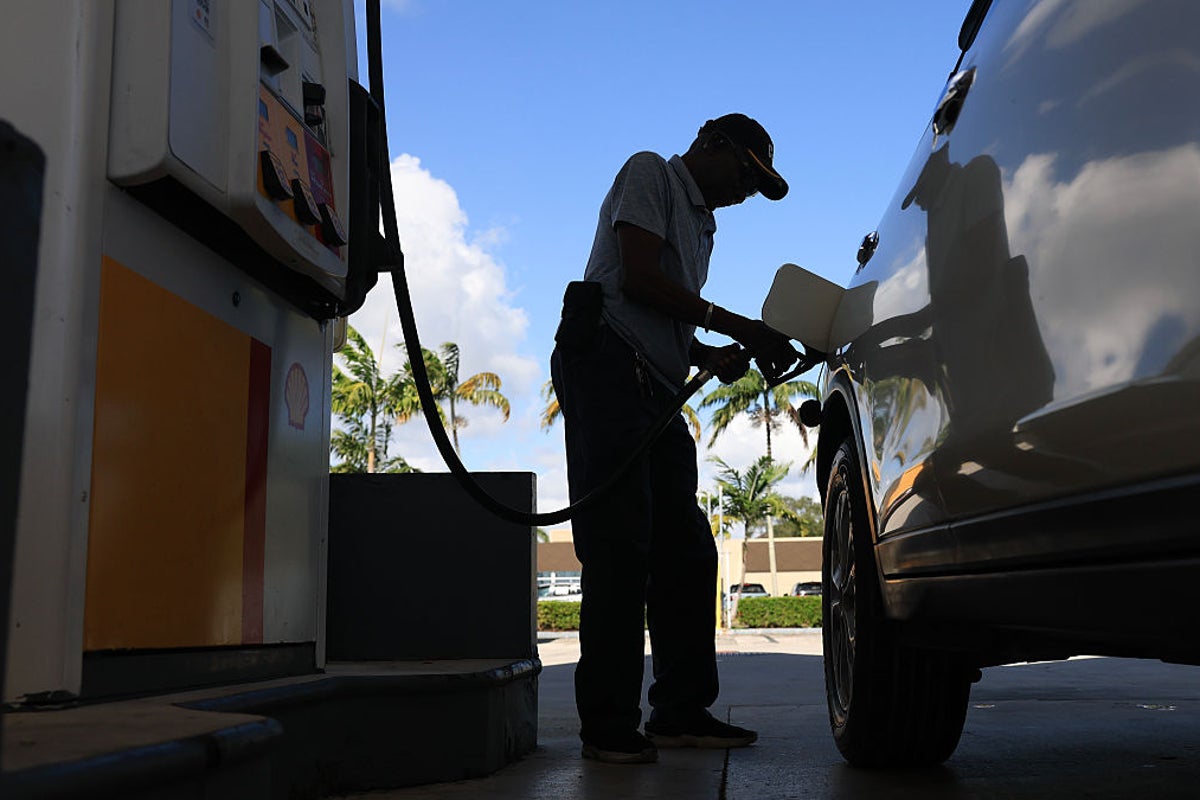
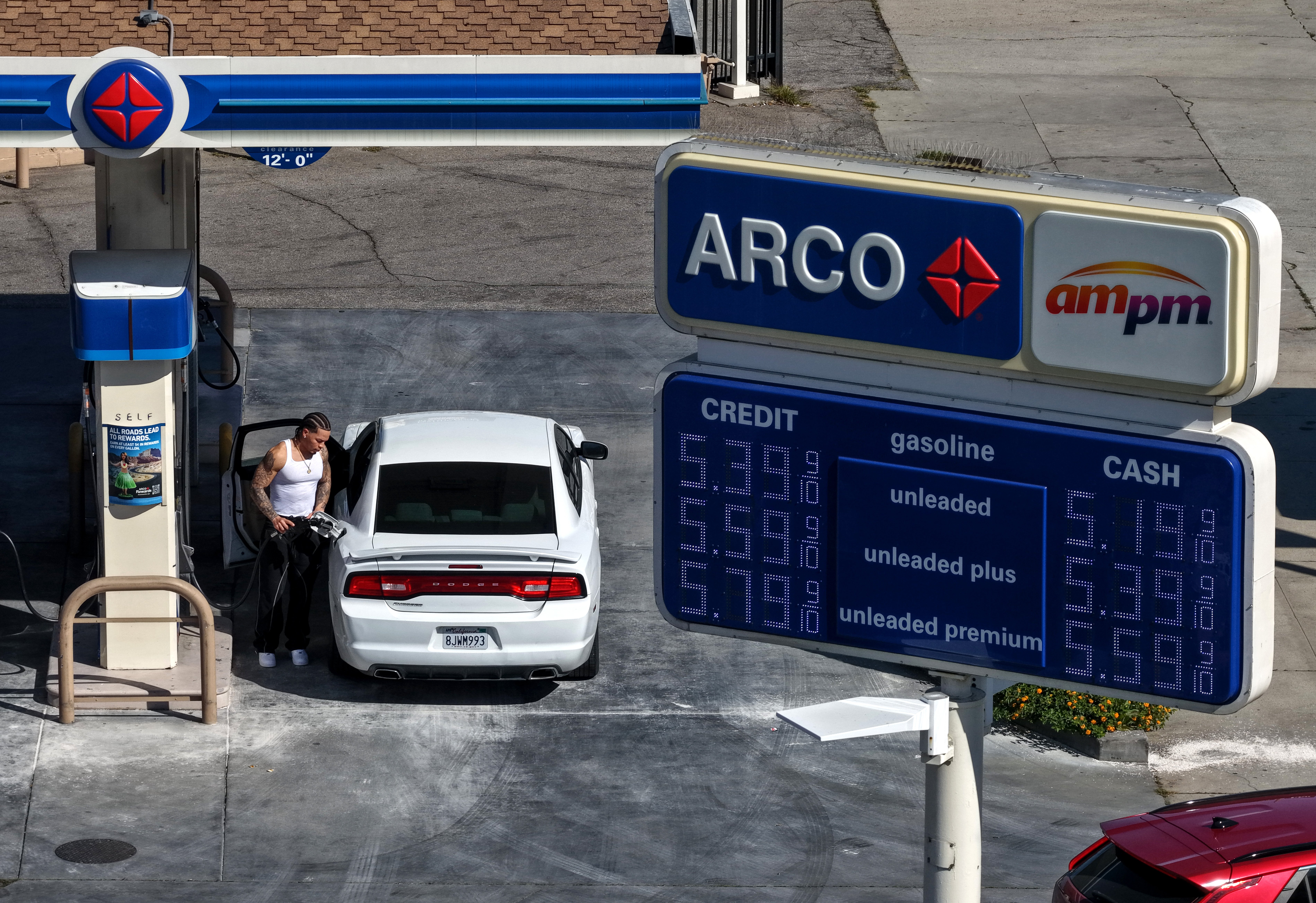
The pollster attributed the president’s dismal approval rating, which has fallen by nearly 5 percent this month, to the ongoing war with Iran and the resulting spike in gas prices.
“Obviously, gas prices are a big factor,” Silver wrote in an accompanying note on X. “But Trump has profound problems. There *are* signs of erosion among his base. Only 22 percent of Americans have a *strongly* favorable view of Trump. 2028 aspirants are starting to pull away from him. One wonders about the effect of his age, too.”
The split was even worse on specific issues, Silver’s polling average found, with -21.3 percent net approval of Trump’s handling of the economy and a -32.7 differential regarding inflation.
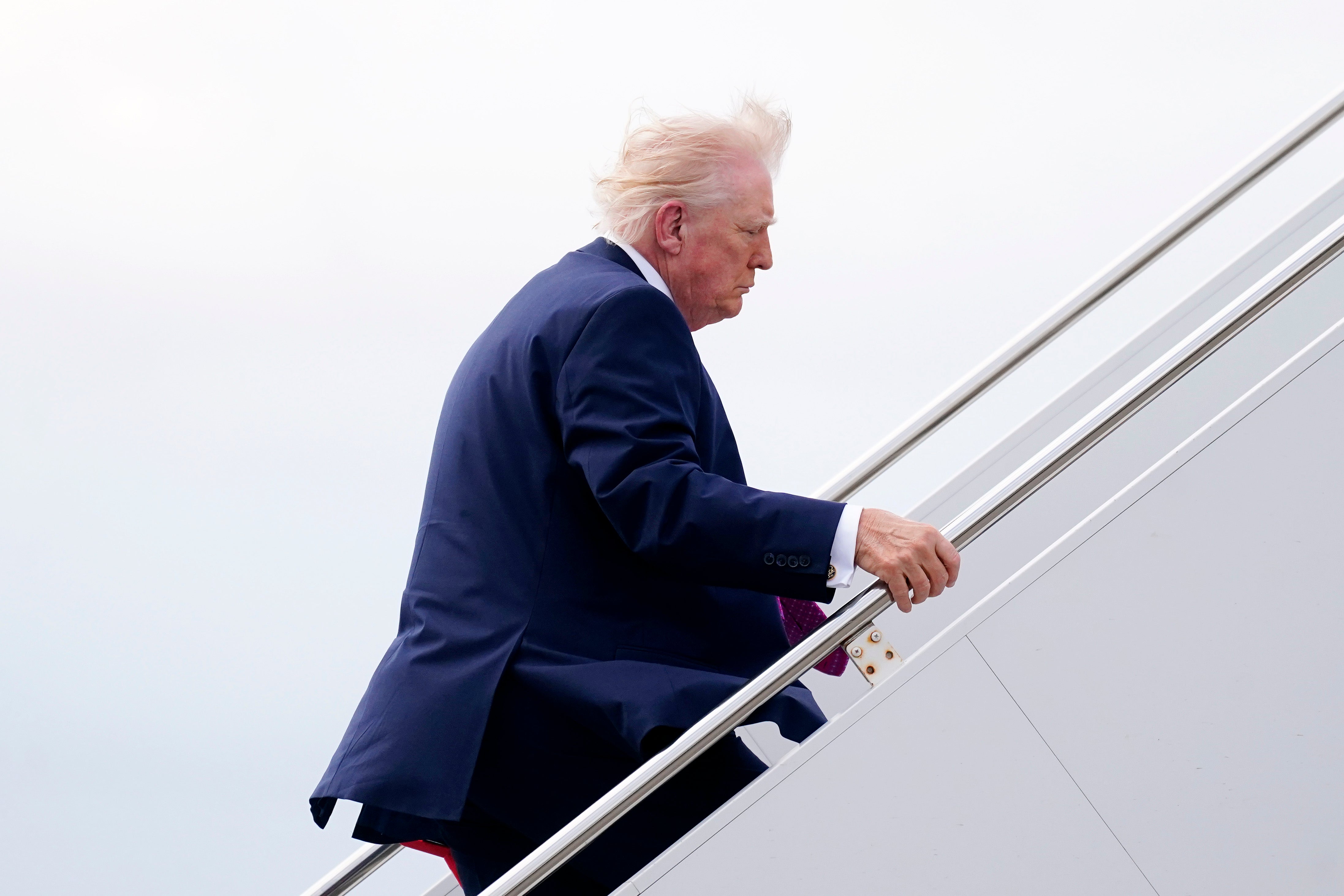
Such findings are warning signs for the larger Trump movement, given that the president won in 2024 in part by campaigning against record Biden-era inflation. Congressional Republicans, meanwhile, face a 2026 midterm season expected to be defined by affordability issues.
The Independent has contacted the White House for comment.
Silver’s findings match other recent alarming polls for the president.
Trump’s overall approval rating has fallen to 36 percent, according to a Reuters/Ipsos poll released last week.
The poll found that 46 percent of respondents believe the Iran conflict will make the U.S. less safe going forward, while 26 percent believe it will make America safer.
Separately, a Fox News poll out last week found that 59 percent of Americans disapprove of Trump’s performance as commander in chief.
A mere 41 percent of respondents supported his agenda, down from 49 percent a year ago, the poll found.
The president has threatened to obliterate the strategic Kharg Island and other vital Iranian energy facilities if Tehran does not reach a deal with Washington to end the war.
Trump has spoken confidently about the negotiating prospects, though Iranian leadership reiterated its position on Monday that the country hasn’t held any direct talks with the U.S.
Republican allies of the president have begun expressing doubts and questions about the war.
Steve Bannon, a former top Trump campaign and White House adviser, has called on Arab nations to deploy troops in Iran instead of the U.S., amid speculation the administration is preparing for a ground invasion to open the Strait of Hormuz, a key oil shipping lane.
“The Israelis are playing games with us, the Arabs are playing games with us, the Europeans are playing games,” Bannon said during a recent podcast episode. “And what are we doing? Sending troops over there.”
Sen. James Lankford of Oklahoma has said he would not rule out supporting a U.S. ground deployment in Iran, but he told NBC’s Meet the Press on Sunday that “we’ve got to be able to know what the objectives are.”
.png?trim=0,0,0,0&width=1200&height=800&crop=1200:800 "Colorado waterparks forced to make changes due to severe drought – UK Times")