

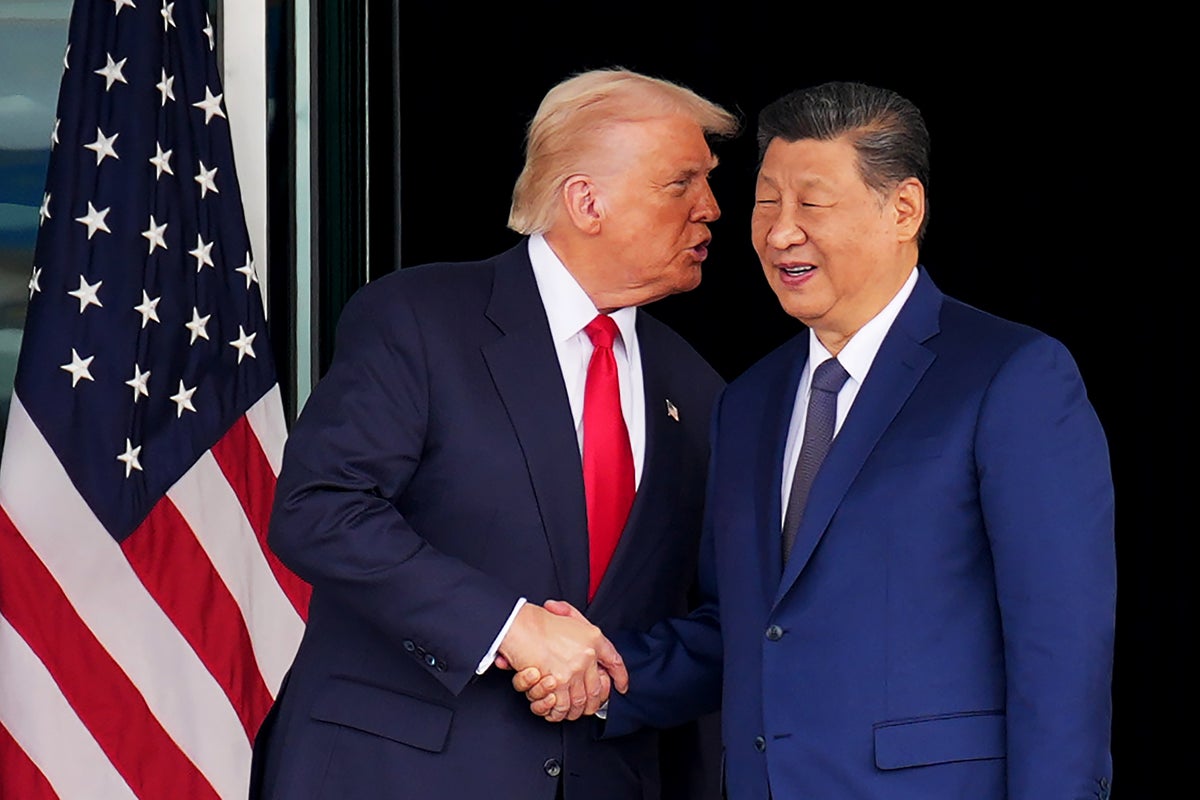
Donald Trump will meet Chinese leader Xi Jinping in Beijing on 14-15 May, more than a month later than initially planned.
The US president was scheduled to visit China on 31 March but postponed the trip after launching a war against Iran jointly with Israel. The forthcoming visit will be the first to China by a US president in almost a decade.
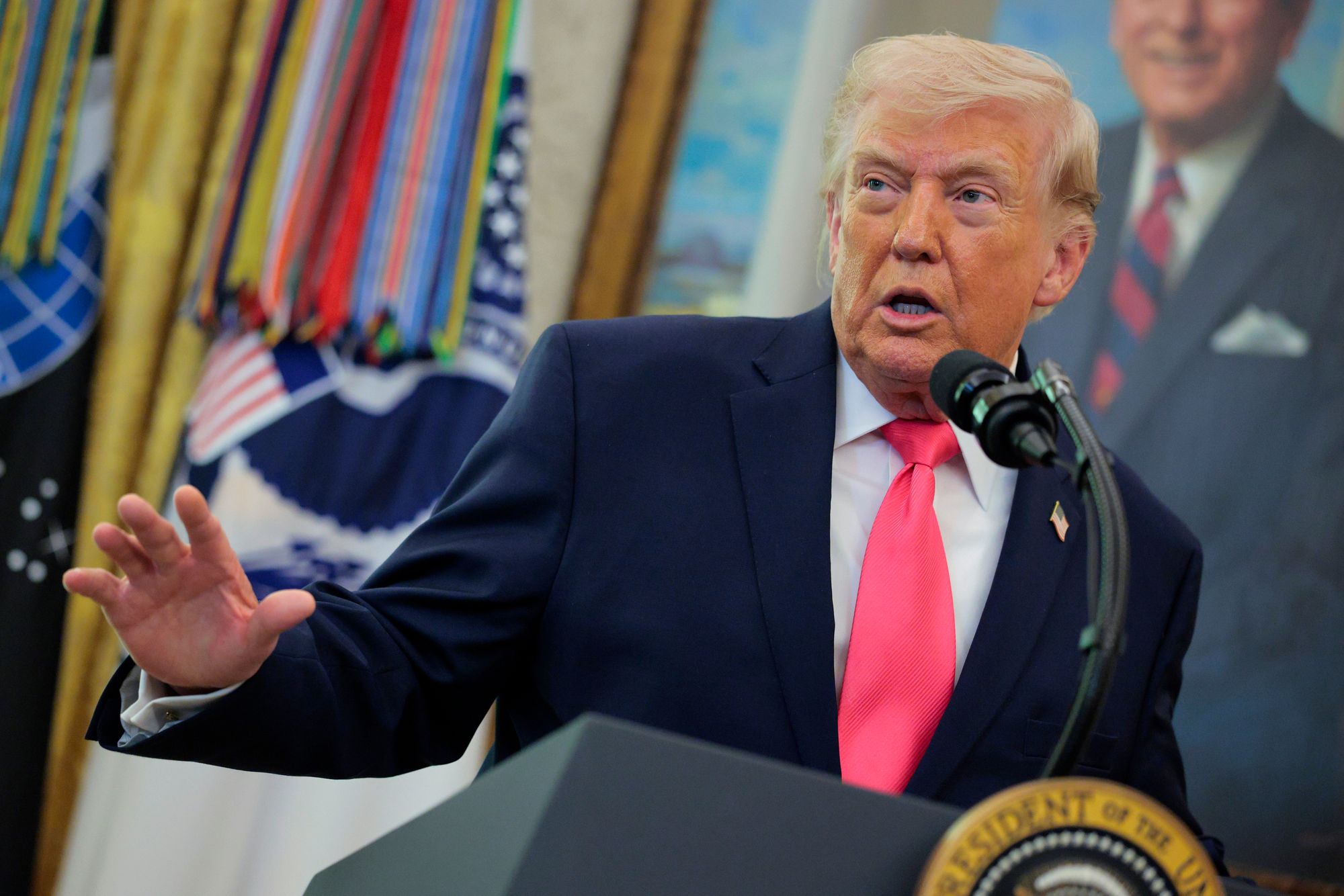
“I look very much forward to spending time with President Xi in what will be, I’m sure, a Monumental Event,” Mr Trump said on his Truth Social platform after announcing the new dates.
He also said the Chinese president would make a visit to Washington later this year.
White House spokesperson Karoline Leavitt confirmed the schedule, saying Mr Xi “understood that it’s very important for the president to be here throughout these combat operations right now”.
The US and Israel went to war with Iran on 28 February, conducting heavy airstrikes that killed supreme leader Ayatollah Khamenei, along with several members of his family and a number of political and military leaders. Iran retaliated by attacking Israel and American military and economic interests across the Gulf and closing the Strait of Hormuz, a critical maritime trade route, sparking a global fuel crisis.
Asked whether the war would be over by the time of Mr Trump’s visit, Ms Leavitt said Washington had “always estimated approximately four to six weeks, so you can do the math on that”.
Mr Trump told reporters last week he was pushing the Beijing visit back “five or six weeks,” adding that China was “fine with it”.
Beijing was yet to confirm the dates. Its foreign ministry said earlier this month it was in talks with Washington over the timing.
The postponement of Mr Trump’s visit added a new layer of complexity to an already strained relationship between the US and China, marked by trade friction, technology competition and geopolitical rivalry.
In February, the US Supreme Court struck down many of Mr Trump’s sweeping emergency tariffs, removing a significant source of leverage ahead of what were supposed to be trade-focused talks.
Mr Trump’s joint war with Israel against Iran then introduced a fresh point of tension with Beijing, Tehran’s most important oil buyer. China imported around 12 million barrels a day of Iranian oil in the first two months of this year.
After Iran closed the Strait of Hormuz, Mr Trump sought China’s assistance in reopening the waterway and told the Financial Times he wanted an answer from Beijing before his visit. The request was rebuffed. The Chinese foreign ministry described head-of-state diplomacy as playing an “irreplaceable” role in guiding bilateral ties, but did not directly respond to Mr Trump’s appeal on the opening strait.
Chinese state media struck a conciliatory tone ahead of Mr Trump’s visit. A Global Times editorial published on Thursday said the long absence of a US presidential trip was “abnormal and shouldn’t be the case”.
“Both China and the US stand to gain from cooperation and lose from confrontation,” the editorial added.
The last US presidential visit to China was in November 2017 during Mr Trump’s first term. The US president last met Mr Xi in November at the Apec summit in South Korea.