The shortlist for the Women’s Prize for Fiction has been announced, with Arundhati Roy and Ece Temelkuran among the six writers in the running.
Founded in 2023 to help redress the historic gender imbalance in nonfiction prizes, after a study found that only 35.5 per cent of winners across major UK nonfiction awards over the previous decade were women, the award celebrates excellence, originality and accessibility in narrative non-fiction.
The 2026 longlist featured 16 authors, which were whittled down to six names for the shortlist announced on Wednesday (25 March).
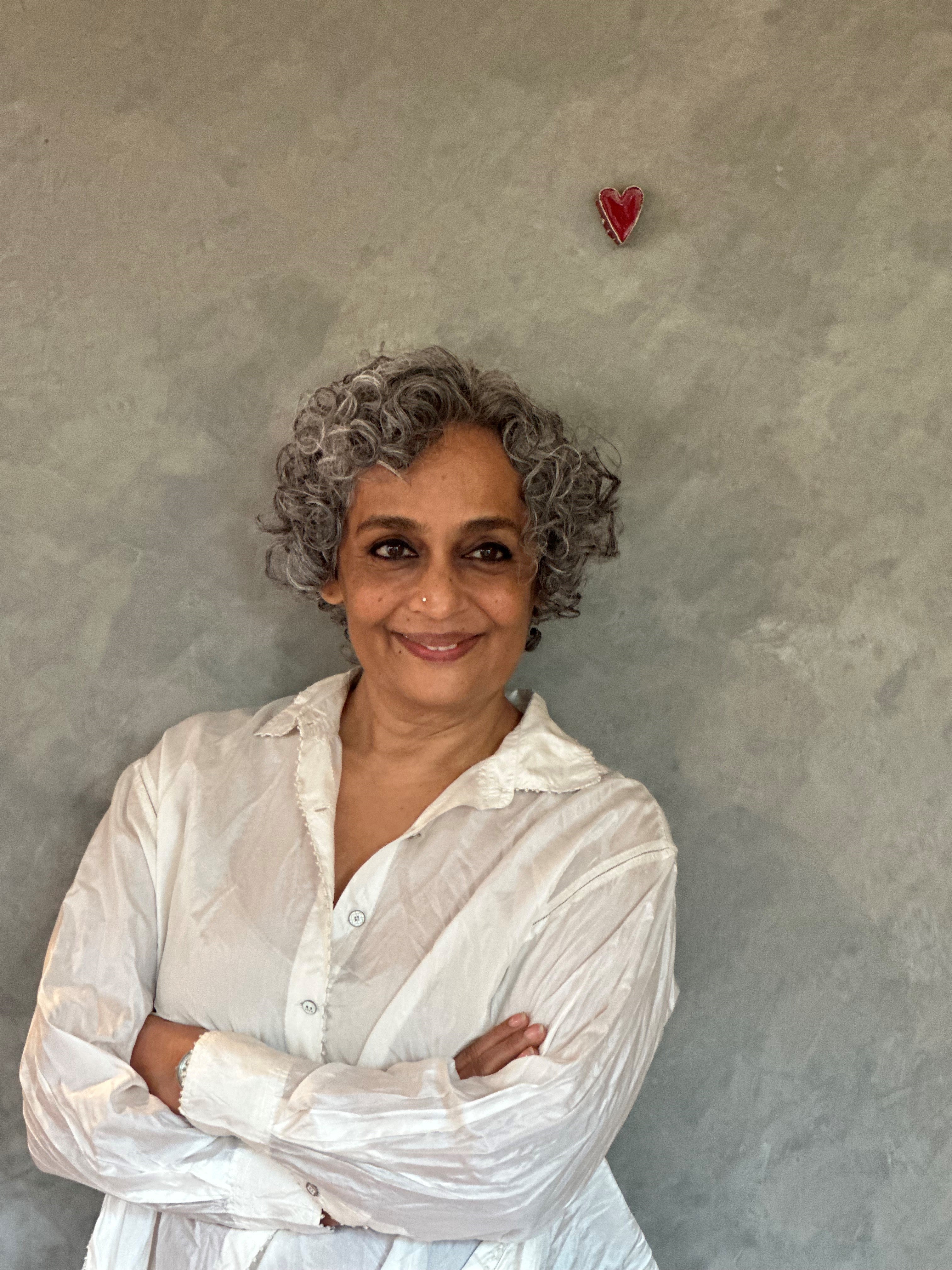
The most prominent name on the list is former Booker Prize winner Roy, best known for her 1997 novel The God of Small Things. Indian author Roy is nominated for her memoir Mother Mary Comes To Me, branded “funny, wise, candid and perceptive” by The Independent critic Martin Chilton.
Also on the list are The Finest Hotel in Kabul: A People’s History of Afghanistan by Canadian journalist Lyse Doucet and Hotel Exile: Paris in the Shadow of War by British writer Jane Rogoyska.
In the arts category, there is Art Cure: The Science of How the Arts Transform Our Health, and Judith Mackrell’s Artists, Siblings, Visionaries: The Lives and Loves of Gwen and Augustus John.
The final book on the list of nominations is Nation of Strangers: Rebuilding Home in the 21st Century by Ece Temelkuran, which explores the concept of exile and migration through a series of letters written by Temelkuran from one stranger to another.

The award is judged by a panel of industry experts, including Thangam Debbonaire, Roma Agrawal, Nicola Elliott, Nina Stibbe, and Nicola Williams.
Speaking about the shortlist, judge Debbonaire said: “Whittling our remarkable longlist down to just six titles was by no means an easy task, but after careful consideration, we are proud to present a shortlist that celebrates six exceptional books and six hugely talented writers, and offers readers collectively a timely and timeless interrogation of our world today.
“Our shortlist shows the power and necessity of women’s writing at a time when recent statistics suggest a decline in non-fiction print sales in the UK. These books are an urgent antidote to mis- and dis-information, written with high standards of scholarship. They offer rich and original insights, in what often feels like a fragmented and uncertain world. They are six books of authority, told with humanity.”
The winner of the Women’s Prize for Non-Fiction will be announced on 11 June, alongside the Women’s Prize for Fiction.