
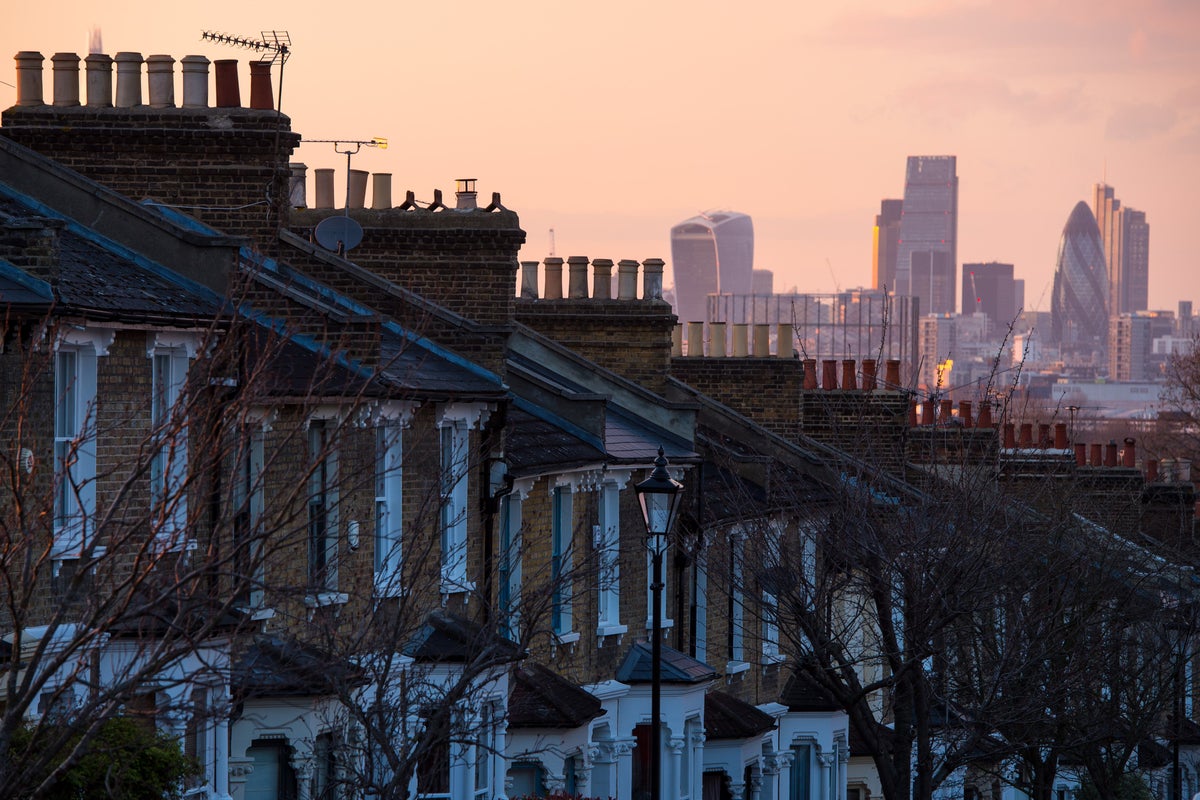
April is just a week away, meaning the start of a new financial year and a slate of bill rises for households to prepare for.
Often dubbed “awful April” by money experts, the yearly bill rise is likely to feel particularly ill-timed for many this year, as conflict in the Middle East threatens to push up the UK’s cost of living in the near future.
Council tax and water bills will both be rising by more than usual in 2026, as the average household faces an average £214 increase in essential bills in 2026/27, data from Uswitch has revealed.
In better news, most benefits, the state pension and the minimum wage will also be rising in April, helping millions of households afford rising costs. Meanwhile, wages continue to rise only modestly, recording the slowest growth in five years in the November to January period, according to official data.
Around 62 per cent of Brits now fear they cannot cover the rising costs on their current income, Uswitch researchers found, as household incomes struggle to keep pace with the scale of price rises.
Here’s a breakdown of some of the key household bills rising this year:
Council tax – up £109
The majority of councils in England have announced a council tax increase of 4.99 per cent – the maximum allowed without government permission. The average rise will equate to £109 per household, Uswitch analysis has found.
Seven councils in England have been allowed to raise their rate by more than this in April. Shropshire, Worcestershire, and North Somerset have been permitted the highest, each at 8.99 per cent.
Warring, Trafford, and Windsor and Maidenhead will raise theirs by 7.49 per cent, while Bournemouth, Christchurch and Poole Council have been permitted 6.74 per cent.
Water bills – up £32.40

Get a free fractional share worth up to £100.
Capital at risk.
Terms and conditions apply.
Go to website
ADVERTISEMENT
Get a free fractional share worth up to £100.
Capital at risk.
Terms and conditions apply.
Go to website
ADVERTISEMENT
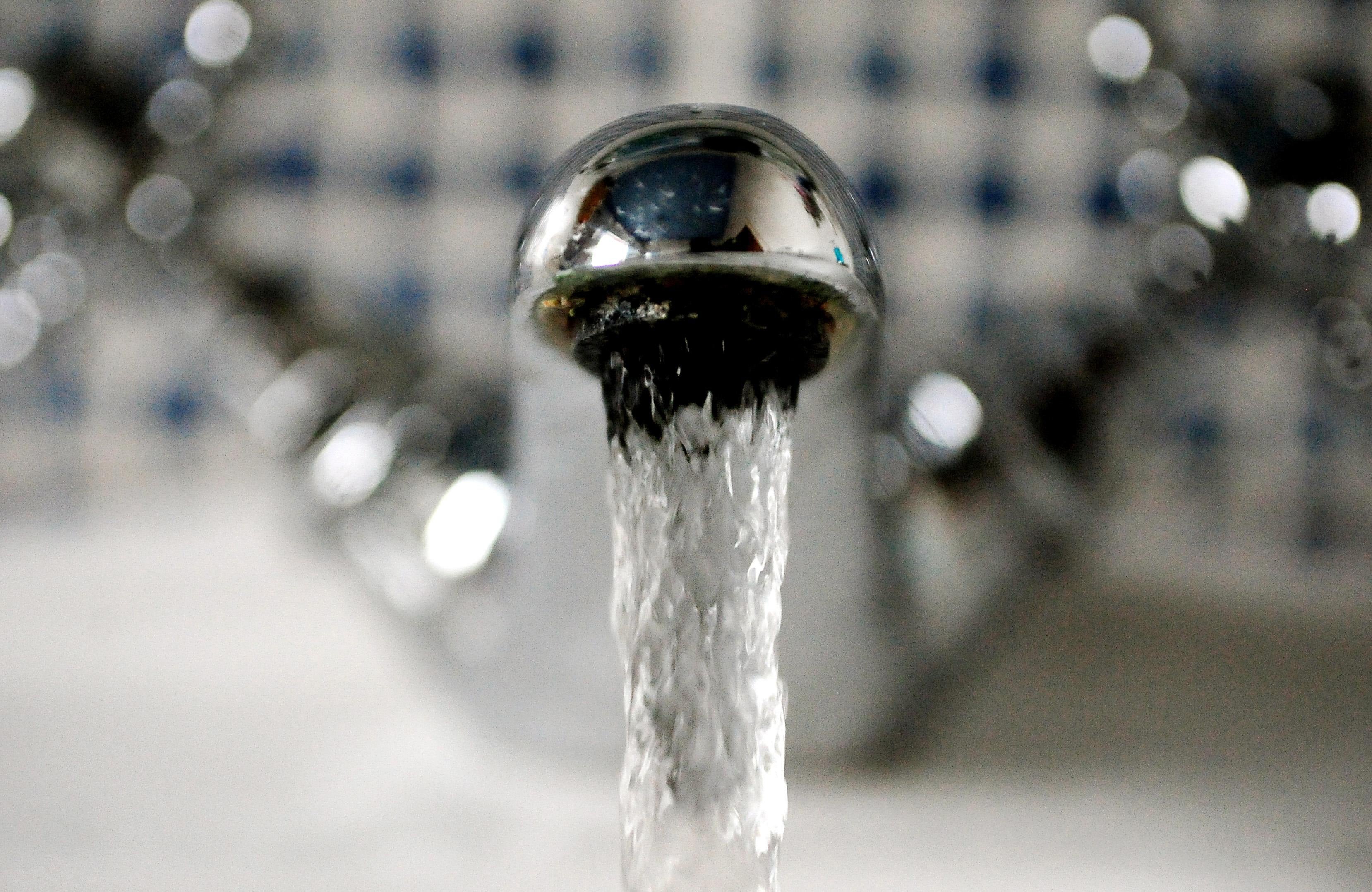
Average household water bills are set to rise by £33 annually, a hike two percentage points above inflation, sparking renewed public anger over persistent sewage pollution.
Seeing the biggest increase in cash terms are customers of United Utilities, which serves the northwest, at an average £57. This is followed by Southern Water (up £55), Hafren Dyfrdwy (up £54) and Severn Trent Water (up £52).
Water UK says the increase will fund a £20 billion investment between 2026/27, aimed at securing supplies and halting discharges into rivers and seas.
Licence fee – up £5.50
From April, the TV licence fee will rise from £174.50 to £180 – an increase of £5.50. The change will add an extra 46p a month onto the licence fee, and is larger than last year’s rise of £5.
The TV licence is a legal permit that must be acquired to watch or record live programmes on any device. Anyone who watches or records live TV programmes must have a TV licence. This can either be through purchase or given free to those receiving pension credit and 75 years or older.
Broadband and mobile – up £67.20
Most broadband and mobile providers will be increasing monthly bills from April, in some cases by as much as £4. Combined, rises will cost households an average of £67.20 extra a year, Uswitch estimates.
However, unlike many other household expenses, many households can take action now to avoid the steepest rises. An estimated 14 million people are out of contract on their mobile deal, and an estimated 7 million on their broadband. This means they won’t face a penalty for leaving their provider, or seeking a better deal with them – and in most cases it would pay to do so.
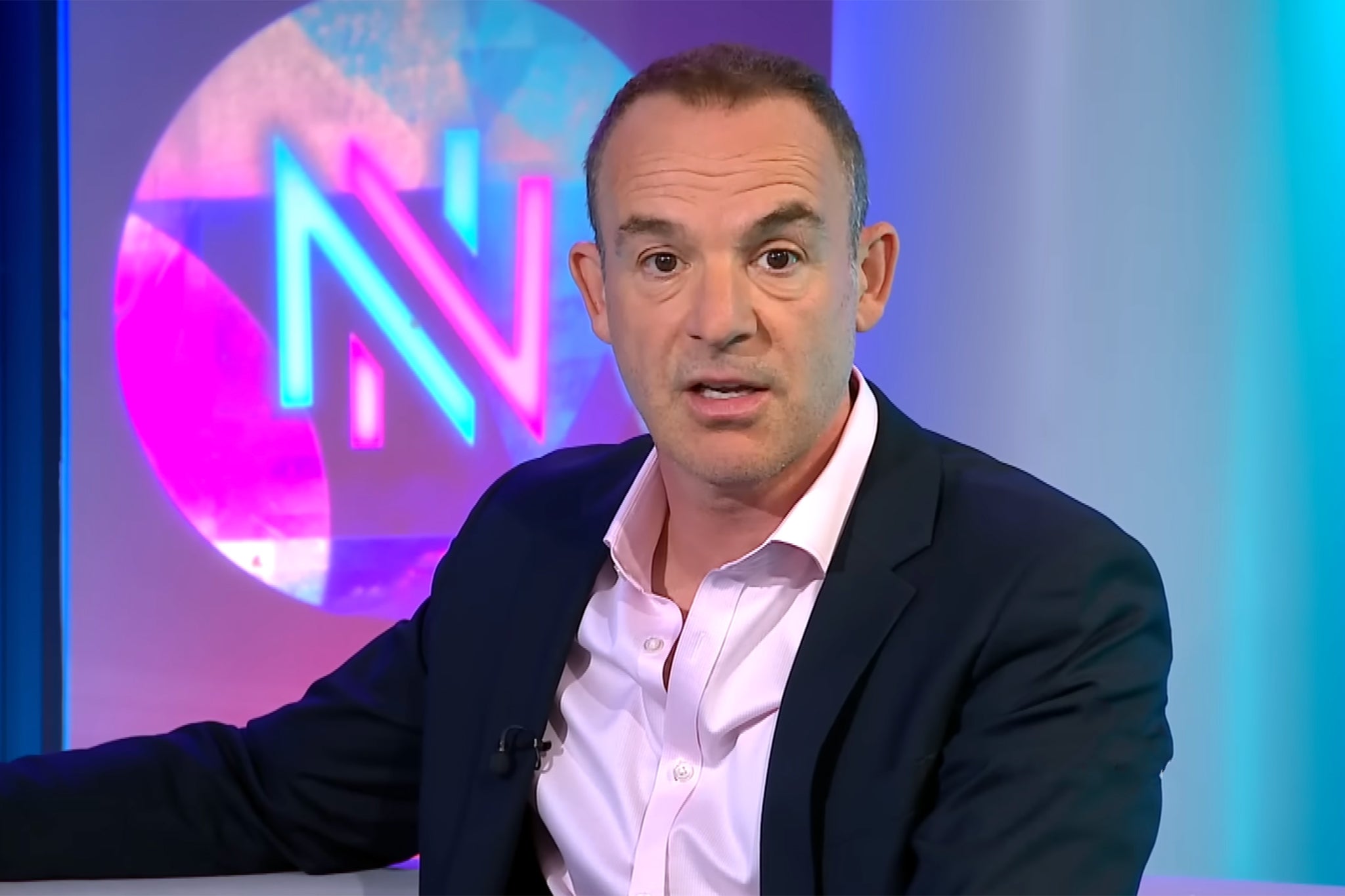
For those who are happy with their mobile device, Sim-only deals can be found for as little as £4 a month. Money expert Martin Lewis has also advised that out-of-contract broadband customers could “double the speed and halve the price” of their contracts for savings of up to £500 a year.
Energy bills – down £117 (for now)
Ofgem’s energy price cap will drop to £1,641 for 1 April to 31 June 2026 – decreasing by around 7 per cent, or £117. The reduction aligns with chancellor Rachel Reeves’ recent pledge that £150 would be cut from the average household bill.
The energy price cap is the maximum amount energy suppliers can charge those on a standard variable tariff for each unit of energy, which includes most households. It is expressed as an annual bill for an average home.
The energy regulator’s decision will come as welcome news to bill payers, marking one of the few reductions amongst a slate of bill rises. Combined with warmer spring weather, energy costs should be less of a concern in the short term.
In the longer term, the outlook is less positive.
Respected energy consultancy Cornwall Insight has predicted the July price cap will rise by a massive £332 from July, up to £1,973, as conflict in the Middle East threatens to push up costs.
This would bring the price cap to the highest rate since July 2023, which came after the record rises seen in the first year of Russia’s invasion of Ukraine.
The independent forecast has been called “highly speculative” by a spokesperson for the Department for Energy Security and Net Zero (DESNZ).
For the latest cost of living advice, visit The Independent’s regularly updated guide