

A number of Australian Broadcasting Corporation’s (ABC) programmes went off air on Wednesday as journalists working for the public broadcaster staged a 24-hour strike for the first time in 20 years.
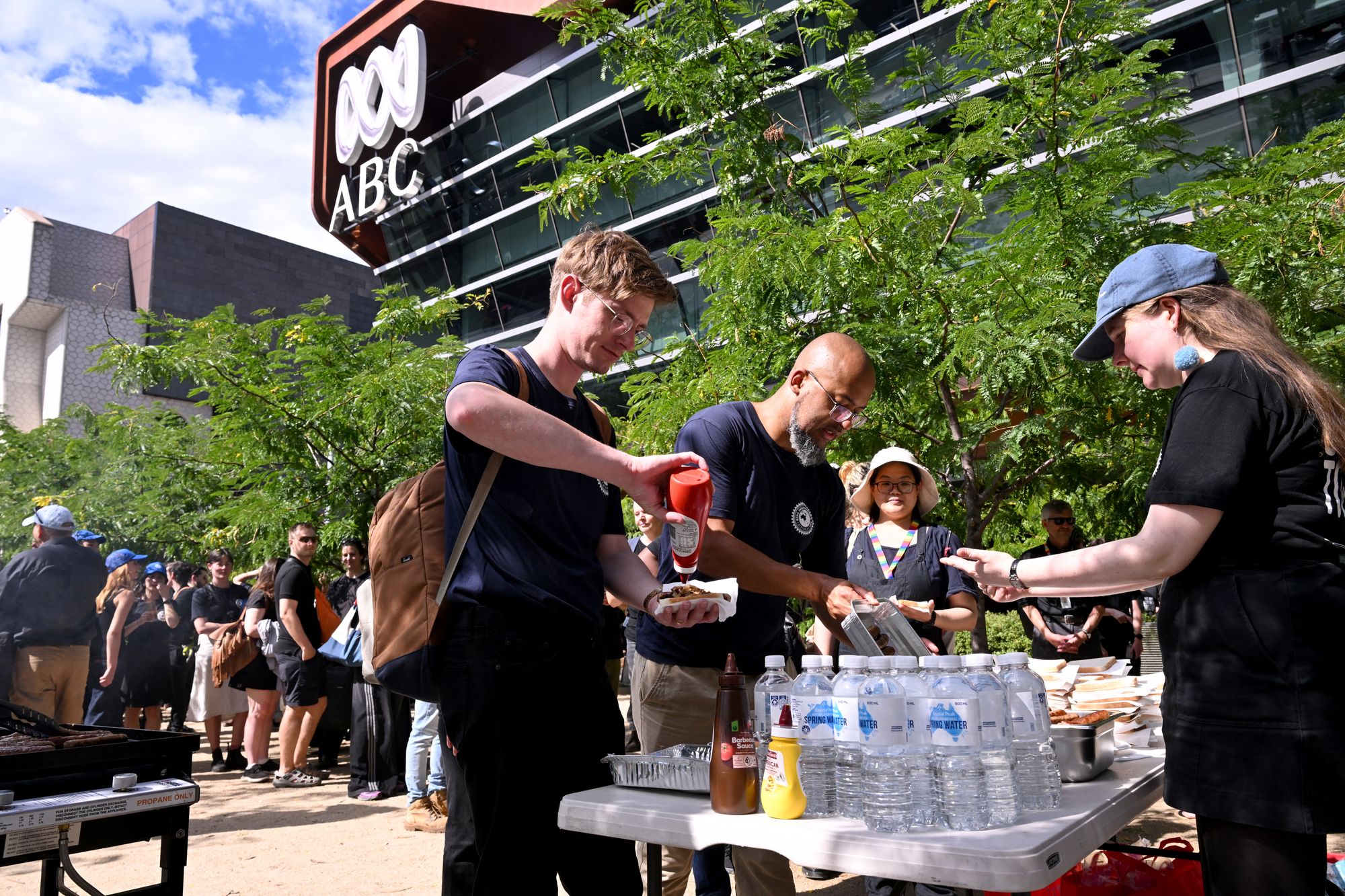
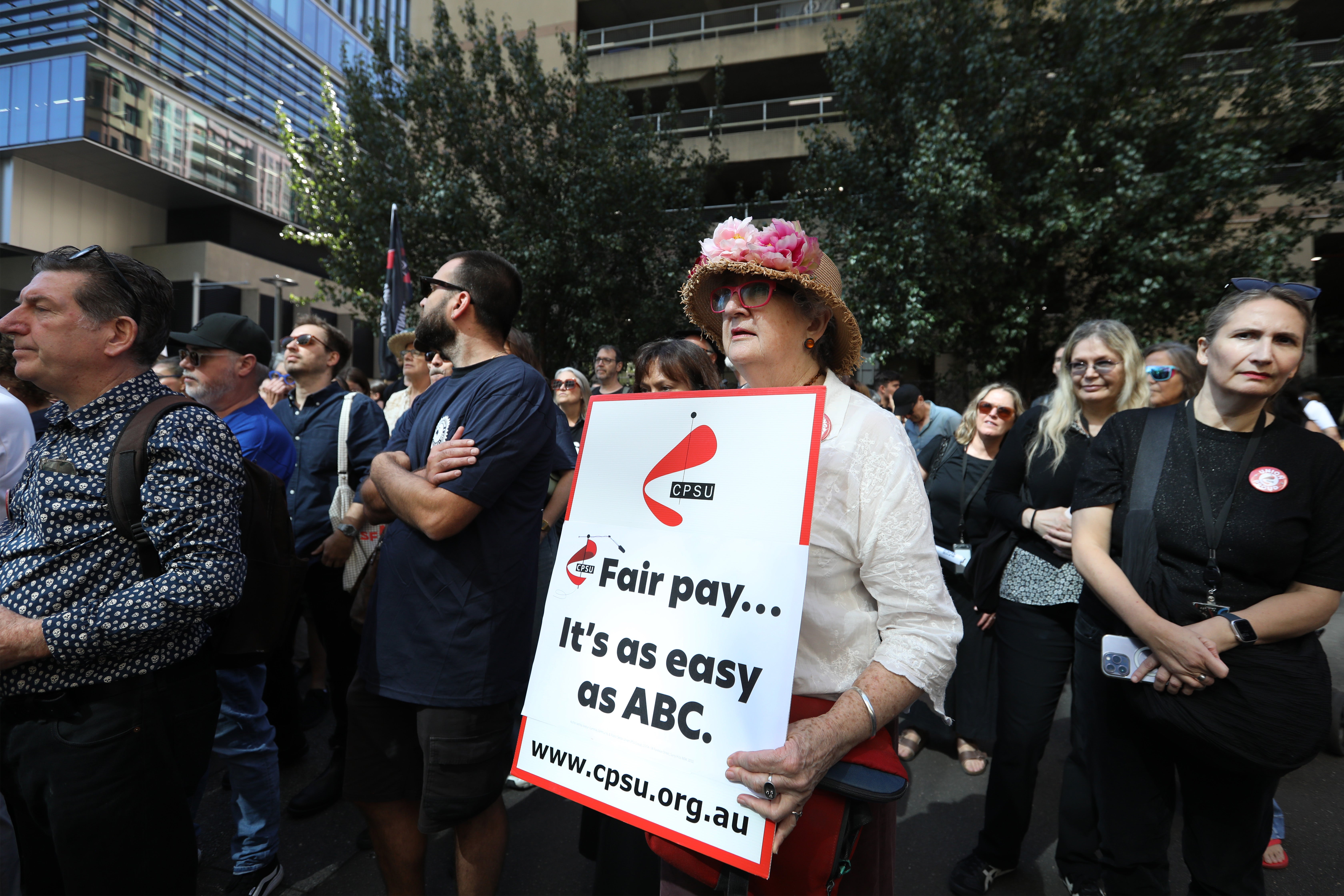
Hundreds of staff of ABC staged large-scale protests outside the broadcaster’s office over low pay and working conditions.
It marks the first time in 20 years that staff of the corporation have gone on strike after a majority of staff voted to reject the broadcaster’s latest pay offer of a 10 per cent rise over three years and a A$1,000 ($700) bonus for ongoing and fixed-term staff.
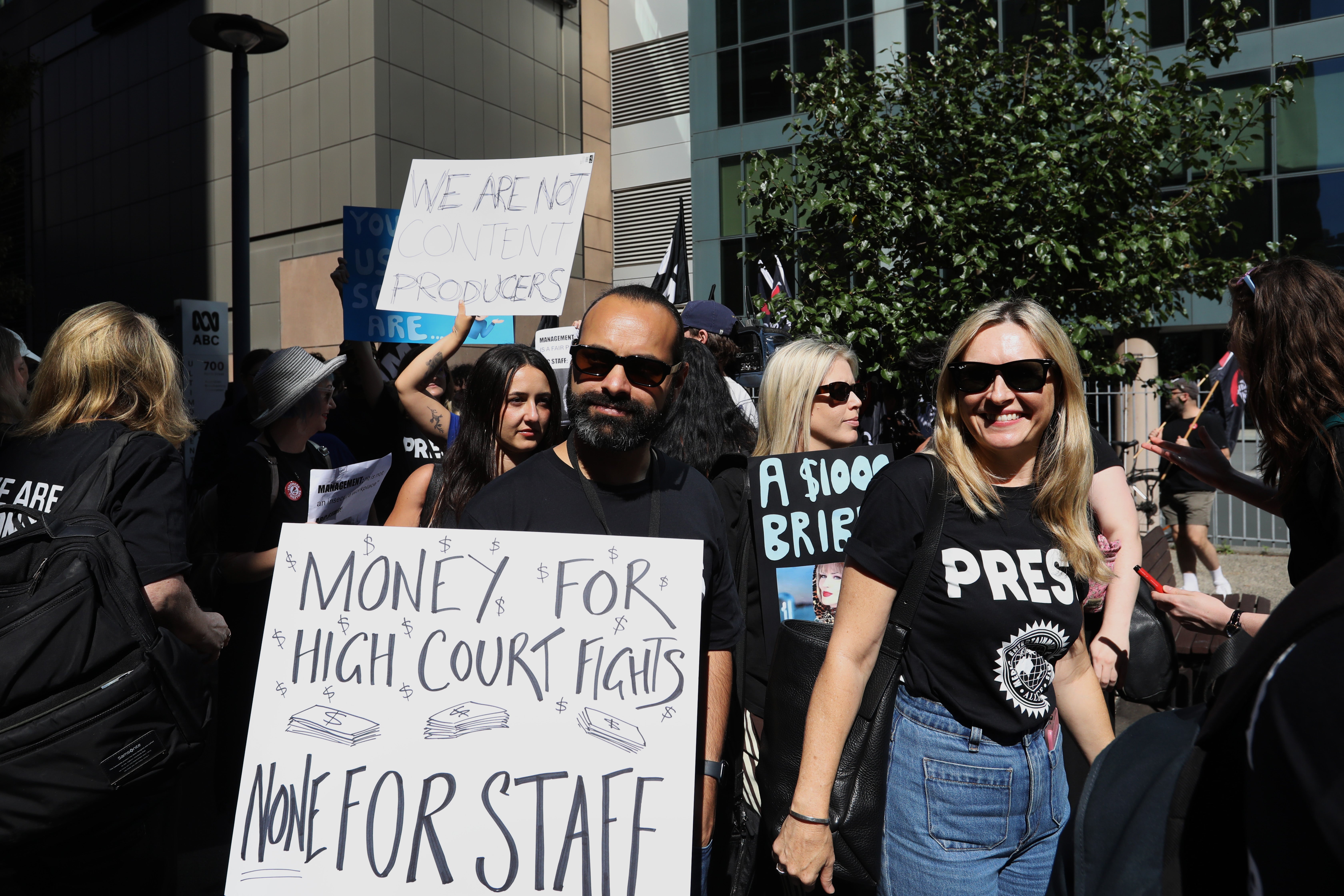
Wearing union merchandise, waving flags and protest signs, some 2,000 journalists and staff members gathered outside the ABC’s headquarters in Sydney as well as its other offices in metropolitan, rural, and regional Australia shortly after 11.15am local time.
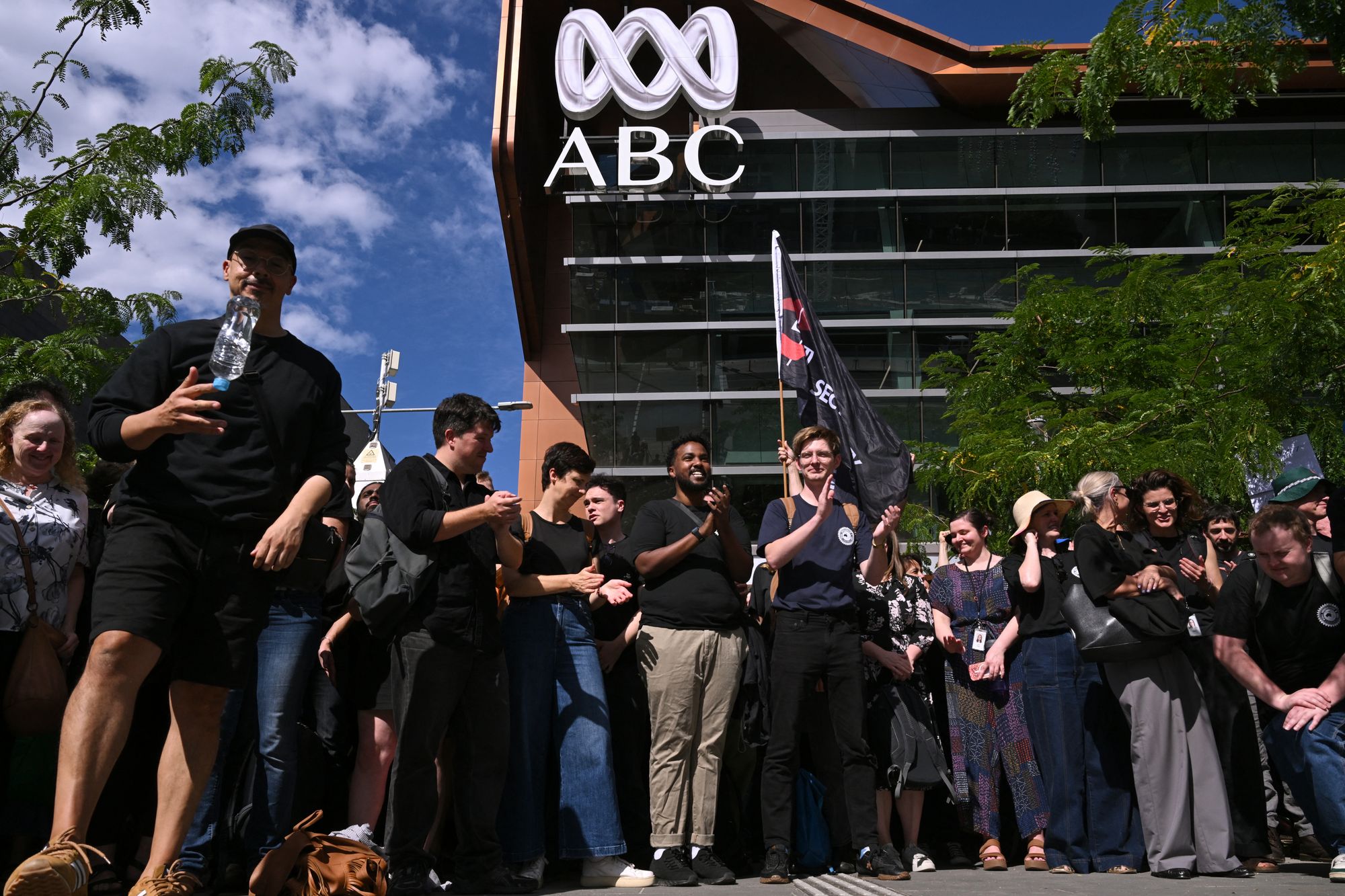
It included some prominent ABC journalists, including David Marr and Triple J favourites Abby Butler and Tyrone Pynor.
The ABC’s flagship TV and radio programmes 7.30 with Sarah Ferguson, AM, PM, The World Today, and Radio National Breakfast, which air between 11am on Wednesday and 11am on Thursday, will not run and will be replaced with BBC content.
ABC Radio will run national programmes across its local stations for the duration of the protected industrial action.
Music stations Triple J and ABC Classic will continue broadcasting but with pre-programmed music only, without presenters.
The broadcaster will not run its 7pm TV news bulletin, which is set to be replaced by an episode of Australian Story. Emergency broadcasting services will remain on air.
ABC’s managing director Hugh Marks apologised and said it was “very unfortunate” that the pay negotiations had come to this.
“On behalf of the ABC, I feel terrible,” he told 702 ABC Sydney.
“And I’m sorry to some of the staff that I know are in a really difficult position today. We will be using BBC content where that’s appropriate, so we will be maintaining services, but they won’t be the standard I would like to be on air.”
The ABC, which employs more than 4,400 people with about 2,000 staff in news, offered a 10 per cent pay rise staggered over the next three years, with a 3.5 per cent hike in the first year followed by 3.25 per cent in the two years after. It also included a $1,000 bonus for all ongoing and fixed-term staff covered by the EBA. But 60 per cent of the staff who participated voted “No”.
The Media, Entertainment and Arts Alliance (MEAA), which is representing many of the protesting staff, said the offer is well below the yearly inflation rate in Australia, while their demands for a solution to short-term rolling contracts have been avoided.
MEAA spokesperson, Erin Madeley, told 702 ABC Sydney that its members were also sorry the situation had reached this point and that they had to take to the streets.
“We’ve had restraint for more than 20 years,” she said. “We’ve worked nine months putting the arguments through to management about the lived experiences of our members and how difficult it is to deal with the cost-of-living pressures.”
Australia’s annual inflation rate stood at 3.8 per cent in January.
The managing director defended the decision, saying the offer would amount to pay higher than inflation for some workers with the additional $1,000 bonus counted.
Michael Slezak, ABC journalist and co-chair of the MEAA ABC National House Committee, said they have three key demands, including pay, fixed-term contracts and progression.
“That’s a below-inflation pay offer; that is just a pay cut with better branding,” Slezak said.
ABC journalist Fran Kelly, who was also part of last strike 20 years ago, said journalists who dedicated to informing and educating the public were unable to keep up with the cost of living.
“I’ve stayed (at the ABC) because I love it. I’m committed to public broadcasting, which is why you’re all here, even though you are holding up signs like we’re struggling to pay our power bills, or we are not content producers,” she said addressing the staff outside ABC’s Sydney office.
“I really think it’s time the ABC started acknowledging the talented pool of young producers and journalists we have, and start backing them. It’s not acceptable that they’re stuck at a pay level that is not enough to live on in Sydney or Melbourne or wherever you are. It’s just not acceptable.”