


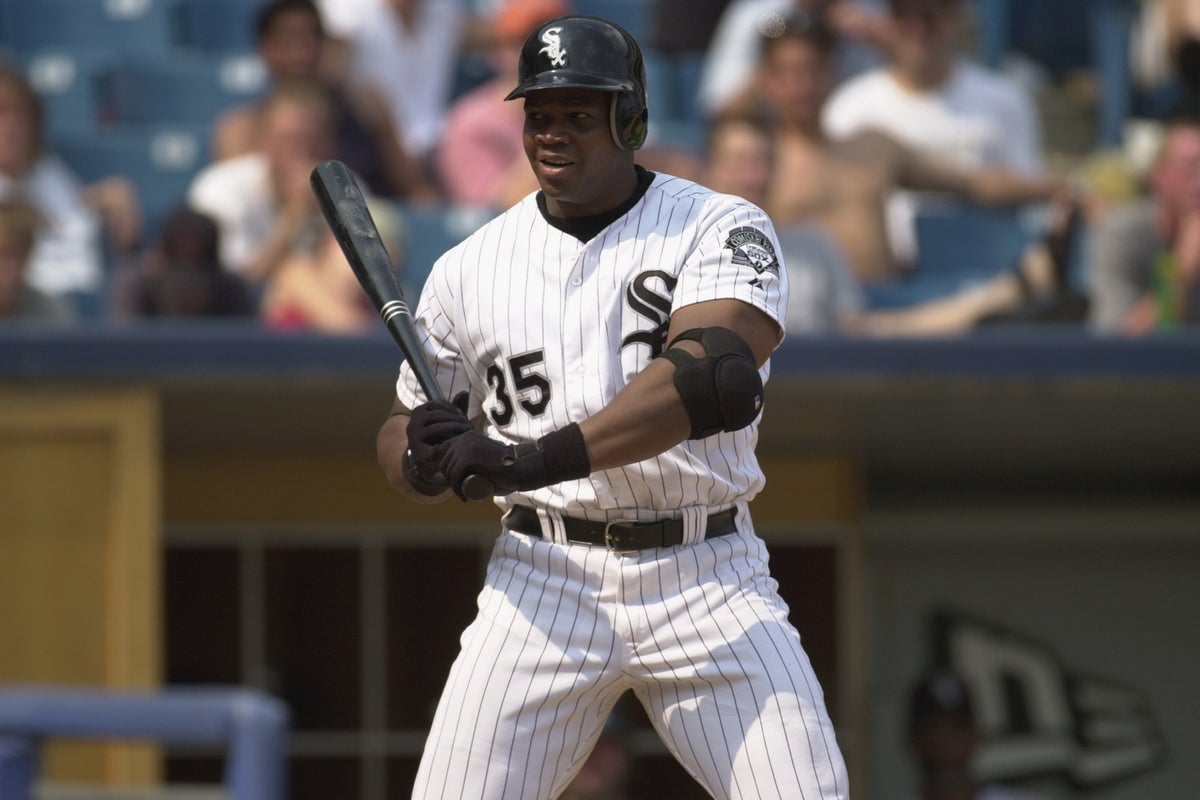
Major League Baseball Hall of Fame player Frank Thomas is suing several companies, including the Chicago White Sox, for using his name to sell merchandise without his permission.
Thomas filed his lawsuit on March 19 in the Cook County Circuit Court, according to Fox 32 Chicago.
His lawsuit alleges that companies including Nike, Fanatics, and his old team—the White Sox—have been selling ‘City Connect 2.0″ jerseys that feature his name and his player number without his consent. The jerseys have been on sale since April 2025, and he claims he was never compensated for the sales.
He further argues that he has no contract with the companies using his name and number.
“The complaint we filed alleges violations of the Illinois Right to Publicity Act. Companies may not profit from anyone’s identity without their permission. We believe our filing speaks for itself,” attorney William Gibbs of Corboy & Demetrio said in the lawsuit.
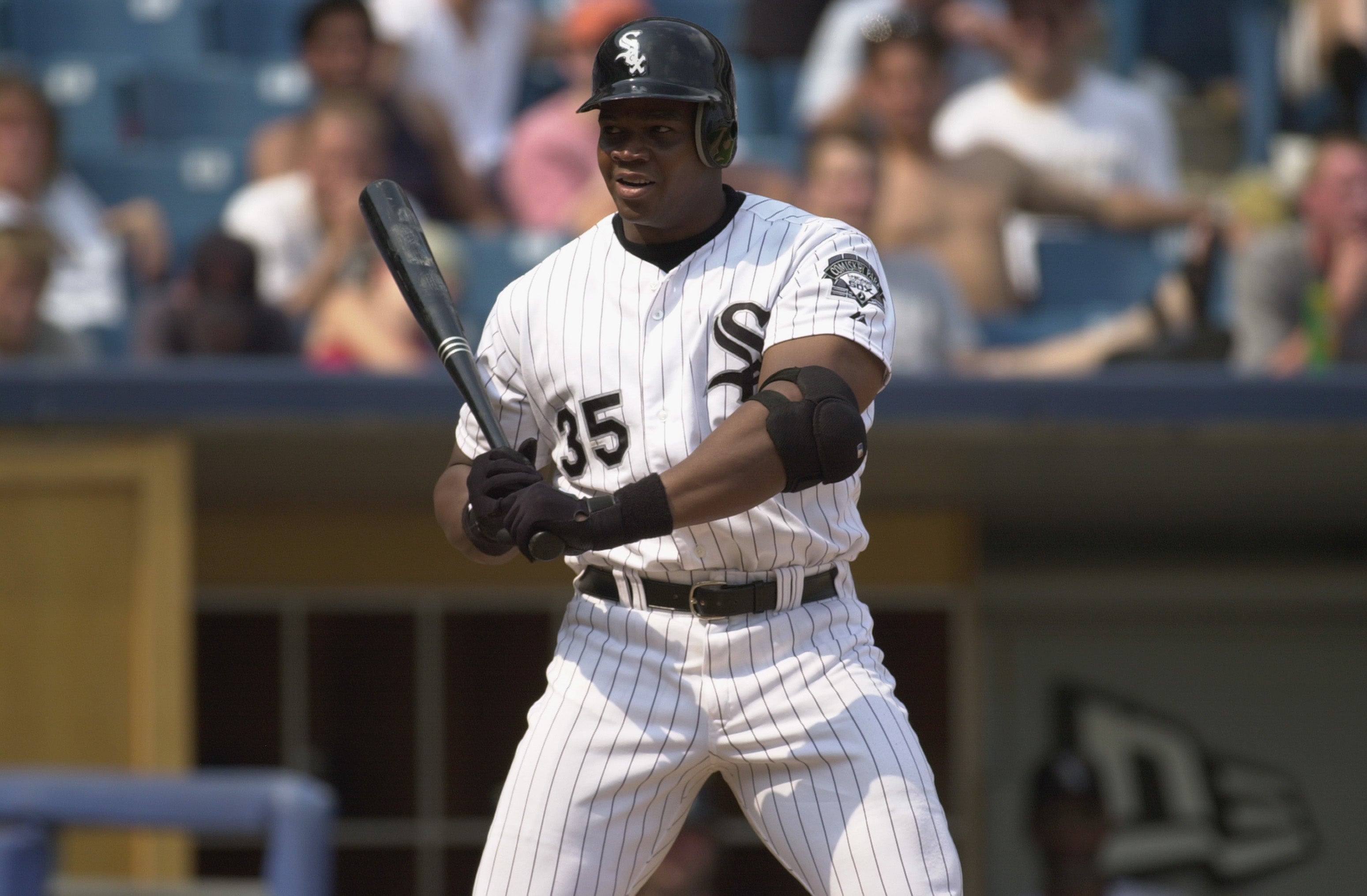
The lawsuit claims that the use of his name and number violates the “fundamental principles of justice, equity, good conscience, and fair play.”
Thomas is seeking damages, which include profits from merchandise sold with his name and number, as well as other financial losses. He has also asked for a jury trial.
The White Sox said the organization does “not comment on on-going litigation.”
The Independent has requested comment from Nike and Fanatics.
The City Connect jersey at the center of the lawsuit is still available on both Nike and Fanatics’ websites.
Thomas spent most of his career playing with the White Sox, where he hit 448 of his 521 home runs while playing in Chicago, according to The Athletic.
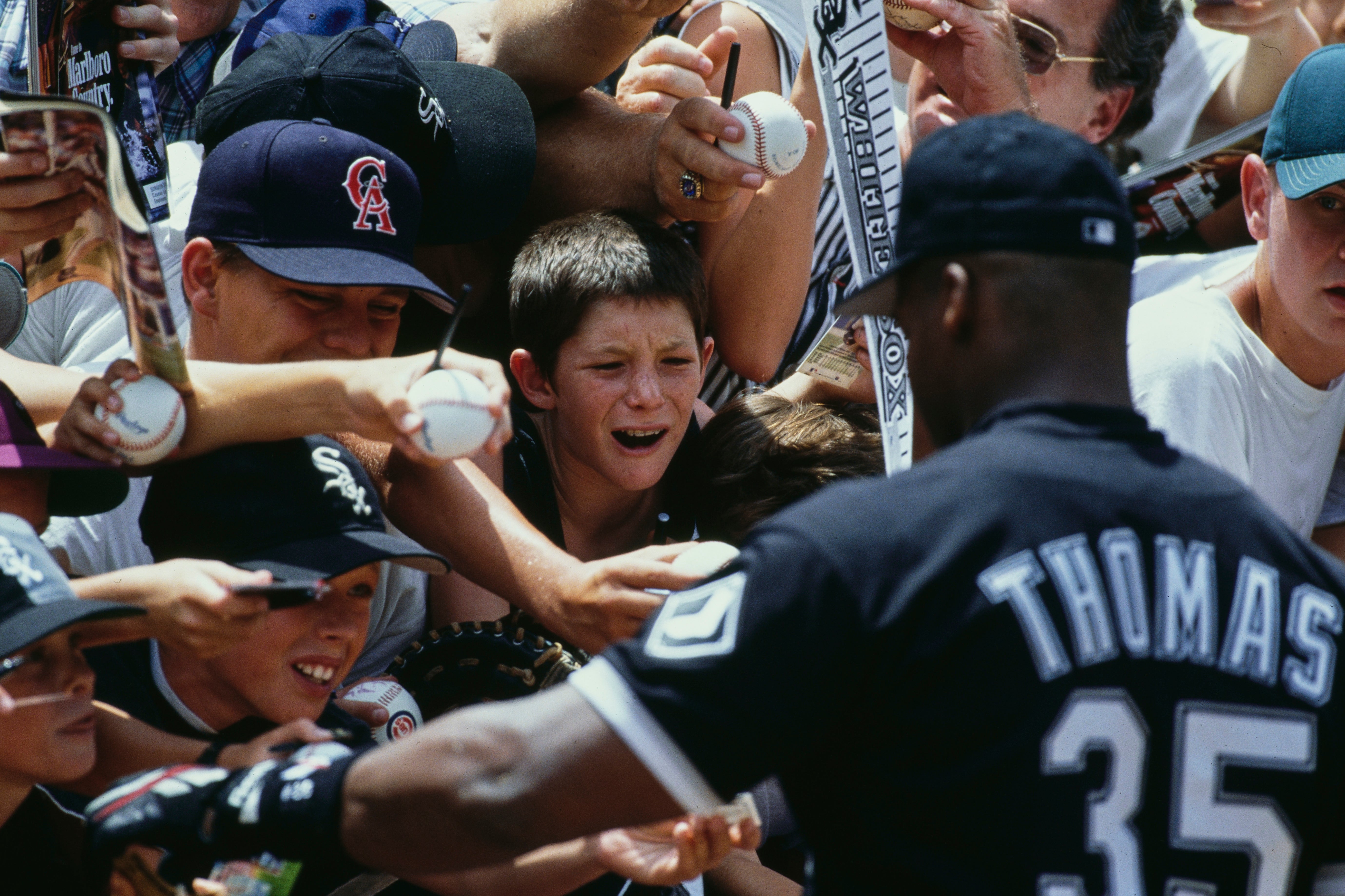
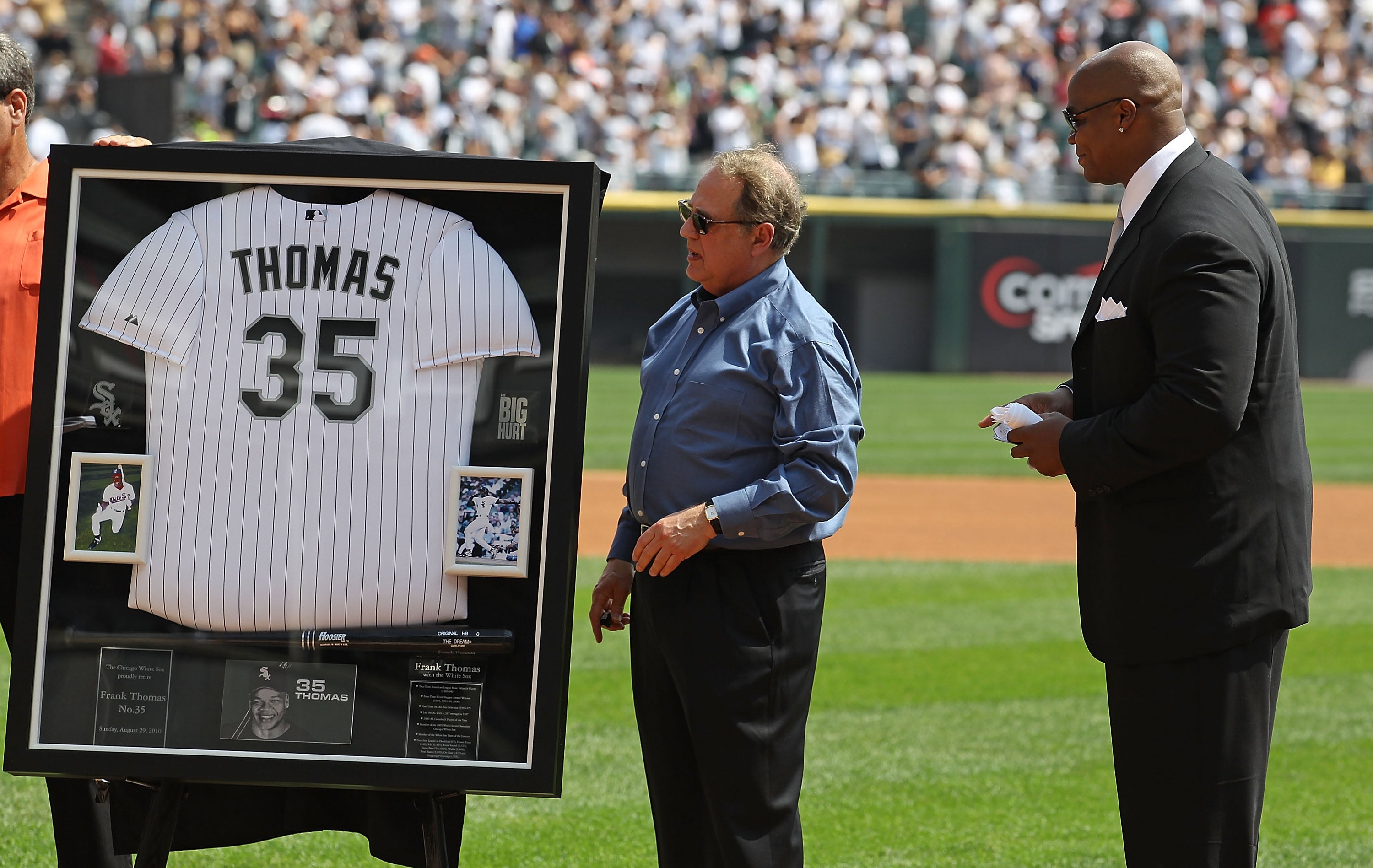
He retired officially in 2010, after which the White Sox retired his number—35—and he was later inducted into the MLB Hall of Fame in 2014. After he retired, Thomas went on to work as a business operations consultant for the team in 2016.
Despite his long history with the team, he’s also been critical of the organization. Thomas responded to a White Sox Black History Month post that celebrated other noted Black players but made no mention of him, despite the fact that he’s the team’s home-run leader.
“I guess the black player who made you rich over there and holds all your records is forgettable! Don’t worry I’m taking receipts,” he wrote in response to the post.
He also fought with the team’s general manager, Ken Williams, near the end of his time with the organization. His biggest complaint was focused on a “diminished skills” clause put into Thomas’ contract in 2002 that allowed the team to reduce his pay.