
A Cambridgeshire woman has described the “unbearable pain” that led her to wish for her leg to be amputated, before an AI physiotherapist helped uncover a rare condition affecting up to three in 100,000 people. Amie Smith, a 47-year-old carer, was diagnosed with cauda equina syndrome, a severe spinal condition, following an innovative AI-assisted consultation.
Ms Smith’s ordeal began on Sunday, April 20, 2025, with lower back pain she initially tried to manage with painkillers. Within days, however, the pain escalated to “excruciatingly painful” levels, radiating down her body and into her legs. The mother of three secured an urgent GP appointment on Tuesday, April 22, where she was referred to Flok Health, an AI physiotherapist programme being trialled by her local NHS trust.
Initially, Ms Smith harboured reservations about the technology. “Initially, I thought (an AI physiotherapist) is not very personal. I felt like I was probably talking to a robot that couldn’t really help me,” she told PA Real Life. Despite her scepticism, the AI proved pivotal. “But, actually, if it wasn’t for that process, I wouldn’t have gotten the help that I did, and ultimately I would have had a lot more damage,” she added, expressing gratitude. “I think there’s a lot of people in my generation and upwards that are very negative (about AI), but I’m really quite thankful for it.”
Having lived with chronic pain since a fibromyalgia diagnosis in 2018, Ms Smith recognised this new pain was “completely different”. She explained: “I’ve always suffered with back pain, but this was excruciatingly painful. I left it for a few days thinking that if I just take pain relief and I carry on, I should be fine. But it just gradually got worse.” Her GP, however, “automatically” attributed the new symptoms to her fibromyalgia, despite Ms Smith’s insistence and her increasing difficulty walking.
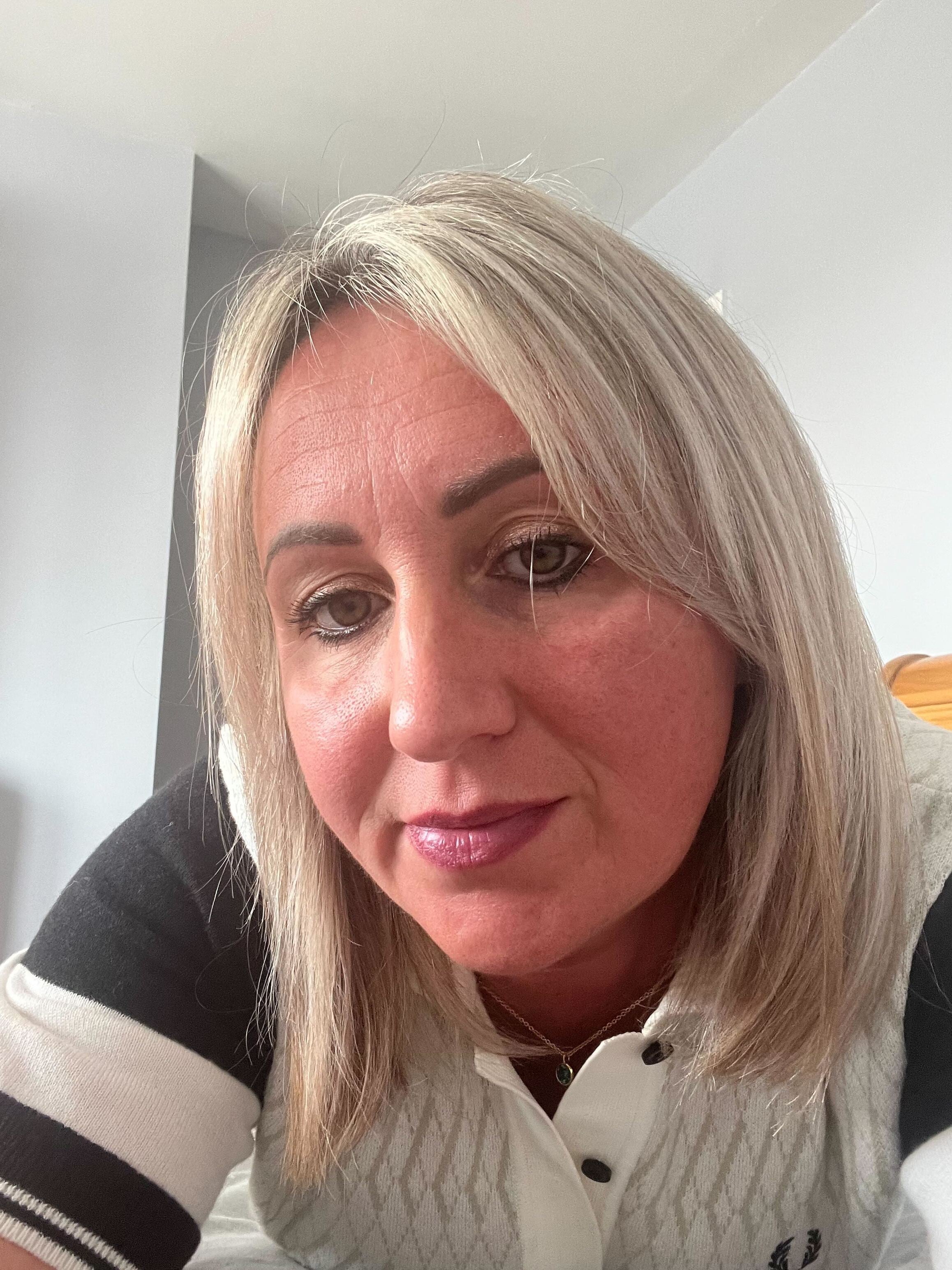
The Flok Health app, deployed in February 2025 by Cambridgeshire Community Services NHS Trust (CCS) to alleviate back pain waiting lists, was Ms Smith’s last resort. After two e-consult requests to her GP went unanswered, she decided to try Flok on Friday, April 25. The platform uses an automated video call assessment where an AI-powered physiotherapist evaluates symptoms to recommend treatment. During this consultation, the AI flagged Ms Smith’s symptoms and limited movement as serious, advising her to attend A&E, where she was given muscle relaxants and sent home.
The breakthrough came on Monday, April 28, when Ms Smith received a call from Kirsty Henderson, a senior physiotherapist at Flok Health. Ms Henderson, following up on the AI assessment, identified potential cauda equina syndrome – a compression of the spinal nerves at the tail end of the spinal cord that can lead to paralysis and incontinence if left untreated. “I described everything to her and I just felt like she was able to do what nobody else had: Give me time to tell exactly how this is affecting me and what’s happening,” Ms Smith recalled. “Straight away, she said that I definitely needed an MRI. She explained to me that it could be something called cauda equina, and that getting help urgently is essential because the longer it goes on, the more damage that can be done. That was the first time out of all the people I spoke to that anybody actually told me that I was at risk.”
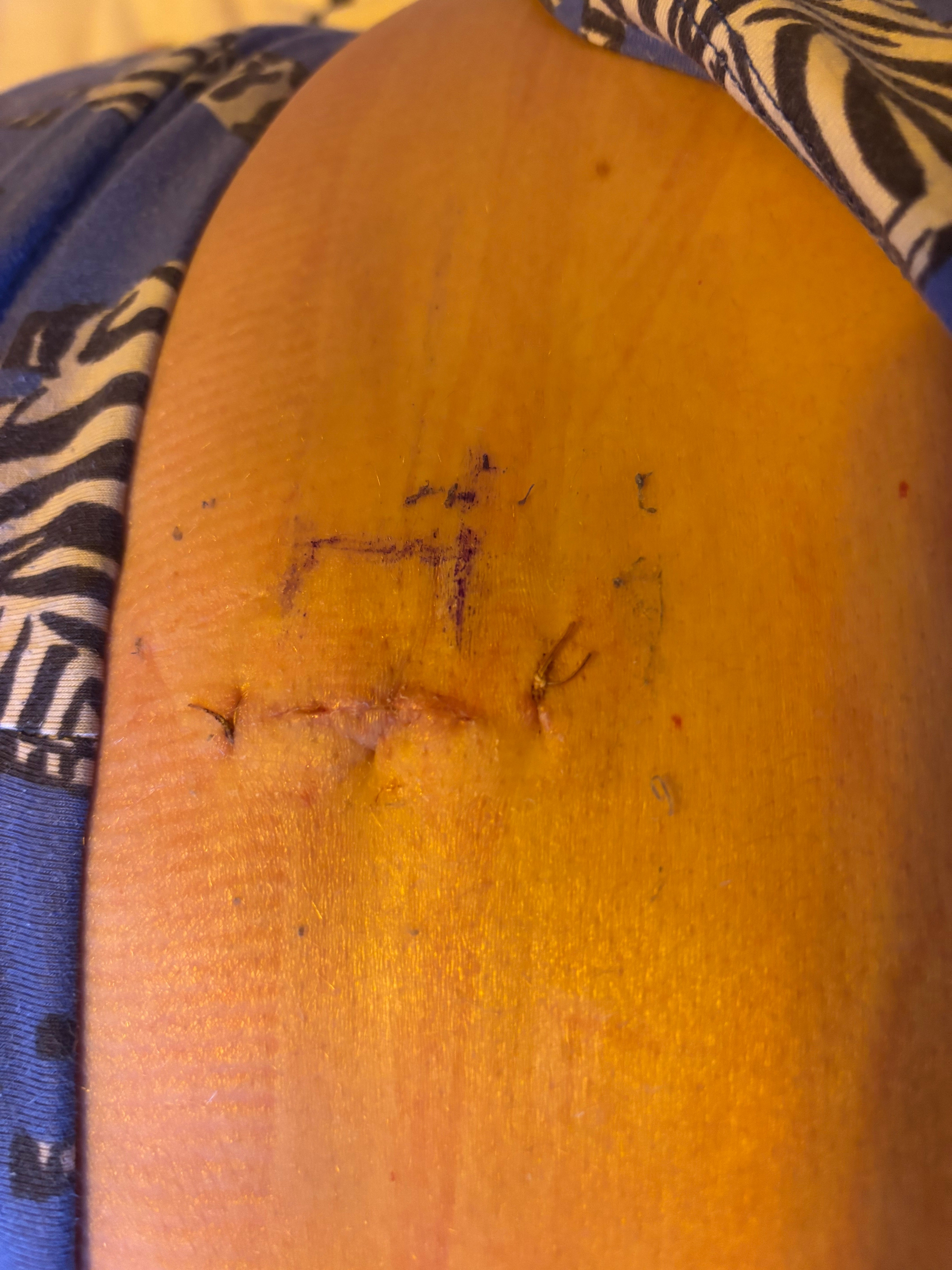
Empowered by Ms Henderson’s advice, Ms Smith tried her GP again the next morning without success. A friend then took her back to A&E, where doctors noted her distress and high blood pressure, leading to immediate admission and an MRI scan. Within hours, an orthopaedic doctor confirmed a “really bad situation” with slipped discs trapping nerves, later identified as cauda equina syndrome. Ms Smith was swiftly transferred to a specialist hospital, and after reporting numbness in her leg, underwent a five-hour emergency lumbar decompression surgery on May 1.
Since the surgery, Ms Smith’s pain has subsided, though she has had to make “adaptations” due to incomplete use of her left leg, including driving an automatic car and struggling with prolonged walking.
Mike Passfield, deputy director from Cambridgeshire Community Services NHS Trust, highlighted the broader impact of the AI initiative. “The new AI-assisted approach is having a significant impact in our region, enabling thousands of patients to get faster access to expert physiotherapy support,” he told PA Real Life. “Not only is the technology capable of treating and discharging patients at scale, but its red flag system means patients with more serious or extremely rare conditions are identified and directed to the right human-led service quickly to get the appropriate care. During a pilot of Flok Health in Cambridgeshire last year, we cut waiting lists by more than half. Thousands more people are getting immediate access to support thanks to the new approach, transforming the way we deliver physiotherapy.”

Ms Smith remains profoundly grateful to Ms Henderson. “I went back to Kirsty to really thank her because I honestly felt like she was the only person that actually listened,” she said. “She realised the red flags, talked me through it, explained the risks and what she was concerned about, and even gave me advice on how to try to get the doctors to help me. Now I can see that every 24 hours that was going by, more damage was being done to my body. That damage is still here today to a point, but had I not spoken to Kirsty and then gone on to follow what I’ve been told to do, I probably would have been unable to walk. I feel like I owe a lot to Kirsty. She made a huge difference,” Ms Smith concluded, still surprised by how her journey “started” with an AI physio.