Feeling frightened and alone, a young person was sitting in hospital, not knowing what to do. A parent had just threatened them, and because they were afraid to see them again, they wanted to leave and disappear.
But speaking with them over the phone was a dedicated worker who reassured them that they weren’t alone. After offering advice and support, they were able to prevent the young person’s immediate departure.
Missing People’s newly launched national lifeline, called SafeCall, receives calls and messages like this every day from children and young people across the country who are in crisis.
“We hear from young people who just don’t feel heard… They don’t feel that their voice is being magnified. They feel silenced, and they don’t feel understood,” explained Hannah Nash, who works for the helpline.
With the generous support of The Independent’s readers, who helped raise more than £165,000 to fund the creation of the service, the roughly 72,000 children going missing each year now have a place to turn.
One 16-year-old experiencing suicidal thoughts also got in touch with the helpline to talk about how they were thinking about going missing again. The worker listened to their fears and helped stop them from doing so.
Since the launch of the service in January, a team of 15 people from the charity have helped those teenagers and children who are at risk of disappearing or being exploited, or who are alone on the streets.
Donate here or text SAFE to 70577 to give £10 to Missing People – enough for one child to get help.
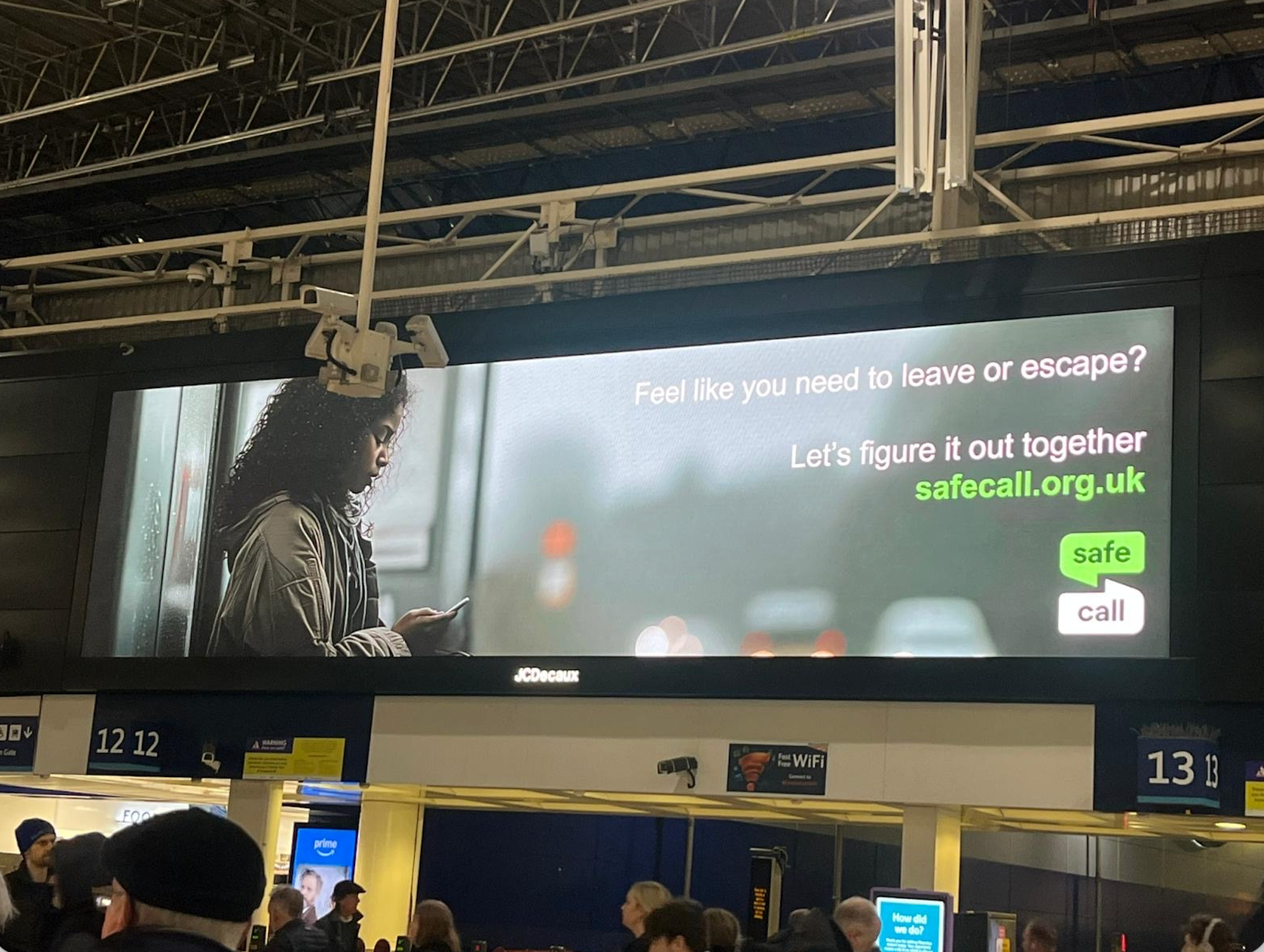
The free and confidential service is available through its helpline, text service or online chat. This publication is continuing to raise funds to keep the service running and help it expand to include WhatsApp support and a chatbot later in the year.

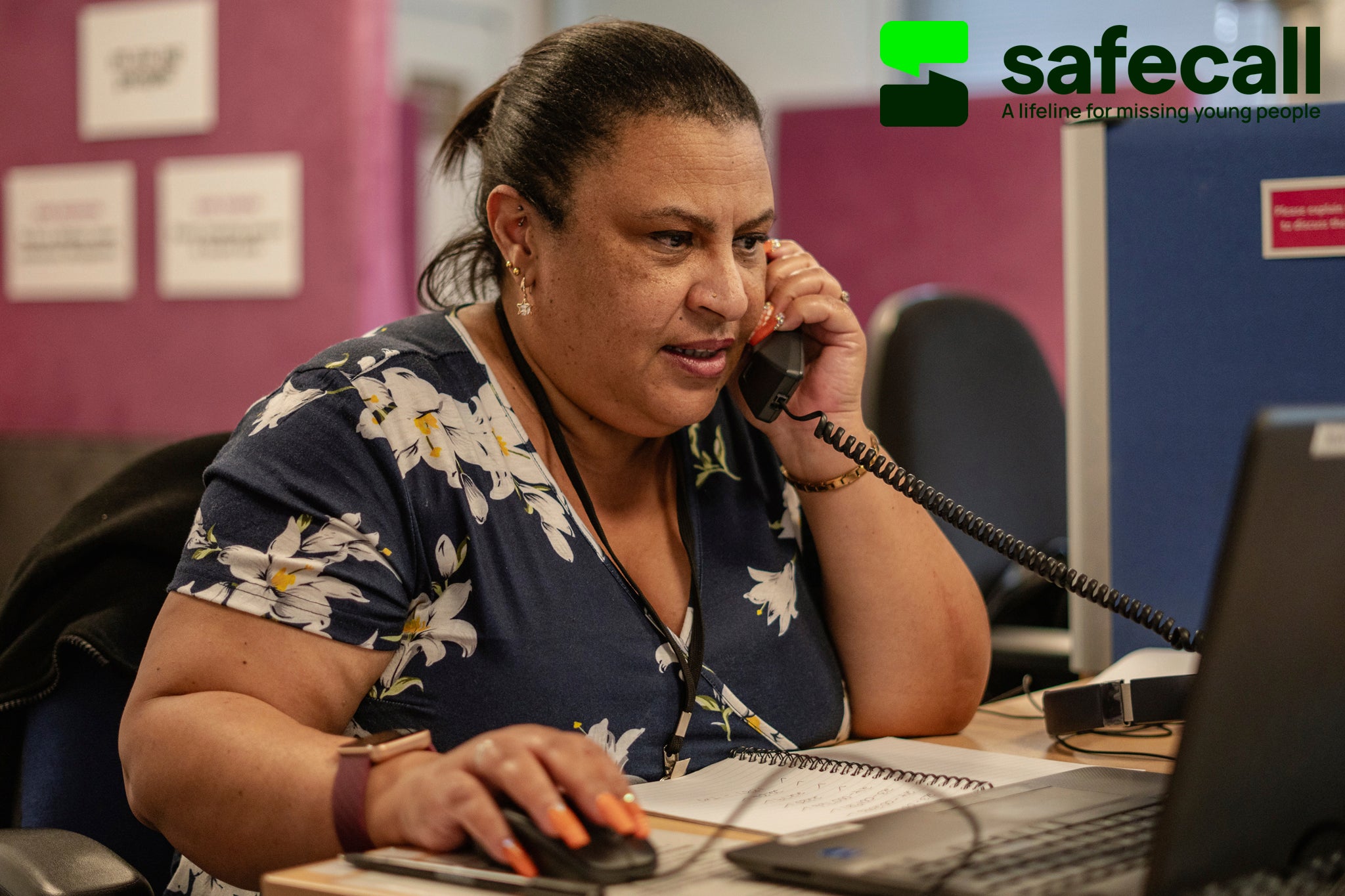
Ms Nash is one of the people responding to the calls and texts from children who have gone missing, or want to.
Often, people who have gone missing will get in touch anonymously after receiving a message from the charity’s text service, which is usually sent when a missing person report is filed with the police.
Ms Nash said children will typically respond by asking the charity who they are, and she will explain their service and let them know they are there to listen and support them.
When they choose to share their details, the team can also pass that information on to family or to social services with their consent.
She said: “It’s really crucial when someone has just left home, they’re on the streets, and they don’t know what to do, and suddenly they get that message.”
A lot of the job “is around just listening to them and understanding what’s going on for them in their world, and not putting any judgement on them”, she added.
Since its launch, the team at SafeCall has also heard from a 14-year-old who went missing after an argument with their parent, an 18-year-old who wanted to disappear after an incident of sexual violence, and a young teen who had no safe accommodation and was unable to return home.
One young person had fled criminal exploitation after being physically assaulted and was under pressure to make money. The team at SafeCall discussed with them ways in which they could stay safe. They told them about their exploitation support service and other professionals who could help when they were ready.
“The job comes with a lot of challenges,” Ms Nash said. “We do get a lot of big disclosures from young people, and we do hear things that are really big in their lives that they may not have shared with anybody else.”
But Ms Nash also knows how staff can make a huge impact in a young person’s life.
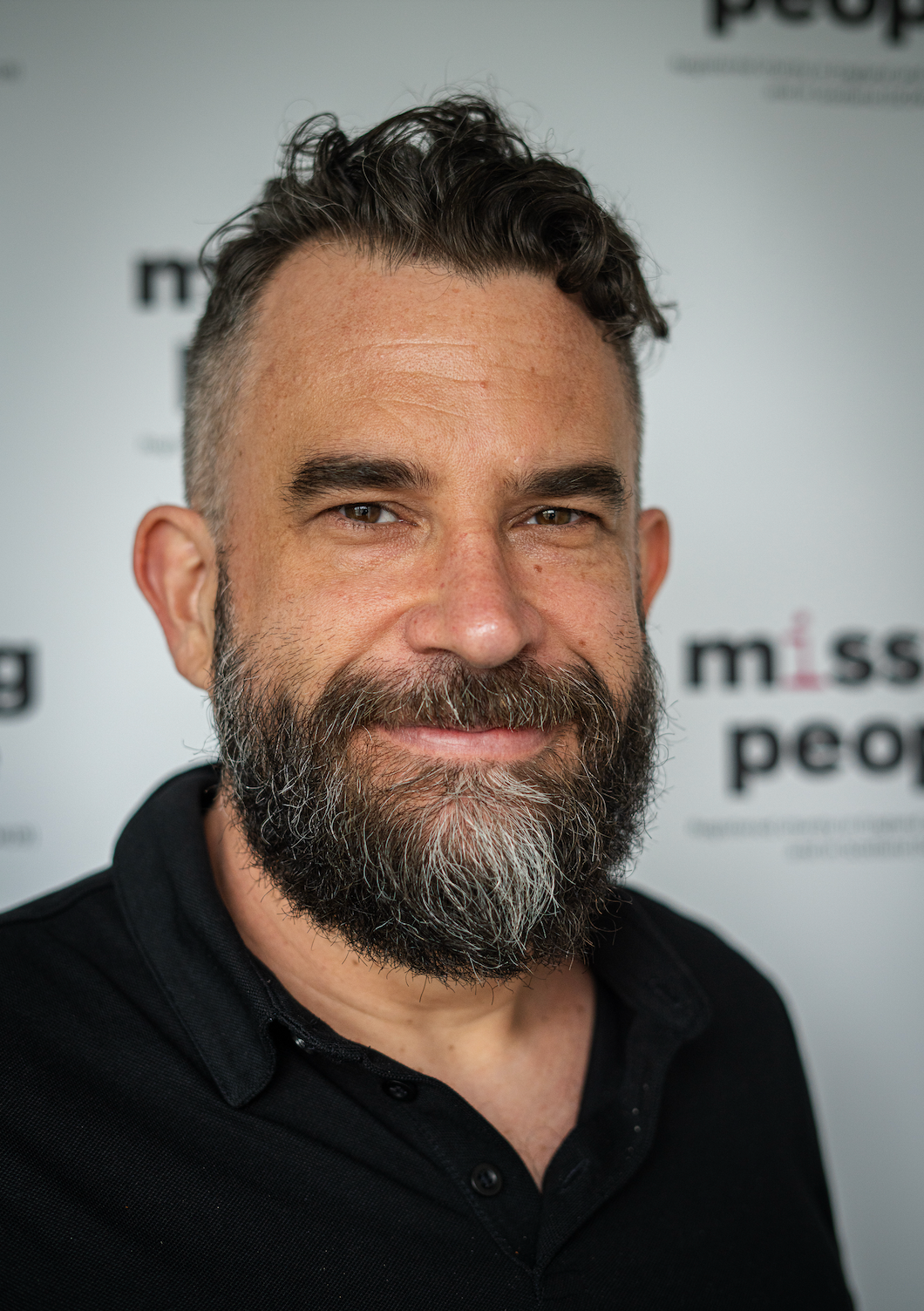
Paul Joseph, the head of helplines, said: “We’ve been getting lots of contact from young people on all our channels. Some have been thinking they need to leave home, some are already away or facing exploitation.
“We’ve been told by some of them that it’s really good to have someone different to talk to about what’s going on.
“SafeCall provides a vital connection for young people in a time when big societal, global and economic factors are impacting their wellbeing and sense of safety.”
With the support of our readers and the backing of high-profile figures such as Sir Keir Starmer, Kate McCann, Sir David Beckham and Childline founder Dame Esther Rantzen, The Independent and Missing People’s SafeCall campaign raised vital funds to launch the helpline and raise awareness of children who have gone missing and remain missing.
Thanks to an extraordinary outpouring of public support, the free, round-the-clock service can now offer support, safety and connection when children need it most.
Please donate now to The Independent and Missing People’s SafeCall campaign, which has raised £165,000 to create a free, nationwide service helping vulnerable children find safety and support.
For advice, support and options if you or someone you love goes missing, contact SafeCall.org.uk
If you are experiencing feelings of distress, or are struggling to cope, you can speak to the Samaritans, in confidence, on 116 123 (UK and ROI), email [email protected], or visit the Samaritans website to find details of your nearest branch. If you are based in the USA, and you or someone you know needs mental health assistance right now, call or text 988, or visit 988lifeline.org to access online chat from the 988 Suicide and Crisis Lifeline. This is a free, confidential crisis hotline that is available to everyone 24 hours a day, seven days a week. If you are in another country, you can go to www.befrienders.org to find a helpline near you.