Heavy social media engagement is contributing to a stark decline in the well-being of young people, with teenage girls in English-speaking countries and Western Europe experiencing particularly worrying effects, according to a new global report.
The World Happiness Report 2026, published by the Wellbeing Research Centre at the University of Oxford, highlights a significant drop in life evaluations among under-25s across the United States, Canada, Australia, and New Zealand over the past decade.
It strongly suggests that prolonged hours spent scrolling through social media platforms are a key factor in this concerning trend.
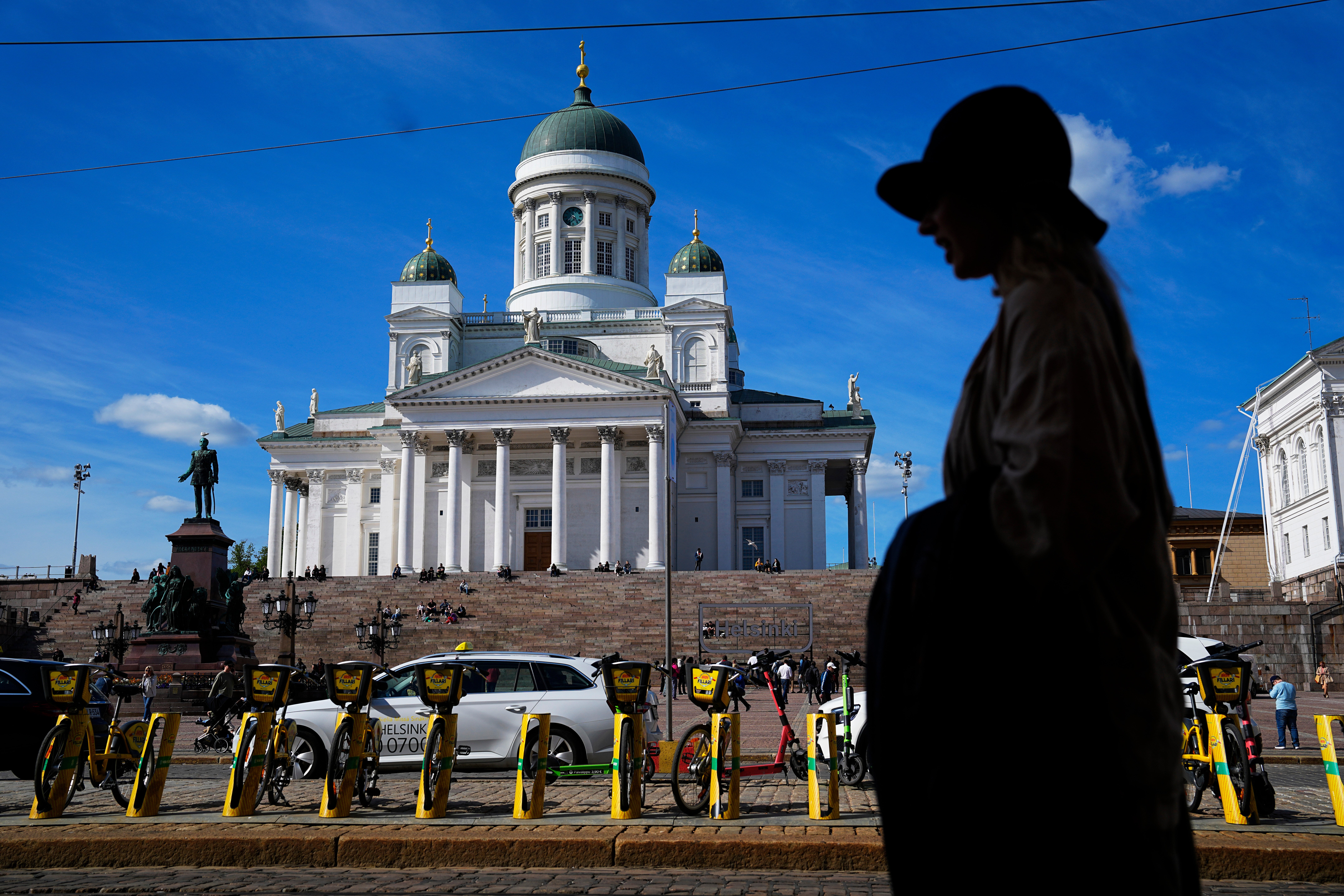
Meanwhile, the annual report once again crowns Finland as the world’s happiest nation for the ninth consecutive year. Other Nordic countries, including Iceland, Denmark, Sweden, and Norway, consistently feature among the top ten.
In a notable shift, Costa Rica has made a significant leap into the top five, securing fourth place this year after climbing from 23rd position in 2023.
The report attributes that to well-being boosts from family bonds and other social connections.
“We think it’s because of the quality of their social lives and the stability that they currently enjoy,” said Jan-Emmanuel De Neve, an Oxford economics professor who directs the Wellbeing Research Centre and co-edits the World Happiness Report.
“Latin America more generally has strong family ties, strong social ties, a great level of social capital, as a sociologist would call it, more so than in other places,” he added.
The report said Finland and the other Northern European countries’ steady ranking on top is related to a combination of wealth, its equal distribution, having a welfare state that protects people from the risks of recessions, and a healthy life expectancy.
As in previous years, nations in or near zones of major conflict remain at the foot of the rankings. Afghanistan is ranked as the unhappiest country again, followed by Sierra Leone and Malawi in Africa.
Country rankings were based on answers given by around 100,000 people in 140 countries and territories who were asked to rate their own lives. The study was done in partnership with the analytics firm Gallup and the U.N. Sustainable Development Solutions Network.
In most countries, approximately 1,000 people are contacted by telephone or face-to-face each year.

Respondents were asked to evaluate their lives on a scale from 0 to 10. Among under-25s in English-speaking and Western European countries, that score dropped by almost one point over the past decade.
The report said the negative correlation between well-being and extensive social media use is particularly concerning among teenage girls. For example, it said that 15-year-old girls who use social media for five hours or more reported a drop in life satisfaction, compared to others who use it less.
Young people who use social media for less than one hour per day report the highest levels of well-being, researchers said, higher than those who do not use social media at all. But adolescents are spending an estimated average of 2.5 hours a day on social media.
“It is clear that we should look as much as possible to put the ‘social’ back into social media,” De Neve said.
Researchers noted that in some parts of the world, such as the Middle East and South America, the links between social media use and well-being are more positive — and youth well-being has not fallen despite heavy social media use.
The report said this is due to many factors that differ between continents, but concluded that heavy social media use in some countries is an important contributing factor to the decline in youth well-being.
It said the most problematic platforms are those with algorithmic feeds, feature influencers and where the main material is visual, because they encourage social comparisons. Those who use platforms that mainly facilitate communication do better.
The 2026 rankings mark the second year in a row that none of the English-speaking countries appear in the top 10. The United States is at 23rd place, Canada is at 25th and Britain at 29th.
The report, with its focus on social media, comes at a time when more and more countries have banned or are considering bans of social media for minors.