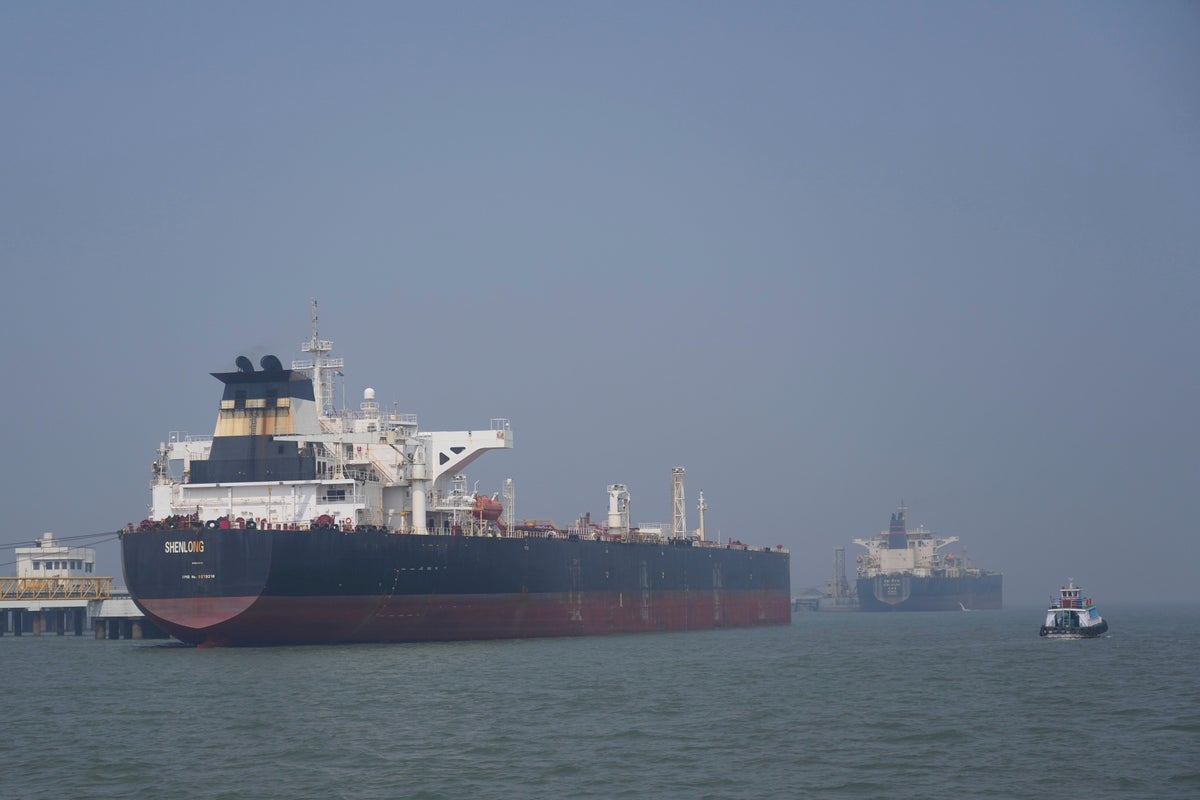
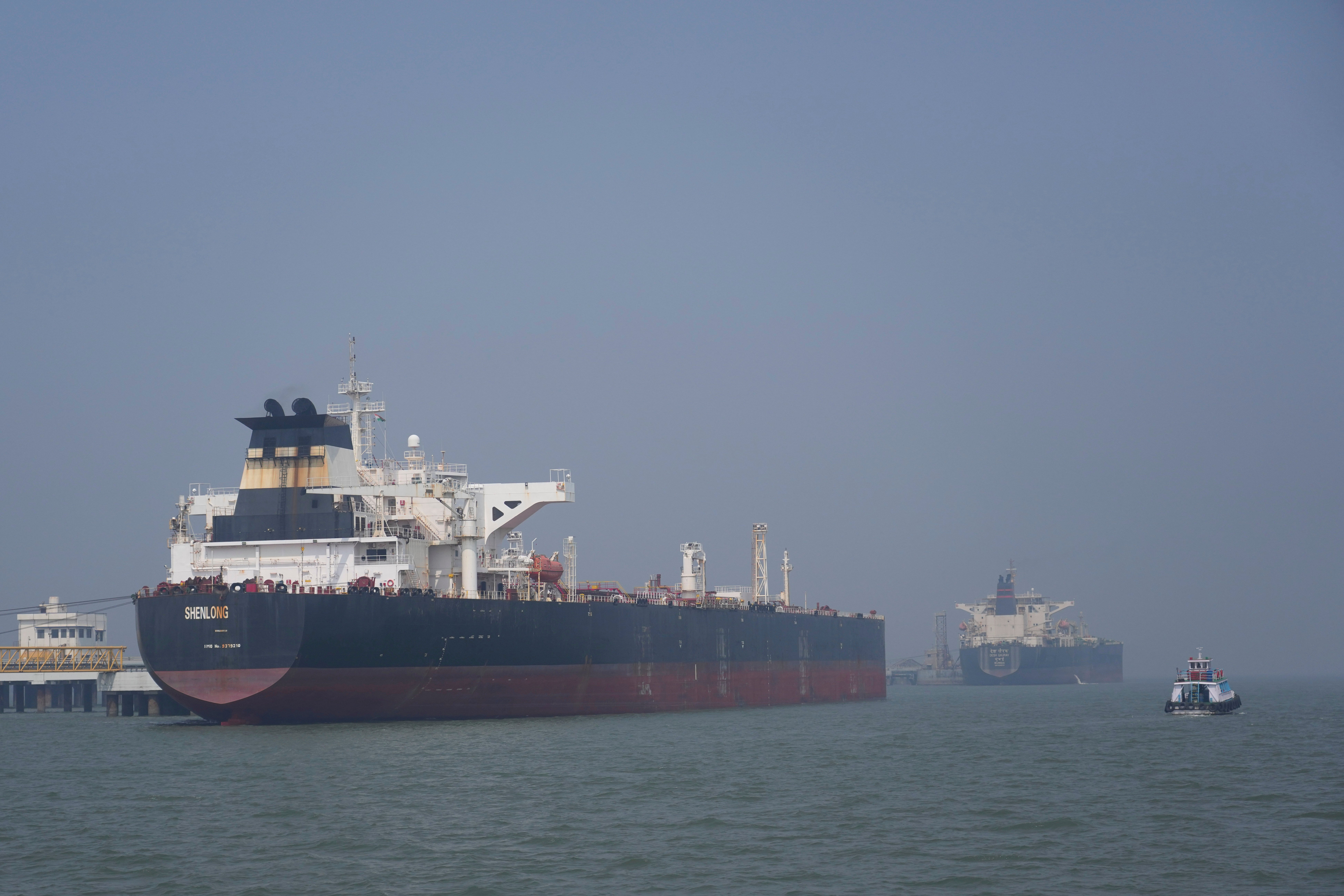
British military officers have been sent to the US to help with planning how to reopen the blockaded Strait of Hormuz amid soaring oil prices.
Prices spiked overnight on Thursday as attacks on energy facilities in the Middle East stepped up, heightening fears about major disruption to global supplies.
The price of Brent crude oil was rising by about 7 per cent to cross 114 US dollars a barrel on Thursday morning, meaning it was closing in on the highest level since the conflict escalated at the end of February.
It followed reports that Israel launched an attack against Iran’s South Pars gas field.
It is understood a small team of UK military planners have been sent to US central command at MacDill Air Force Base, in Tampa, Florida, which is responsible for American military operations in the Middle East.
The officers are there to help put together options for how to open up shipping through the route, amid fears that it now contains mines.
But defence sources stressed the situation in the Strait of Hormuz was so dangerous that not many nations would be willing to put warships “in the middle of that threat right now”.
US president Donald Trump has suggested he could wash his hands of the problem once his military attacks had “finished off” Iran, leaving it to countries reliant on oil and gas exports through the waterway to secure it.
Armed forces minister Al Carns said: “In 1987 when this last happened, it took 30 warships to escort in the Strait of Hormuz. That gives you just an example of the resources required.”
He said the situation was even more complex now, with Iran’s arsenal including fast attack boats, different kinds of mines, ballistic missiles and unmanned drones in the air, on the sea and beneath the waves.
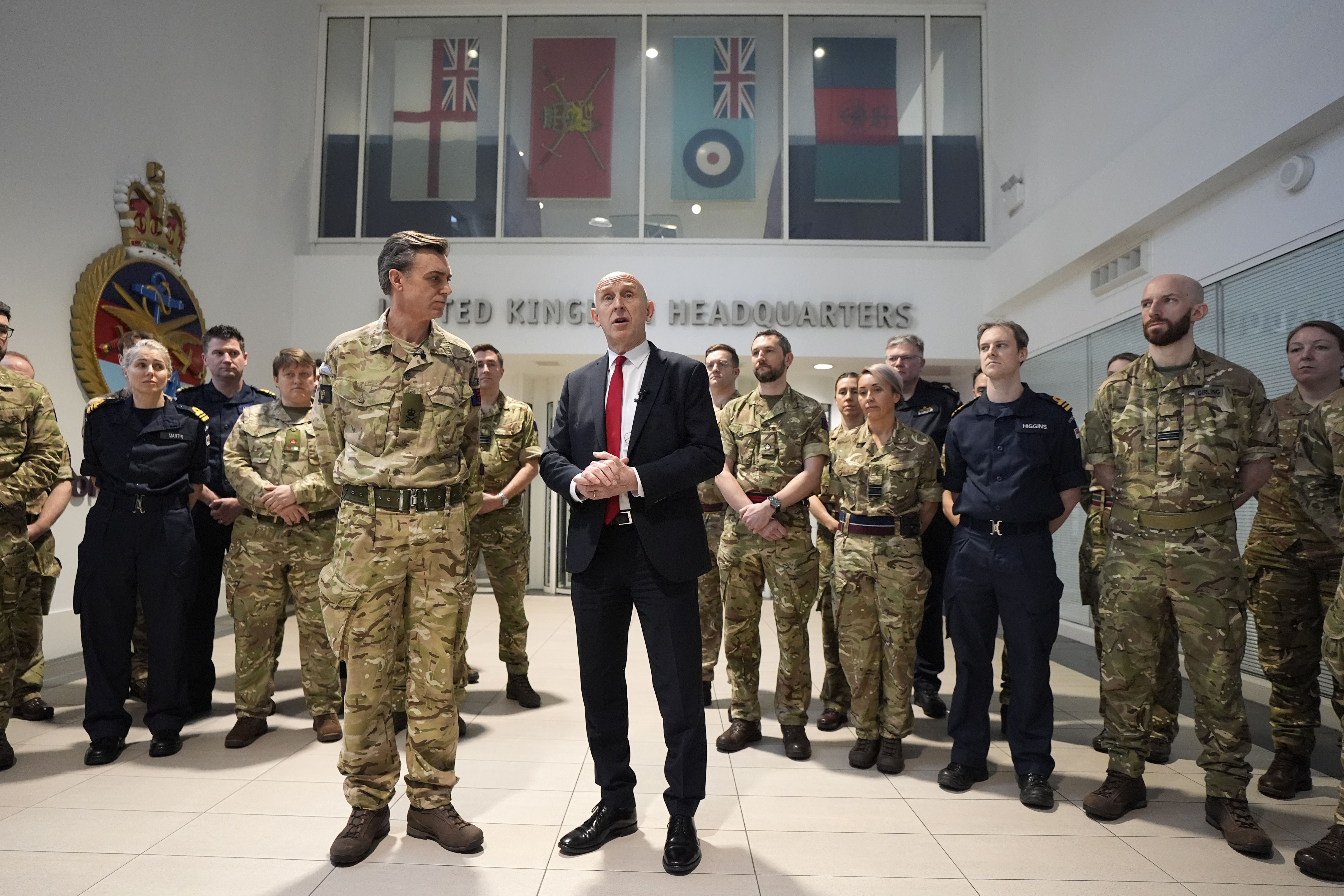
Mr Carns said: “I would say this must be a multinational solution. We’re not anywhere near that at the moment, but I would say one thing: that there’s one thing worse than working with allies, and that’s working without them.”
Meanwhile, defence secretary John Healey discussed the situation with counterparts from France, Germany, Italy and Poland on Wednesday.
“We are working with allies to reinforce regional security and protect British interests,” Mr Healey said.
Another senior defence official said the situation was “incredibly fluid”, and “the level of threat is such that I don’t see many nations being willing to put warships into the middle of that threat right now”.
Mr Trump has repeatedly berated countries including the UK for failing to respond to his request for support in the maritime chokepoint.
In a post on his Truth Social platform, Mr Trump said: “I wonder what would happen if we ‘finished off’ what’s left of the Iranian Terror State, and let the Countries that use it, we don’t, be responsible for the so called ‘Straight?’ (sic)
“That would get some of our non-responsive “Allies” in gear, and fast!!!”
At Prime Minister’s Questions on Wednesday, Sir Keir defended his approach, insisting he would not allow UK forces to be drawn into a “wider war”.
Iran has closed off the strait to most shipping, with commercial vessels coming under attack.
Sir Keir said: “I want to see this war end as quickly as possible. The longer it continues, the bigger the impact on the cost of living. And that’s why we intervened to support households with costs of heating oil.
“The best way forward is a negotiated settlement with Iran giving up any aspirations to develop a nuclear weapon.”
The UK has sent air defence destroyer HMS Dragon to help defend Cyprus from drones and missiles but the vessel has not yet arrived in the eastern Mediterranean.
The destroyer was seen leaving Gibraltar overnight.
Royal Navy and RAF pilots have flown 650 hours on operations in the Middle East and British forces have brought down more than 40 drones since the crisis began.