



The NHS is in a “perilous” state and would struggle to cope with a second pandemic as overcrowded hospitals buckle under even day-to-day demands, top doctors have warned.
Health leaders said overrun emergency departments, an explosion of corridor care and soaring waiting lists meant hospitals are in a much worse position to take on extra pressures such as those that came with a sudden influx of patients seen during the height of the Covid-19 crisis.
And they warned that they had seen “little evidence” of adequate planning for future pandemics, claiming lessons have not been learned.
Their warning comes as the Covid inquiry’s latest report, to be published on Thursday, is expected to lay bare the harrowing impact the pandemic had on the NHS and its patients. In the report, health leaders and senior medics have described scenes “from hell” on intensive care wards, with staff running out of body bags and sick patients “raining from the sky”.
Dr Ian Higginson, president of the Royal College of Emergency Medicine, told The Independent: “I’ve not seen any active evidence anywhere of people planning for the next [pandemic]. Our hospitals are in a much more perilous state than they were before the last pandemic. From our perspective, our departments are much more overcrowded, and our hospitals are under even more pressure than they were before.
“We’re more fragile… It doesn’t take much to bring a hospital to its knees currently.”
Six years on from the pandemic, the latest NHS figures expose the grim picture of the pressures the health service is facing. Data shows:
- A record 71, 517 patients waited for more than 12 hours in A&E in January 2026 – up from 627 in January 2019
- Surgery waiting lists soared to 7.2 million patients in January 2026, up from 4.27 million in 2019
- The NHS waiting list for mental healthcare stands at almost 1.8 million
- Around 1.1 million people are waiting for community care
Dr Vicky Price, president of the Society of Acute Medicine, told The Independent that if another pandemic were to hit, hospitals would be “in a lot worse position”, with wards more “stretched” than in 2019 – routinely having to take on more patients than they have beds for.
“You’ve got patients in a corridor or in an overcrowded emergency department. If you have a condition that’s just like Covid-19, it will be a disaster for all the patients and staff working in those departments,” she said.
‘Failure to plan’
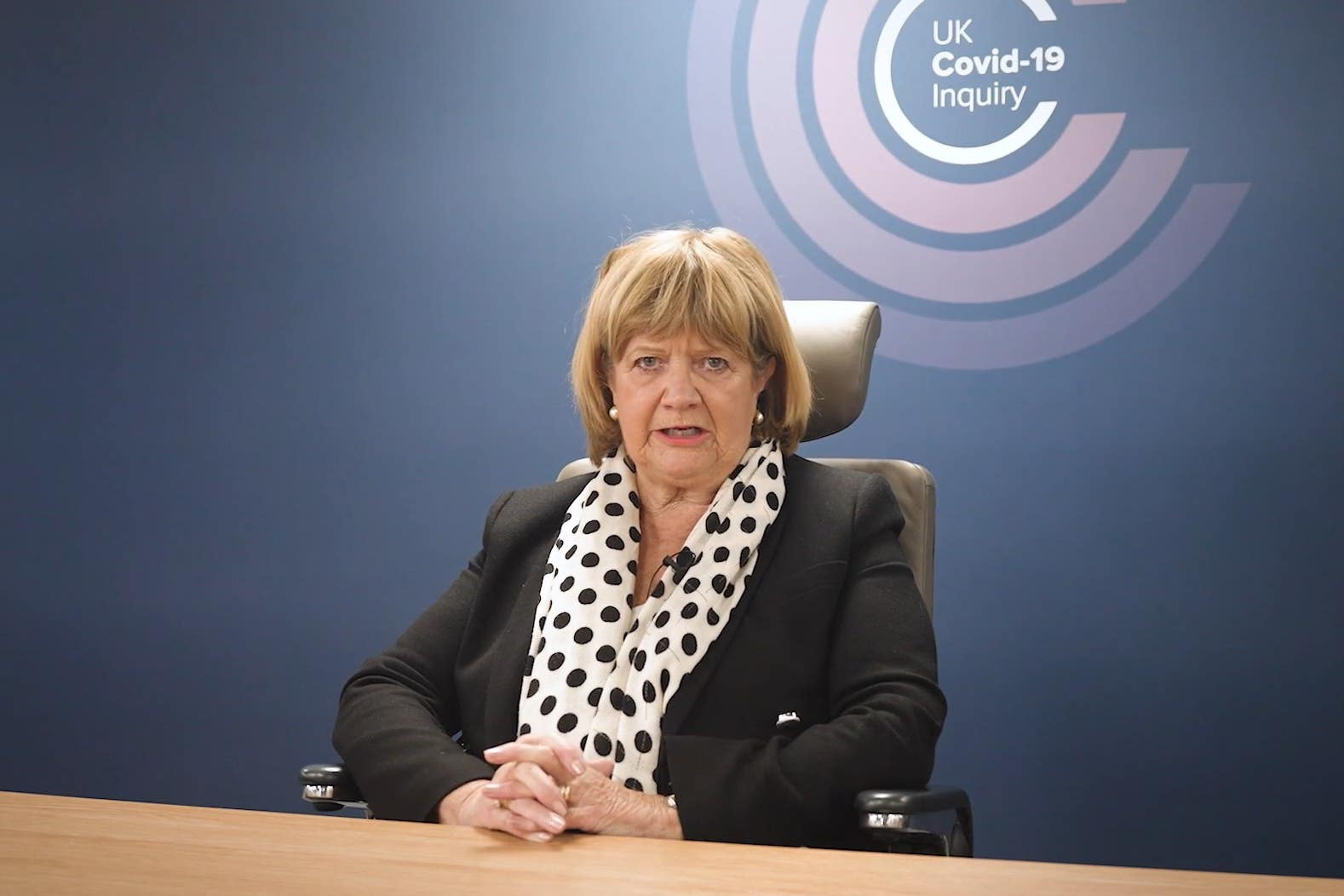
During the Covid inquiry, chaired by Baroness Heather Hallett, former NHS England medical director, Sir Stephen Powis, said he was “terrified” the pandemic would overwhelm hospitals, with wards so overrun that care had to be rationed.
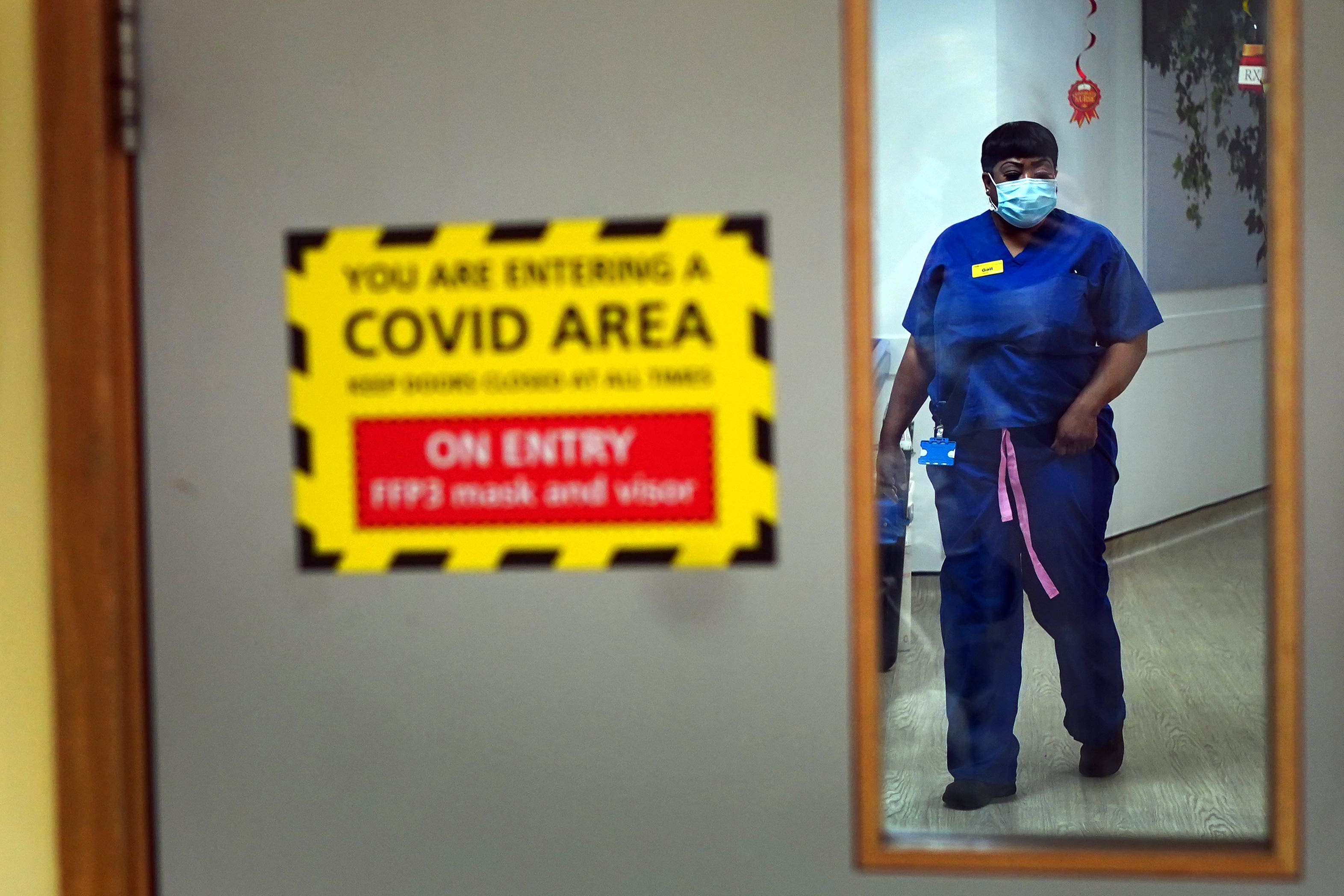
Staff described the “life-changing and soul-destroying” impact of the crisis, with 860 Covid-related healthworker deaths, and told how hospitals struggled to get adequate protective equipment, with staff forced to wear makeshift gear out of bin bags.
Dr Shondipon Laha, an intensive care doctor and president of the Intensive Care Society, said that lessons learned during the pandemic had been lost “very rapidly” since, and he feared for hospitals’ ability to respond to similar major pressures in future.
“It’s not just about being ready for a pandemic. It’s being ready for a war… There are all of these things that the pandemic taught us and that we can do quickly, but those principles we’re not applying to any of our planning,” he said.
He said the national system to highlight empty critical care beds, implemented during the pandemic, was no longer in use – something the society is calling for to be reinstated.
Dr Laha added: “What we’re seeing is the NHS is going through a very tight economic process at the moment… I’m hearing from some trusts that they want to reduce ICU bed numbers because they’re expensive resources. I think anything that can be stopped has been stopped.”
Professor Mumtaz Patel, a consultant and president of the Royal College of Physicians, told The Independent the “hideous” rise in corridor care meant hospitals were already struggling to manage pressures and warned the “completely broken” social care sector was adding to the strain.
She said that while the college had held its own internal workshops on pandemic planning, she had not seen any on a system-wide scale. “The whole point of Covid and learning was that we would be better prepared if something like this were to hit tomorrow, heaven forbid, or sometime in the near future. But I do feel that preparedness is not there,” she added.
‘Burnt out staff’
The leading medics also warned that staff are experiencing more burnout than before the pandemic, at a time when tough financial cuts to services are adding to pressures.
Dr Price said while staff went “above and beyond” in 2020, there was “a lot more fatigue” now, adding: “I would really worry about the effect that [a future pandemic] would have on people because they are absolutely burnt to the ground already.”
Dr Laha said ICU staff were “sacrificing their quality of life” for patients, by working overtime and extra shifts, but that had resulted in “significant burnout post-pandemic”. “I think we’re at a worse point than we were during the original pandemic… we would have to cope, but it would come at the expense of our staff,” he said.
In February, the NHS’s annual staff survey revealed more than a third of employees reported feeling burnt out, while just 32 per cent said they felt they had enough staff in their organisation.
Baroness Hallett examined all aspects of the NHS during the Covid crisis, including how managers led the pandemic response, the role of GPs, NHS backlogs and how the vaccine programme was integrated, the findings of which will be reported on Thursday.
A DHSC spokesperson said: “We are getting the NHS back on its feet through investment and wholescale reform. We’re making progress, with waiting lists at their lowest level for almost three years and more people getting treated within 18 weeks.
“We take pandemic preparedness extremely seriously, and the government recently took part in Exercise PEGASUS, the largest simulation of a pandemic in UK history. We will shortly be publishing a renewed pandemic preparedness strategy informed by the exercise.”
