



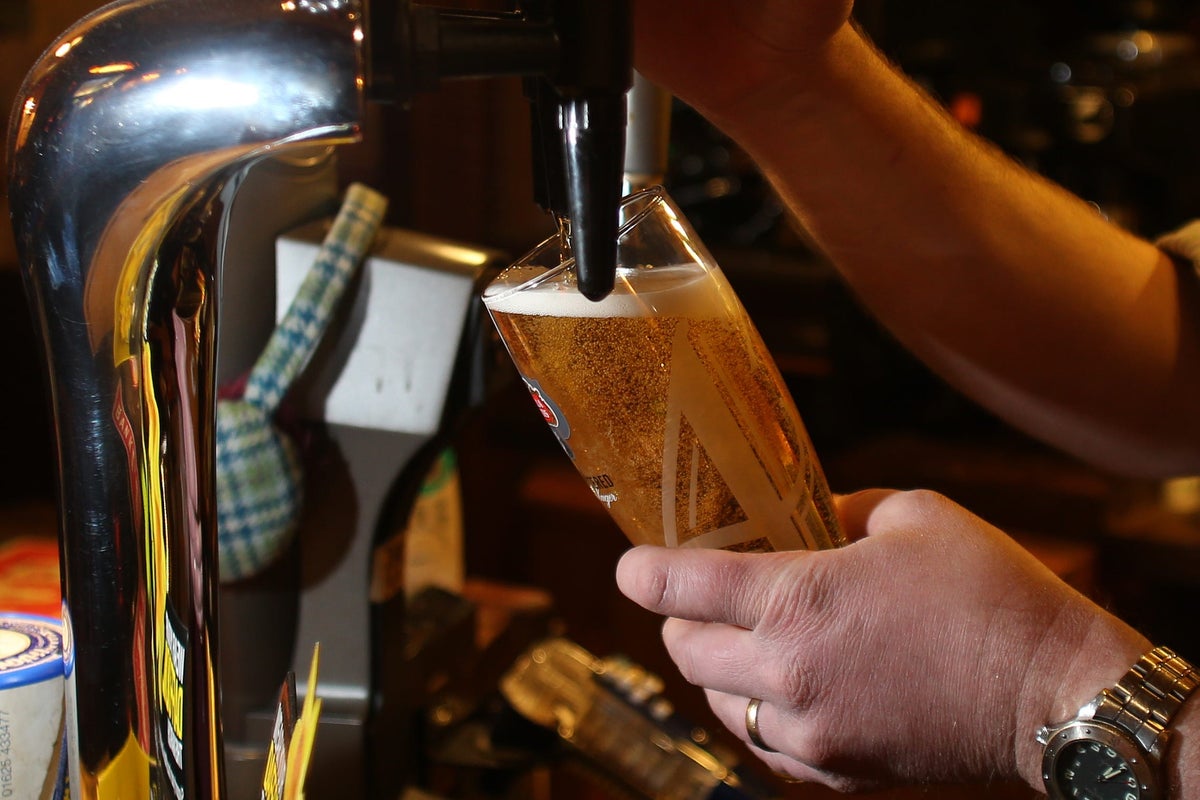
Greene King, Britain’s second-largest pub group, is planning to sell up to 150 of its managed sites and convert another 150 into tenanted pubs.
This major shake-up of its estate comes amid soaring costs and a tougher trading climate.
The group is hiving off about 300 managed pubs into a new business division, with roughly half earmarked for sale.
Around 20 of its 1,500 managed pubs are also set to close, though the company noted this aligns with typical annual changes. Impacted staff will be offered jobs elsewhere within the business.
Greene King stated the overhaul is a response to a changing consumer and trading environment. The pub sector faces immense cost pressures from rising wage bills, increasing business rates, and a difficult consumer spending backdrop.
While the Government has announced a package of temporary support for pubs to offset business rate hikes, the industry has argued it does not go far enough.
Nick Mackenzie, chief executive of Greene King, said: “We are confident that our new pub estate strategy will set us up to deliver sustainable profitable growth for the long term as consumer habits continue to evolve and the operating environment remains dynamic.”
The firm plans to reinvest a “substantial” amount of cash raised from the sale of managed pubs into its remaining core estate.
It said: “In the meantime, the separate business unit will allow Greene King to run the sites on a simplified model, with a renewed focus on maximising financial returns.”
Greene King has around 2,500 pubs in total, including 1,000 that are leased, tenanted and under franchise.

At the beginning of the year, Rachel Reeves offered pubs a 15 per cent cut in business rate bills.
The support, which the Treasury has said is worth £1,650 for the average pub next year, came after warnings that a decision in the chancellor’s Budget to end the rate relief brought in during the Covid pandemic would lead to mass closures and job losses.
The Channelor has faced a backlash from Labour MPs, pub landlords and business owners over the “wholly inadequate” cut in business rates bills.
