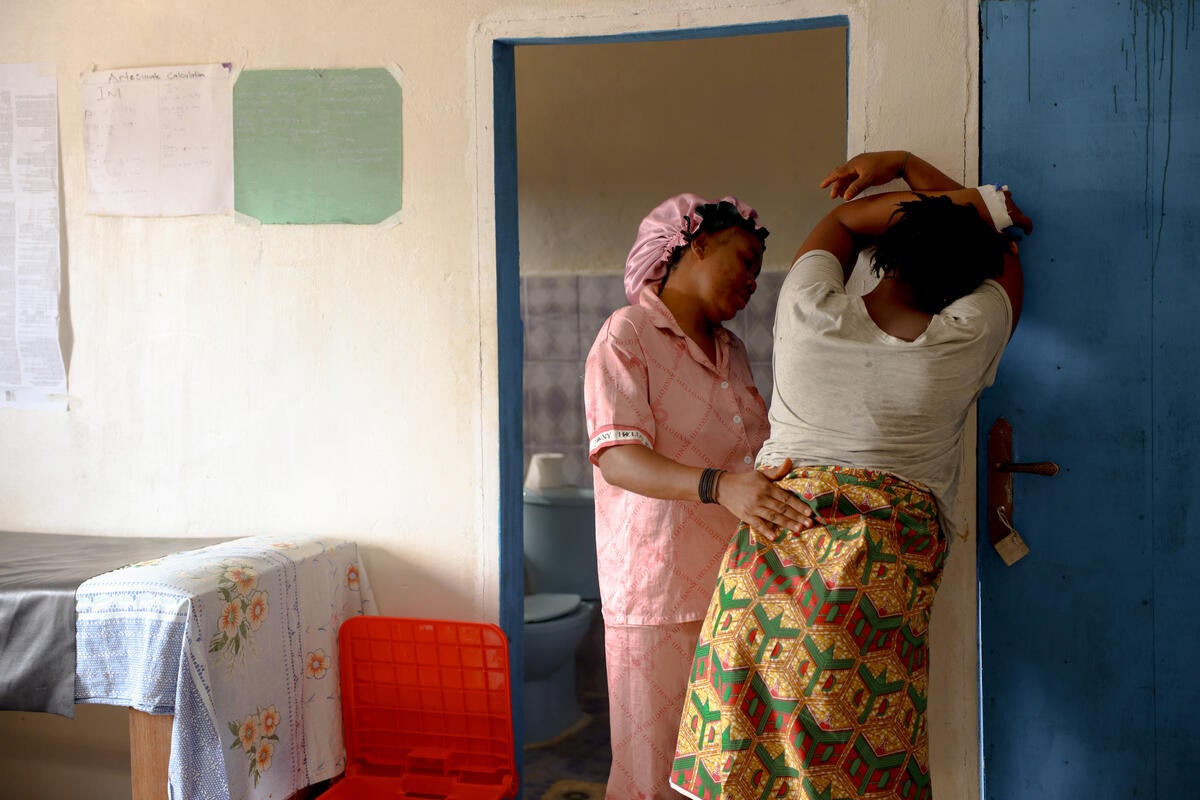
At Diah Clinic in Liberia, when a woman enters labour, the midwife’s first task is not to check the baby’s heartbeat or take a blood pressure reading. It’s to walk to the pond and carry water back to the ward. Without it, nothing else is possible.
For Shanette Khauala, a midwife who has worked at the clinic for three years, those minutes can be critical. If a woman arrives in active labour, she explains, the time it takes to find water can mean she is left unattended at the most dangerous point of delivery.
“If the patient is brought here in labour, the time it takes me to go and look for water, she might deliver and she would need my attention immediately, but I’m not around because I am looking for water,” she says. “That could cause significant harm to either the mum or the baby. I’m looking for water, so she could even bleed to death.”
Shanette is one of thousands of midwives and nurses working across sub-Saharan Africa in conditions that would be unthinkable in a British hospital. New research published today by WaterAid reveals the scale of the crisis and that women who develop maternal sepsis in sub-Saharan Africa are 144 times more likely to die than those in Britain, Europe and North America.
Across ten countries surveyed, 78 per cent of maternity wards have no functioning toilet, 66 per cent lack clean water and soap for staff to wash their hands and 65 per cent have no proper cleaning provision. Three in four women on the continent give birth in such conditions. Thirty-six die every day from maternal sepsis as a result.
Josephine is a registered nurse and community health services officer at a clinic in Zambia, where she has worked since 2019. Last year, the clinic moved to a new building which was, she says, a significant improvement with more space and greater privacy for patients. There is now a pharmacy – stocked with roughly 30 per cent of the medications they need – and toilets on the labour ward. Progress, of a kind, but, Josephine concedes: “To flush the toilet we need to collect water from the pond to throw in.”
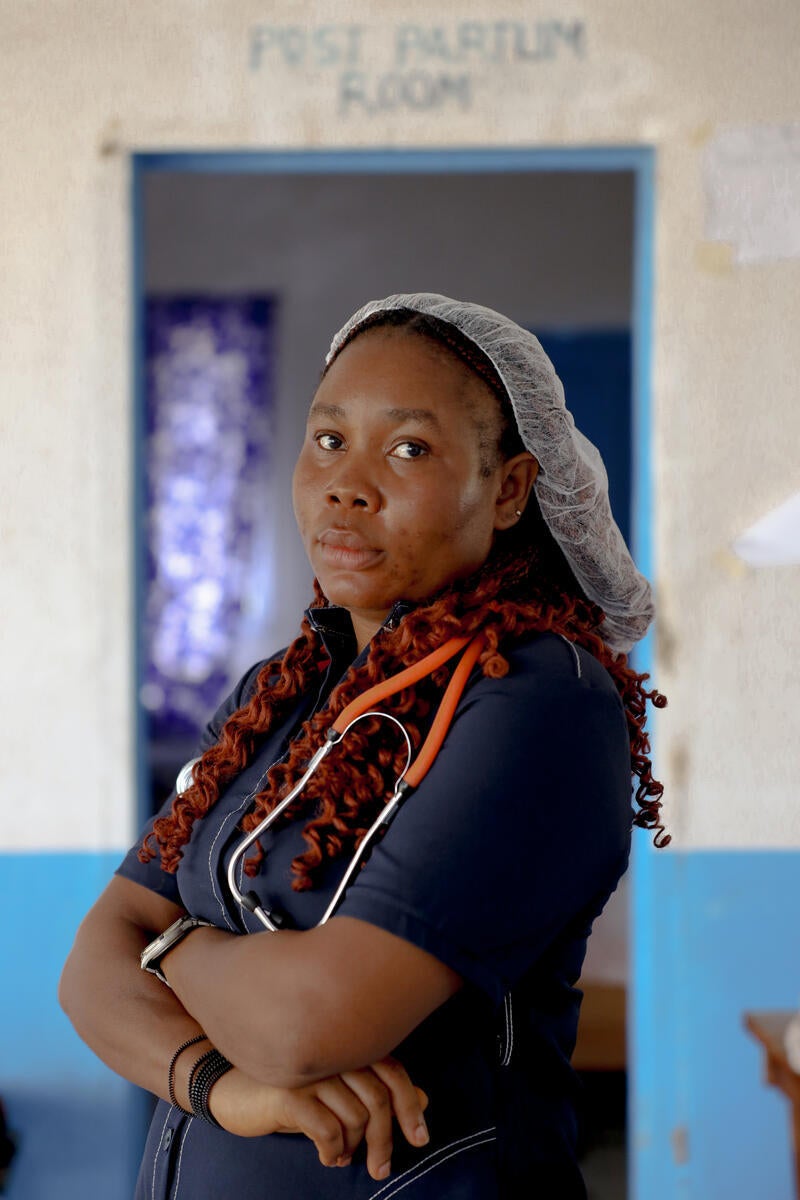
The absence is constant, shaping even the most basic task such as after a delivery when the room should be cleaned and instruments sterilised. But staff must first find water – leaving patients, even briefly, at precisely the moment they may need care most.
“After the baby is born, we have to go and get water to clean the place. Everything dries out”, she says.
Back in Liberia, Shanette is already anxiously preparing for the dry season because when the rains stop, even the pond water becomes harder to reach. She says: “We have to go two or three times to get water. Then we have to clean the place in a hurry. You could slip when carrying the bucket of water up to the clinic.”
She describes the difference the clinic can make and the importance of hospital care, in a country where many women don’t make the journey to hospital, even without water. Here, she can sterilise instruments, monitor for haemorrhage and watch for signs of infection. There are protocols, however fragile, but at home, she says, there are none.
Shanette continues: “At the home, they just do the delivery. If the child is born with any problems, they won’t be able to treat them right away.”
WaterAid calculates that investment in water, sanitation and hygiene across healthcare settings could halve cases of maternal sepsis. The UK government’s overseas aid budget for water and sanitation has fallen from £206.5 million in 2018 to £80 million in 2024, with further cuts anticipated.
Without running water, each safeguard is compromised, each step interrupted. If that changed, Shanette says, the transformation would be immediate.
“We could wash the mother and clean the child. Then we could wash all of our instruments and spaces in the delivery and postpartum rooms.” Then we could focus on monitoring the vitals of the baby and the mother.” A pause, before saying: “If I could have this, I would become a happy woman.”
Sign the WaterAid Time to Deliver petition here
This article has been produced as part of The Independent’s Rethinking Global Aid project