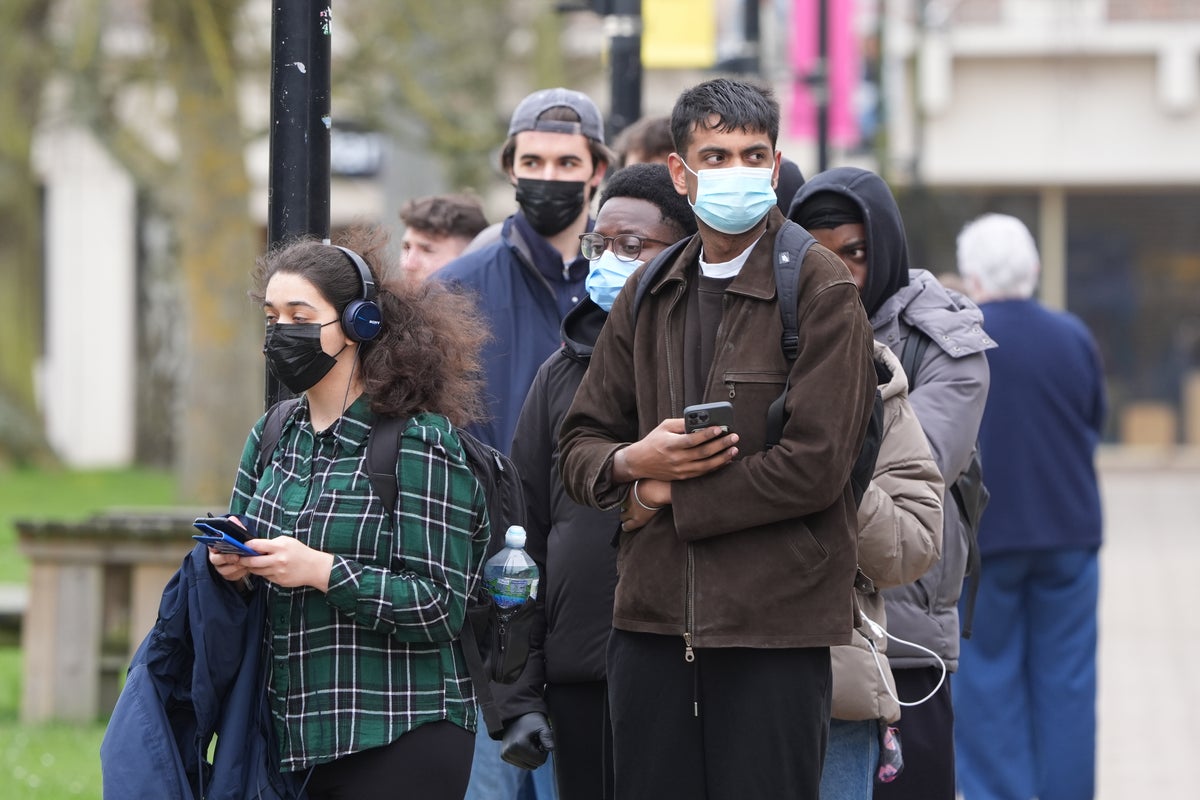
As students formed a queue outside the University of Kent’s Senate building, an eerie silence filled the campus.
After two people – a student at the university in Canterbury and a year 13 pupil called Juliette from Queen Elizabeth’s Grammar School in Faversham – died and 13 more have been hospitalised following an outbreak of meningitis in Kent, precautionary antibiotics were being handed out for a second day.
The UK Health Security Agency (UKHSA) confirmed on Tuesday that the strain of meningitis B, known as menB, is behind at least four of the cases in the outbreak. The university called the situation “very sad and worrying”.
By 9am, dozens of students were waiting to collect the medicine, and the mood in the queue was an anxious one.
Those waiting stood well apart and wore masks not seen en masse since the Covid pandemic. Those without masks fashioned face coverings with scarves and jumpers. Few were talking.
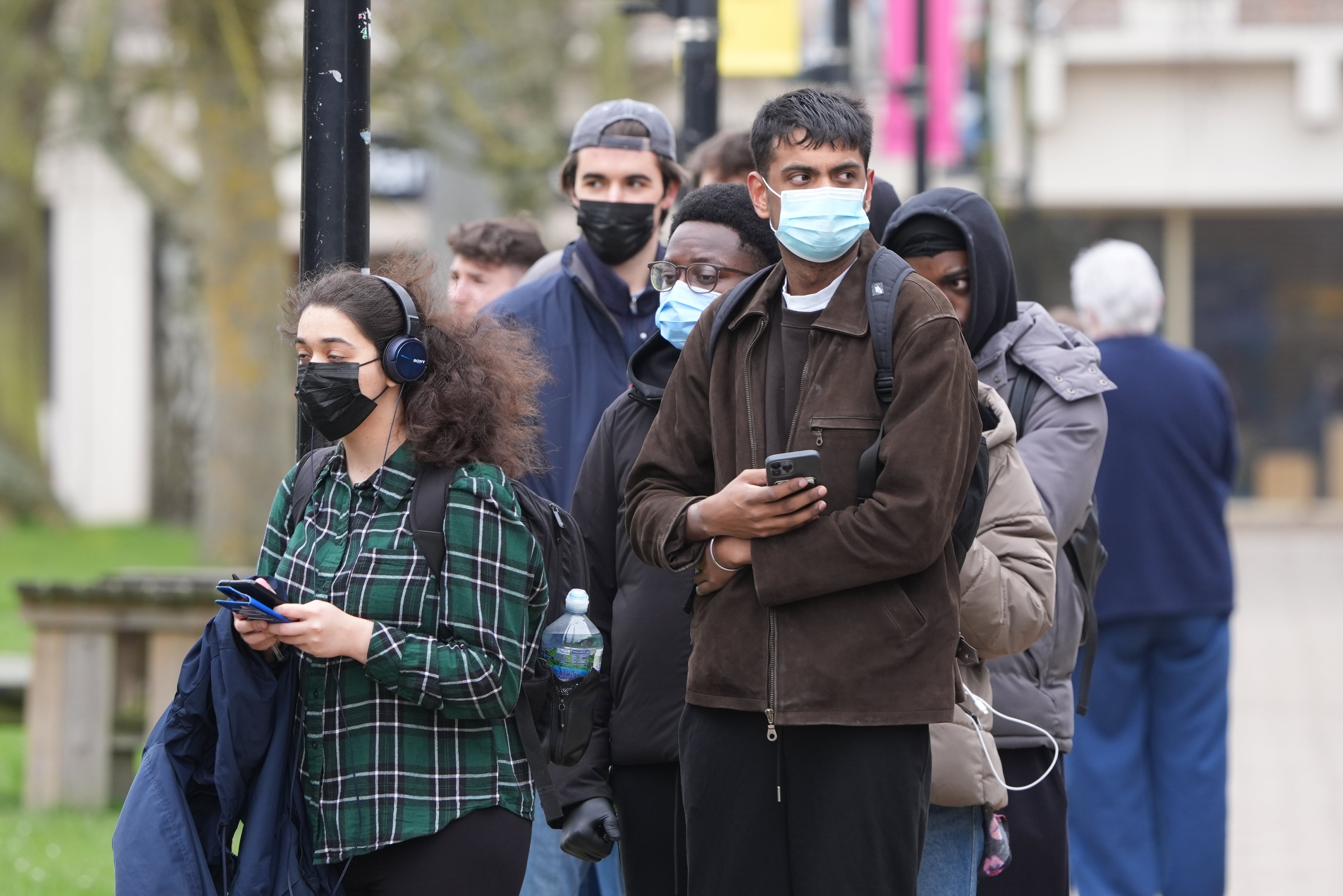
It is exam season at the university, but assessments have been moved online since the outbreak. The student union’s St Patrick’s Day party had also been cancelled, so the only real footfall on campus was those collecting their antibiotics.
Among them was Harvey Bennett, a 21-year-old cell biology master’s student from Deal in Kent.
About the feeling on campus, he told The Independent: “There’s a little bit of tension, I guess, because obviously we haven’t had anything happen like this before.
“I thought I’d come down here today, it’s better to be safe than sorry.”
The scenes redolent of the pandemic that met him at the Senate building took him by surprise, however.
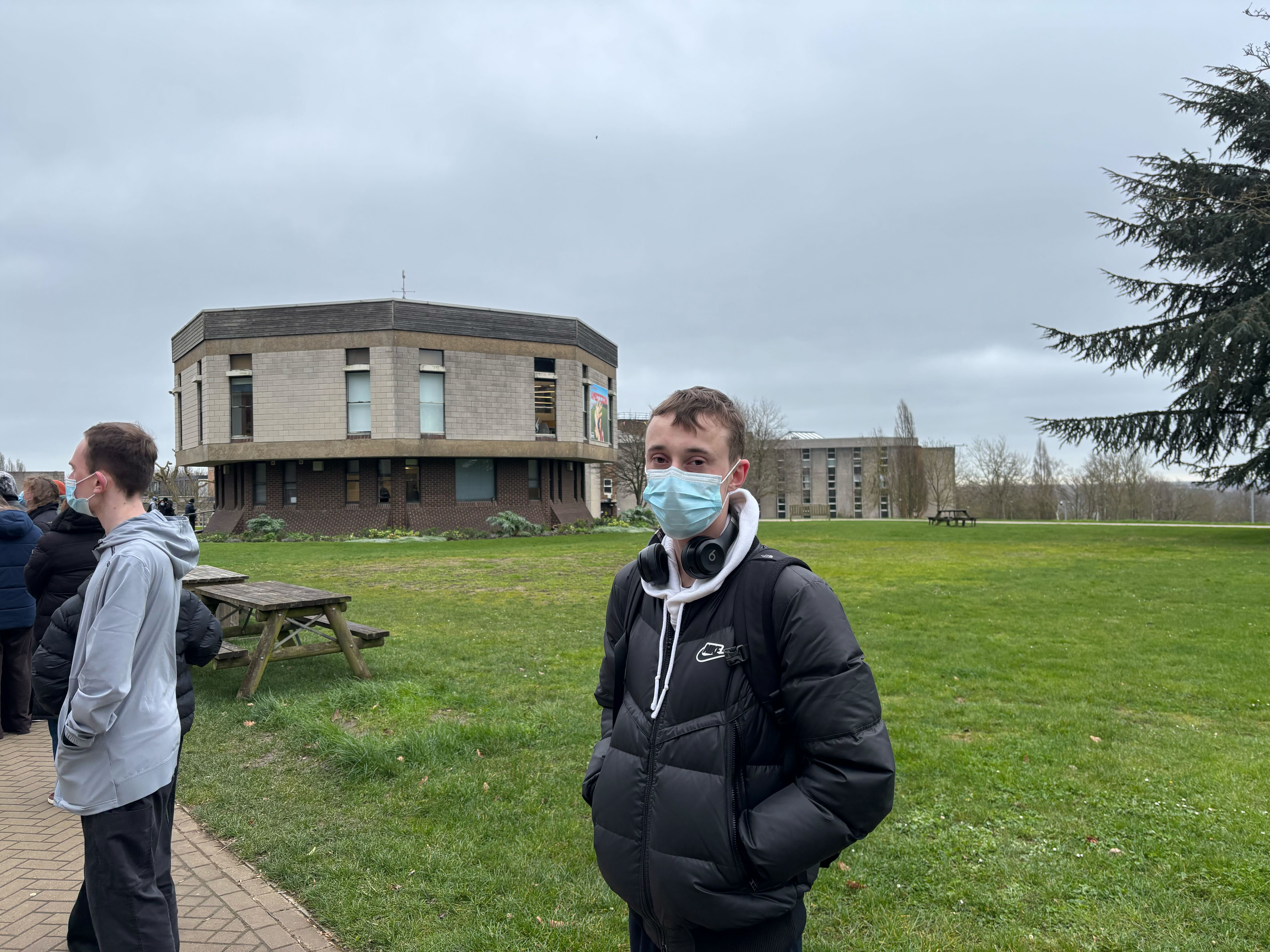
He added: “I didn’t realise everyone was going to be wearing face masks down here, so I came a little unprepared, but luckily they were handing them out.
“It definitely feels like we’re back in Covid, it’s weird.”
Second year biomedical science student Zyren Distajo, 21, said some of her friends had been sent into “hysteria”.
Ms Distajo told The Independent: “I have an immunology exam online later today, and the group chats have been either mass hysteria or people being like, ‘Oh, this is just like Covid.’
“It is very interesting going back into this type of situation. But I think a lot of people are just calming down because they realise that everyone being anxious isn’t going to do anything.”
Ms Distajo, from Grantham, believes that the outbreak will have a knock-on effect on student behaviour.
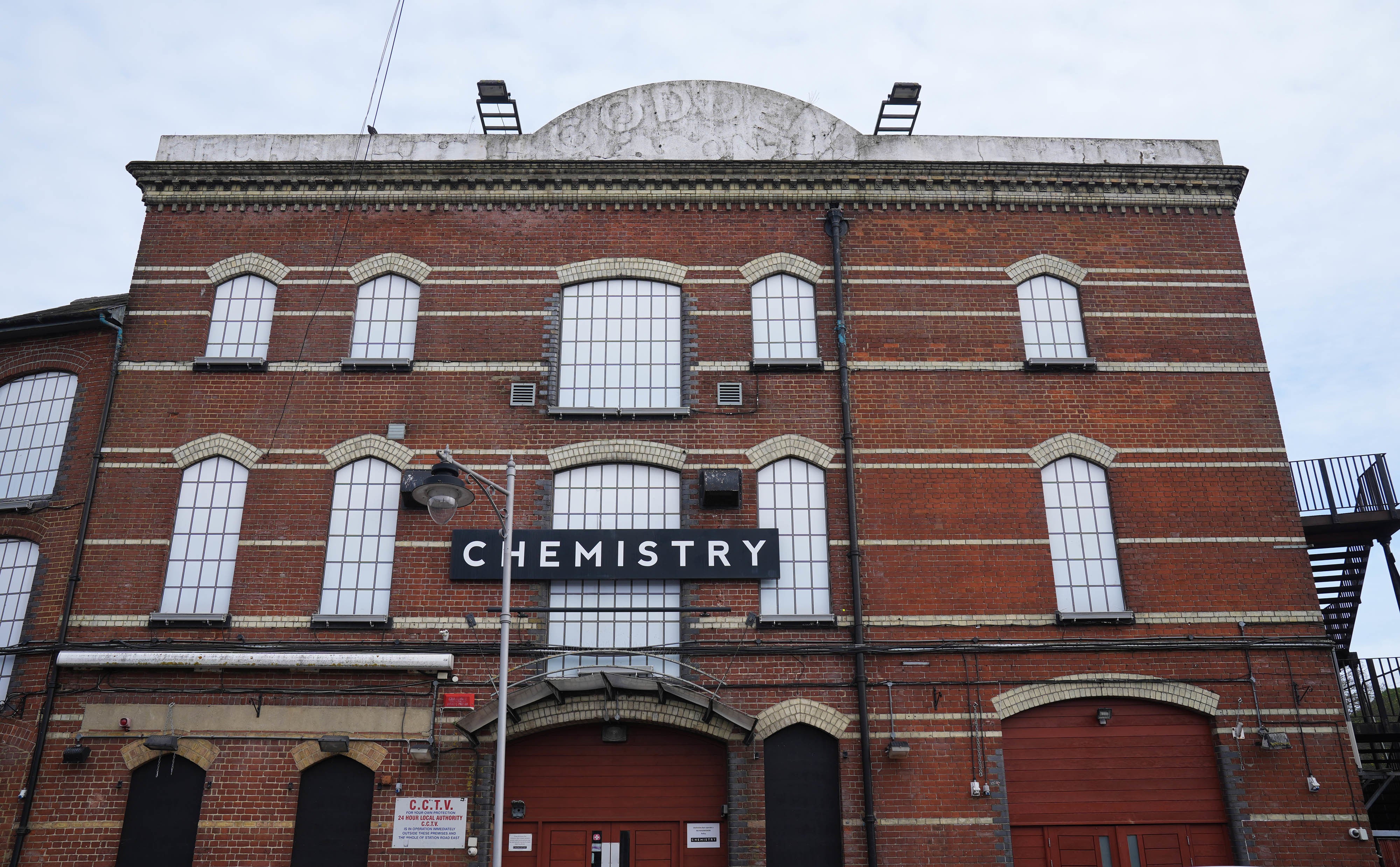
People who visited Canterbury nightclub Club Chemistry on 5, 6, or 7 March have been urged by the UKHSA to get antibiotics amid the outbreak as a “precautionary measure”, and local authorities are working to trace attendees.
The UKHSA said students are particularly at risk of missing the early warning signs of meningitis because they can be easily confused with other illnesses such as a bad cold, the flu or even a hangover.
About that, Ms Distajo said: “I’m in my second year. I’m less inclined to go clubbing anyway. It is definitely more of the first year and year 13 going out. And I guess that culture’s kind of ruined.
“I think people are just going to be less inclined to talk to strangers and to go out.”
So far, 700 doses of antibiotics have been given out to people who may need them around the Canterbury area. The government has also announced a targeted vaccination programme for University of Kent students, details of which will be announced in due course.
Wes Streeting told the Commons earlier on Tuesday the outbreak is “unprecedented” and “a rapidly developing situation”.
The health secretary also told MPs he was “confident” the UKHSA acted as “quickly and comprehensively as possible” in its response, after criticism it was too slow to act and inform the public.
Some students have decided to vacate the campus and head home early for Easter. Malek, 24, who didn’t wish to give his surname, said he was heading home after collecting his antibiotics, not wanting to put his parents at risk.
First-year military history undergraduate Matthew McKeague, 18, who travels to university from Hythe, also didn’t wish to spread the outbreak any further.
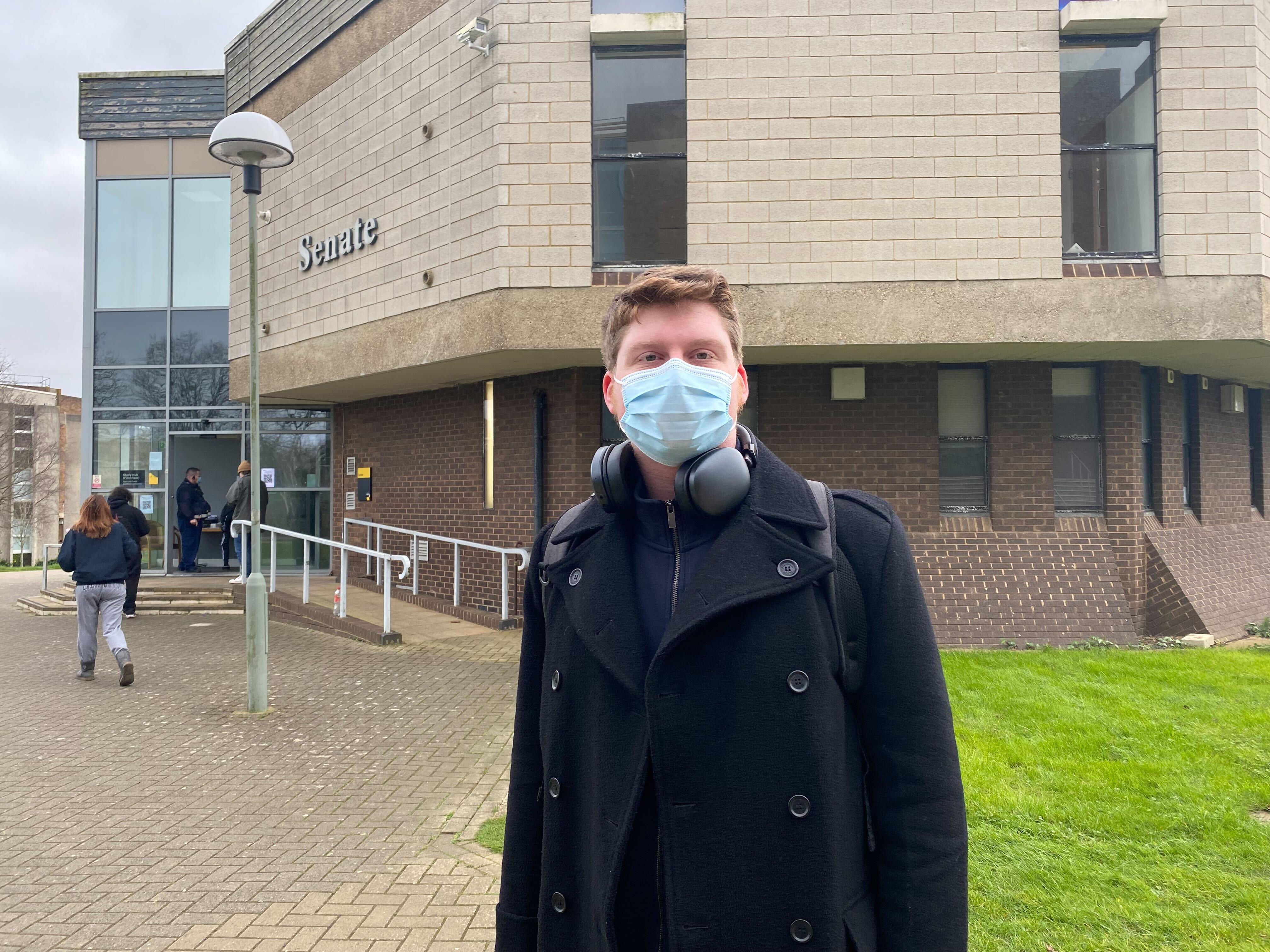
He said: “I’m a commuter, so it arguably seems more important, so I don’t risk spreading the infection outside of Canterbury.”
Asked about the atmosphere among his peers, Mr McKeague added: “There is obviously a sense of worry. There’s no great time for it to happen, but with exams, essays, and everything being done, it’s probably the worst time it could have happened.
“The only silver lining is that a lot of the students who live on campus, because it is approaching half-term, have gone home. So there are fewer people around in that sense.”
A university spokesperson told The Independent: “We recognise that this is a very sad and worrying time for our community and we are doing everything we can to offer advice and support.
“This is a regional public health matter and not specific to the university. The response is being led by the UKHSA and we are working with them and partners as the situation unfolds.
“Known contacts of existing cases in our community have been contacted and advised on next steps. Students impacted are being offered antibiotic treatment on our Canterbury campus.
“We have contacted all our students and staff to ensure they have all the latest advice and support they need, and we will continue to update via email and social media.”