

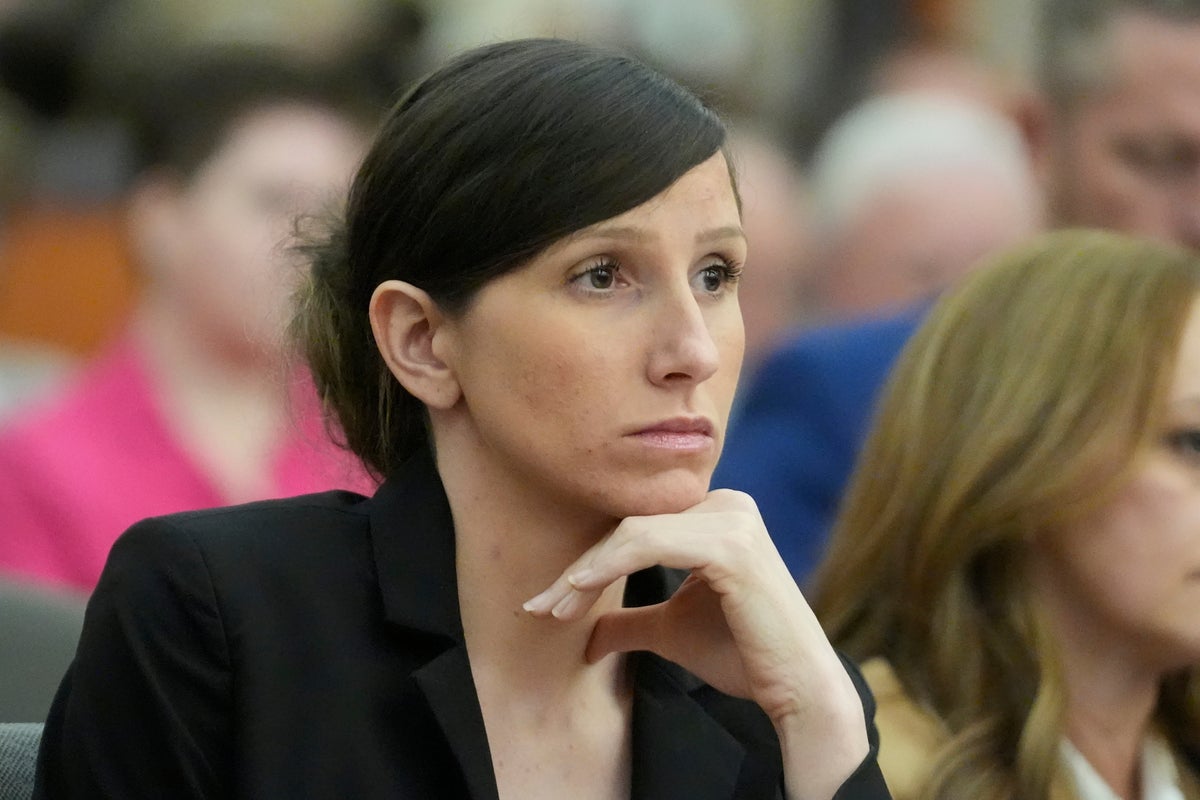
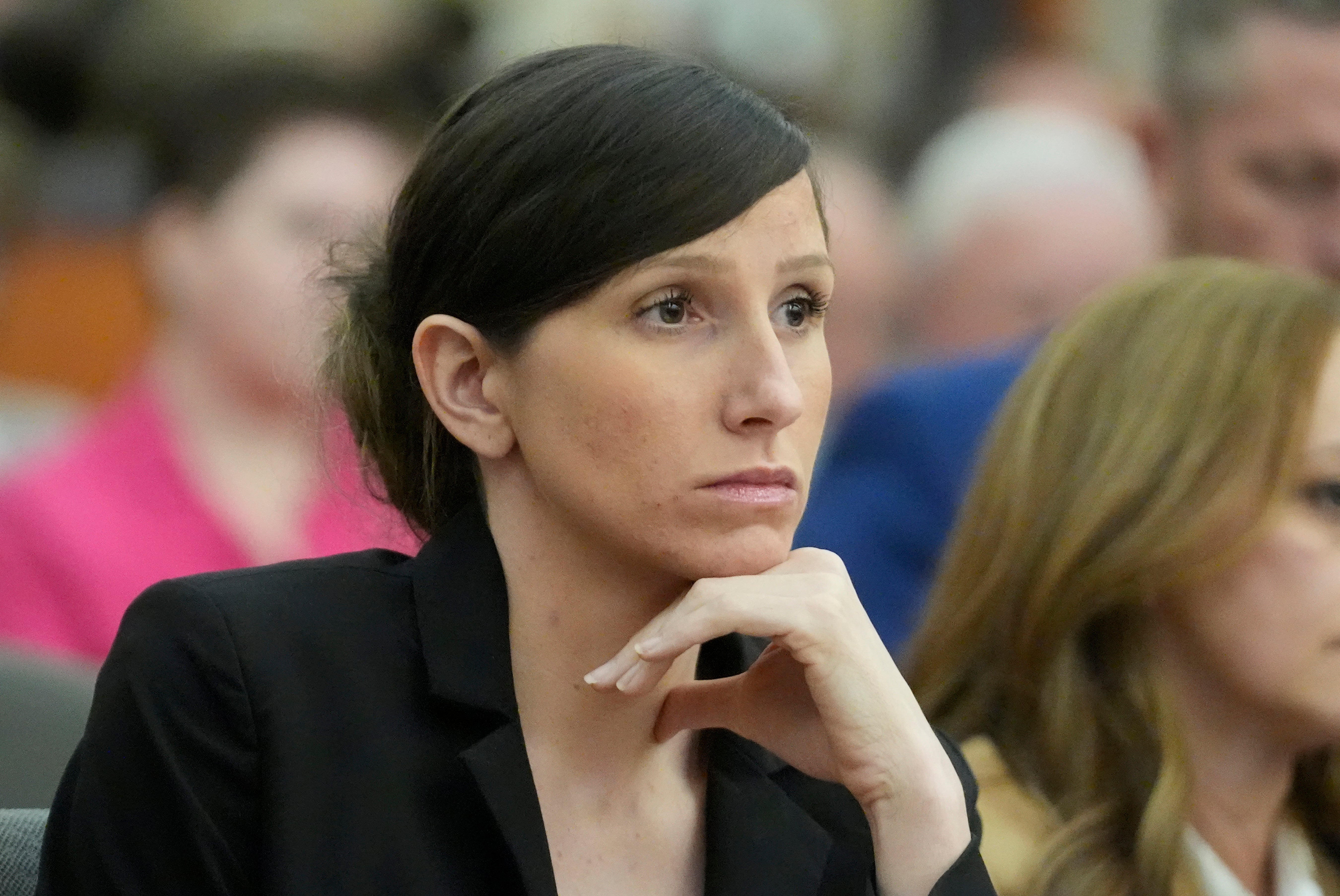
A Utah mother who wrote a children’s book about grief after her husband’s sudden death has been found guilty of fatally poisoning him by slipping a lethal dose of fentanyl into his cocktail.
After deliberating for just under three hours, a Salt Lake City jury swiftly convicted Kouri Richins, 35, in the death of her husband, Eric Richins, who died at their home outside the affluent ski town of Park City, Utah, on March 4, 2022
She was found guilty on all charges, including aggravated murder, attempted aggravated murder, two counts of insurance fraud, and forgery. Richins had pleaded not guilty to all charges.
Prosecutors said Richins secretly slipped five times the lethal dose of fentanyl into a Moscow Mule cocktail she made for her husband, killing him. A year later, she wrote a children’s book to help their sons process the loss.
In closing arguments on Monday, Summit County prosecutor Brad Bloodworth said Richins knowingly and intentionally killed Eric for his money because she was an “incompetent” business owner who had racked up thousands in debt. He argued that she was “unhappy” in her marriage to Eric Richins and “wanted to leave Eric but did not want to leave his money.”
“She was a risk taker,” Bloodworth added. “There was a way forward. Eric had to die.”
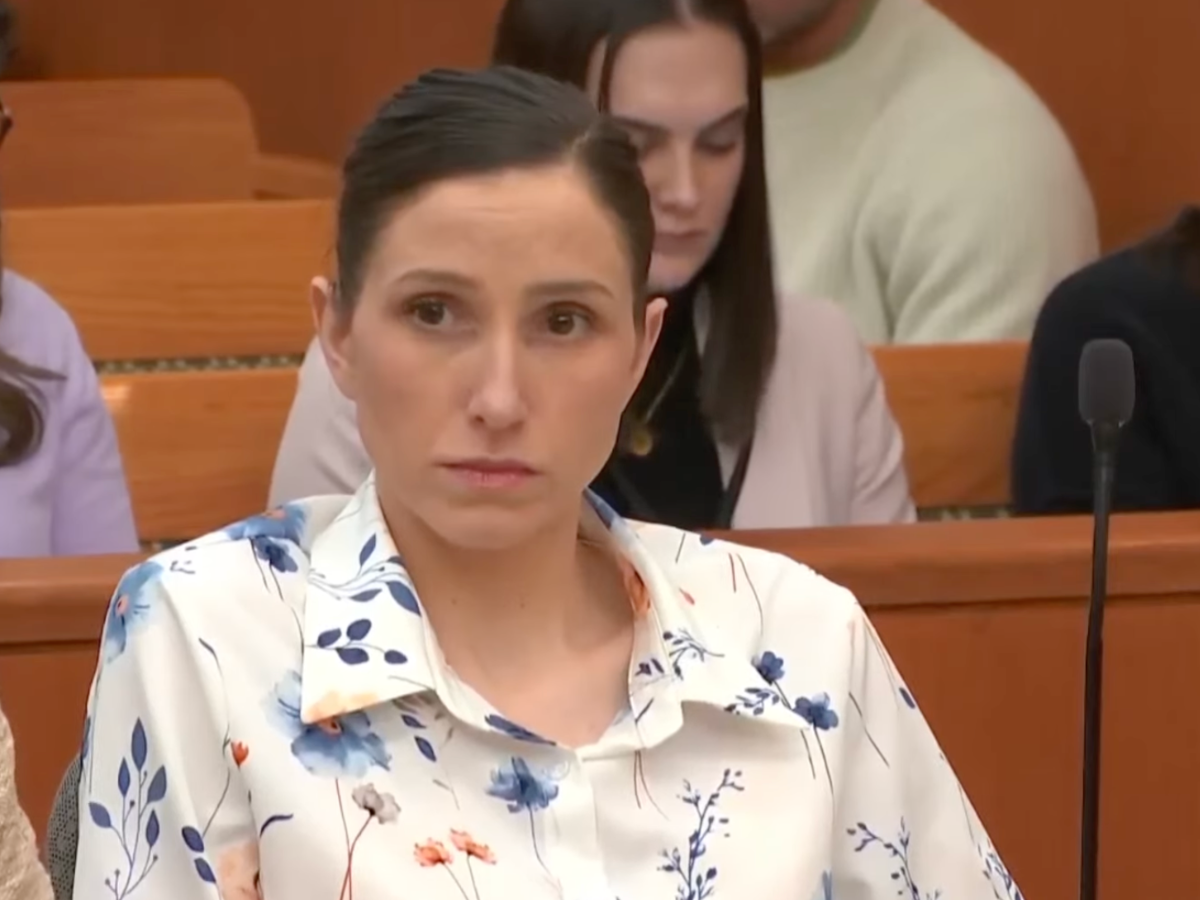
Richins’ defense team argued the state could not prove she gave her husband fentanyl and ultimately chose not to present a defense case.
The verdict on Monday capped a trial that ended sooner than expected when Richins abruptly waived her right to testify and her defense attorneys rested their case without calling a single witness.
The most serious charge, aggravated murder, carries a sentence of 25 years to life in prison. She will be sentenced on May 13.
‘She wanted a perfect life’
During three weeks of testimony, prosecutors called more than 40 witnesses as they sought to convince jurors that Richins carefully plotted her husband’s death.
She had wanted to appear privileged and successful and she achieved that goal when she met Eric, a business owner with money, Bloodworth said.
“She wanted the perfect life,” he said. “Or, at least, the appearance of a perfect life.”
Bloodworth said Richins had a troubled upbringing with a drunk dad who did time in prison and a mom who had a gambling problem. She was also insecure about her social standing because of her time as a house cleaner for rich people, he said. So she “carefully curated the facade of a privileged, affluent, successful business owner,” Bloodworth told the court. But “behind the facade, Kouri Richins was incompetent,” he argued.
“She took tremendous risks. She borrowed money by any means necessary at exorbitant rates. She gambled other people’s money and lost. Her business was imploding.”
Bloodworth replayed for the jury part of Richins’ 911 call from the night of her husband’s death. That’s “not ‘the sound of a wife becoming a widow,’” he said, quoting the defense’s opening statement. “It’s the sound of a wife becoming a black widow.”
Prosecutors said Richins, a real estate agent focused on flipping houses, was deep in debt and planning a future with Robert Josh Grossman, with whom she was allegedly having an affair.
She had opened numerous life insurance policies on her husband without his knowledge, with benefits totaling about $2 million, prosecutors alleged.
They showed the jury text messages between Richins and Grossman, in which she fantasized about leaving her husband, gaining millions in a divorce and one day marrying Grossman.
The internet search history from Richins’ phone included “what is a lethal.dose.of.fetanayl (sic),” “luxury prisons for the rich America” and “if someone is poisned (sic) what does it go down on the death certificate as,” a digital forensic analyst testified.
Defense attorney Wendy Lewis urged the jury to find her client not guilty, arguing that the state had not done their job.
“They haven’t done their job, and now they want you to make inferences based on paper-thin evidence,” Lewis said. “They want you to do their job for them. Tell them, ‘No.’”
She pointed out previous testimony by Detective Jeff O’Driscoll that claimed he did not find any fentanyl anywhere or evidence that there was fentanyl in Eric’s cocktail. Lewis also said that the prosecution “looks at facts one way and sees a witch, but if you look at those facts another way, you see a widow.”
“Can you believe her, beyond a reasonable doubt? You can not,” Lewis said about . “If you can’t believe her beyond a reasonable doubt, you have to find Kouri Richins not guilty.”
The trial
Over the course of the trial, prosecutors painted a portrait of a troubled marriage and mounting financial pressure.
Kouri and Eric Richins married in 2013 and raised three sons in Kamas, Utah, where she flipped houses in Summit County and he ran a stonemasonry business. But prosecutors said the relationship deteriorated over money.
In 2020, Eric Richins accused his wife of “ongoing abuse and misuse of his finances” and removed her as a beneficiary from his life insurance policy, according to charging documents. He also transferred his home and company interests into a trust managed by his sister.
By the day Eric Richins died, prosecutors said, his wife owed more than $4.5 million to more than 20 lenders.
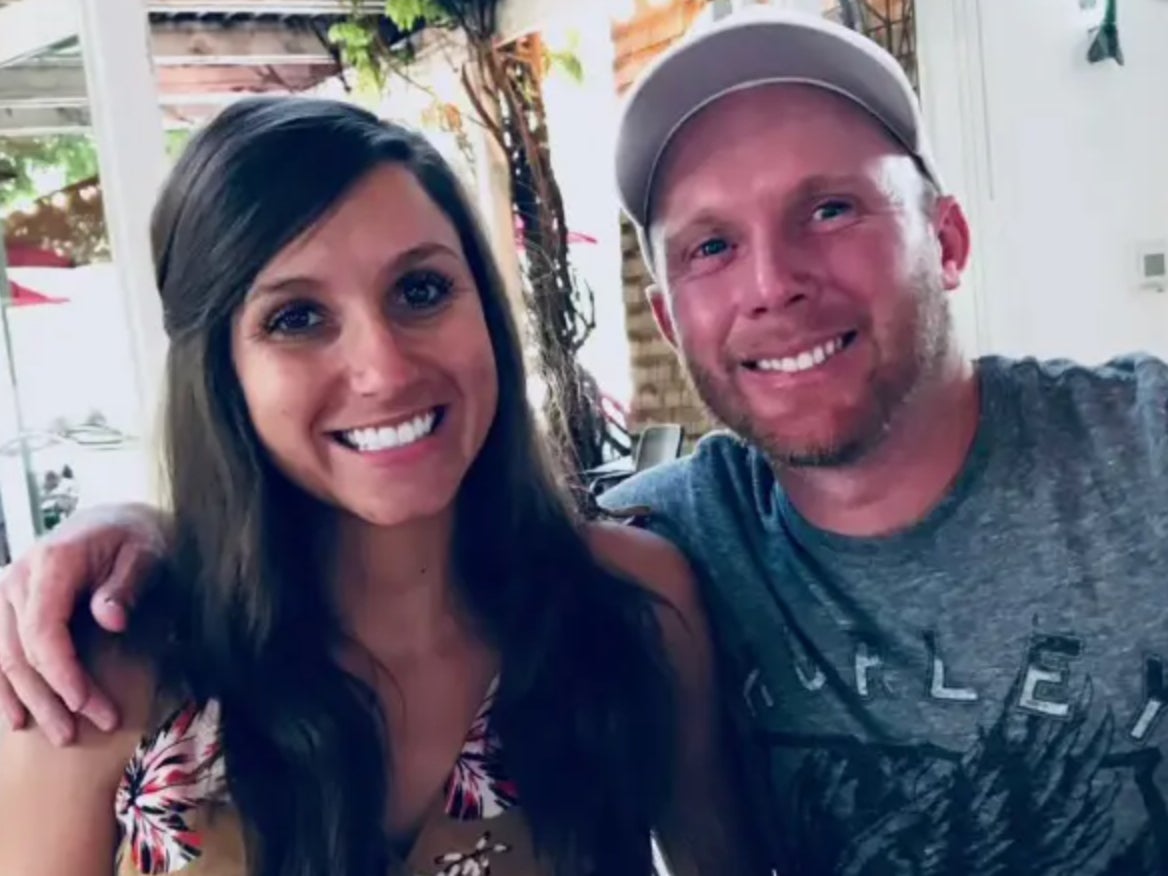
On December 17, 2021, less than three months before his death, Richins told her friend Becky Lloyd she felt trapped in her marriage.
“She was feeling trapped; she was feeling like there wasn’t an easy way forward out of her marriage,” Lloyd testified.
Lloyd said Richins added that “in many ways, it would be better if he were dead.”
An affair and plans for a new life
Jurors also heard testimony from Grossman, a contractor who said he began a romantic relationship with Richins while working on house-flipping projects for her.
Grossman testified that he moved to Utah in 2020 and believed the two were in love.
“She took care of me,” Grossman told the jury, explaining that Richins sometimes gave him large sums of money, including one payment of $25,000.
Text messages presented in court showed Richins informing Grossman on March 4, 2022, that her husband had died.
“They think aneurysm,” she wrote that evening.
Grossman said the relationship ended months later.
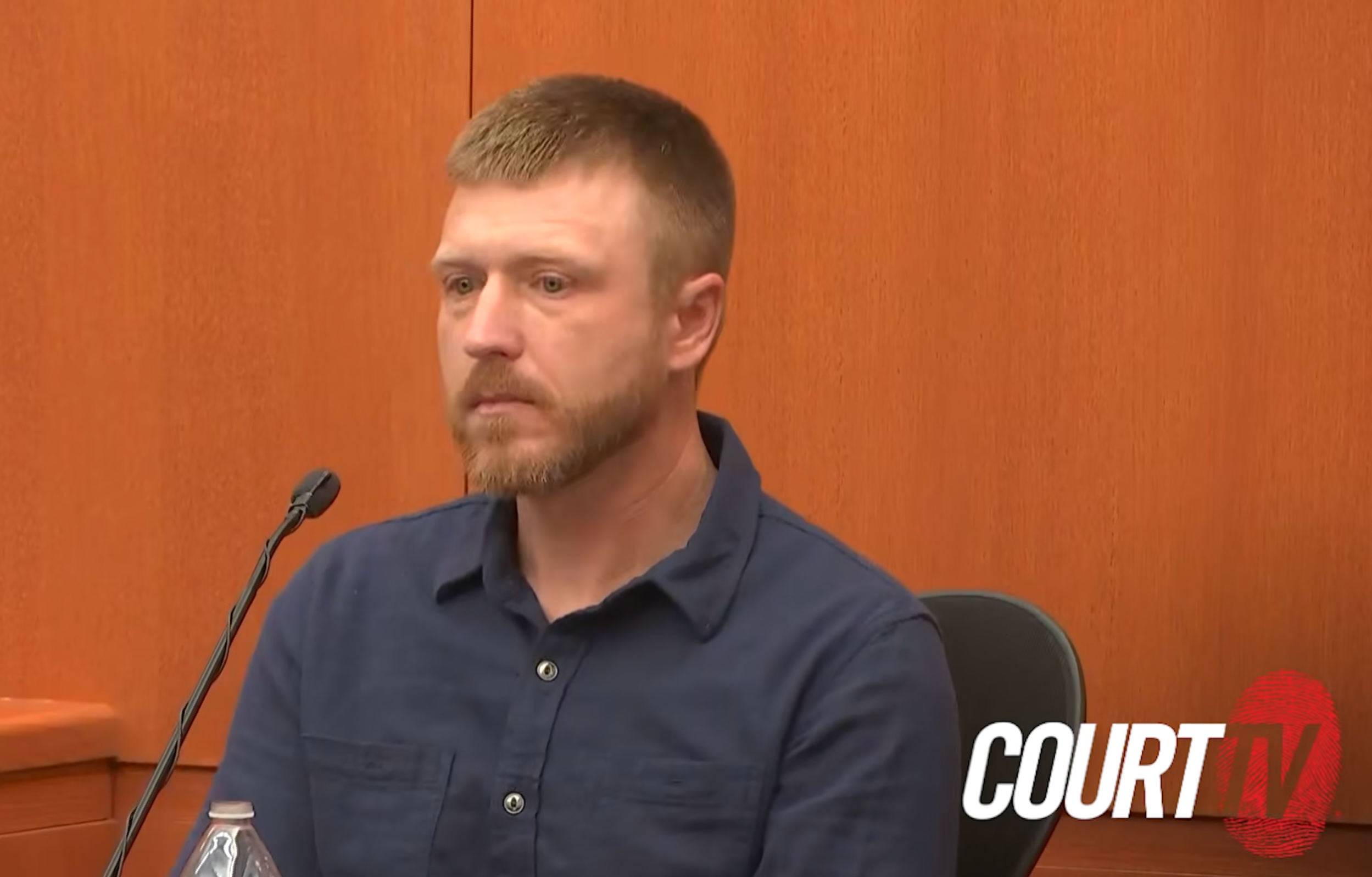
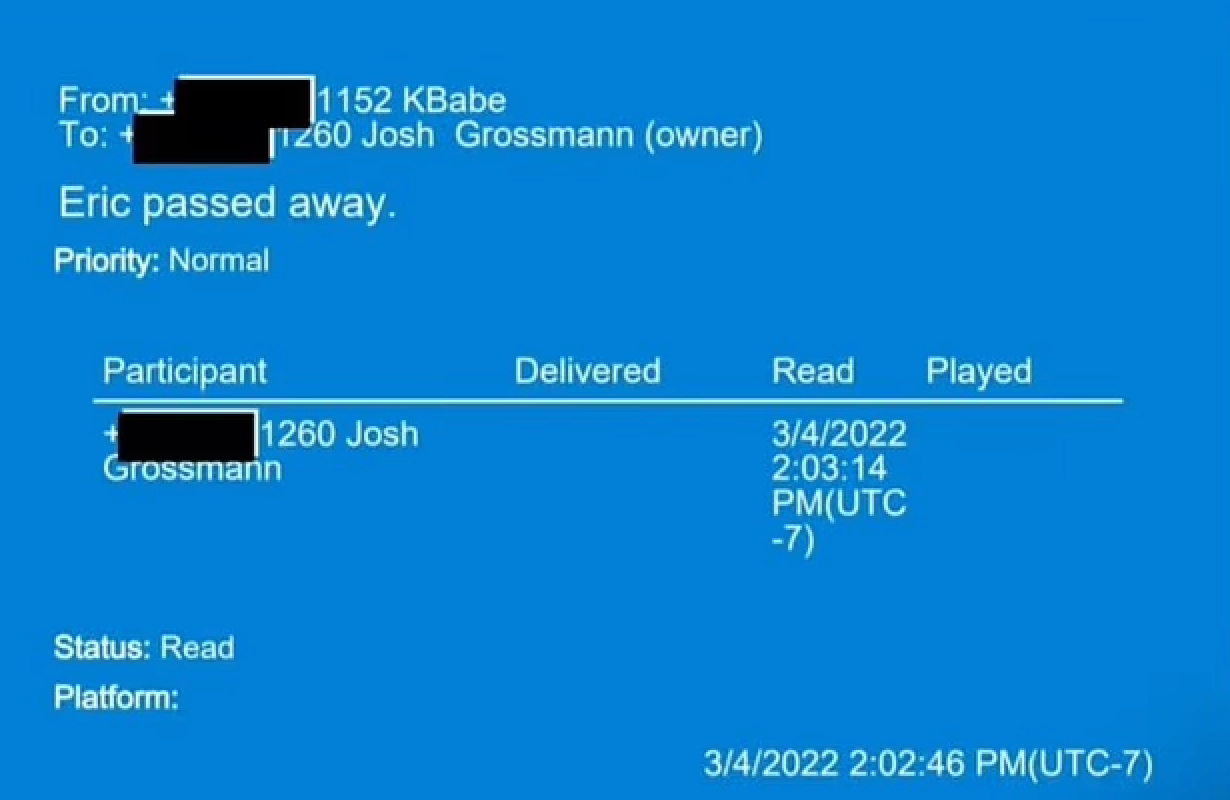
“Things changed after Eric passed,” Grossman said.
When he later learned Richins had been charged with murder, he testified: “I was overwhelmed with guilt, sorrow, over my wrongdoings. You know, infidelity.”
Defense: No murder weapon, no proof
Richins’ attorneys argued the prosecution’s case was riddled with gaps and speculation.
Carmen Lauber, the family’s former housekeeper, testified that she purchased pills for Richins four times in early 2022. But the man she said supplied them, Robert Crozier, told jurors he was selling oxycodone, not fentanyl.
Both witnesses received immunity for their testimony.
Defense attorneys also pointed to evidence suggesting Eric Richins had access to drugs himself, including a past hydrocodone prescription, marijuana gummies found in the home, and cited a trip he took to Mexico weeks before his death.
During cross-examination of the lead detective, defense attorney Kathy Nester highlighted the lack of physical evidence.
“In all of that, we have no murder weapon, like you haven’t found anything that was connected to Eric’s death, no fentanyl in the house, correct?” she asked.
“There was a boatload of fentanyl in his stomach that came out of the house with him,” Summit County Sheriff’s Detective Jeff O’Driscoll replied.
“Other than what’s in his stomach, did you find anything else that had fentanyl in it?” Nester followed up.
“No,” he said.
Asked whether he knew how the fatal dose had been administered, he replied:
“That’s all I know, is that he took it orally.”
Another investigator testified that police never collected or tested the cups the couple used while drinking celebratory cocktails the night before Eric Richins died.
“What you will never hear … is how that fentanyl got inside of [Eric Richins],” Nester told jurors during opening statements, “because there’s zero evidence of that.”
Children’s book becomes part of the case
Months after her husband’s death, Richins self-published a children’s book titled Are You with Me? about helping kids cope with the loss of a parent.
She promoted the book in local media appearances, which prosecutors argued showed an effort to shape the narrative around Eric Richins’ death.
Lead investigator Jeff O’Driscoll testified that Richins had hired a ghostwriting company to produce the book. Shortly after her arrest in May 2023, investigators received an anonymous package containing the book and a note.
“There are two sides to every story. This is a true Kouri, a devoted wife and adoring mother. Thought you should know.”
Authorities later learned the package had been sent by Richins’ mother through Amazon, O’Driscoll said.

Letter found in jail cell
Jurors also saw excerpts from a six-page letter found in Richins’ jail cell that prosecutors said appeared to outline testimony for her mother and brother.
In the six-page letter, Richins instructs her brother to tell her former attorney that Eric Richins confided in him about getting fentanyl from Mexico and “gets high every night.”
Defense attorneys have said the letter contains a fictional story Richins had been working on. They have argued that Eric Richins was addicted to painkillers and asked his wife to procure opioids for him.
However, Richins told police on the night of her husband’s death that he had no history of illicit drug use, according to body camera footage shown in court.