
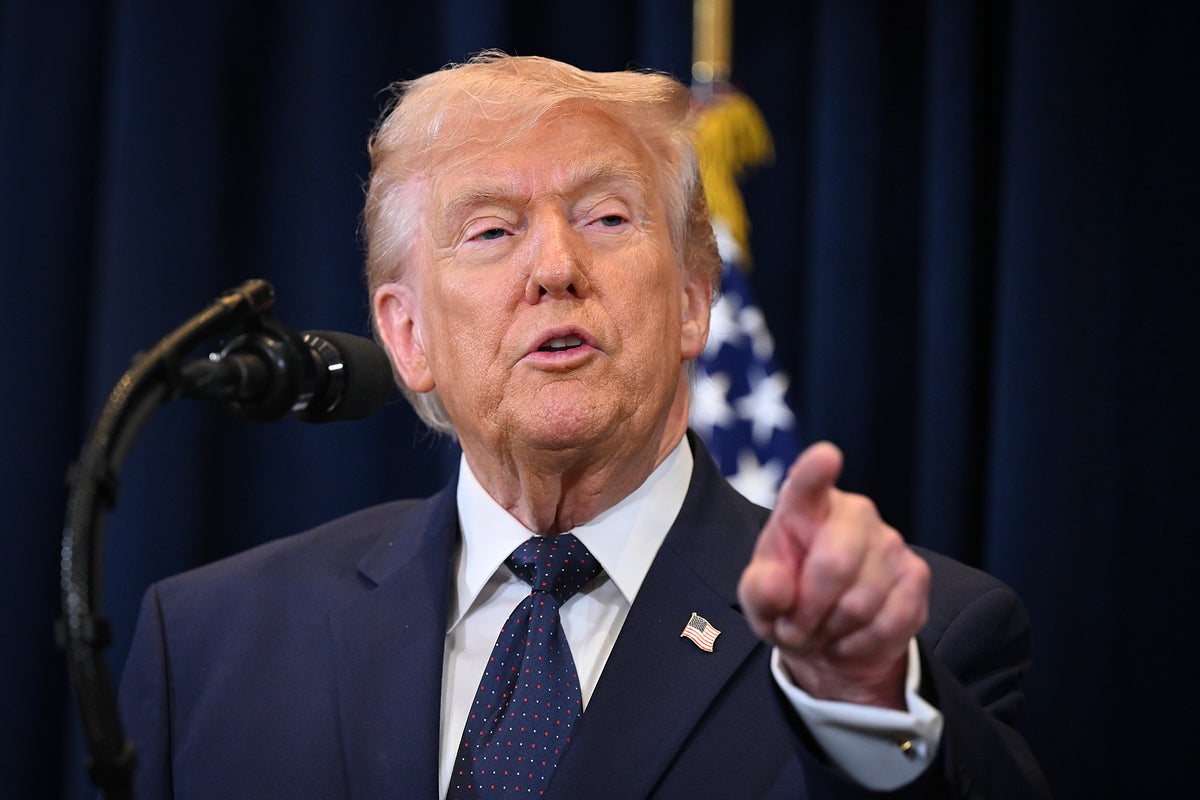
Iran has said it is ready to defend itself for “as long as it takes” against the US after Donald Trump insisted he was not ready to agree a deal to end the Middle East conflict.
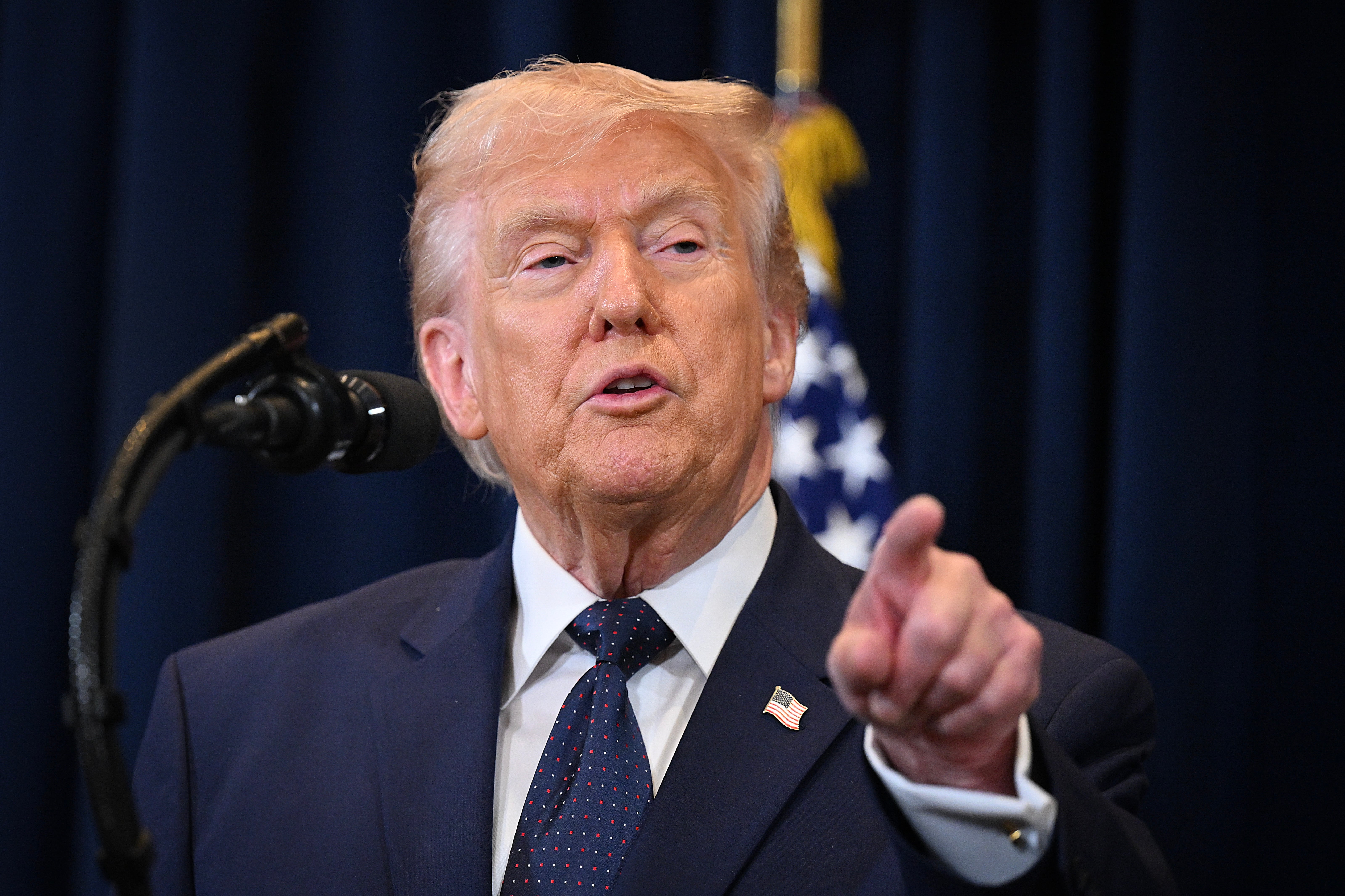
The US president claimed Tehran was keen to negotiate a ceasefire, but that the terms “aren’t good enough yet”. He boasted that the US may bomb targets on Iran’s Kharg Island once more “just for fun” after US warplanes “obliterated” military installations on the key oil island on Friday.
His words were met with fightback from Iran. Speaking later on Sunday, Iran’s foreign minister Abbas Araghchi told CBS news: “We never asked for a ceasefire, and we have never asked even for negotiation.”
He added: “We are ready to defend ourselves as long as it takes. And this is what we have done so far, and we continue to do that until President Trump comes to the point that this is an illegal war with no victory.”
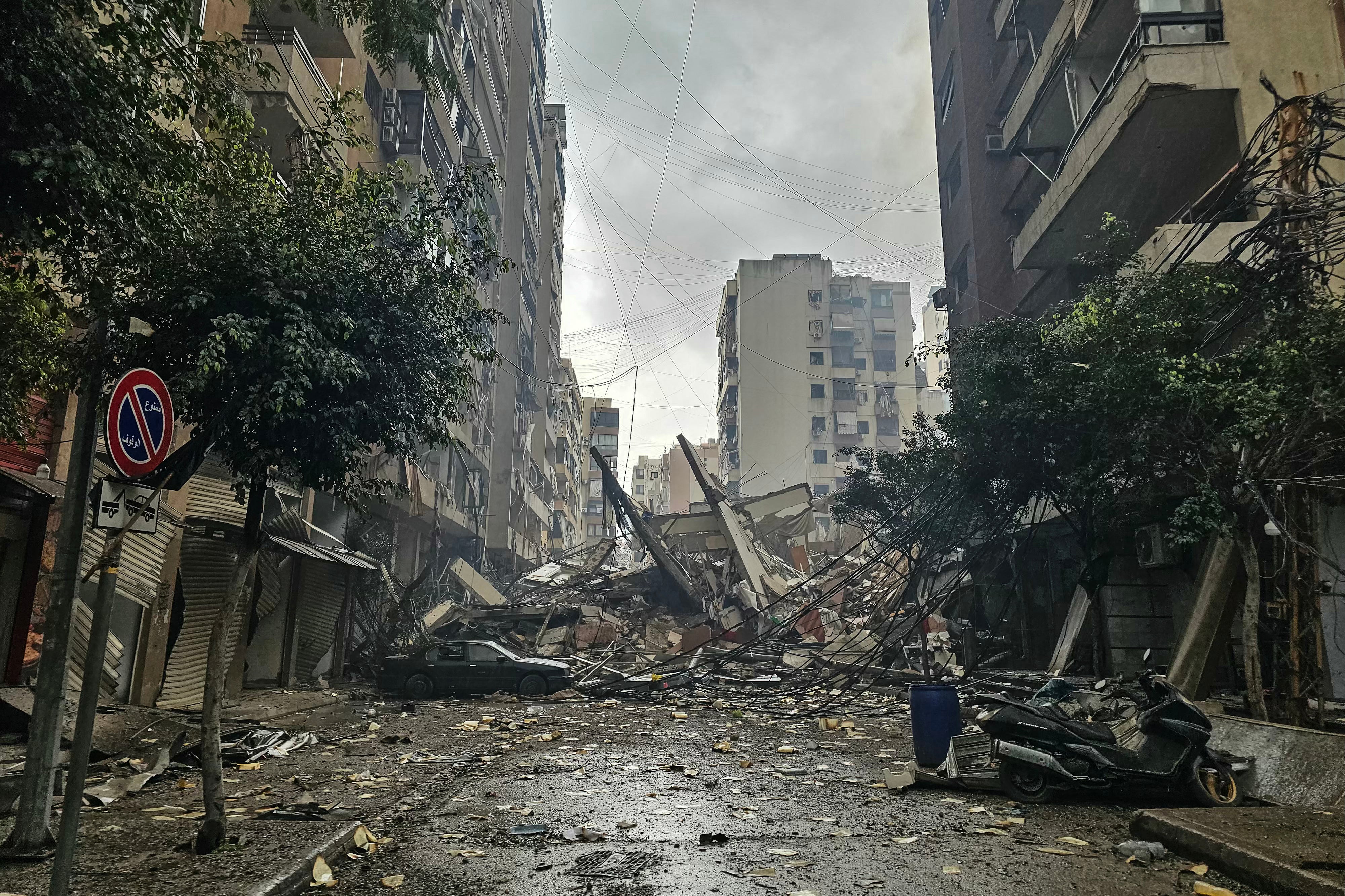
The comments dealt a blow to diplomatic efforts to end a war that has spread across the Middle East and killed more than 2,000 people, most in Iran and Lebanon. It also marked a sharp escalation from Trump, who had previously said the US was targeting only military sites on Kharg.

It came as Iran launched fresh missile and drone attacks on Israel and countries in the Gulf. Israel also carried out “wide-scale” strikes on Iran overnight on Saturday with missile and drone exchanges continuing into Sunday.
As missile and drone exchanges continued on Sunday and shipping remained blocked, US energy secretary Chris Wright said he expected the war to end within “the next few weeks,” bringing a swift rebound in supplies and lower prices.
The conflict has plunged the global energy markets into unprecedented chaos after Iran shut off the vital Strait of Hormuz. Last week, the International Energy Agency said the conflict has created “the largest supply disruption in the history of the global oil market.”
Mr Araghchi also told CBS that the country is open to having discussions with others about the Strait of Hormuz, which is currently disrupting oil markets.
“We are open to countries who want to talk to us about the safe passage of their vessels,” he said.
“I cannot mention any country in particular, but we have been approached by a number of countries who wants to have a safe passage for their vessels. And this is up to our military to decide, and they have already decided to let, you know, a group of vessels belongs to different countries to pass in a safe and secure.”
President Trump has called on countries that have been affected by the shutdown of oil supplies through the strait to join his efforts to reopen the lane, which usually carries about a fifth of the world’s oil and gas supplies. More than 600 ships are trapped in the Red Sea.
According to a report in The Financial Times, European Union foreign ministers are due on Monday to discuss widening the EU’s regional Aspides naval mission, which protects shipping against Houthi attacks in the Red Sea, to include the Strait of Hormuz.
French officials have also been seeking to assemble a coalition to secure the strait once the security situation stabilizes, according to Reuters.
Iran’s new supreme leader, Mojtaba Khamenei, has vowed in a statement to keep the strait closed. But Mr Trump responded: “I don’t know if he’s even alive. So far, nobody has been able to show him.”
Iran has said that Khamenei, 56, was injured in the strike that started the war last month but has insisted he is still alive.
Meanwhile, the UK’s energy secretary Ed Miliband confirmed the government is looking at sending minehunting drones to the Middle East to tackle Iran’s oil blockade in the Strait of Hormuz.
Asked about the possibility of sending the drones, he told Sky News: “We do want to work with our allies to seek to get the strait reopened.
“And as you say, there are a range of things that we can do, including autonomous mine-hunting equipment. And that’s something we’re obviously looking at.”
He said it is “in all of our interests to get the Strait reopened”, but added: “We also need to de-escalate this crisis, because the best and most conclusive way to get the strait reopened is to get this conflict come to an end.”