
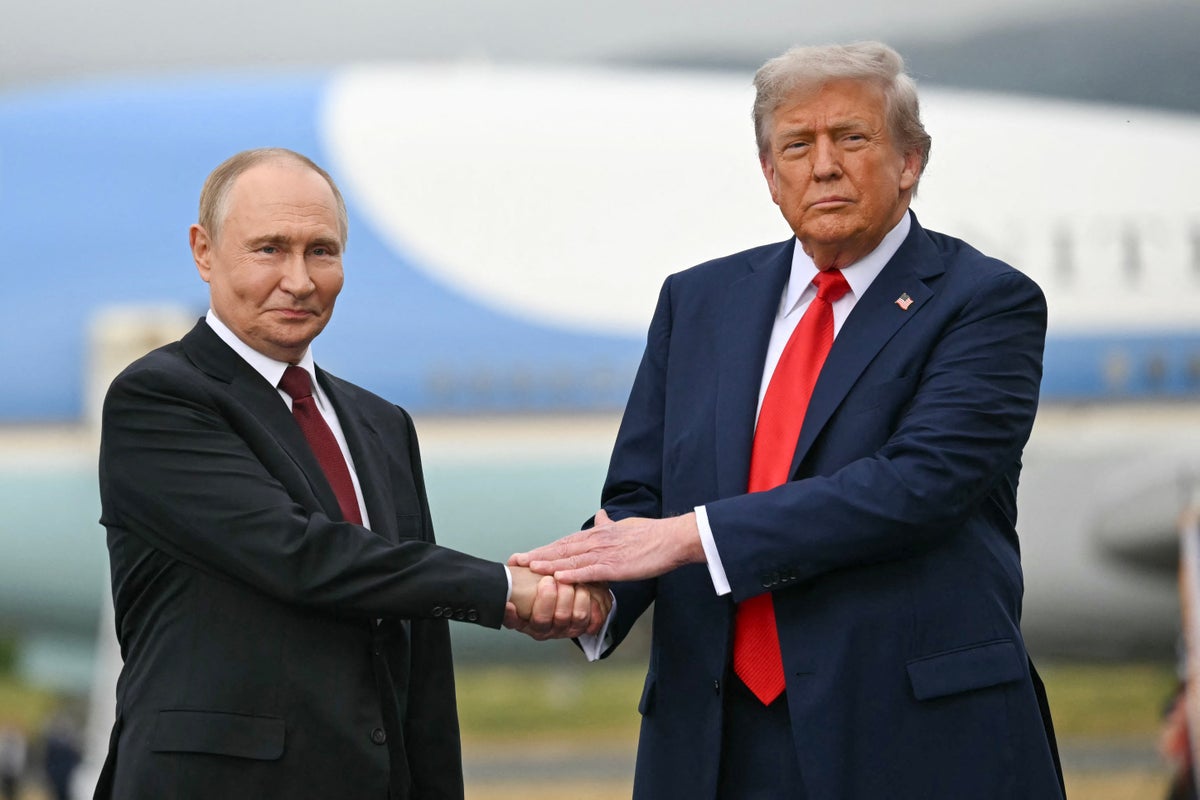
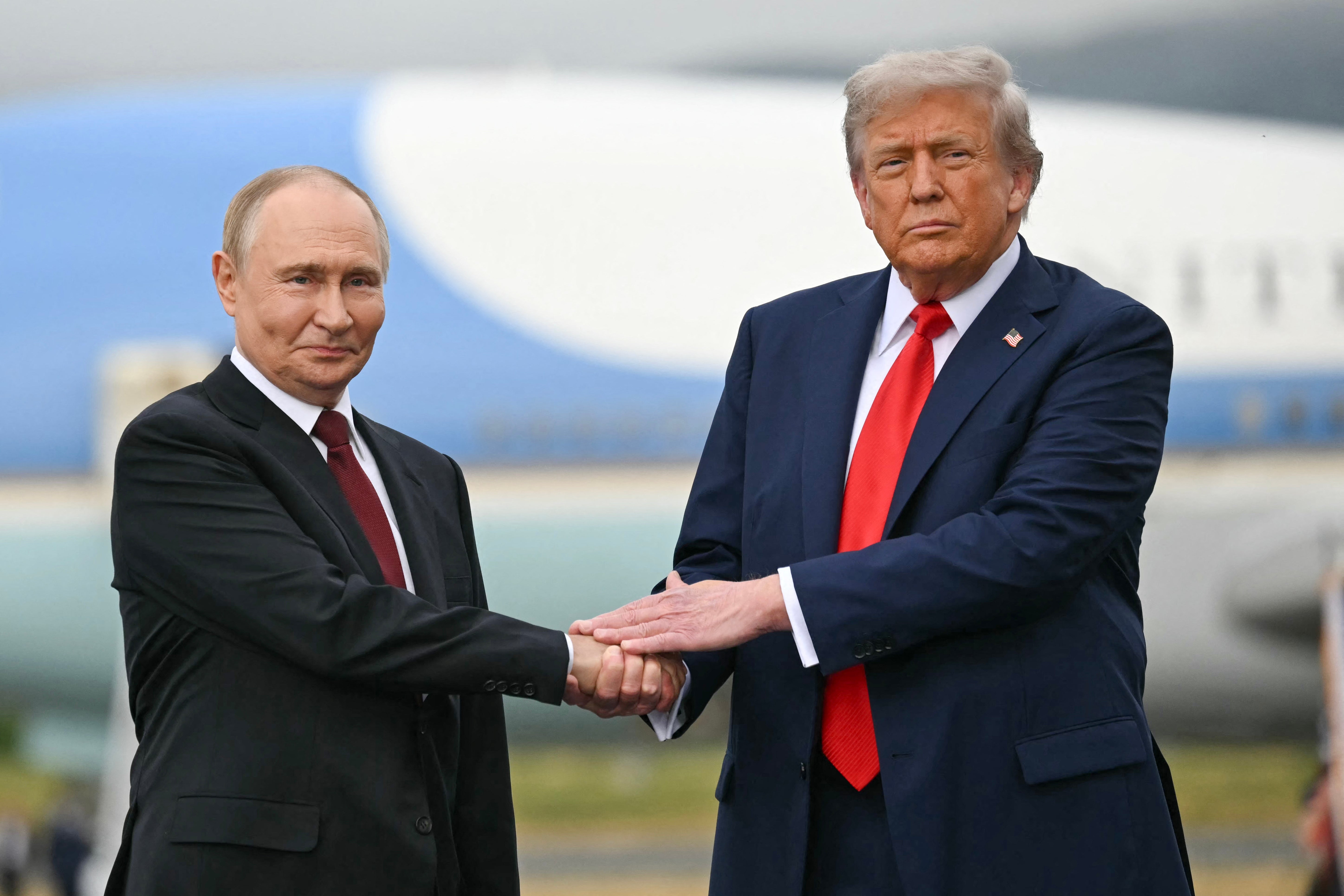
Russia could earn more than $10 billion in additional oil and gas revenues to help fuel his war on Ukraine – thanks to Donald Trump, experts warn.
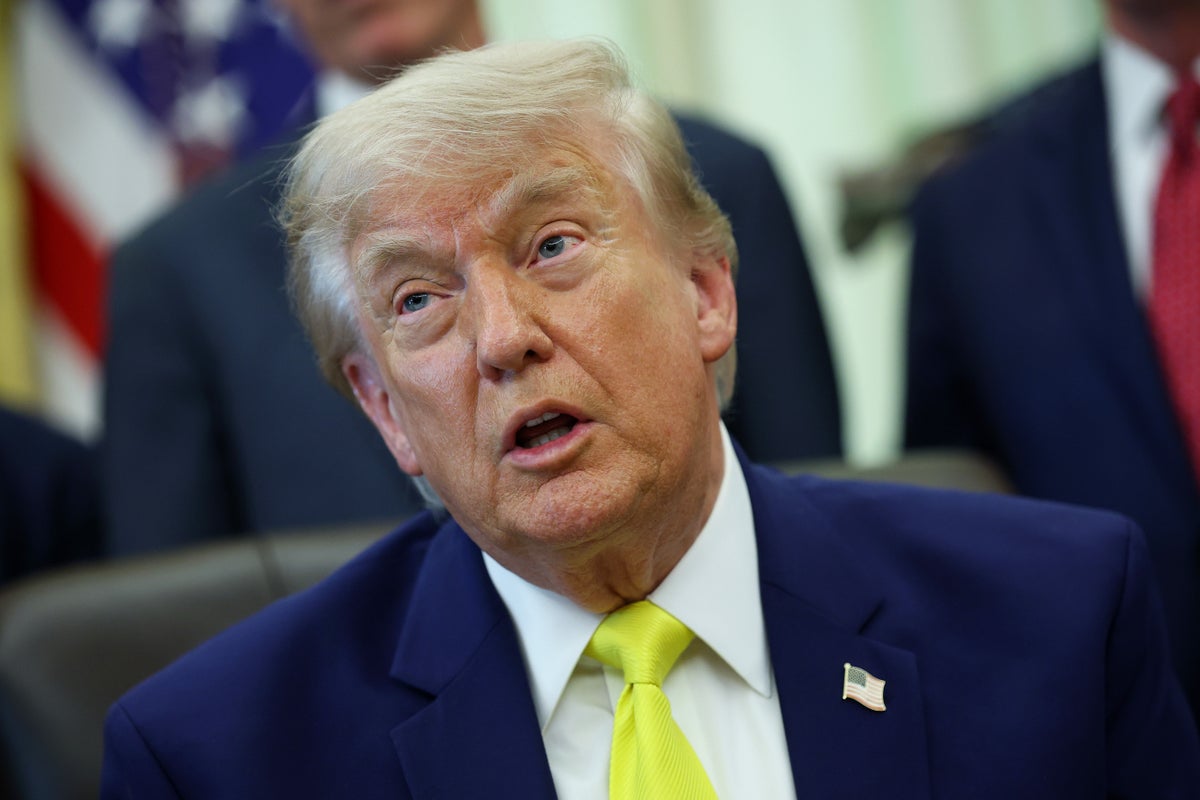
The US president lifted restrictions on countries buying Russian crude stranded at sea, after the closure of the key shipping route the Strait of Hormuz due to the Iran war he started sent prices soaring.
US treasury secretary Scott Bessent claimed the 30-day waiver would “not provide significant financial benefit to the Russian government”.
He said the “tailored, short-term” move would only provide Moscow with a limited financial boost from oil sales, adding that it would address the “instability posed by the terrorist Iranian regime”.
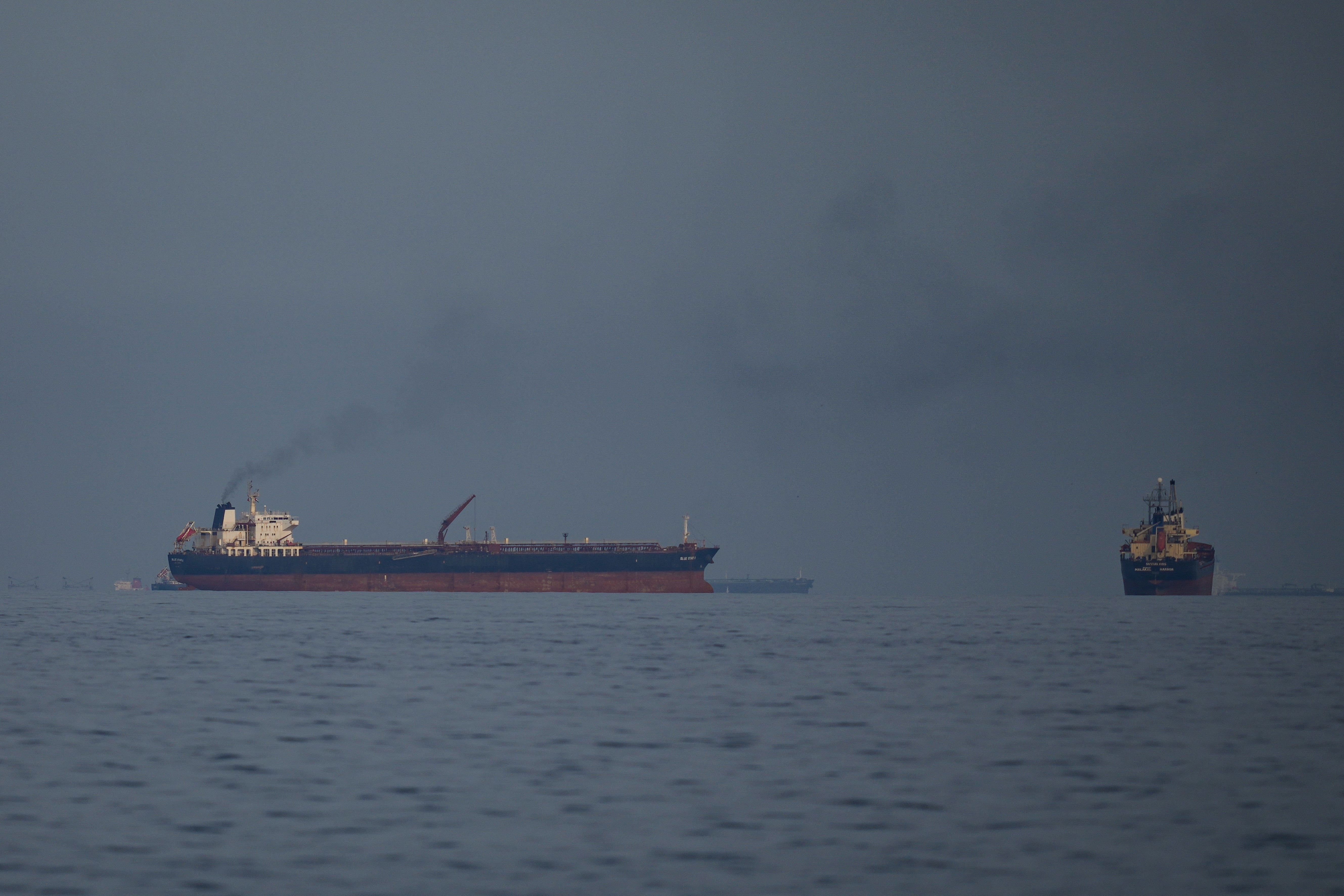
However, shipping data and surging prices suggest Moscow is set to earn up to two-thirds more this month than it did in February, potentially wiping out months of losses in a matter of weeks.
Experts warn the move could see Vladimir Putin profit to the tune of 10 billion euros ($11bn). On Friday, Ukrainian president Volodymyr Zelensky shared his concerns about the decision, saying it “did nothing for peace”.
Benjamin Hilgenstock, head of macroeconomic research and strategy at the Kyiv School of Economics, told the BBC it is a “serious bailout” for Moscow, adding that the move would “help significantly” the Russian war effort as it struggles with increasing economic pressure.
Moscow, meanwhile, says the move proves how crucial Russia is for the stability of the global energy market.
Russia’s Urals crude has already risen over 50 per cent since the crisis began, to roughly $80-85.
Seaborne imports of Russian crude have also jumped from 3.18 million barrels per day in February to 4.56 million barrels per day so far in March, according to vessel-tracking data from Kpler.
Both are moving in Russia’s favour simultaneously – more oil being sold and at significantly higher prices.
Analysts previously told The Independent that Trump’s war on Iran was going to benefit Russia heavily and that appears to be exactly what will happen.
The message to the Kremlin is “wait long enough and the West will blink”, sanctions campaigner at human rights group Urgewald Alexander Kirk said.
“Russia has already made billions from fossil fuel exports since the strikes on Iran began,” he told the BBC. “Allowing more Russian oil onto the market now only helps refill the Kremlin’s war chest.”
Sanctions campaigner Bill Browder told the broadcaster it is a “terrible decision that will enrich Vladimir Putin and prolong the war in Ukraine”.
The windfall comes after a bruising start to the year for Russian finances. Energy revenues fell almost 50 per cent year on year in the first two months of 2026, pushing Russia’s budget deficit to roughly 90 per cent of the figure projected for the entire year. “
Russia’s energy revenues fell sharply earlier this year as sanctions were starting to have an increased impact, but the current crisis could change that, despite the US claims.
“The current surge in oil prices is very much helping the Kremlin to stabilise and potentially recover those losses,” said Isaac Levi, Europe-Russia policy and energy analysis team lead at the Centre for Research on Energy and Clean Air.
“If elevated prices persist, higher export revenues could significantly improve Russia’s fiscal position and help offset much of the earlier deficit.”
Russia previously sold its sanctioned crude at a discount to the global industry benchmark, Brent. India, which became Russia’s largest seaborne crude buyer after Western countries cut imports following the invasion of Ukraine, was receiving Urals at roughly $10 below Brent as recently as February.
That discount has now reversed. Urals delivered to India is trading at approximately $5 above Brent, according to Naveen Das, senior oil analyst at Kpler – a swing of $15 per barrel across all of Russia’s existing sales.
India’s Russian crude imports are now tracking at 1.6 million barrels per day, up from just over 1 million in February, and likely to rise further.
China, which already receives around 800,000 barrels per day from Russia via pipeline, is also competing for additional seaborne supplies, but Indian refiners are now outbidding them for available cargoes, Das said.
Taken together, the price and volume increases could generate a windfall of between 5 billion and 10 billion euros ($5.7bn to $11bn) in additional fossil fuel export revenues this month if Hormuz remains closed, according to Levi.
The estimate assumes Brent holds around $100 a barrel, the discount on Russian oil remains in the $10-15 range, and gas prices stay elevated alongside oil.
Brent prices have been on a rollercoaster this week, rising up to $119 on Monday and then falling heavily. Meanwhile, Iran has warned the world to prepare for prices as high as $200 as it threatened to set fire to any passing ship.
A CREA report published on Thursday found that at the end of February, approximately 6.9 million tonnes – around 50 million barrels – of Russian crude, valued at 2.3 billion euros ($2.6bn), was at sea without a confirmed buyer. That stranded cargo is now being absorbed rapidly, in another boost to the Kremlin.
Russian presidential envoy Kirill Dmitriev has said the US sanctions waiver for countries to buy Russian oil stranded at sea covers 100 million barrels of crude, adding that “further easing of restrictions on Russian energy supplies appears increasingly inevitable, despite resistance from some Brussels bureaucrats.”
And new buyers have already started emerging beyond Russia’s traditional customer base. Thailand’s deputy prime minister announced interest in purchasing Russian crude this week.
Several countries in Asia are reeling under an oil and gas shortage, including Bangladesh and Pakistan, where fuel shortages from the Hormuz disruption are causing shutdowns and violence.
But now, without the risk of US sanctions, they could also enter the market for Russian oil.
Russia currently sells 93 per cent of its crude to just three buyers – China, India and Turkey – making any expansion of that pool strategically significant for Moscow’s coffers.