

For a Paralympic Opening Ceremony aimed at celebrating inclusion, the athletes that could not be in attendance spoke louder than any visual spectacle in Verona.
The heartbeat projection that illuminated the Arena di Verona to symbolise humanity, felt awkwardly antithetical to the International Paralympic Committee (IPC)’s decision to allow Russia and Belarus to enter under their flags.
For no matter how good a show the Italians put on in Verona, it appeared there had been a fundamental misunderstanding of what inclusion should mean before a stone had even been curled.
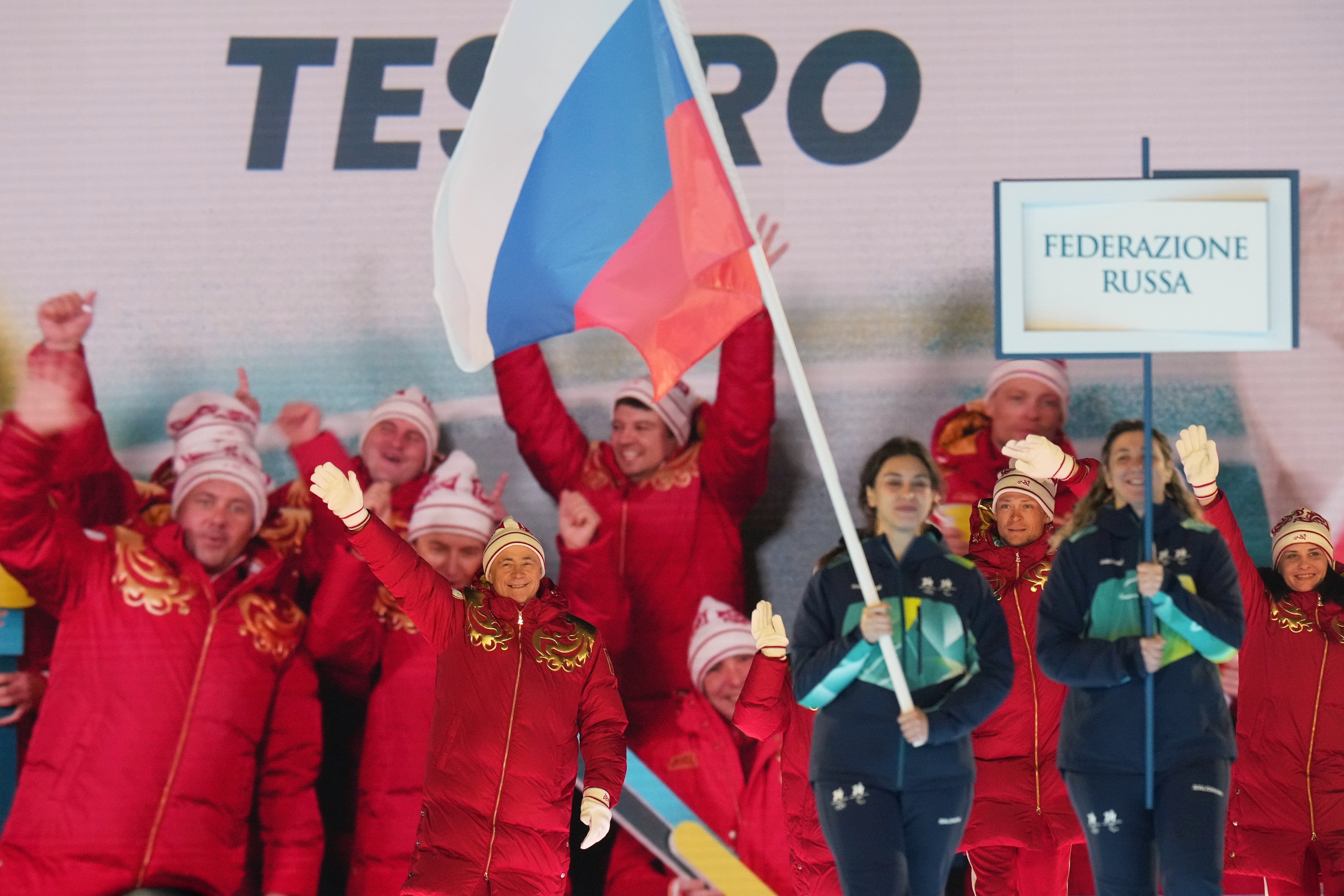
While Russia and Belarus walked into the 2,000-year-old amphitheatre behind their flags for the first time since 2014, it meant seven nations felt unable to attend on political grounds.
Ukraine, who have been subject to an ongoing invasion by Russia since 2022, were part of a boycott of the ceremony that also included the Czech Republic, Estonia, Finland, Latvia, Lithuania, Poland.
Great Britain, meanwhile, chose not to send officials to either the opening or closing ceremony to demonstrate their own disagreement with the decision.
They were decisions that spat in the face of the words of IPC President Andrew Parsons, who acknowledged the difficulties ongoing across the world before declaring the Games free from politics.
The reality, of course, is very different no matter how well-intended the sentiment.
“In a world where some countries are better known by the names of their leaders, I prefer to know countries by the names of their athletes,” he said.
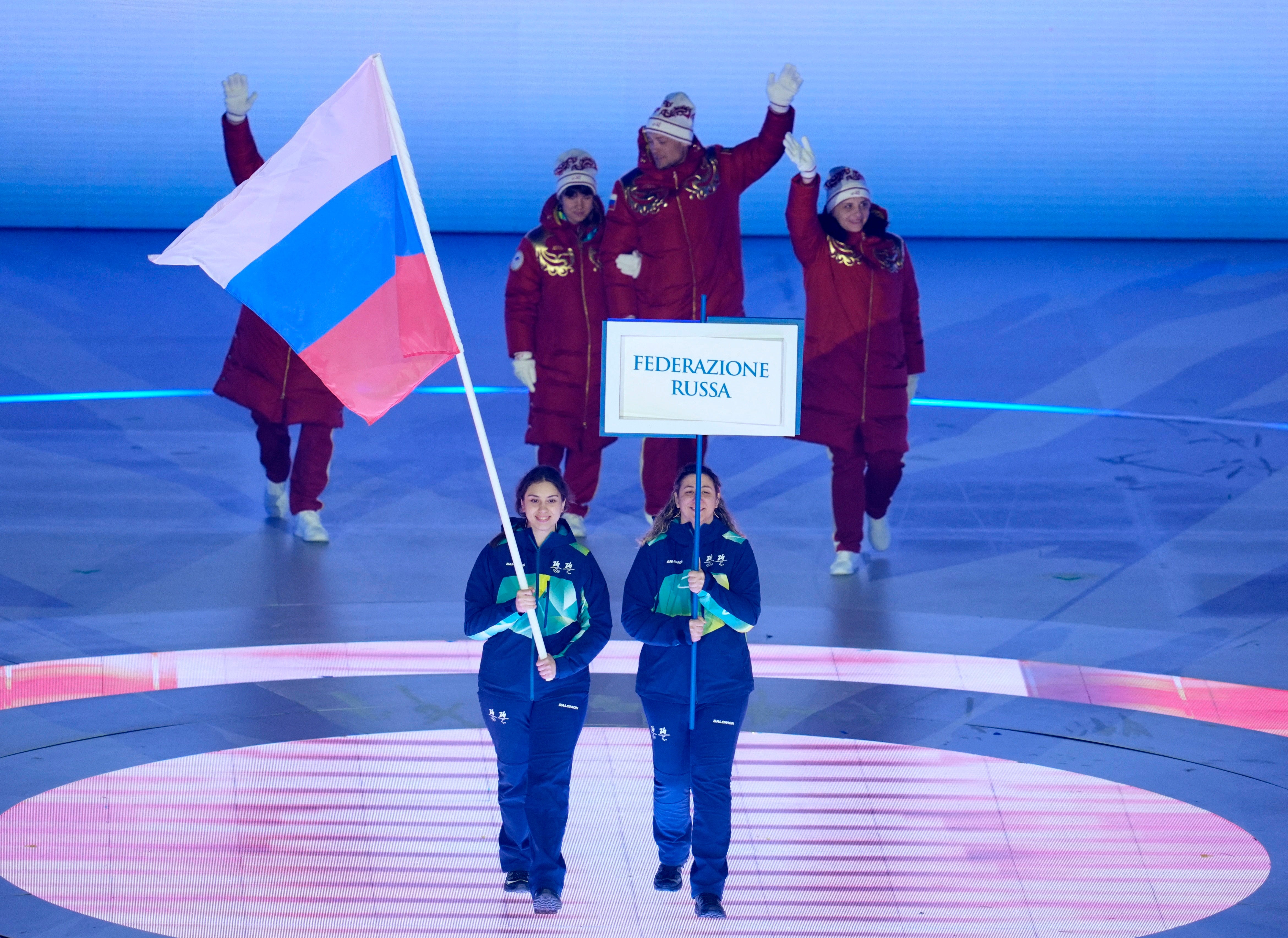
“Here nations gather as neighbours. The Paralympic village is a living model of what society should be. A place free from politics and where opportunity is open to all.”
Parsons acknowledged his own comments four years ago on the Russian invasion of Ukraine but failed to justify what had since changed to welcome Russian and Belarussian athletes back into the Paralympic fold.
The ceremony itself was meaning, with performances that put disability front and centre to provide meaningful representation from the outset.
Part one, titled ‘vibes’, riffed off the Milano Cortina motto ‘IT’s your vibe’, before the second part, ‘spaces’, highlighted the way in which disability emerges because of barriers imposed by society as closed doors and walls symbolised those challenges.
In the centre of Verona’s amphitheatre, it was an impressive spectacle as futuristic optical illusions and lighting juxtaposed the Roman architecture in the background.
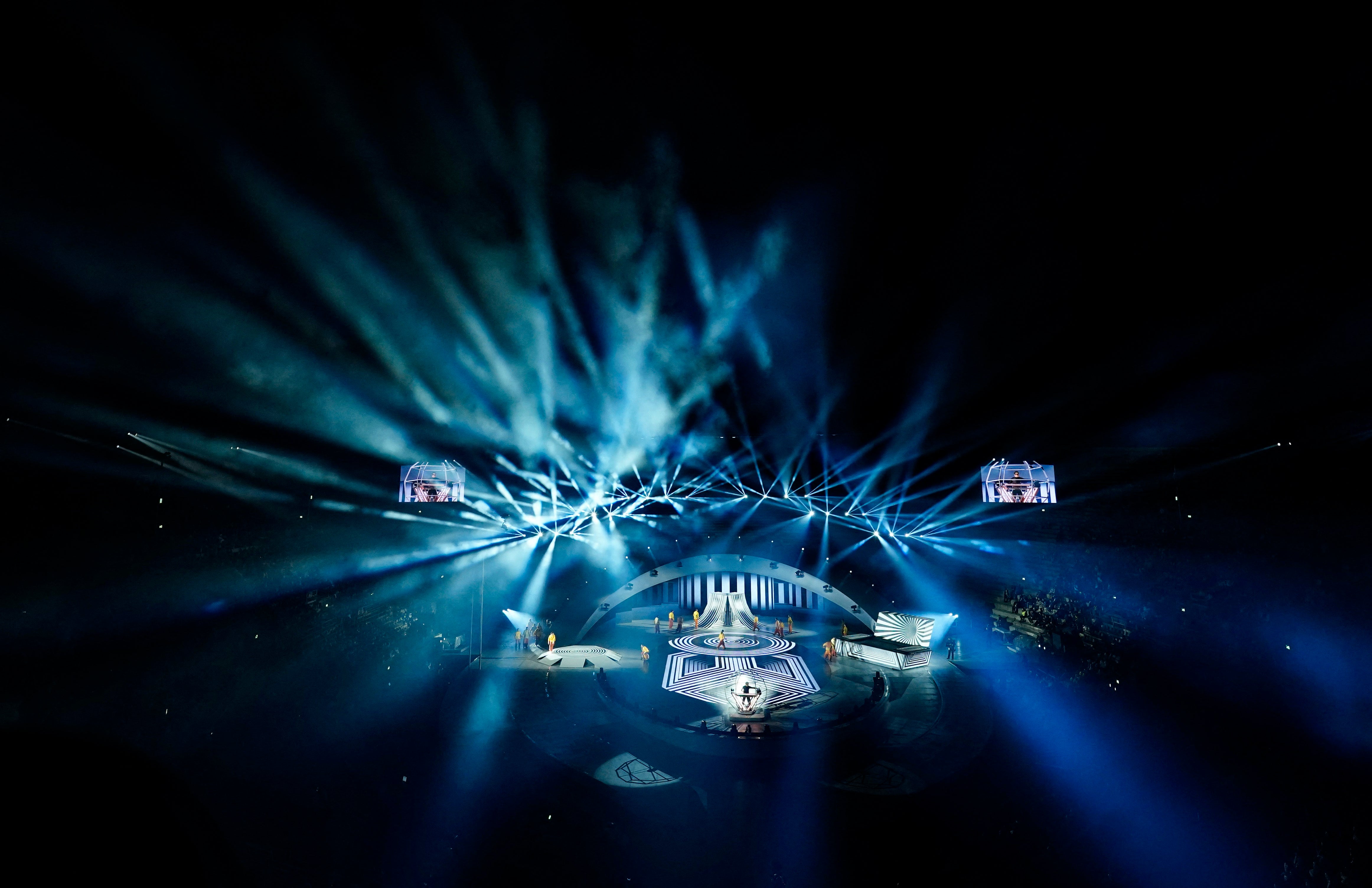
And the thought put into those visuals extended beyond just creating an aesthetic spectacle.
The Roman venue was intentionally chosen to be made fully accessible without any permanent damage to show that if accessibility is possible in a venue that is two millennia old, where is the excuse for anywhere else to continue to keep those doors closed?
But unintentionally, the ceremony also demonstrated that complete accessibility and inclusion extend beyond accommodations at one venue.
The Arena di Verona, while symbolically and visually breath-taking, sits separate to any of the clusters where athletes are staying or competing.
It meant with many of the sports getting underway on Saturday, swathes of athletes were unable to attend, instead featuring on video links from their athlete’s villages.
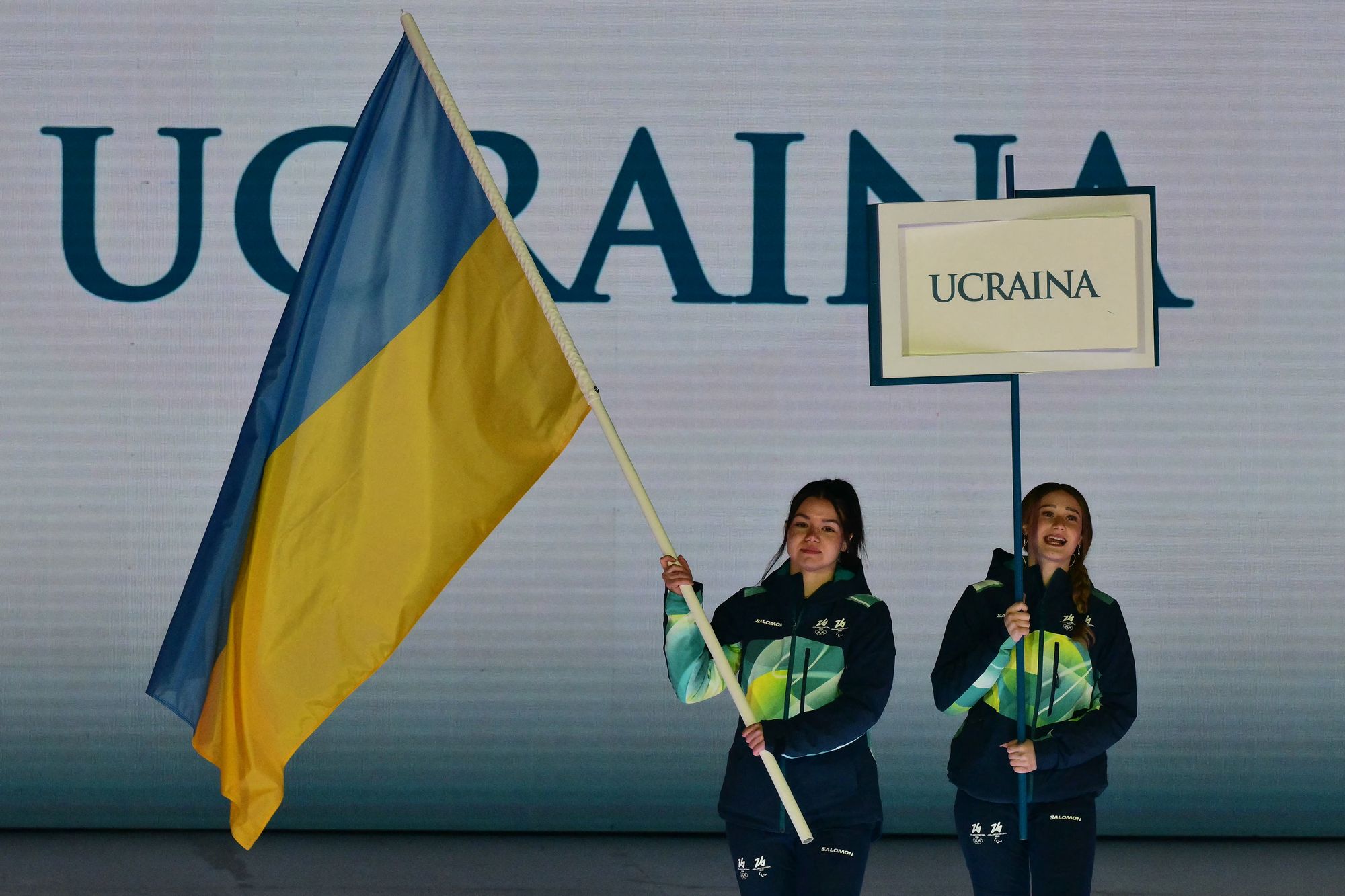
This is not a new phenomenon, with athletes invariably having to miss opening ceremonies to maximise performance, but with the entire ParalympicsGB squad unable to attend, the ceremony was notably lacking in athletes.
And once volunteers had paraded in with the Union Jack, with no athletes in tow and flagbearers Scott Meenagh and Menna Fitzpatrick spread across northern Italy, the alphabet produced another reminder of barriers that even the Paralympic movement cannot overcome.
Where Aboulfazl Khatibi Mianaei was anticipated to represent Iran’s debut at their first Winter Paralympic games, there was a notable gap.
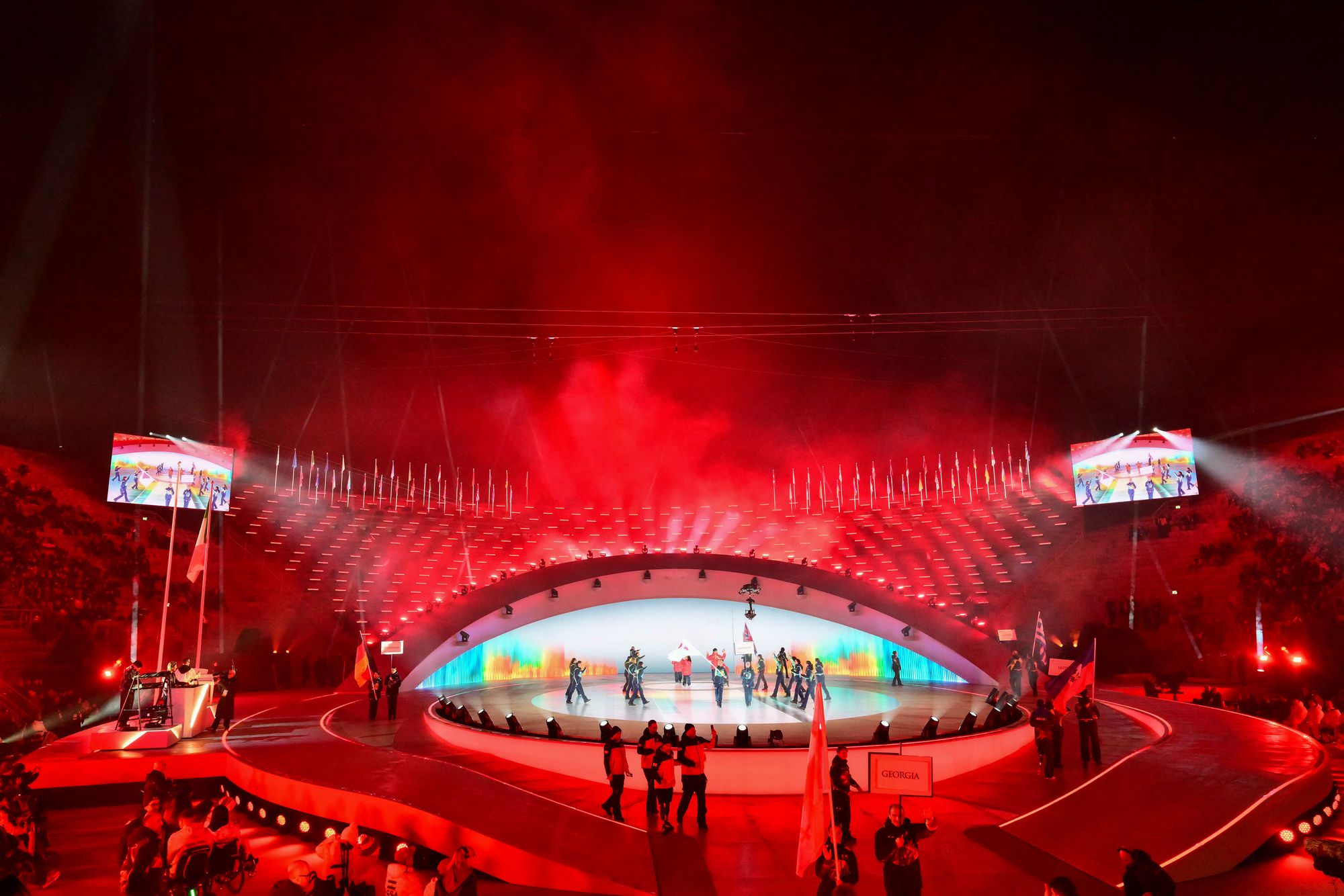
The para cross-country skier had been forced to withdraw owing to unsafe travel conditions from the Middle East, leaving Israel to follow.
Those absences provided a sombre reminder that for all the promotion of inclusion and accessibility, the global context that a Paralympics sits in demands not to be ignored.
But as the third and final section of the ceremony played out with the theme of ‘loves’ and a montage of Italian crowds witnessing the torch being carried across their country, the ceremony once more provided a reminder of sport’s power.
While the ceremony proved it cannot be extricated from politics in the way many may want, the Italians showed that sport can provide powerful messages of unity and inclusion even when the world may not want to listen.
Sportsbeat