
For members of the English nobility in the 18th and 19th century, a glamorous Grand Tour of Europe was almost a rite of passage. These cultural expeditions to the continent came for adolescents just coming to an end in their education, providing a chance to broaden one’s horizons and further one’s development by an immersion in the artistic environments of Italy and France.
There might have been a time where Steve Borthwick imagined his squad as a sort of 21st-century Byron or Shelley, an English entity of obvious talent ready to take the next step on consecutive weekends in Rome and Paris. Reeling after back-to-back defeats to Scotland and Ireland, this short sojourn takes on an altogether different meaning – not, so much, a finishing school for the upwardly mobile, but instead a jaunt upon which England must halt their Six Nations slide.
Borthwick has in recent weeks railed against modern society’s tendency for “polarity”, a tendency to lurch to extremes in reaction to each result. “If the team wins, the team is praised exceptionally. If the team loses, it is criticised exceptionally. There is very little middle ground,” he explained this week, while announcing an unprecedented 12 changes of personnel or position in his starting England side. The irony was, perhaps, lost on him.
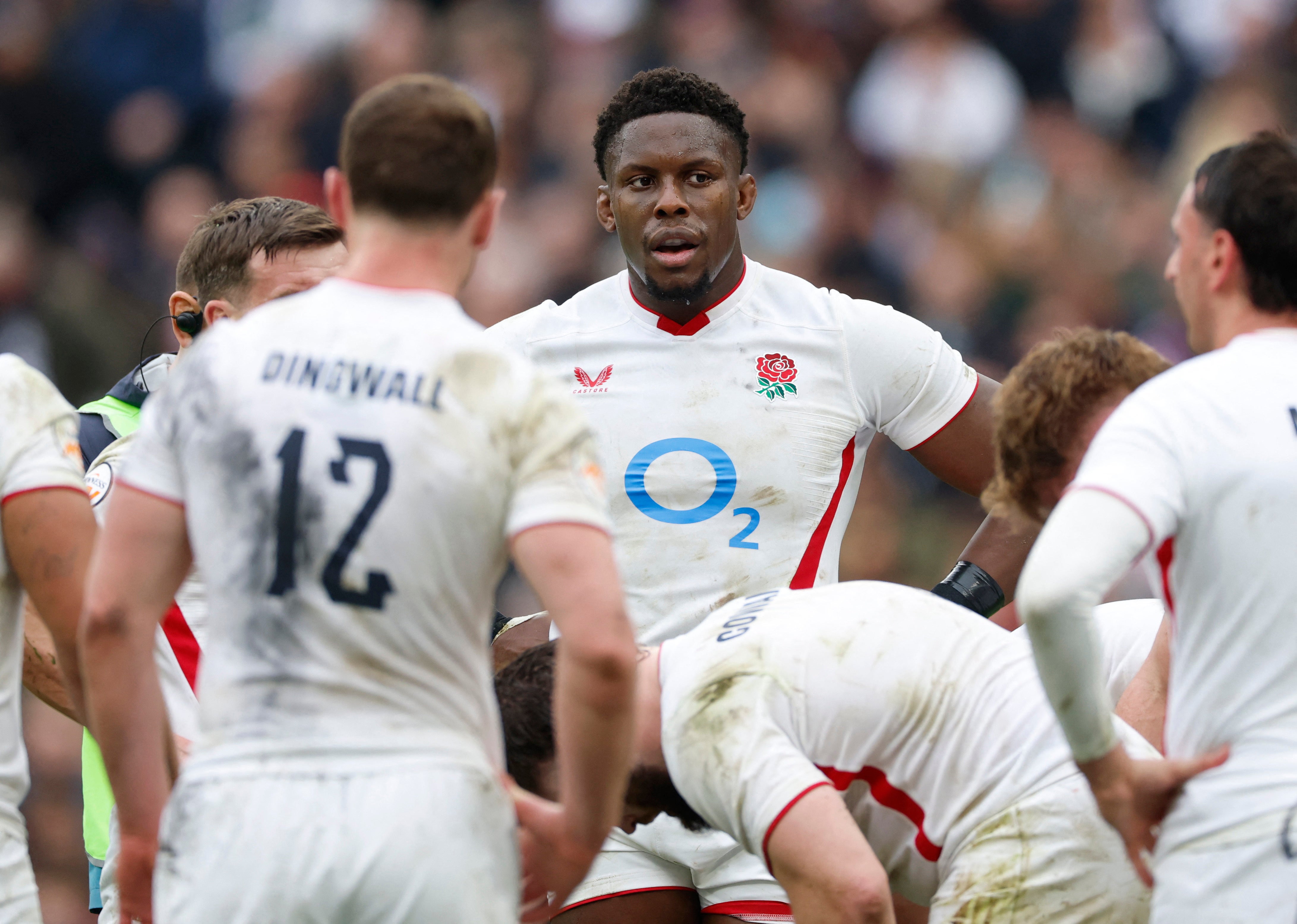
Yet such a dramatic overhaul came out of necessity, an invention designed to stop England’s rot. Having backed his tried and trusted to deliver a reaction to the Scotland defeat when they took on Ireland, Borthwick instead saw standards slip even further. “Ultimately, what we haven’t seen enough of in the last couple of weeks is spirit, fight, hard work and graft,” Jamie George, recalled to start at hooker, admitted. “Let’s be completely honest, over the last 12 months you would characterise this team by that. We need to be really clear on how we get back there, why it hasn’t been there, and make sure it doesn’t happen again. We are going to need it in bucketloads going over to Rome.”

Viewed in their totality, there can be no doubting that the alterations feel extreme; in isolation, they are perhaps less so. The promotion of George, Alex Coles and Guy Pepper reflect how England’s lineout and breakdown faltered against Ireland, measures to address two areas of concern. Fin Smith, blocked by the enduring excellence of George Ford, is overdue a fly-half opportunity – Borthwick’s side have not lost when the Northampton Saint has started. A Seb Atkinson and Tommy Freeman midfield offers plenty of potential; Elliot Daly’s wise head is perhaps necessary with the backline callow internationally elsewhere.
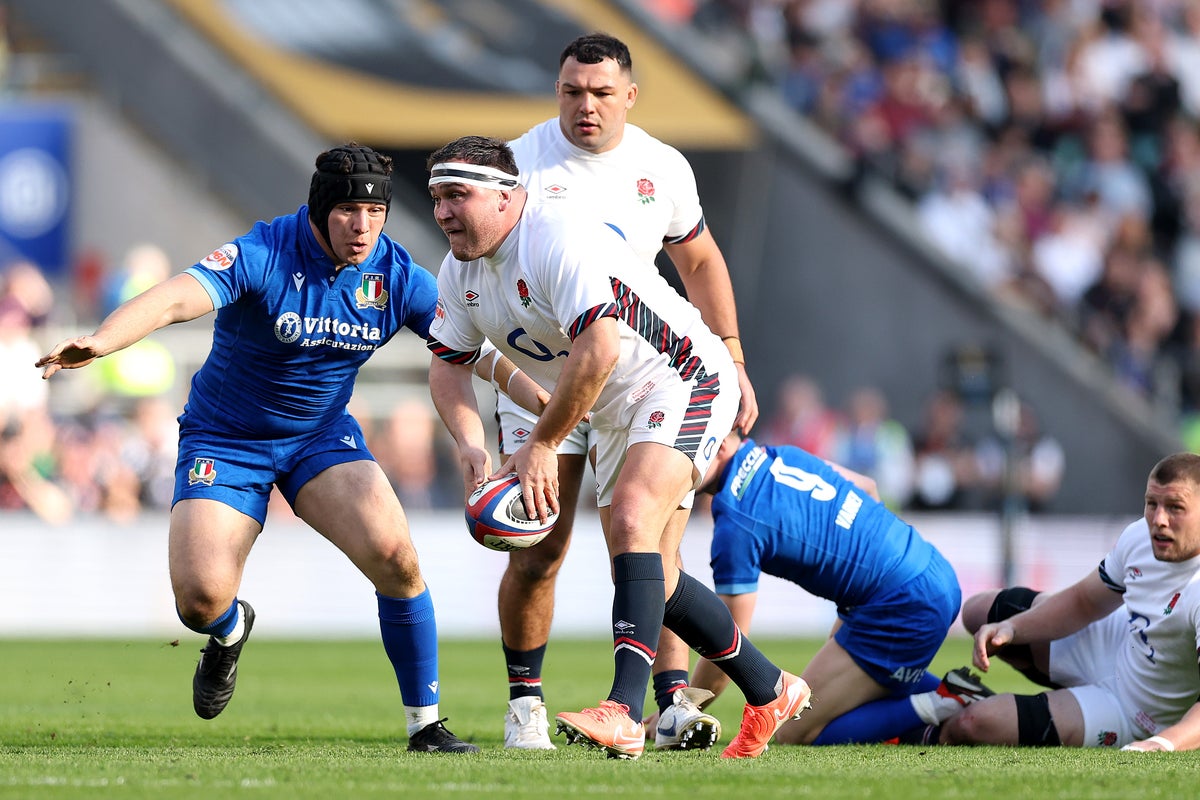
Tot them all up, though, and it is impossible to shake a sense of this being an almighty gamble from a head coach increasingly building a reputation as a chips-in selector. As detailed earlier this week, the 12-match winning run of last year has solidified his status within the environment but a first England defeat to Italy may change the narrative. Long gone are the days of rotation for rotation’s sake against the Azzurri; as shown in the first three rounds of this championship, Gonzalo Quesada’s side are as much a threat as any of the constituent nations – and may recognise the distinct scent of English blood.
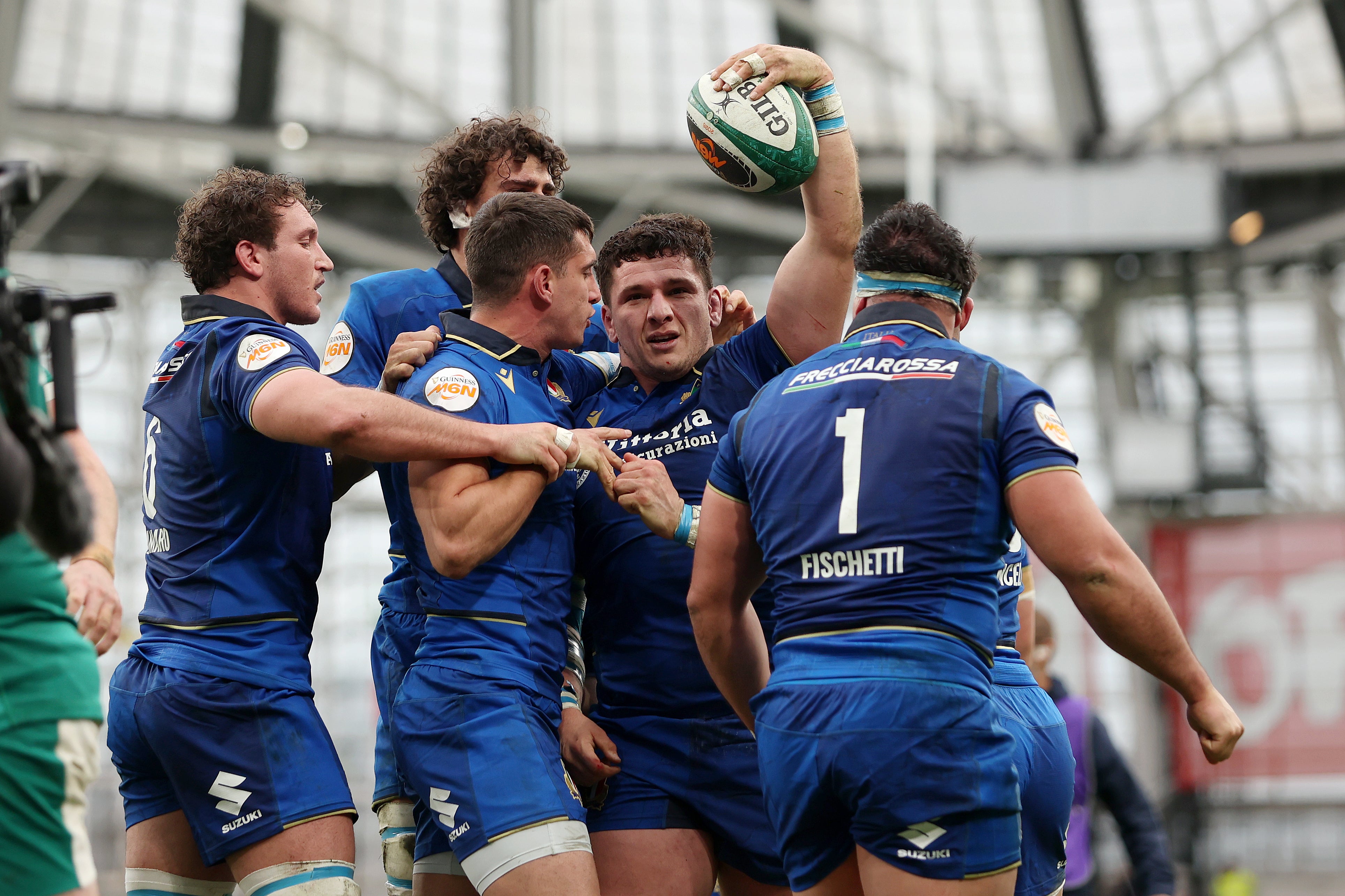
“Rome is always a difficult place to play but with this Italian team looking the way they do, it’s going to be the toughest test that England have ever had against Italy,” George put it, before emphasising a must-win occasion as a major opportunity, too. “But bring it on. Times like these, and I would rather not have them obviously, but they are genuinely the most enjoyable times to be part of a team. You learn a huge amount about people. It’s an opportunity to step up, it’s an opportunity to bring people with you. It can be a defining moment for a team moving forward.”
Such talk of jam tomorrow may feel uncomfortably familiar to some English supporters for a side that has unquestionably underdelivered in the last five years. Several senior players have struggled to precisely put their finger on what has gone so wrong in a campaign that promised plenty; some may, knowingly or unknowingly, be playing for places in the broader project that is building towards next year’s World Cup. For figures on the fringes so far – Cadan Murley, say, or Ben Spencer – this is another vital opportunity after a period of relatively settled selections.

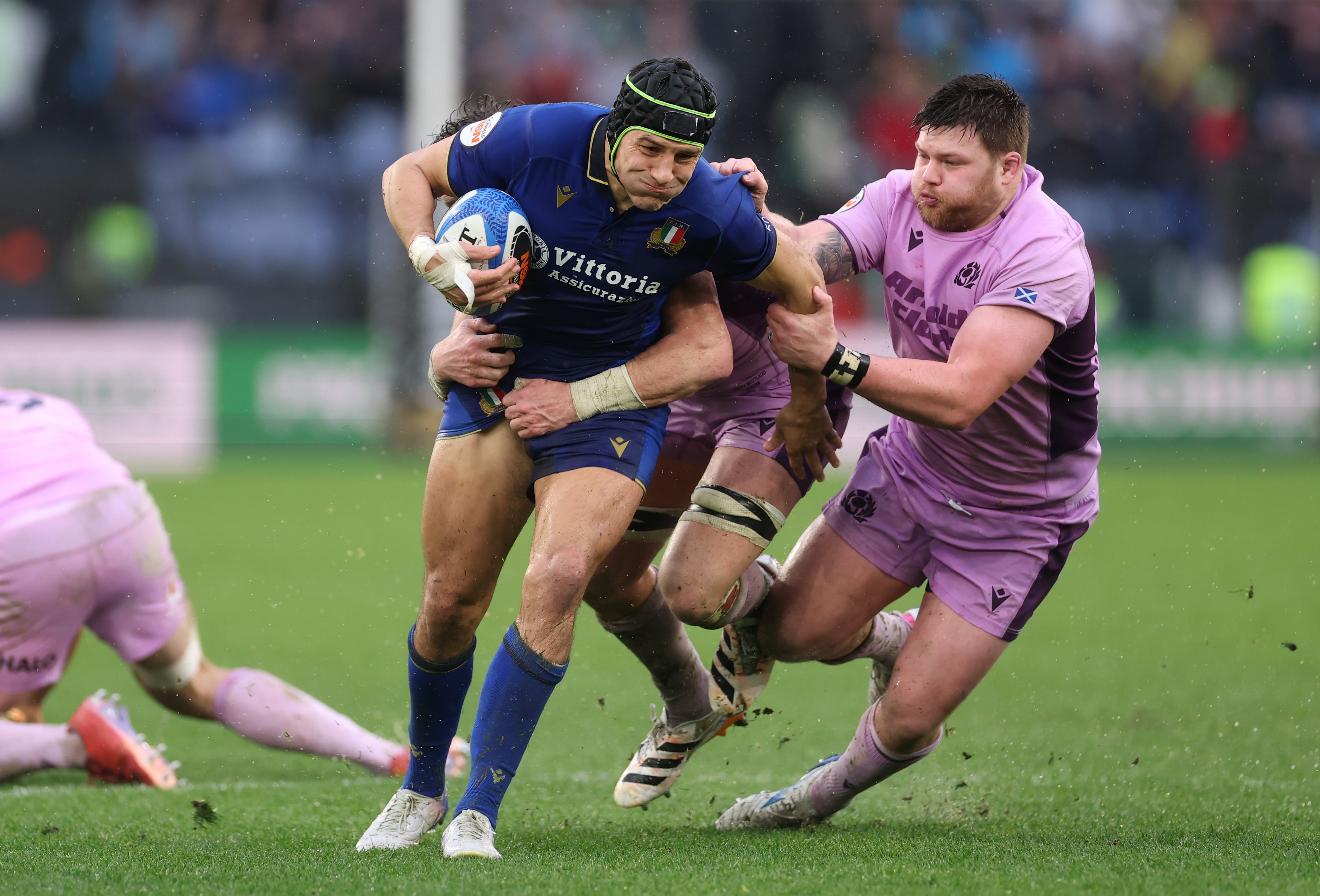
Such a term would accurately describe an Italian side of few changes, even with Ange Capuozzo absent. The return of Juan Ignacio Brex, absent in rounds two and three for personal reasons, reunites chiaroscuro centres of wonderful contrast, the velvet No 13 a perfect foil to Tommaso Menoncello’s more iron-fisted approach. The seven hills of Rome may shake, meanwhile, at a scrum skirmish between the two best set-pieces in the competition – England are winning 28.6 per cent of scrums on opposition ball and 100 per cent on their own, with Italy’s equivalent numbers 19.1 per cent and 94.4 per cent. Something has to give.
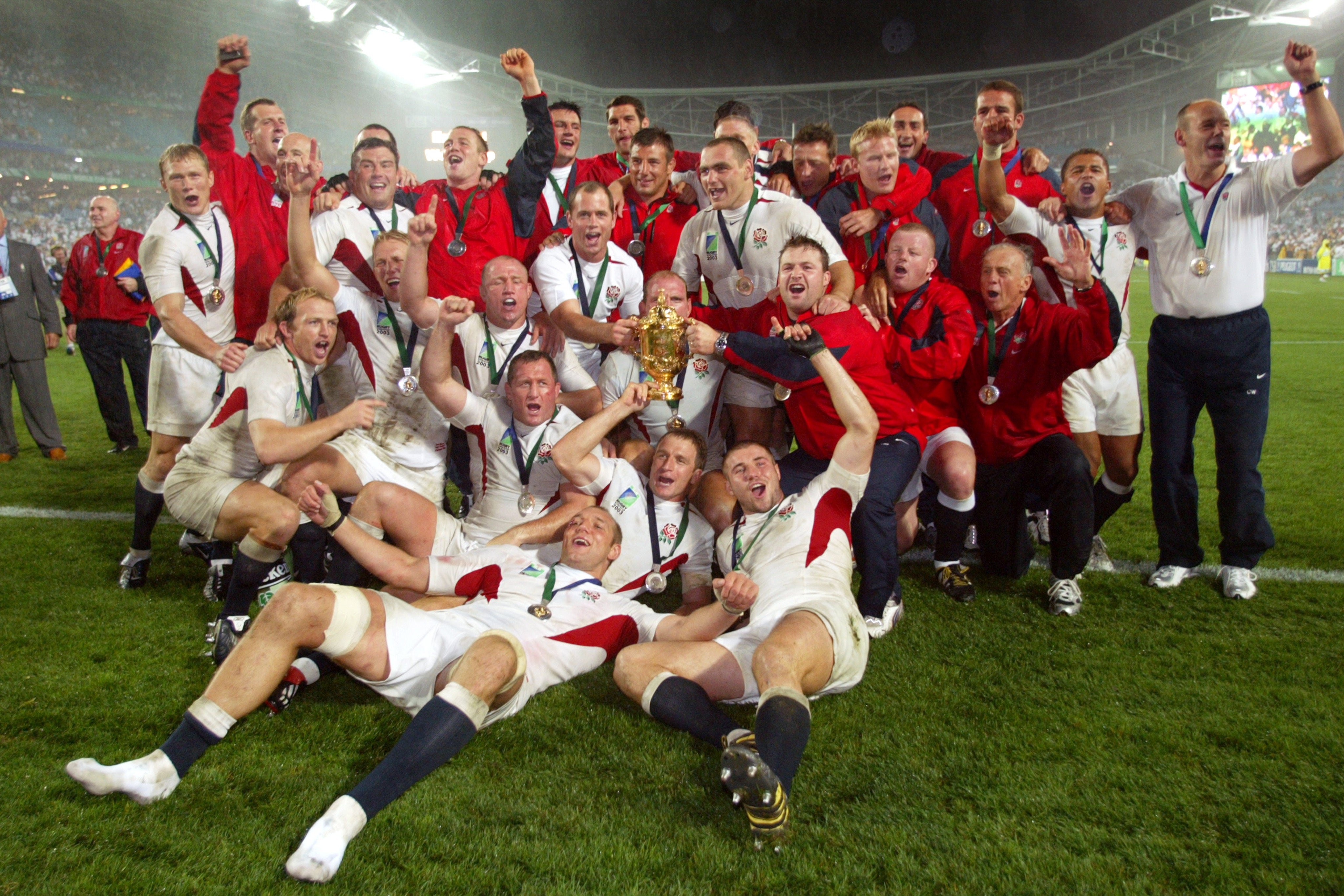
England’s Pennyhill Park training camp has seen visitors over the past week or so, and not just because of a concurrent conference of technological types running at the Surrey hotel. Double Olympic skeleton gold medallist Matt Weston and England football manager Thomas Tuchel provided their high-performance insights but it was a curry night last week with the 2003 World Cup winners from which the current crop seemed to take most. It was, it seems, a slightly peculiar atmosphere – “quite a few of them were very opinionated on what we should and shouldn’t be doing based off the Ireland game,” George revealed – but underlined was the need to stick together through the setbacks and back yourselves through the tough times.
It would be fair to argue that losing three grand slam games in succession, as Clive Woodward’s side did in 1999, 2000 and 2001, is at a level beyond that which this generation has achieved, George believes that there are plenty of lessons that can be learned, with Rome perhaps an apt place to get the chariot rolling again.
“A lot of what we took from their experiences was that their journey wasn’t linear,” the hooker said. “And no one’s journey is. You look at all the previous World Cup winners, they are not always linear. A lot of what we are doing is good. We believe in what we are doing, we believe in the people we have in the room.
“We owe a performance to everyone. We owe it to ourselves, we owe it to the England fans, we owe it to Steve and every single member of staff in the group because we are lucky and privileged enough to represent the whole country.”