Failed asylum-seeker families with children will be offered up to £40,000 to leave the country quickly or face being deported, Shabana Mahmood has announced.
As part of the home secretary’s immigration overhaul, a pilot scheme has been launched for 150 families who are living in migrant hotels, with offers already sent out.
The families will be offered £10,000 per member, capped at four per family, to leave the UK voluntarily. They will have seven days to reply, and if they do not take up the offer, the Home Office will attempt to forcibly remove them from the country.
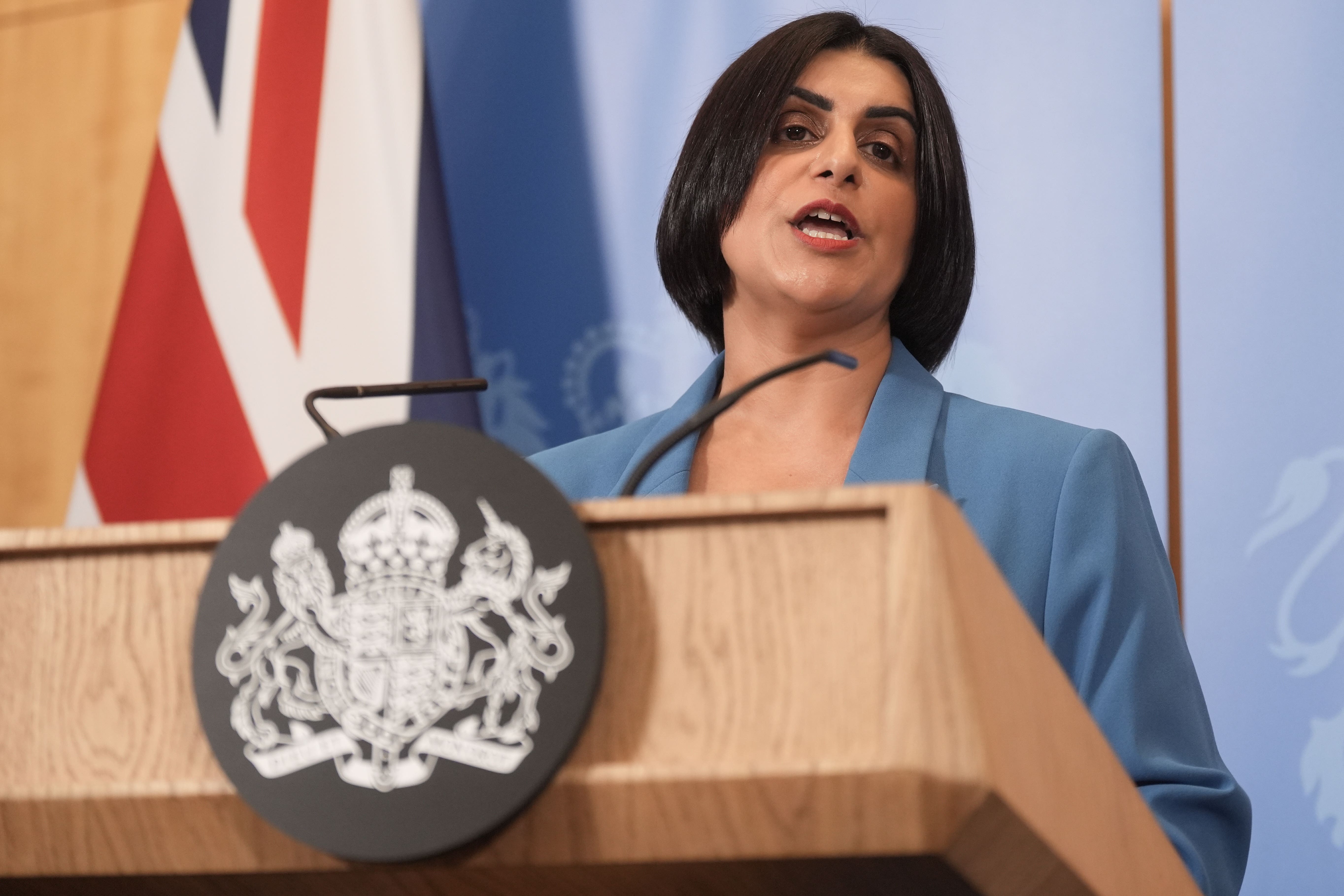
Ms Mahmood told an event in Westminster on Thursday that the Home Office will launch a consultation on how to remove families with children legally, including considering how force can be used against children. If the pilot is successful, the government will extend it to all failed asylum-seeker families.
Officials say that the pilot scheme will offer value for money for the taxpayer, with the average family of three costing around £158,000 to house in an asylum hotel for a year.
But charities and campaigners warned that detaining young children, even for short periods, would be “traumatising”, and said the plans risk creating “chaos rather than control”. Reform UK likened Labour’s plans to “offering up a £40,000 prize to those who break in”, while Green Party leader Zack Polanksi said Ms Mahmood was “desperate” and that her plans were “dangerous”.
Imran Hussain, a director at the Refugee Council, said the seven-day ultimatum would not encourage families to engage with the process. He said: “Giving families just seven days to decide whether to uproot their children’s lives, often without access to proper legal advice, risks creating chaos rather than control. Many families simply do not feel safe to return to their countries of origin. And nobody wants to see distressed children detained and forced onto deportation flights.
“Families are far more likely to engage if given proper time, support and legal advice – making it more effective, and better value for the taxpayer.”
Kamena Dorling, director of policy at Helen Bamber Foundation Group, said: “Reintroducing child detention and imposing forced destitution to coerce families to leave the UK has already been proven ineffective and will cause significant harm.”
Dr Ilona Pinter, a researcher at the London School of Economics studying families in the asylum system, said financial incentives would “create further animosity and stoke resentment against families seeking safety”. She added: “Forced removals are expensive for the Home Office, so it would prefer families to leave without the need for detention and enforcement action. But ultimately, if families do not feel safe returning to their country of origin, they will not take [up the offer of] this scheme.”
Children can only be held in immigration detention with their families for up to 72 hours, or for seven days with ministerial approval.
The Home Office does not know how many failed asylum-seeking families are being housed in migrant hotels. The Independent revealed last year that the UK had paid migrants a total of £53m to leave the country between 2021 and 2024.
Under current policy, migrants can receive up to £3,000 as an incentive to return home as part of what are known as “assisted returns”.

On whether the pilot payments act as a draw to the UK, a Home Office source said: “Our intelligence shows people-smugglers charge between £15,000 and £35,000 per illegal migrant. As a result, the pilot to pay them to leave cannot act as a pull factor, because it costs more to get here in the first place.”
The home secretary made the case for her wide-ranging immigration reforms at an event held by centre-left think tank the Institute for Public Policy Research, saying that Labour would tread the line between Nigel Farage’s “nightmare [of] pulling up the drawbridge and shutting out the world” and the Green Party’s “fairytale of open borders”.
Ms Mahmood faces a backbench revolt over the plans, which include making refugee status temporary and subject to review every 30 months for those granted asylum in the UK. She is also proposing making permanent settlement rights much harder to obtain in the UK, extending the length of the pathway from five years to 10, and has proposed scrapping the 10-year long route to residency, a route used by people who have spent 10 or more years in Britain legally.
The changes on settlement are subject to a consultation that closed to submissions in February, with its conclusions yet to be announced.
Ms Mahmood said her party’s identity is being “bitterly” contested, but insisted that Labour values are at the heart of her “firm but fair” migration reforms.
She also committed to a student refugee visa route opening in 2027, but announced an immediate suspension of study visas for individuals from Afghanistan, Cameroon, Myanmar and Sudan.