Coastal sea levels are already up to a foot higher than many scientists believe, according to an alarming new assessment from researchers in the Netherlands.
The findings have concerning implications for hundreds of millions living in coastal communities around the world – and especially for Southeast Asian and Indo-Pacific nations – showing rising seas may threaten tens of millions more people than previously estimated after three feet of relative sea level rise.
Coastal sea levels threatening these nations – which have already seen the most severe impacts of climate change-driven sea level rise – are up to 6.5 feet higher than models have estimated, the statistical analysis showed, likely meaning that current plans to address rising sea levels need to change and expand.
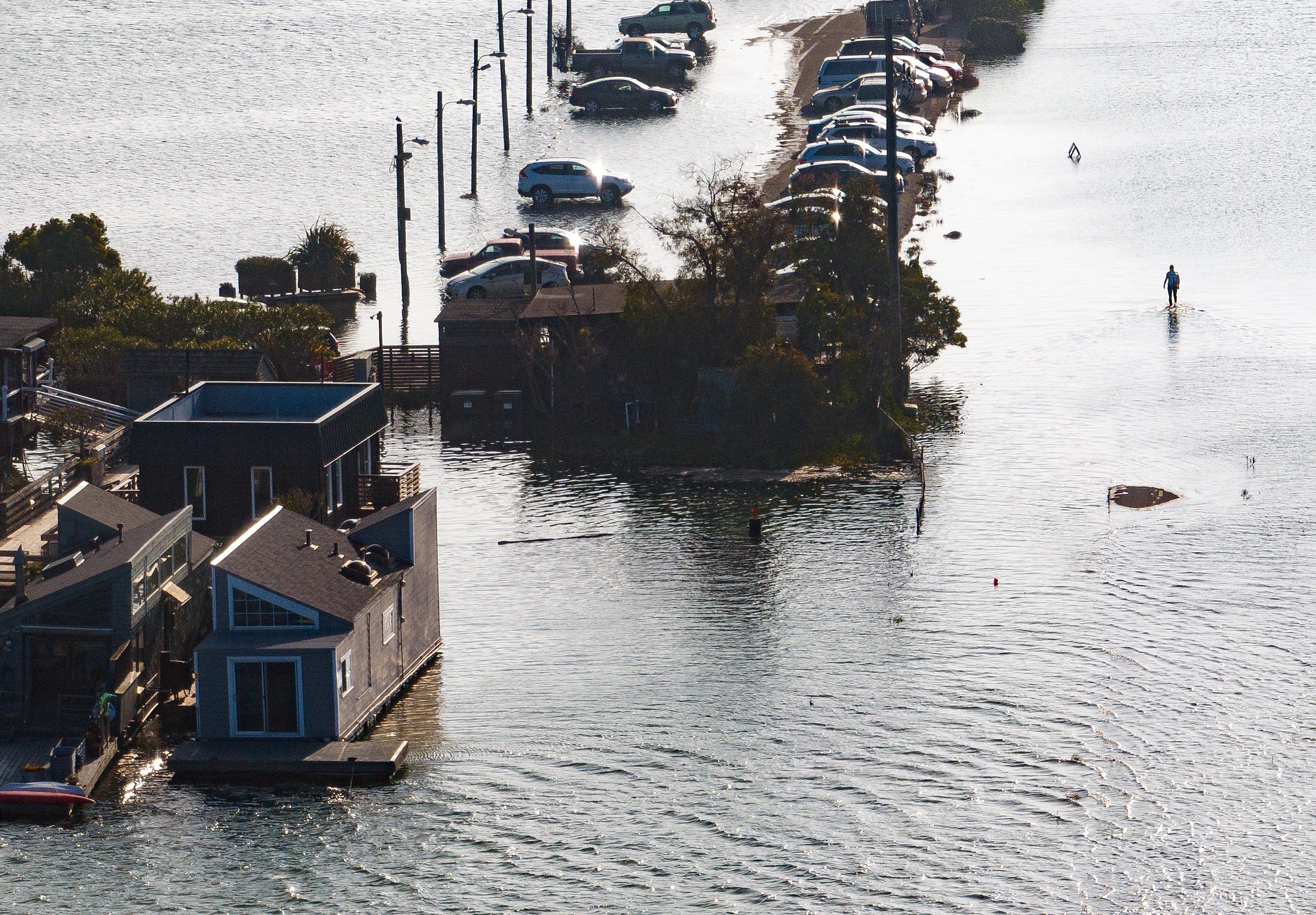
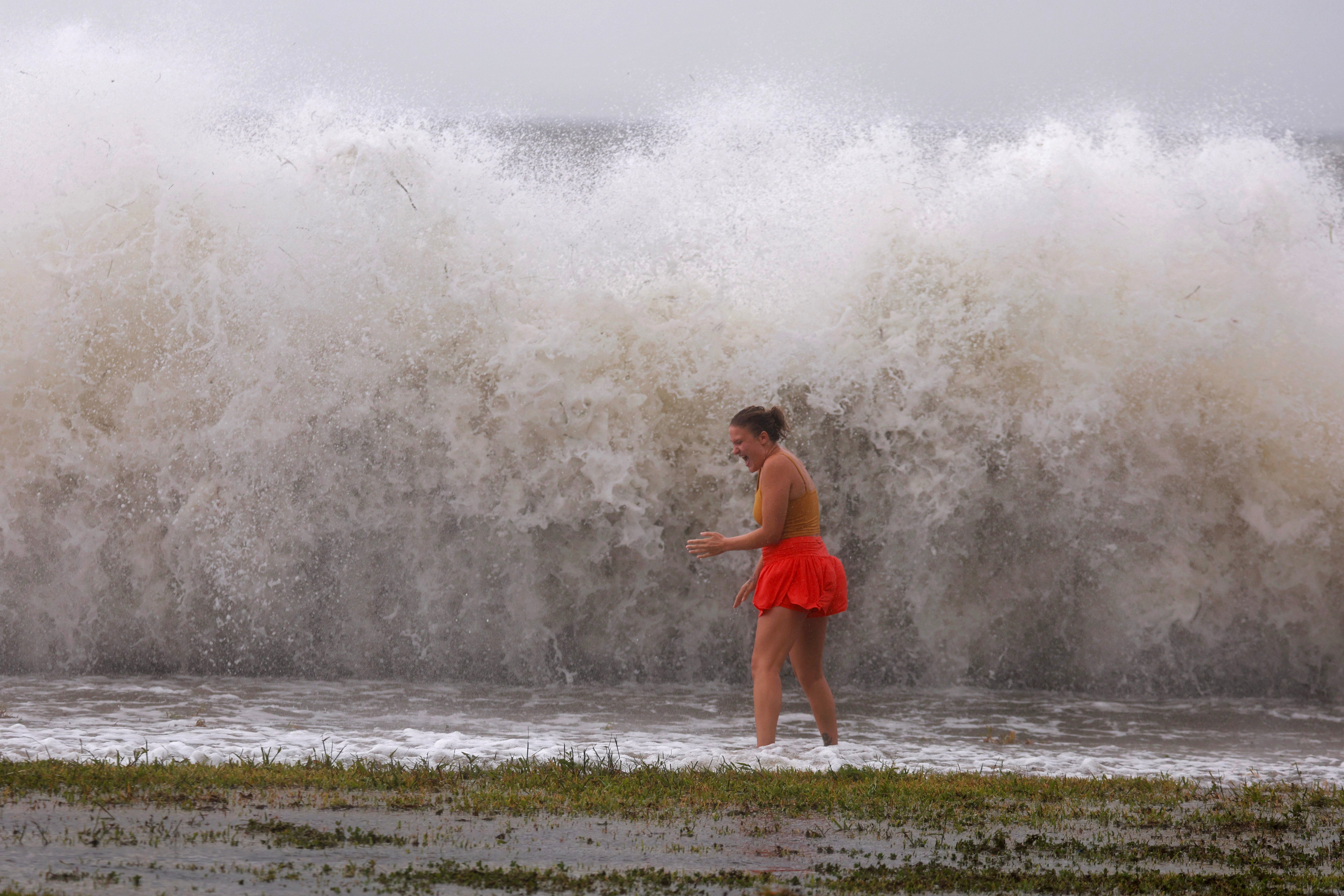
Sea level rise not only stresses infrastructure and forces migration, but worsens storm surge and flooding during hurricanes that are expected to be more frequent in a rapidly warming world.
“Our study reveals fundamental misalignment issues of sea level and coastal elevation throughout a wide body of scientific literature, which introduces errors and creates large uncertainties in the vast majority of coastal hazard and sea level rise and/or relative sea level rise impact assessments,” the researchers at Wageningen University & Research wrote.
The findings also mean that established models and science need to change, with more than 99 percent of 385 studies included in the research needing revision.
Essentially, scientists have been working from the wrong starting point. That’s because they measured sea level using a decades-old method known as the “geoid model,” showing average sea level based on gravity and the Earth’s rotation and not accounting for factors like tides, current and water temperature.
More than 90 percent of the studies included in the review assumed the current sea level based on geoid models.
“Of the studies that did use sea level measurements, some did so incorrectly or did not provide a complete and reproducible methodological description,” the university said in a statement.

For some regions of the world, the discrepancy was bigger than for others, too. The differences were smaller in regions like Northern Europe and the U.S. East Coast, but larger in many southern parts of the world.
That’s because there was less data available for geoid models in the global south and ocean dynamics are stronger in the region; sea levels there are more influenced by tides, winds and currents. There’s also a calculation that needs to be done to correctly link measurements of the level of the sea and land, which are taken using different satellites.
“If you want to know the elevation of your land relative to sea level, you have to convert the different datasets to a common reference frame first. Then you can correctly determine the relative height between the two,” Philip Minderhoud, the senior author of the research and an associate professor at Wageningen University & Research and Deltares, said.
With these adjustments, sea level rise around Antarctica is slightly lower, and the average global coastal sea levels are around 30 centimeters – a foot – higher than the levels assumed in the majority of the studies.
All of this could mean millions more people live below sea level.
But Minderhoud and co-author Katharina Seeger, a postdoctoral researcher at the University of Padova, say not every country needs to update its data.
The Vietnamese government in the Mekong Delta relies on local data and projections, rather than international studies. It remains unknown if that applies to all countries, Minderhoud noted.
‘Now that we have discovered this blind spot, the scientific community can make more accurate assessments for coastal areas and cities around the world,” he said. “This will help, for example, to determine which areas are most vulnerable to future sea level rise and where coastal adaptation strategies are most urgently needed.”
In the U.S., nearly 30 percent of the population lives in coastal areas, according to the National Oceanic and Atmospheric Administration.