
The small Himalayan nation of Nepal is heading to polls this week, almost six months after a violent Gen Z-led protest brought the government to its knees and forced prime minister KP Sharma Oli to resign.
Around 800,000 first-time voters will be among nearly 19 million people to cast their ballots on Thursday to choose members of the 275-seat House of Representatives, in what is widely being framed as a contest between the political old guard and an impatient new generation.
Last September’s protest, which resulted in the death of 77 people, exposed the scale of youth anger over corruption and scarce jobs in a country where one in five young adults is unemployed. Since then, following in Bangladesh’s footsteps, Nepal has been governed by an interim administration, which promised accountability for the killings and fresh elections.
Nepal, a Hindu-majority nation of 30 million people, is preparing to celebrate Holi, the festival that marks the arrival of spring and the triumph of good over evil. The election will be held the following day.
“We will celebrate Holi on Wednesday and we will celebrate democracy on Thursday. It is a positive omen,” Aadarash Thapa, a 19-year-old college student from the capital Kathmandu, who was part of last year’s protest, tells The Independent.
“It is spring and it is time for a new government. Hopefully, we will play with colours once again after the results are declared,” adds Thapa, a self-proclaimed fan of rapper-turned-politician Balendra Shah.
Thapa says he will cast his vote for the first-time this week “for a corruption-free Nepal”.
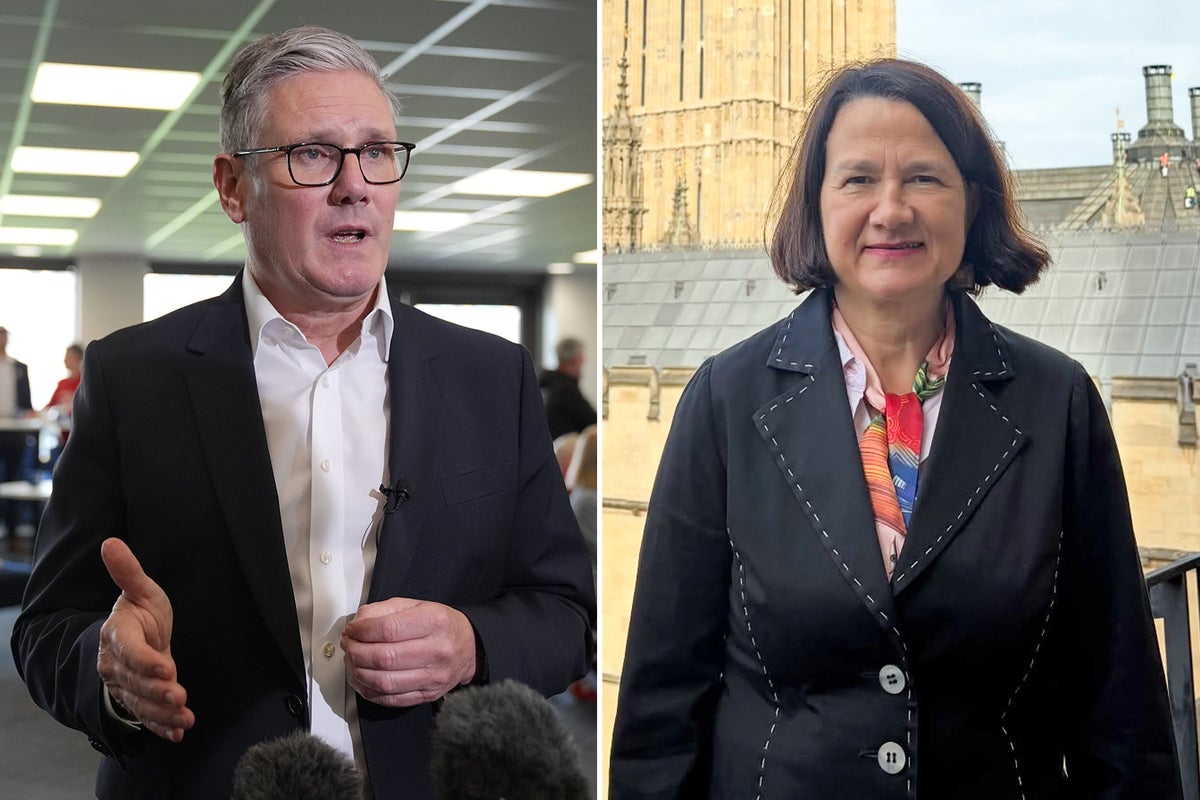
Several first-time candidates, including prominent activists from last year’s protests, are taking on Nepal’s political old guard. However, the race for the prime minister’s chair is shaping into a three-way battle between Oli, young party leader Gagan Thapa, and former rapper-turned-Kathmandu mayor Shah.
The winner will be the country’s 16th prime minister in less than two decades, a sobering reminder of Nepal’s chronic political instability since the 2008 abolition of the monarchy.
Over 3,400 candidates from 63 political parties are contesting, nearly two in five of them under 35.
The demographic make-up of the contestants is a reflection of the population, nearly two-thirds of which is also under 35.
With youth unemployment at 20.6 per cent, the highest in South Asia and Southeast Asia, according to the World Bank, Nepal today is a portrait of the failure of successive governments to tackle the jobs crisis.
The largest political parties are vowing to tackle unemployment by fixing the outflow of workers that started when the country liberalised its economy in 1991 and private recruitment agencies set up shop.
Widely seen as the frontrunner riding on the popularity of its prime ministerial candidate, the mayor Shah, the centrist Rastriya Swatantra Party (RSP) has promised to create 1.2 million jobs to reduce forced migration. The Nepali Congress, the country’s oldest political party, has pledged to generate 1.5 million jobs and slash the outflow of workers by half in the next five years.
At a rally in Kathmandu as rap music blares, people wait eagerly for Shah, 35, to take the stage. People of all ages chant “Balen”, as he is popularly known, while giant banners of the political newcomer in his trademark black sunglasses loom over the crowd.
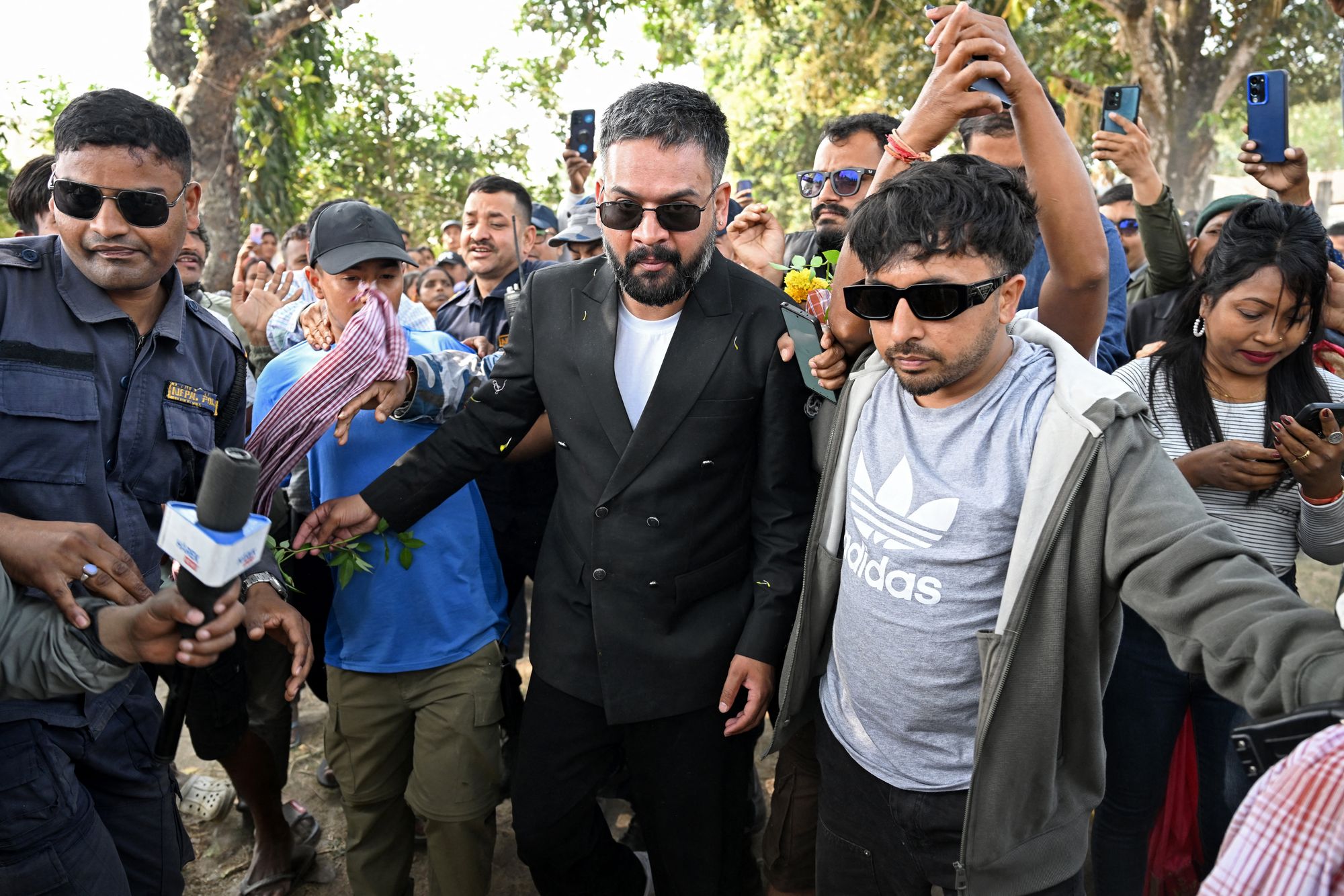
Shah has turned his self-asserted readiness to challenge entrenched political patronage into a star-making formula. He’s taking on Oli, a four-time prime minister, on the veteran’s home turf in the Jhapa district. Oli, 74, has won six times from the constituency in his long political career.
Shah has positioned himself as the face of youth-led political change and has largely shunned the mainstream press to rely heavily on social media to amplify his messages. “Our agenda is that the poor people who have no money in their pockets should get a full education. The poor people with empty pockets should get access to the health facilities. That is our agenda,” he tells his supporters in western Nepal.
Nishchal N Pandey, director of the Centre for South Asian Studies in Nepal, points out that no government has survived a full term in decades. “These are historic elections,” he tells the BBC. “People are tired of the same old faces. They want to see a generational contest between Gen Z and the group of older politicians from the 1990s.”
Challenging Shah is Gagan Thapa, the newly installed leader of the Nepali Congress, a liberal democratic party with close ties to neighbouring India.
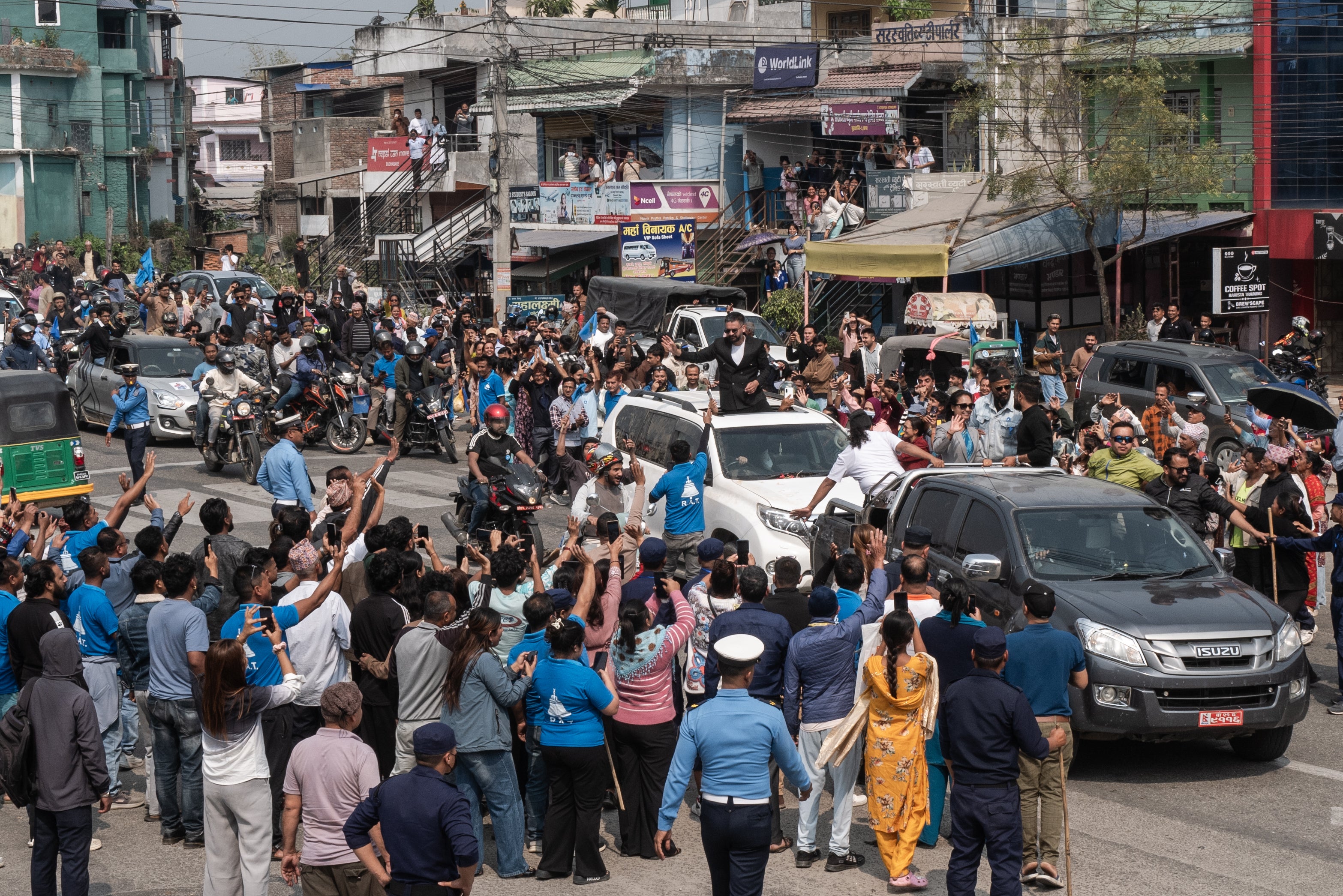
A popular face within the Nepali Congress, Thapa, 49, had been held back by the party’s senior leadership until earlier this year, when he mounted a rebellion and secured his election as party chief.
The Nepali Congress has remained a popular party even though it was a part of the last coalition government that was forced out in September.
Thapa says his priority would be to rid Nepal of corruption within five years and make the federal government fully accountable to the public.
He tells the news agency AFP that he wanted to end the “old age” club of revolving veteran leaders, adding that he offered voters the “right mix of energy and experience”.
Despite facing widespread public resentment, the veteran Marxist Oli retains backing within his Communist Party. The controversial leader is widely blamed for the deadly protests that felled his government last year.
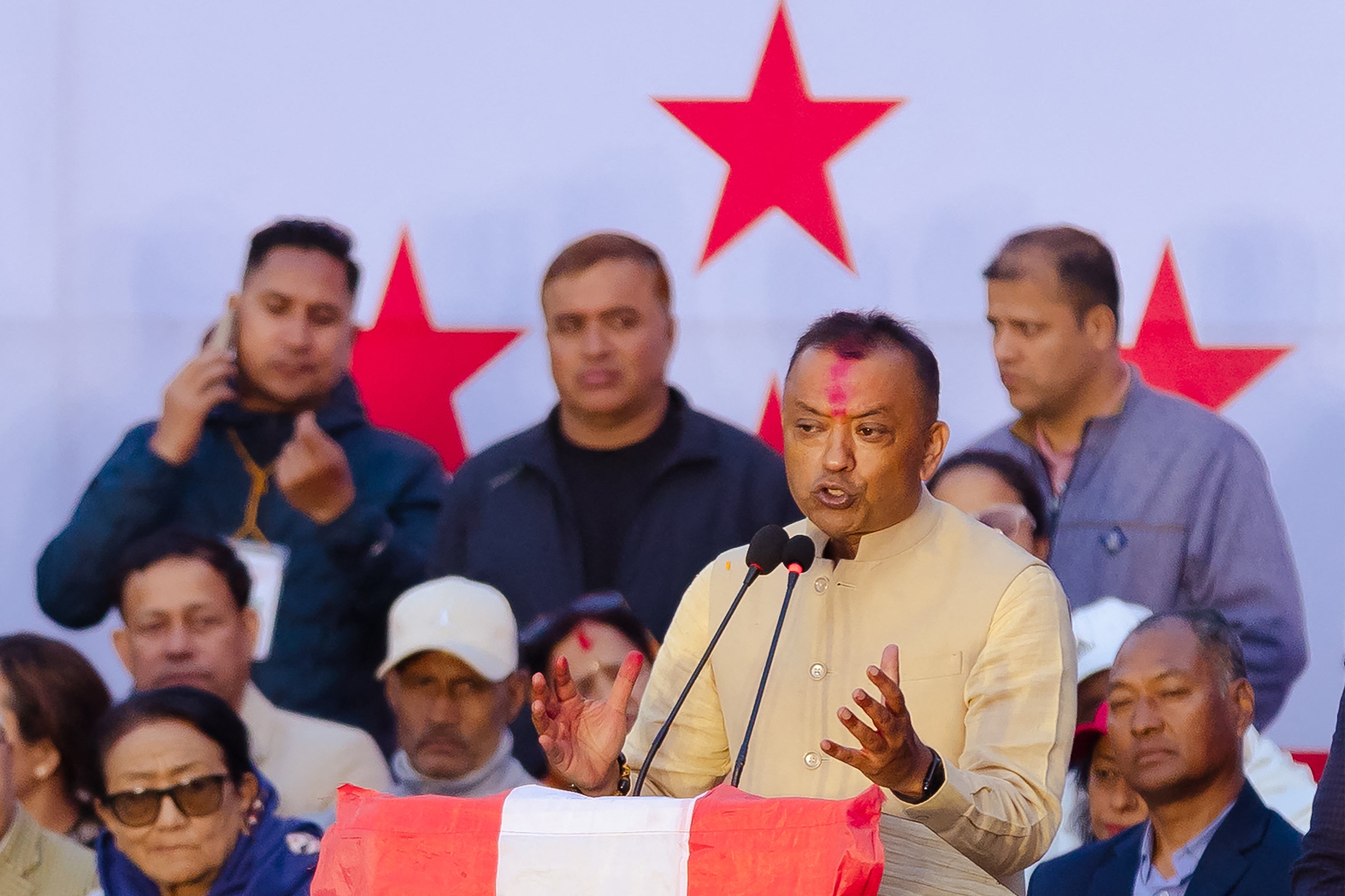
Oli, whose party is seen as being more friendly to China, has consistently argued that steady policies and politics are essential for Nepal, warning that the economy needs stability to develop. His popularity peaked when he stood up to an economic blockade imposed by India in 2015 that resulted in shortages of fuel, medicine and other necessities.
“It is definitely frustrating for the youth given the country’s state unemployment, but our family has traditionally voted for the Communist party and this year won’t be any different,” says Nikita Tamag, a 67-year-old shop owner in the capital.
“Balen might have style and he might say big statements to impress the new generation, but it is unlikely that he would be capable enough as the prime minister of my country,” she tells The Independent.
“What happened last September was unfortunate.”
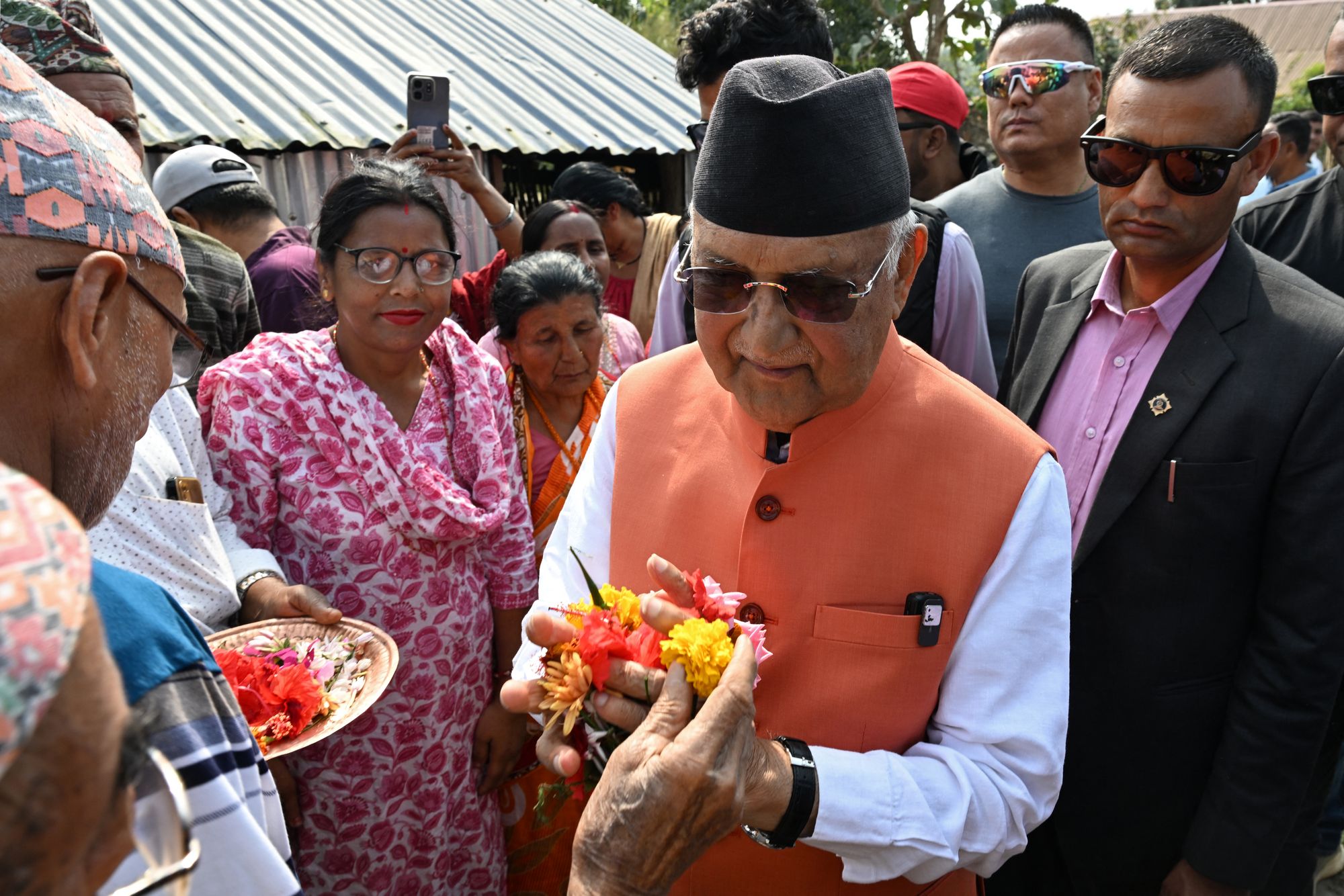
On 4 September 2025, Nepal blocked 26 social media platforms, including Facebook, Instagram, YouTube and X, sparking outrage, especially among young people who relied on them for news, work, and connection. The move was widely seen as an attempt to stifle dissent amid rising anger over the lavish lifestyles of politicians’ children while ordinary citizens grappled with unemployment.
On 8 September, Kathmandu saw protests by Gen Z – people born between 1997 and 2012 – turn deadly when clashes with security forces left at least 20 dead. Protests escalated the next day despite the government easing social media restrictions.
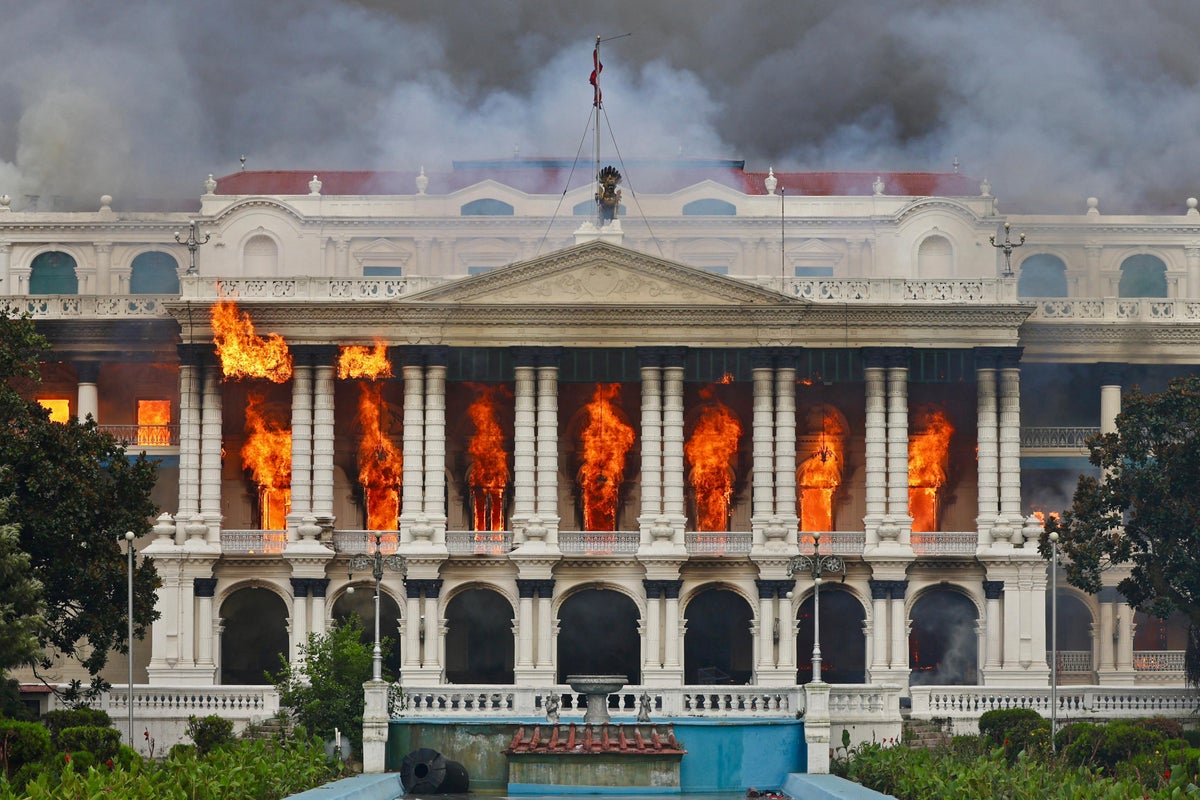
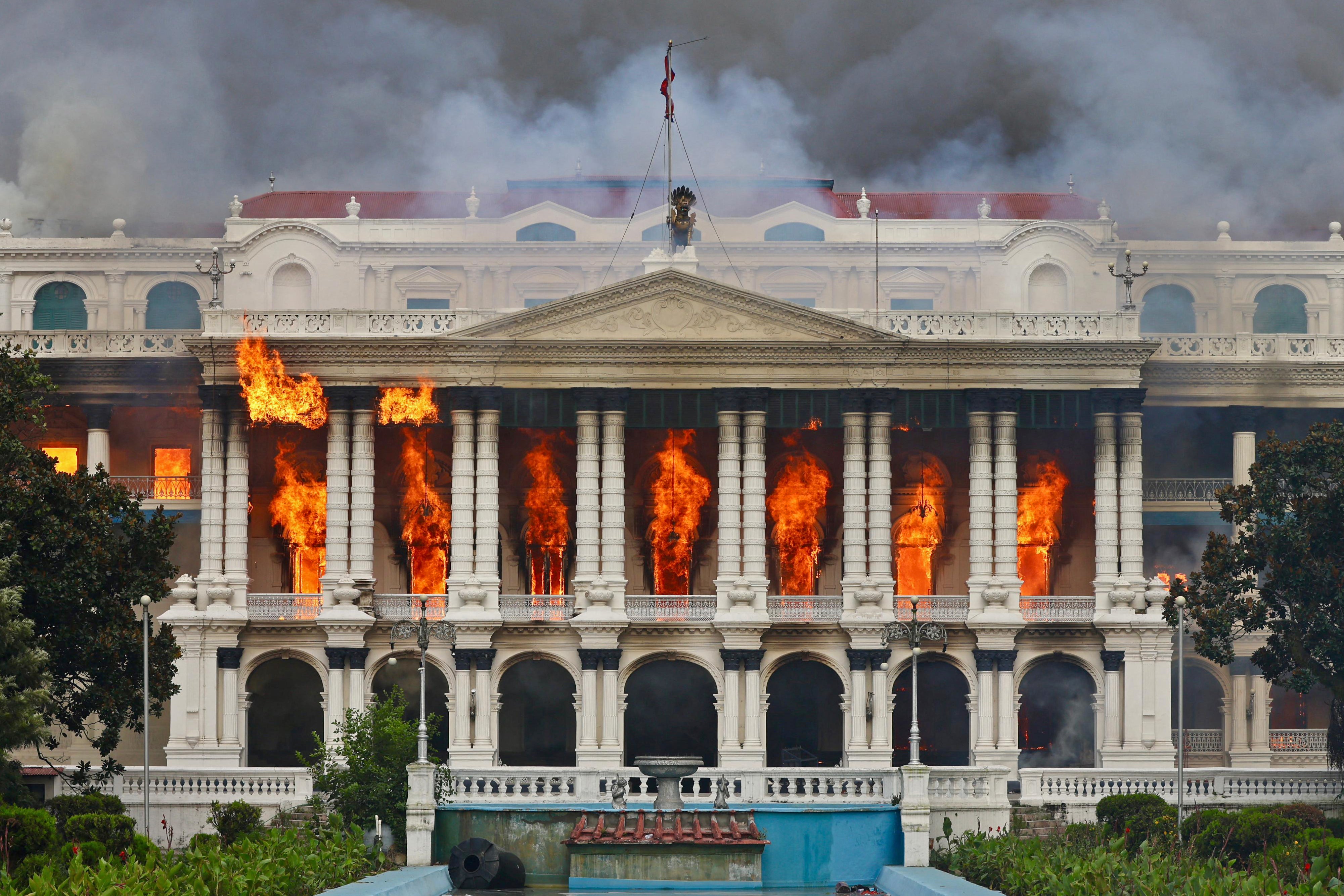
Violence surged, with over 2,500 buildings torched, from courts and government offices to media houses and hotels, including Kathmandu’s Hilton. In two days, at least 77 people were killed.
Days after Oli resigned, thousands of young activists used Discord to select former chief justice Sushila Karki to lead the interim administration. After being sworn in, the 73-year-old pledged to restore order, launch an inquiry into the violence, and form a cabinet to oversee elections.
But months later, the responsibility for the use of lethal force remains disputed between senior police officials and civil authorities.
Karki, in a televised address on Monday, said: “I sincerely appeal to you to go to your polling station and vote on Thursday, even if you have to leave other work.”
Pleading for calm, she added: “I request everyone to maintain peace and harmony during this election season. It is only with your active participation that our democracy will survive. To move the country forward on the path of political stability and prosperity, all voters should participate in the upcoming elections.”
The army will oversee voting to ease fears over the 750 weapons stolen from police during the September protests, which are still unaccounted for.