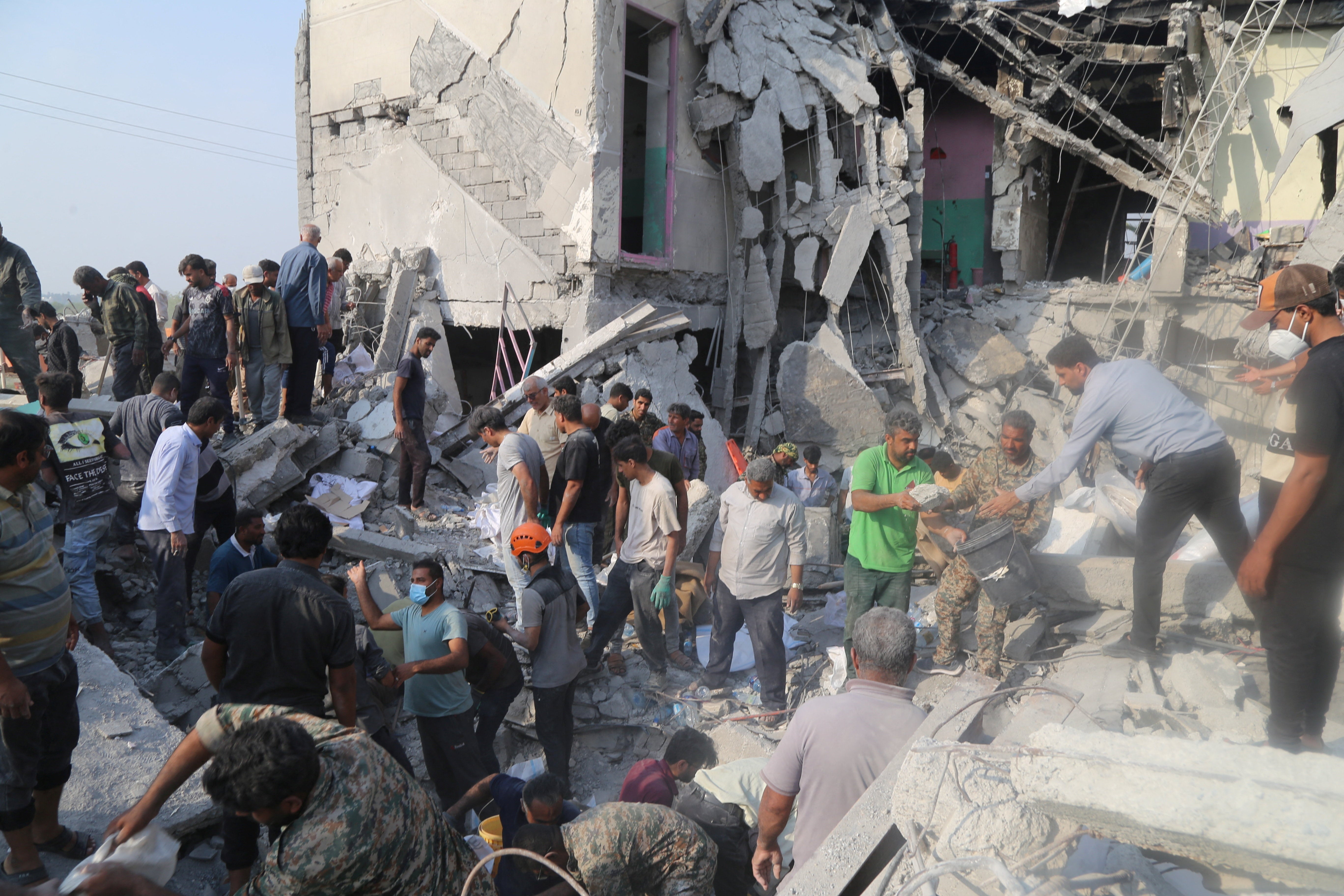
One hour before he spoke at a campaign rally in Texas, President Donald Trump gave U.S. military officials the final order to begin a series of devastating strikes in Iran that have killed hundreds of people and sparked fears of a wider regional war.
After stepping off the stage Friday night, the president visited a fast-food restaurant, where patrons chanted “USA,” and then boarded a plane for his Mar-a-Lago residence in Palm Beach, Florida.
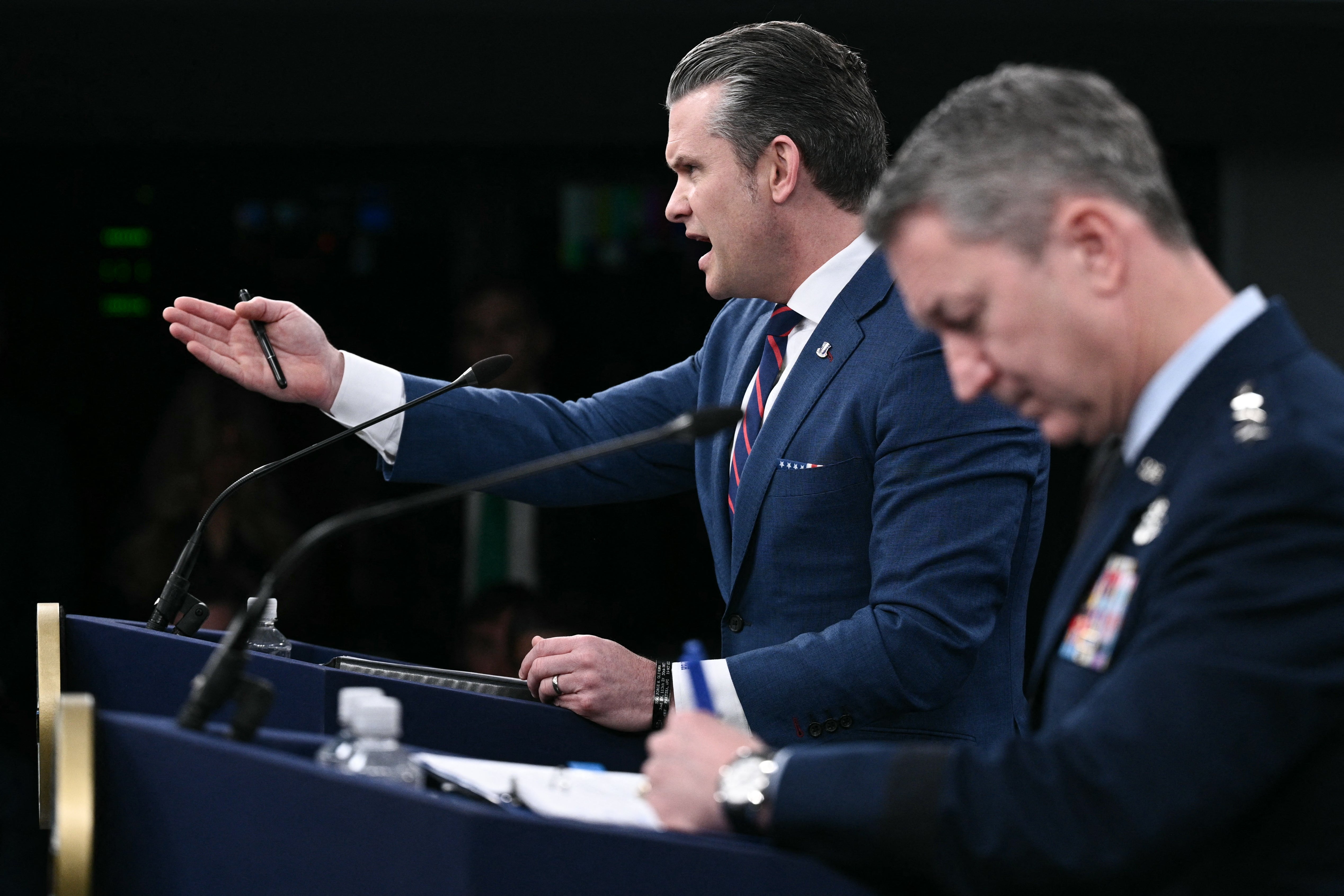
The next morning in Tehran, just after 1 a.m. local time in Florida, “the skies surged to life,” according to Gen. Dan Caine, chair of the Joint Chiefs of Staff, speaking to reporters Monday in the first briefing from administration officials since the attacks.
Trump’s attacks have killed hundreds of people, including Iran’s Supreme Leader Ayatollah Ali Khamenei, and at least four American service members have died.
Here’s how the first 48 hours unfolded.
Friday, February 28
3:38 p.m.
Trump was briefed on military options after a week of failed talks between Trump administration officials and Iran on the future of the nation’s nuclear enrichment facilities.
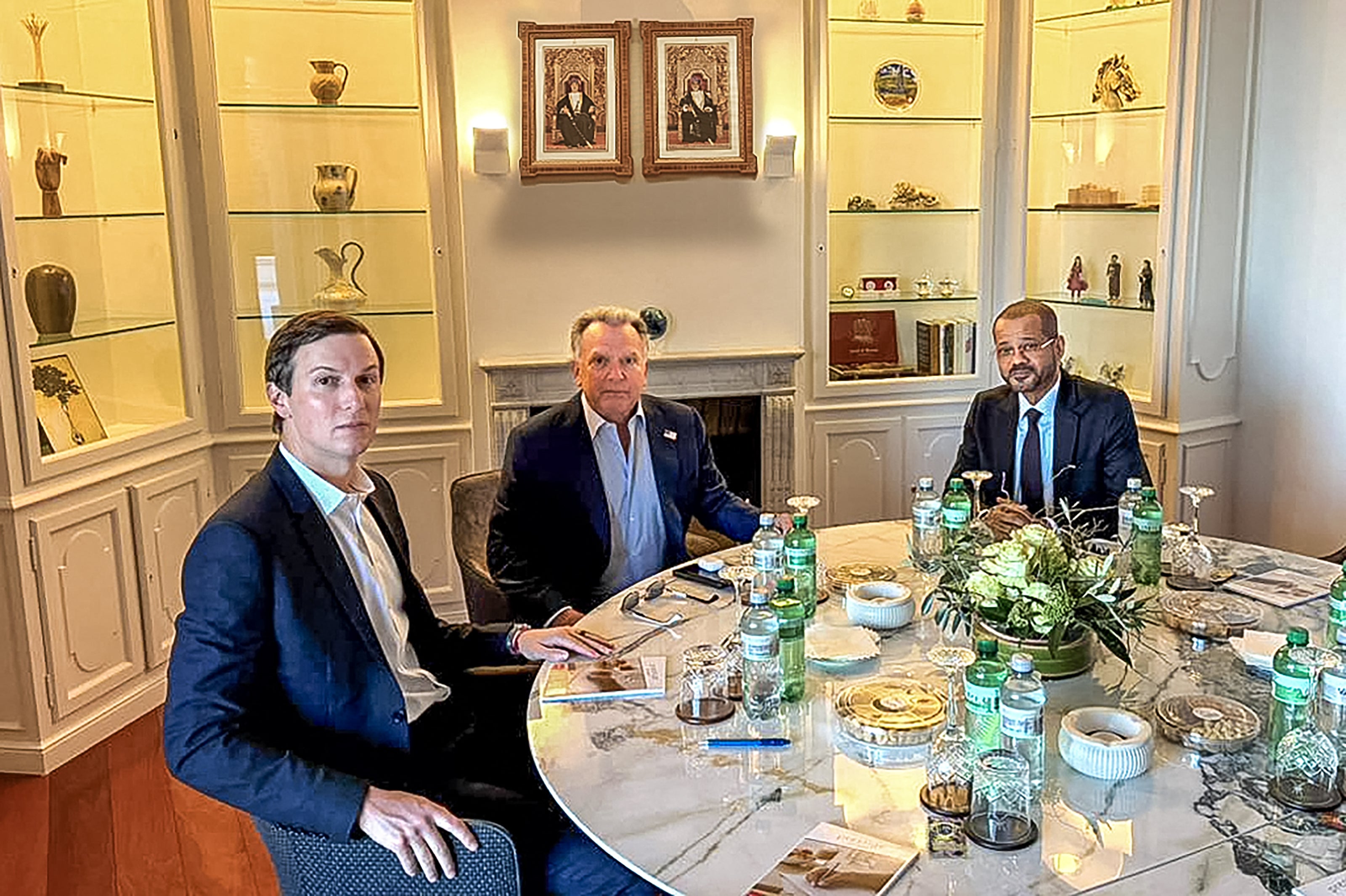
The president was reportedly briefed by Caine and U.S. Central Command commander Admiral Brad Cooper, who had joined indirect negotiations between Iran and the U.S. in Oman along with envoys Steve Witkoff and Jared Kushner.
Trump’s order arrived to U.S. Central Command through Defense Secretary Pete Hegseth at 3:38 p.m. EST Friday.
“Operation Eric Fury is approved,” the message said. “No aborts. Good luck. Close.”
4:45 p.m.
Roughly one hour later, the president stepped on stage in Corpus Christi.
“We have a big decision to make,” he told the crowd. “You know that’s not easy, not easy. We have a very big decision to make. We have a country that’s been 47 years blowing people’s legs off, arms off, faces. They’ve been knocking out ships, killing people, lots of people, not only Americans, lots of people. Been terrible — 32,000 people killed over the last two, three months. Protesters.”
Iran wants to “make a deal,” he said, one hour after directing the Department of Defense to launch a massive military operation in the country.
“I’d rather do it the peaceful way, but very difficult people,” he said. “I want to tell you that they’re very dangerous people, very difficult people.”
His speech ended at 5:47 p.m. EST.
6:19 p.m.
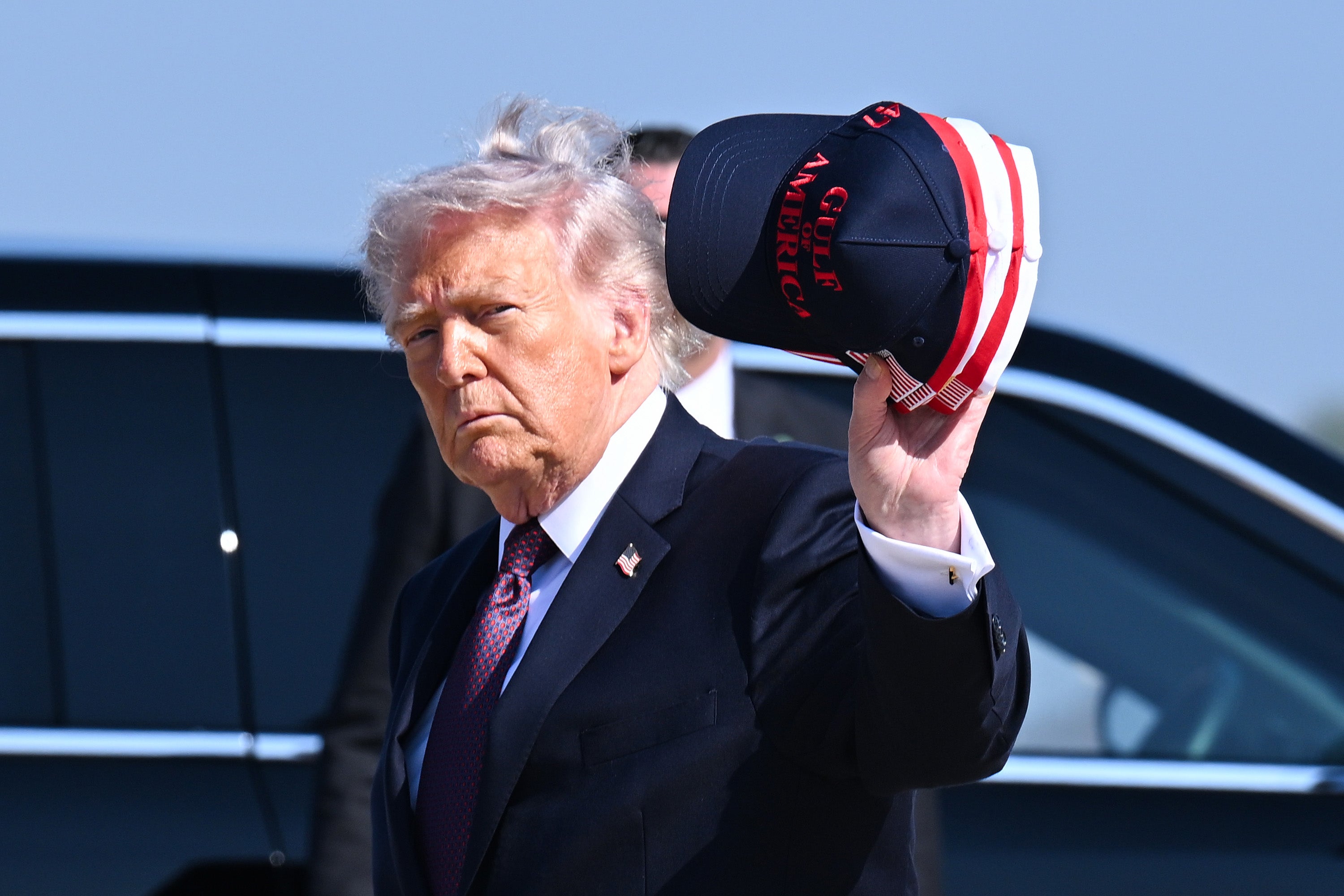
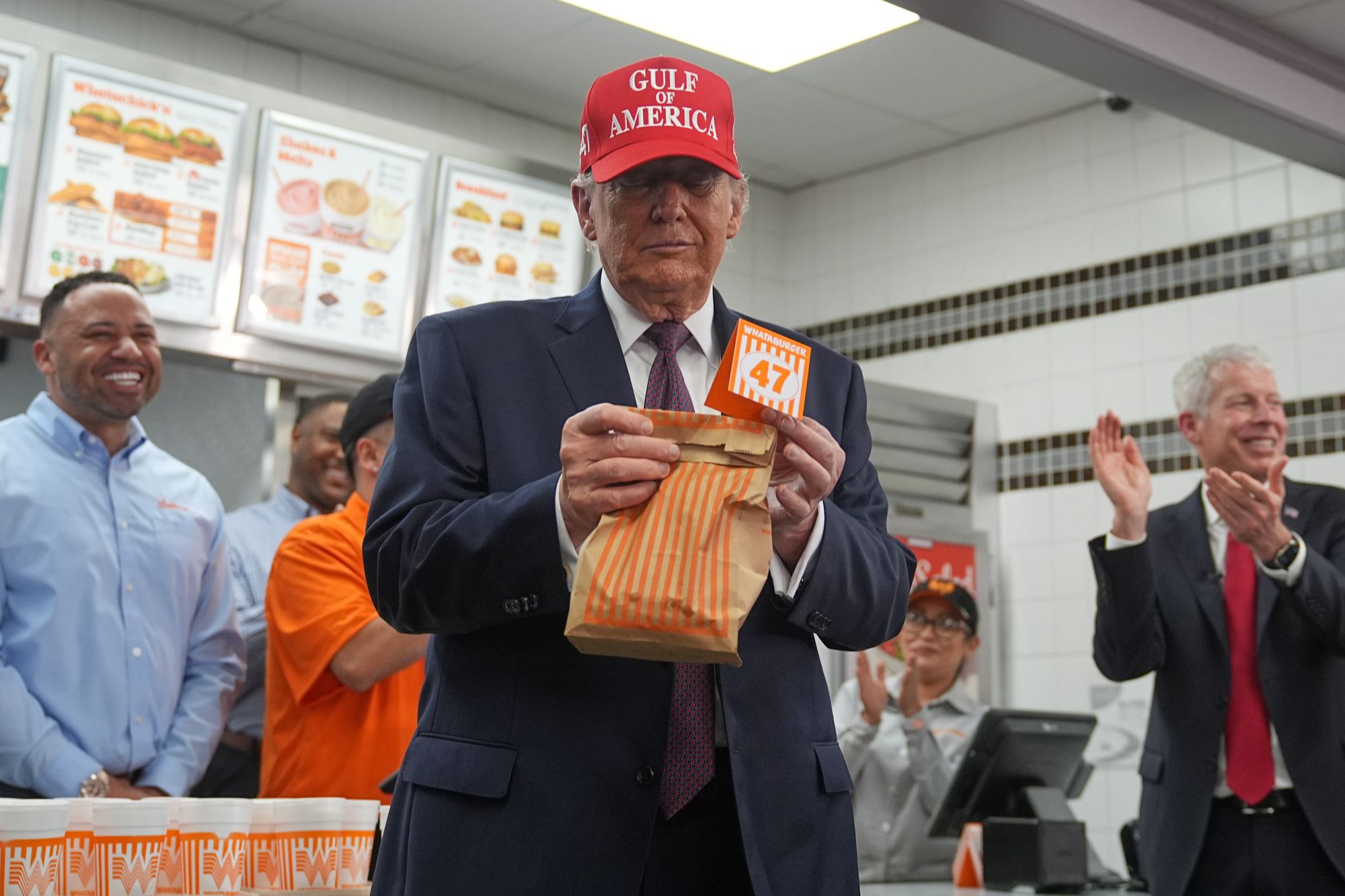
After leaving the rally, the president — wearing a “Gulf of America hat” — visited a Whataburger in Texas, where he shook hands with diners and staff behind the counter.
He left with a bag of cheeseburgers.
“I’m gonna take this and I’m gonna be thinking about you,” he told the crowd inside.
The president arrived at Palm Beach at 8:37 p.m. EST.
Saturday, February 28
1:15 a.m.
The U.S.S. Gerald R. Ford aircraft carrier, which was deployed to the western hemisphere, had been redeployed across the Atlantic Ocean in the weeks leading up to the attack.
“The ship, her crew, their families and the entire strike group took a deep breath, and as they always do, began planning to conduct combat operations,” Caine said March 2.
By Friday night, military and administration officials stationed at the White House, Pentagon, Tampa, Florida, and at Mar-a-Lago were preparing to direct and monitor the attack.
Trump, meanwhile, joined guests at Mar-a-Lago, where the president was pictured partying at a fundraising event for Place of Hope, a faith-based foster program. The gala began at 6 p.m., according to invitations to the event.
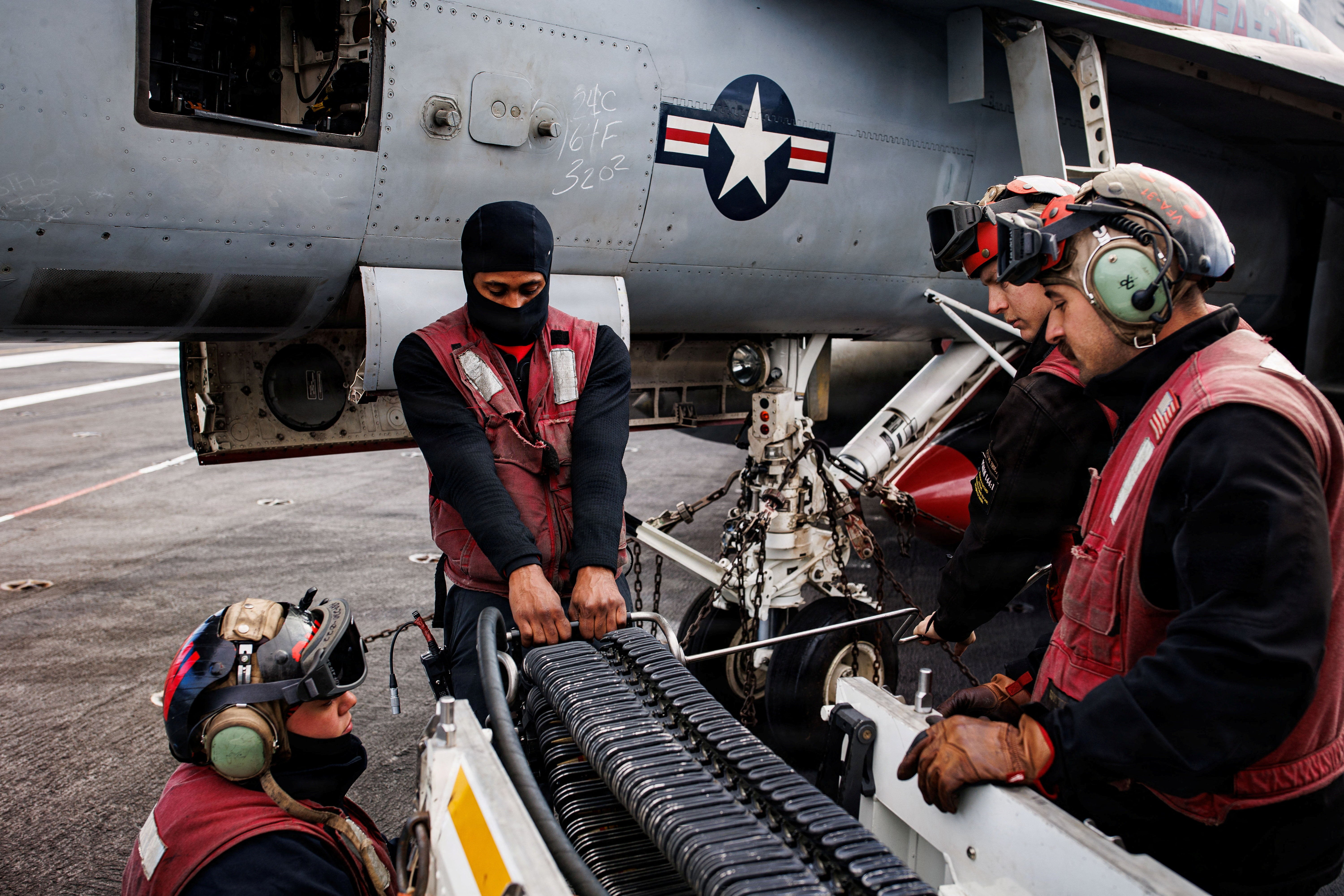
To prepare for a wave of attacks, U.S. Cyber Command and U.S. Space began a series of “nonkinetic effects” for “disrupting and degrading and blinding Iran’s ability to see, communicate and respond,” according to Caine.
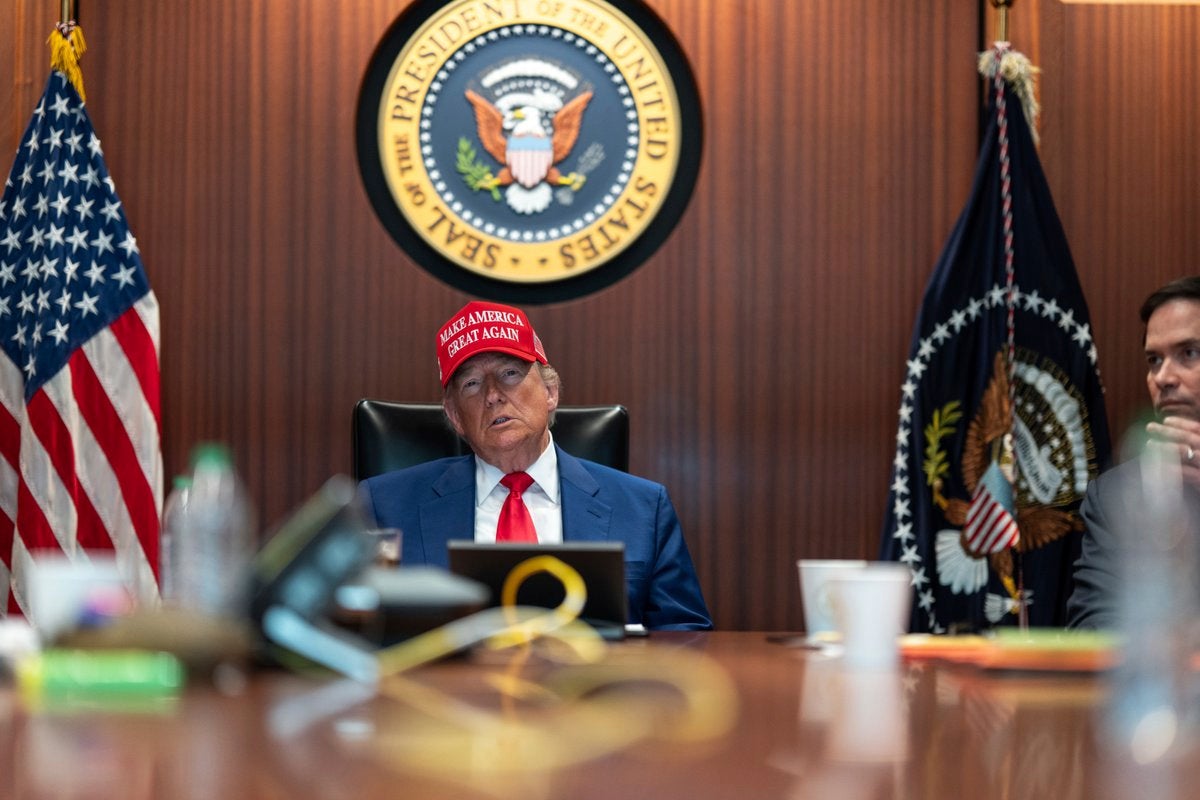
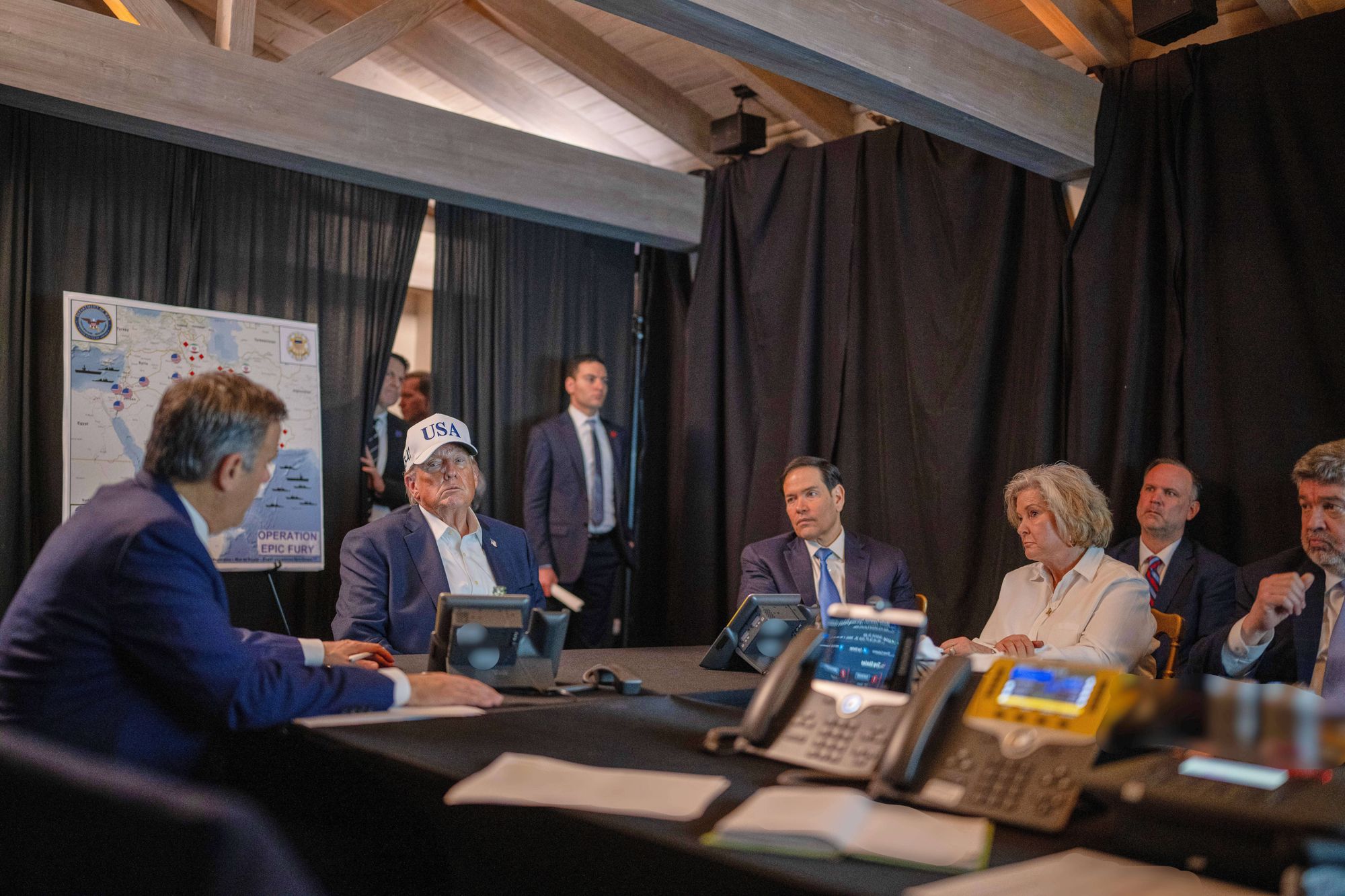
Trump, now wearing a white “USA” hat in gold letters, sat with Secretary of State Marco Rubio and White House chief of staff Susie Wiles in a curtained-off room at his residence, where a map of the Middle East showing the deployment of U.S. ships was installed above them, according to images released by the White House.
“Operation Epic Fury” was underway.
At 1:15 a.m. EST, or 9:45 a.m. in Tehran, “major combat operations” began, according to Caine.
More than 100 aircraft were launched, “forming a single, synchronized wave,” he said.
“This was a daylight strike based on a trigger event conducted by the Israeli Defense forces enabled by the U.S. intelligence community,” he said.
U.S. Navy vessels launched Tomahawk missiles from the sea, while “precision stand-off weapons” were fired on the ground.
2:30 a.m.
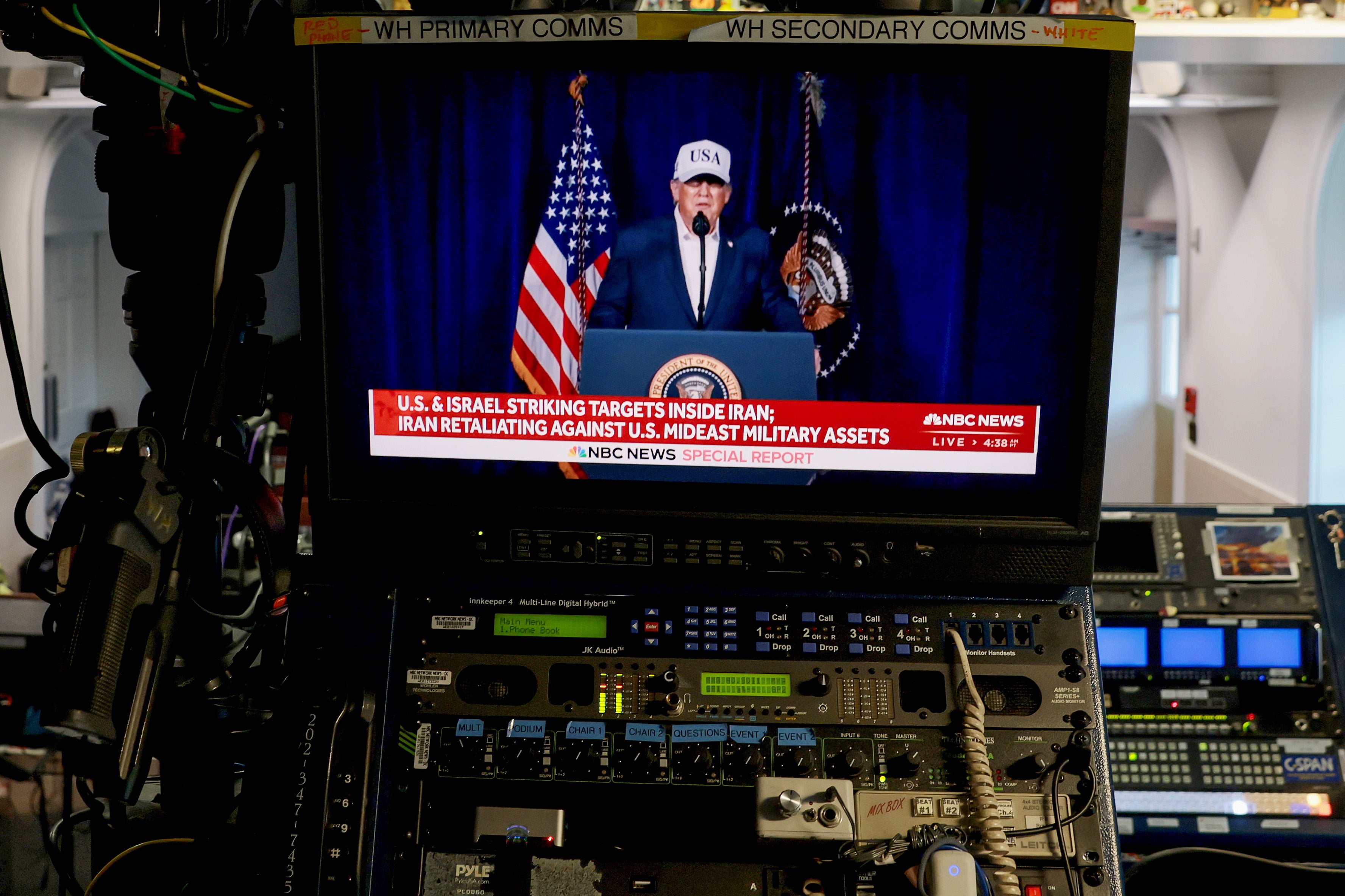
The president — wearing his white “USA” hat — published an eight-minute video to his Truth Social platform.
Standing behind a podium bearing the president’s seal, Trump said the United States began “major combat operations in Iran.”
“Bombs will be dropping everywhere. When we are finished, take over your government. It will be yours to take. This will be probably your only chance for generations,” Trump said. “America is backing you with overwhelming strength and devastating force. Now is the time to seize control of your destiny.”
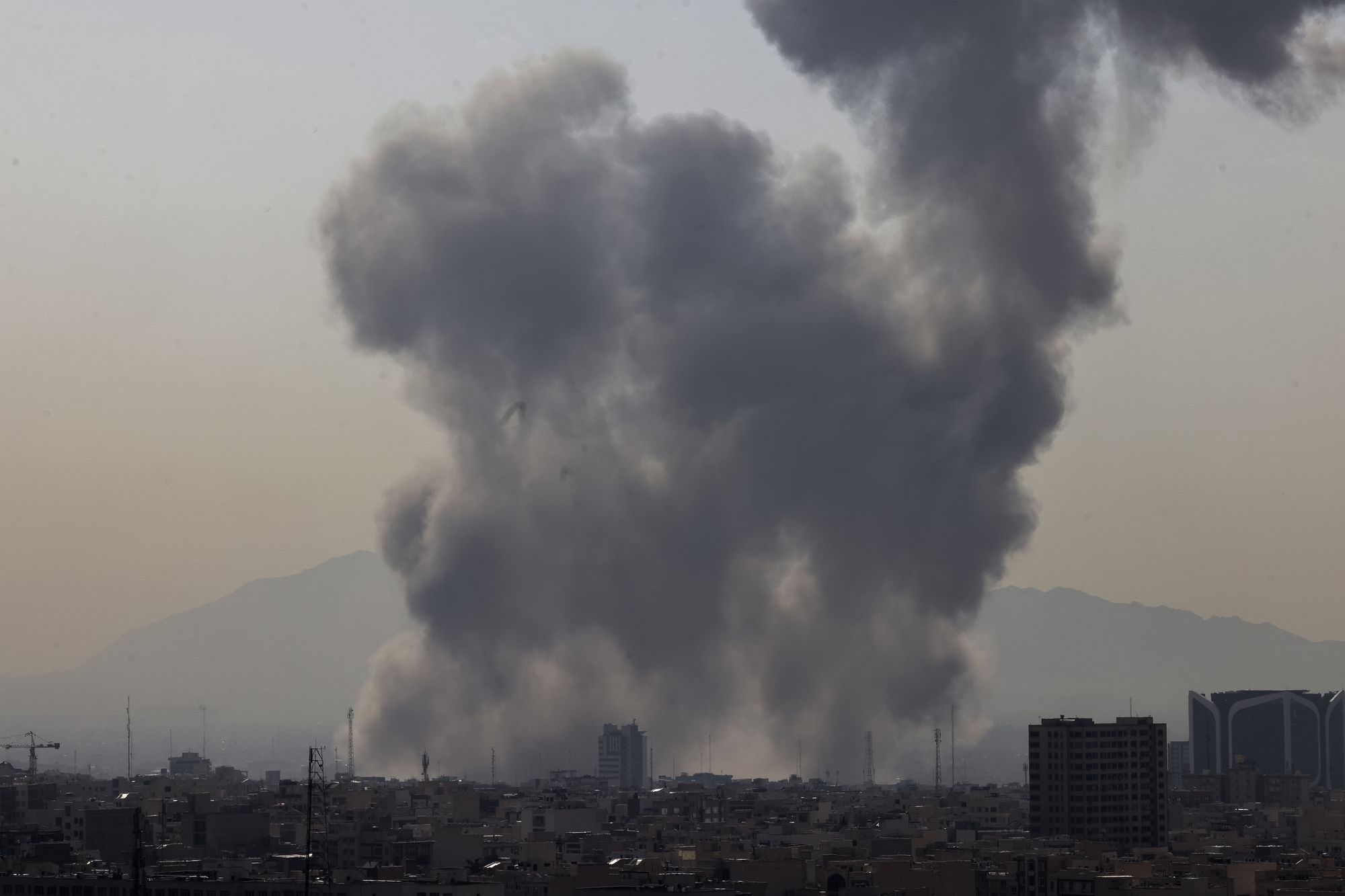
Oman’s defense minister Badr Albusaid, who helped broker talks between the U.S. and Iran, wrote at 7 a.m. EST he was “dismayed” by the attacks.
“Active and serious negotiations have yet again been undermined,” he wrote. Neither the interests of the United States nor the cause of global peace are well served by this.”
More than 1,000 targets were hit within 24 hours, according to Caine.
U.S. joint forces “delivered synchronized and layered effects designed to disrupt, degrade, deny and destroy Iran’s ability to sustain and conduct combat operations,” he said. “This marked the culmination of months and in some cases of years of deliberate planning and refinement against this particular target set.”
U.S. forces fired tens of thousands of rounds during the first two days of attacks.
American B52 bombers completed a 37-hour round trip from the continental United States to Iran to drop “precision penetrating munitions on Iranian underground facilities across the southern flank and slightly deeper,” Caine said.
After two days of fighting, the United States has established “local air superiority” over Iran, according to Caine. “This air superiority will not only enhance the protection of our forces,” he said, “but also allow them to continue to work over Iran.”
That night, Iran state media confirmed the death of Supreme Leader Ayatollah Ali Khamenei.
Iran’s Revolutionary Guard warned that a “severe, decisive and regret-inducing punishment” would follow.
Trump, meanwhile, joined guests at Mar-a-Lago once again.
Rubio and Witkoff were also pictured in attendance at the president’s West Palm Beach club on Saturday night.
The Trump-linked MAGA Inc. super PAC fundraiser reportedly carried a $1 million entry fee.
Trump could be seen wearing a gold tie shaking hands inside an ornate ballroom and dancing to The Village People’s “YMCA,” according to video posted online.
Sunday, March 1
At 9:30 a.m. EST, U.S. Central Command confirmed three Americans were killed in the opening salvo.
“And sadly, there will likely be more before it ends,” Trump said in remarks from a six-minute Truth Social video Sunday afternoon. “That’s the way it is. Likely be more.”
The president did not take any questions from reporters when he returned to Washington, D.C. at 7 p.m.
Instead, he directed their attention to two statues in the White House Rose Garden.
“Unbelievable statues,” he said. “Come and look at them.”
At 11 p.m., three U.S. F-15E Strike Eagles were shot down over Kuwait due to an apparent friendly fire incident, according to officials.
By Monday morning, a fourth U.S. service member who was seriously wounded during the initial attacks had died, according to Central Command.