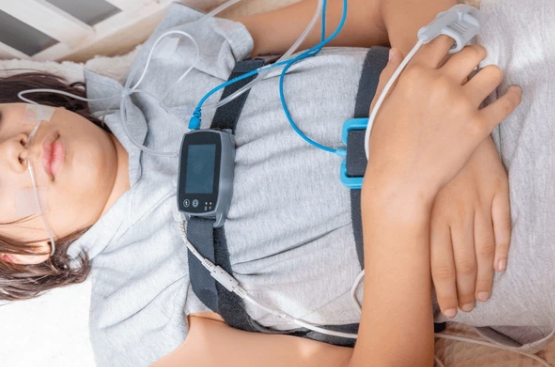
What is a sleep study?
A sleep study is used to investigate and diagnose sleep
related problems. Also known as polysomnography, a sleep study will involve an
overnight stay at a sleep clinic or a test at home to monitor your sleep.
A sleep study is not an invasive test; there are no needles.
It involves placing sticky sensors on your head and chest to measure your brain
activity, your breathing and your movement during sleep.
Who should have a sleep study?
A sleep study is often recommended if you experience
symptoms suggesting a potential sleep problem. Undiagnosed sleep conditions are
very common. Too often, we simply put up with feeling exhausted when there may
be an underlying issue that can be treated.
Symptoms that would suggest you need a sleep study include:
- Excessive daytime
sleepiness/fatigue: Feeling tired throughout the day, falling asleep
unintentionally while reading, watching TV, or even driving. - Snoring: Regular snoring
that is disruptive to a bed partner or any snoring where someone has observed
you gasping or making choking sounds. - Breathing pauses during sleep:
A bed partner or family member has observed episodes where you stop breathing
during sleep. - Waking up unrefreshed: Consistently
feeling groggy, tired or unrefreshed in the morning. - Morning headaches or dry
mouth/sore throat: Waking with a headache can be a sign of reduced oxygen
levels overnight, while a dry or sore throat may indicate mouth breathing. - Difficult concentrating and
memory problems: Poor quality sleep can impair cognitive function, leading
to difficulty focusing and forgetfulness, and trouble concentrating at work.
How to arrange a sleep study
If you have any of these symptoms, that may suggest a sleep
disorder. You should make an appointment with your doctor who will decide
whether an overnight or an at home study would be best for you. Although the
quality of the data is better from an overnight study, some people find it very
difficult to sleep in a hospital setting.