

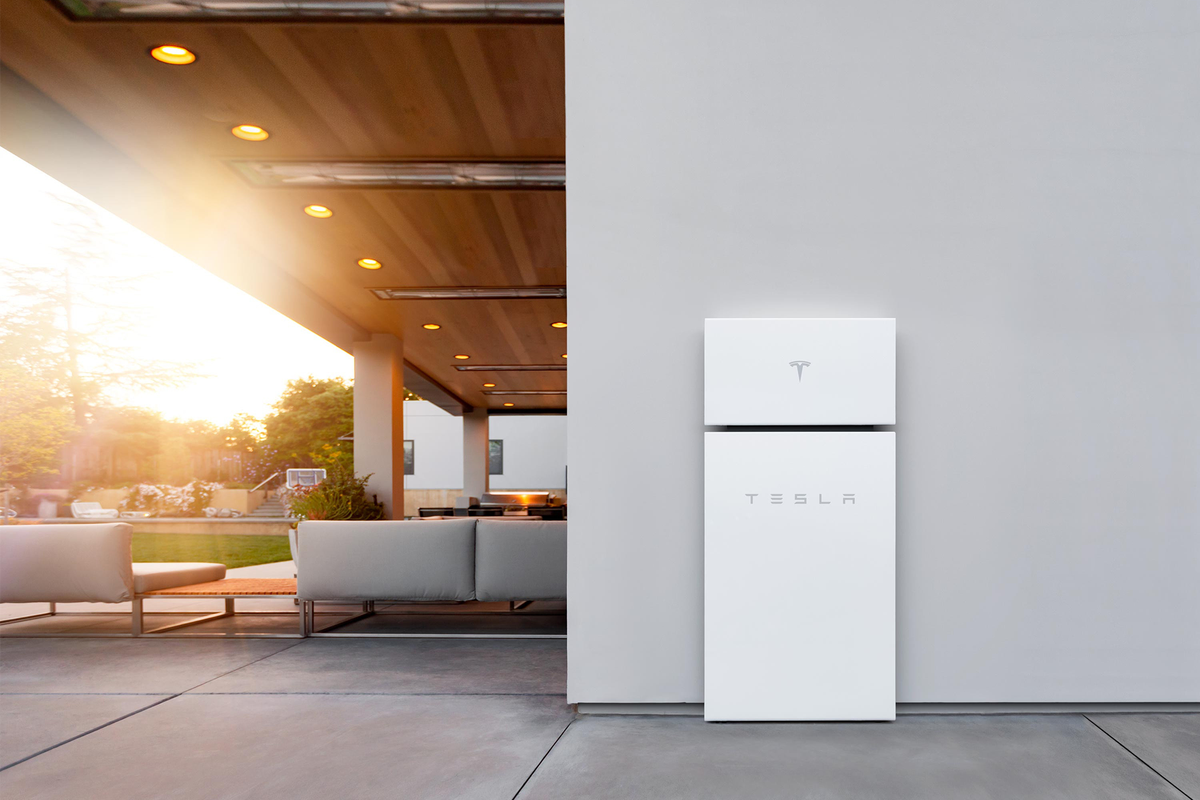
Home batteries are increasingly marketed as a kind of financial shield. Charge them overnight when electricity is cheap. Use that stored energy when prices spike. Avoid the dreaded 4pm-7pm peak. Maybe even get paid when wholesale prices dip below zero.
It’s an appealing proposition in a country still wary of bill shocks. But how much protection does a home battery actually offer?
The honest answer depends on what you’re pairing it with and how you use it. A battery can help you shift when you buy electricity, soaking up cheap off-peak power (or surplus solar) and covering some of your more expensive evening demand. But the size of your battery matters, the tariff you’re on matters, and in a world of changing price spreads, the numbers don’t always stay put.
According to Phil Steele, future technologies evangelist at Octopus Energy, the answer is more nuanced than the sales pitch suggests. A battery can significantly reduce exposure to peak prices, but it doesn’t remove you from the energy market altogether.
First principle: batteries make most sense with solar
Steele is clear about his starting point. “My preference is always to have a solar system installed,” he says. “Because the moment you’ve got solar, you’re generating your own energy and you are storing any excess energy.”
In spring and summer, especially, a typical domestic solar panel system can produce more electricity during the day than a household can use. But without a battery, that excess is exported to the national grid. Octopus’s outgoing tariff, for example, currently pays 12p per kilowatt hour (kWh) for exported electricity.
But if grid electricity costs around 27p per kWh to buy back later, storing that energy instead can make more sense.
“You forgo the 12p that you could have got from exporting it,” Steele explains, “but you’re not then having to buy it back again at 27p. So there’s a difference – about 15p per kilowatt hour – for each unit that you store in a battery.”
In this scenario, a battery isn’t speculative. It’s a tool for maximising the value of electricity you’ve already generated. And with a large enough solar array and battery, some households can reduce bills dramatically. Under Octopus’s Zero Bills model – which combines substantial solar generation, battery storage and electrified heating – Steele says it’s possible to “actually get it down to zero” through a mix of self-consumption and strategic export.
Save on your electricity bills with Octopus solar and battery
GO TO WEBSITE
Advertisement

Save on your electricity bills with Octopus solar and battery
GO TO WEBSITE
Advertisement
Battery-only: now you’re trading
The picture changes if you don’t have solar. A battery on its own works by buying electricity when it’s cheap and using it when it’s expensive. On some time-of-use tariffs, overnight rates can fall to 7p-12p per kWh, while peak evening rates may sit closer to 27p.
“You buy it at seven and use it later instead of 27p,” says Steele. “You’re saving 20p or so per kilowatt hour.”
The maths can look compelling. But it depends on one crucial factor: the spread between cheap and expensive periods.
“You might do your maths on today’s tariff,” Steele cautions, “and then discover that the tariffs change.” If the gap narrows, the financial return narrows with it.
And Steele says that warning is playing out right now. From 1 March 2026, Octopus’s simple flat export rate on Outgoing Octopus falls from 15p to 12p per kWh. Meanwhile, Ofgem’s price cap for electricity on a standard variable tariff paid by Direct Debit falls from 27.69p per kWh to 24.67p per kWh from 1 April 2026 (average across Great Britain) – a drop of just over 3p. In other words, the spread you might have modelled your battery purchase on a few months ago has already narrowed.
That doesn’t mean battery-only systems don’t stack up. Steele suggests a payback period of three to four years may be achievable in some cases. But it does mean households are effectively participating in a form of energy trading and are therefore exposed to tariff shifts over time.
How smart tariffs make batteries more powerful
Where batteries become more interesting is in combination with smart tariffs.
On static time-of-use products, such as those offering a guaranteed cheap overnight window, scheduling is relatively straightforward. “You can go into the software on the battery system and just say, always charge during these six hours until you’re fully charged,” Steele says.
Dynamic tariffs, such as Octopus’s Agile product, are more complex. Prices change every half hour, reflecting wholesale market conditions. On windy or sunny days, when renewable generation is high, prices can fall sharply, and occasionally even go negative.
“There are lots of people who have got battery systems and who are using this to charge their battery on those lower or negative rates,” Steele says, “to then use later on in the day or to actually export.”
In those cases, automation becomes key. Octopus publishes tariff data via an API (application programming interface), allowing third-party apps and home energy systems to optimise charging and discharging automatically. Steele says tens of thousands of customers are using these tools to integrate pricing signals directly into their home systems.
Without automation, reacting to half-hourly price changes would be impractical. With it, batteries become dynamic assets rather than passive storage.
How much of your evening peak can a battery cover?
A common misconception is that a battery delivers full energy independence. In reality, capacity matters.
“A typical battery is about 10 kilowatt hours,” says Steele. In a three-bedroom home with a heat pump, cooking appliances and children’s evening screen time, that might cover “about a quarter of the day” in winter.
In summer, especially with solar, the picture improves. But a 10kWh battery won’t usually carry a fully-electrified household from dusk to dawn on its own.
To slash bills more dramatically, capacity has to increase. Steele offers a theoretical example: if a home could charge enough overnight at 7p per kWh to cover its entire day’s usage instead of paying 28p during peak hours, “you’ve got your bill down by three quarters”.
But that would require a much larger battery – perhaps 40kWh – and a far bigger upfront investment.
Costs, constraints and misconceptions
Home batteries typically cost several thousand pounds, depending on size and installation complexity. While battery degradation has been less of an issue than some feared – “batteries are lasting years and working really well,” Steele says – the financial case still hinges on tariff conditions.
“The main thing is just be mindful that tariffs can change before you do all your numbers based on a particular tariff,” he advises.
In other words, a battery doesn’t lock in today’s spread between cheap and expensive electricity forever. It locks in your ability to respond to it.
Why the future grid may favour storage
Looking ahead, Steele believes batteries could become more valuable as the grid grows more reliant on wind and solar.
Renewable generation is inherently variable. A cloud passing over a large solar farm can halve output within minutes. Gusty wind speeds can cause rapid swings in supply. At a national level, that volatility shows up in grid frequency, which must be held close to 50Hz.
“The National Energy System Operator control room’s responsibility is to keep the frequency within range,” Steele says. “They’re able to call on battery systems to quickly jump in and either charge or discharge.”
As flexibility markets evolve to manage those minute-by-minute fluctuations, domestic batteries may increasingly act as small but coordinated grid-balancing assets.
That doesn’t mean every household will become a trader. But it does suggest that storage is likely to play a larger role in a system built around intermittent renewables.
So, do batteries really protect you?
With solar, a battery can materially reduce the amount of electricity you buy at peak prices, and in some cases drive bills close to zero.
Without solar, it can still cut costs by shifting consumption to cheaper periods, potentially reducing your bills by 10-20 per cent depending on usage, capacity and tariff spreads.
But it isn’t a force field against high prices.
A home battery doesn’t remove you from the energy market. It gives you more control over when you engage with it and, increasingly, how you respond to its swings.