
On a humid morning in August 2024, far from any hospital ward or funeral ground, India quietly reached a small scientific milestone. In Rohtak city in the northern state of Haryana, a volunteer rolled up their sleeve and became the first person to be enrolled in the final-stage human trial of what could be the country’s first indigenous, single-shot dengue vaccine.
There was no ribbon-cutting. No applause. No sense of arrival.
For the scientists involved, it marked the crossing of a line that had taken two decades to reach. For families torn apart by dengue, it meant something else entirely: progress, finally, no matter how late.
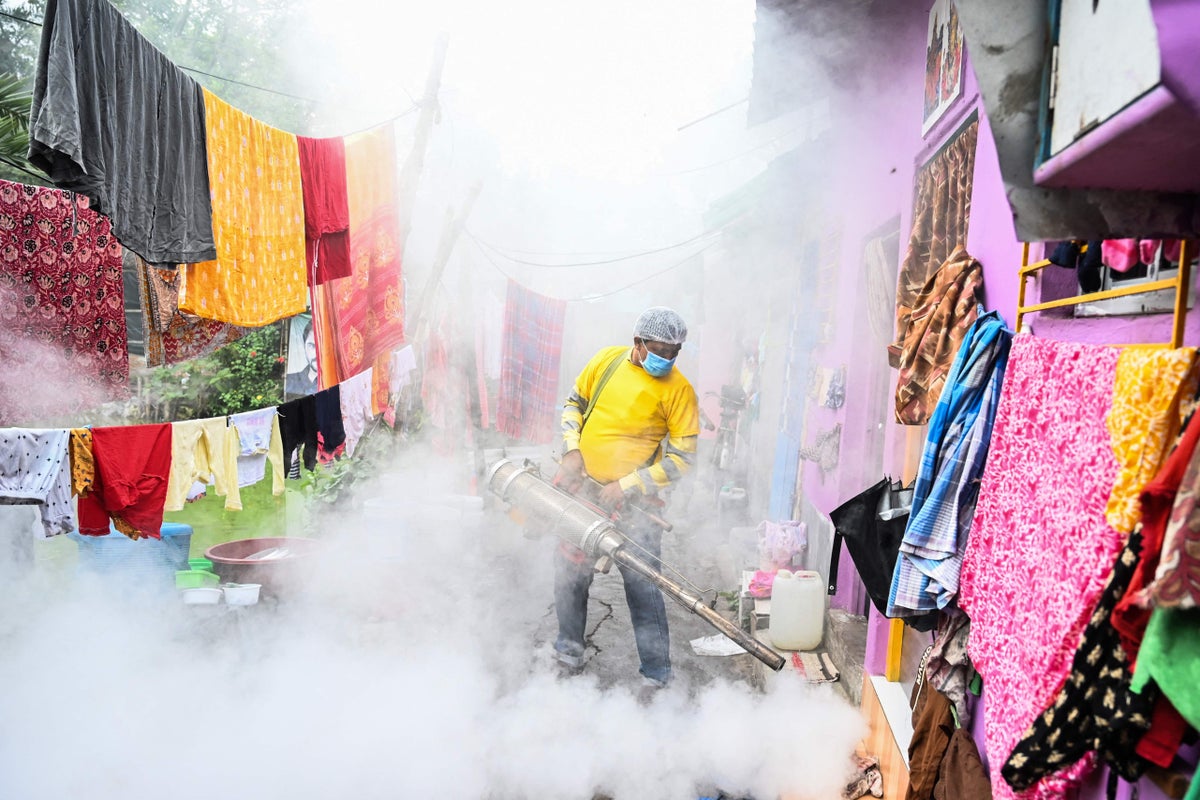
Dengue kills quietly. The mosquito-borne infection affects 100-400 million people worldwide each year, according to the WHO. It begins with fever, pain behind the eyes, and exhaustion. Blood tests can look reassuring. Platelet counts may hold. Then, sometimes, without warning, the body collapses. Blood leaks internally. Organs fail. The shock is swift.
India has lived with dengue for long. In 2025, the virus infected at least 113,450 people and killed 95, according to the National Centre for Vector Borne Diseases Control.
Yet it is widely dismissed as a seasonal inconvenience, a monsoon illness, something survivable with rest and fluids.
Shahnawaz Malik, 42, believed that too. Until the disease claimed his wife.
“The struggle has increased,” he tells The Independent. “I am in my hometown, which is very close to the Indo-Nepal border in Uttar Pradesh state.”
He left Delhi after his wife’s death as the city where they had built a life together became unliveable for him. Her name was Simin Akhter Naqvi. She was born on 17 January 1985 and died at the age of 39 in October 2024.
An associate professor of economics at Zakir Hussain Delhi College, Naqvi was also an activist, deeply engaged with her students and the causes she believed in.
To her four-and-a-half-year-old son Zidane, she was simply mum.
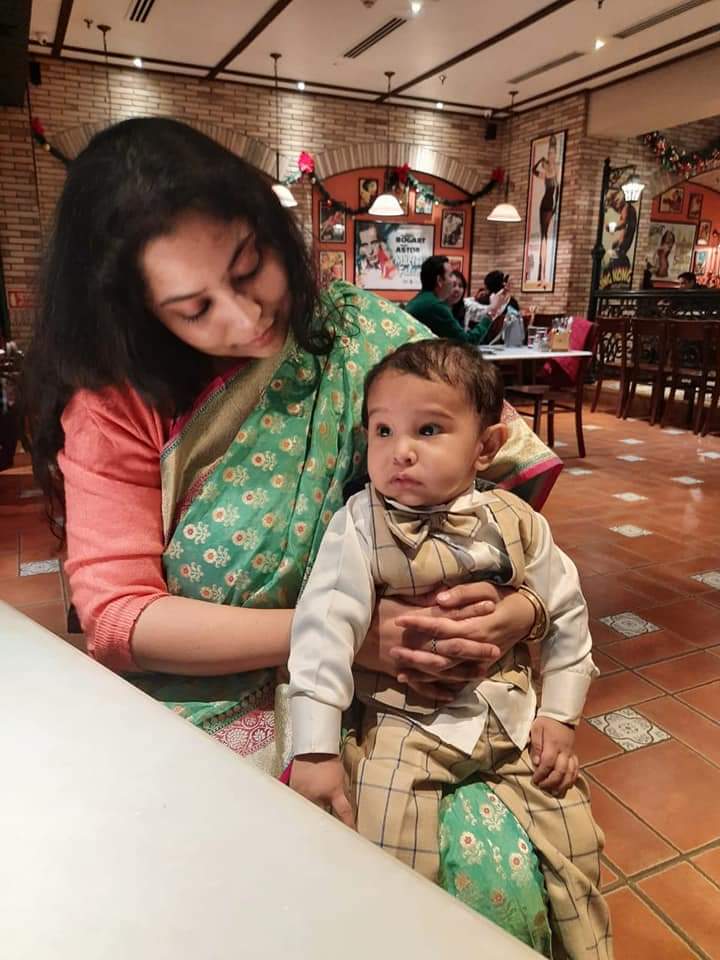
Their story began a decade earlier, during a protest. “Our meeting was very interesting. She was a teacher in Delhi. But along with that she was an activist. I was then a crime reporter at Navbharat Times,” Malik says, referring to a Hindi daily published from the Indian capital.
In 2014, Naqvi was detained during a protest. Friends circulated phone numbers of local journalists, hoping someone could help. Malik’s was on the list.
“I spoke to her and also reported on the matter. I informed her that it was a measure of preventive detention and that the police would release the protesters,” he recalls. “‘Don’t worry, the police will release you in a few hours.’”
They connected on social media. Conversations followed. Campaigns overlapped. Eventually, something steadier took root.
“And at some point the conversation just organically kicked off. And we got into a relationship eventually and both wanted to marry.” They married on 26 December 2018.
Naqvi was physically fit. She had trained in martial arts when she was younger. She drove long distances across Delhi for work and activism. “She was very proactive in class and was popular among students,” Malik says.
Then, one October morning, dengue arrived. She woke at 6am with a body ache. She had classes to teach. “She took an antibiotic and went to college,” Malik recalls.
By 11am she was back home, shaking. She thought it was the usual viral fever.
Naqvi’s mother, who lived in the same building, had dengue. A blood test was done. By 4pm, it was confirmed.
The advice was standard: rest, take plenty of fluids and monitor platelets. Get admitted only if the platelet count falls below 20,000, a threshold widely used in India, though increasingly questioned by clinicians.
Monday passed. Then Tuesday. Wednesday. Thursday. The fever did not break.
Friday night, friends came over. A gathering. Laughter. Life going on as it does, stubbornly normal.
That night, she slept alone, without a fan or air-conditioning. Malik slept with their son in another room.
“At around 4am, she texted her father first and then called her sister saying ‘my temperature is rising’.”
On Saturday morning, 19 October, she told Malik she felt something was wrong. “My fever is not receding and I am not feeling well.”
They went to a hospital in Rohini, in the northwest of Delhi, and she was admitted right away.
Malik left briefly for a meeting, returned, and sat with her. They had conversations over coffee.
“She was throwing up and not able to keep anything down,” he says. “But we were chatting till 4pm.”

She had packed books, notes and chocolates. Planning for a week of rest, trying to absorb the sharp turn of events. At around 7pm, a colleague came over to plan the next six months of academic work.
“At around 10pm,” Malik says, “I received a phone call that we are taking her to the ICU.”
Her liver and kidneys were under strain, he recalls. By the time he arrived, she was already sedated.
The next day, she was put on a ventilator. “I had faith that she would bounce back and things would be fine. Lot of people go on the ventilator and return.”
Naqvi did not. At 6.18am on 21 October, she died.
The hospital report cited dengue shock syndrome, a severe complication in which internal bleeding and organ failure overwhelm the body.
“She had dengue shock, called Dengue Shock Syndrome. In DSS, your internal blood leakages begin and no support system and medicine can help and it is fatal,” Malik says.
Her heart, liver and kidneys had all failed together.
Malik became a single parent overnight. “I lost all my confidence. I was not able to speak for a long time.” Their son searched for her on the phone. Dialled her number. It rang. No one answered.
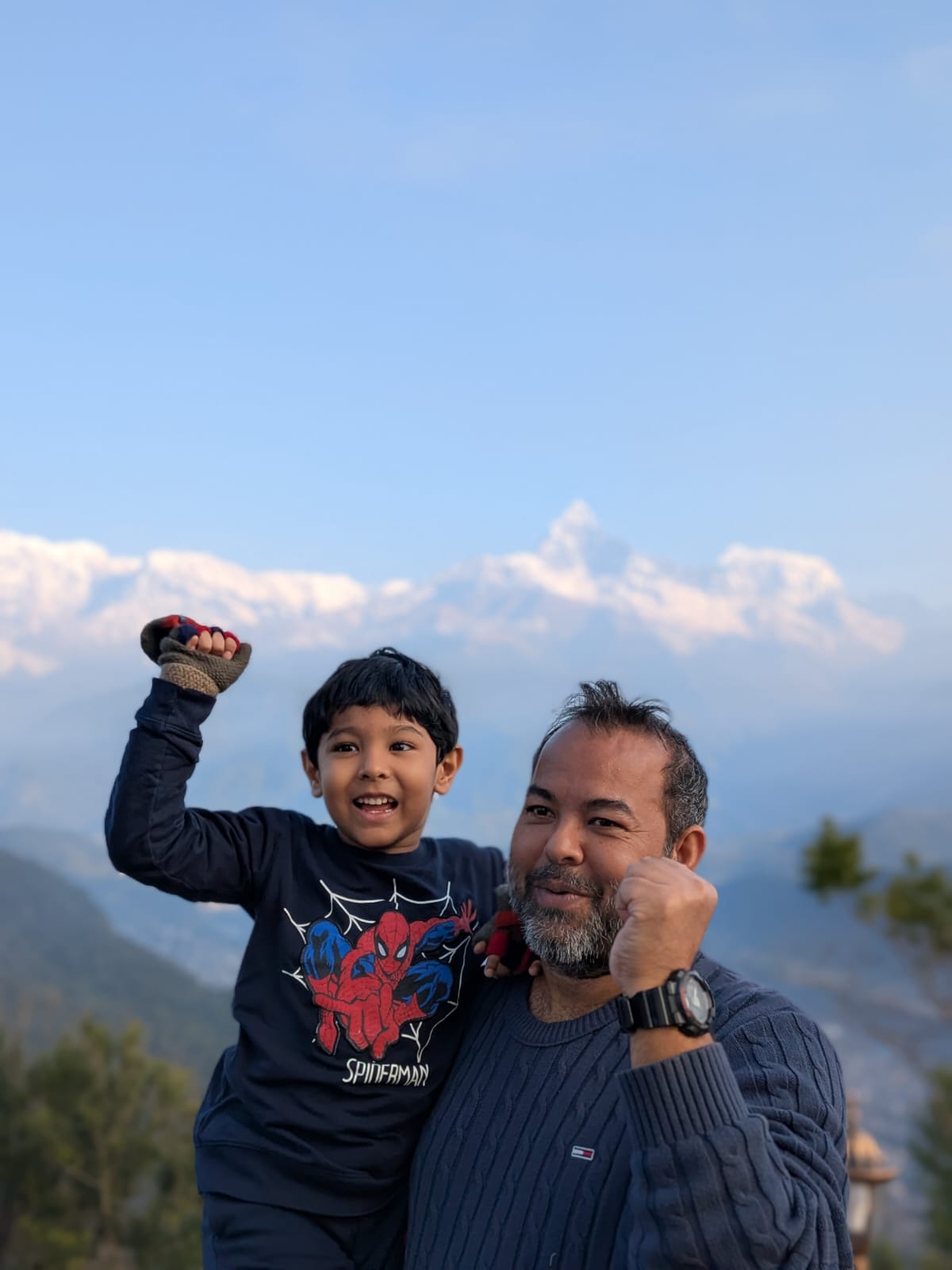
“My biggest fear is, I do not know, how the absence of a mother is likely going to affect him,” Malik says, seeking to convey the human cost of dengue that statistics can never quantify.
An enormous cost that has driven scientists, often quietly over decades, to persist in developing a vaccine.
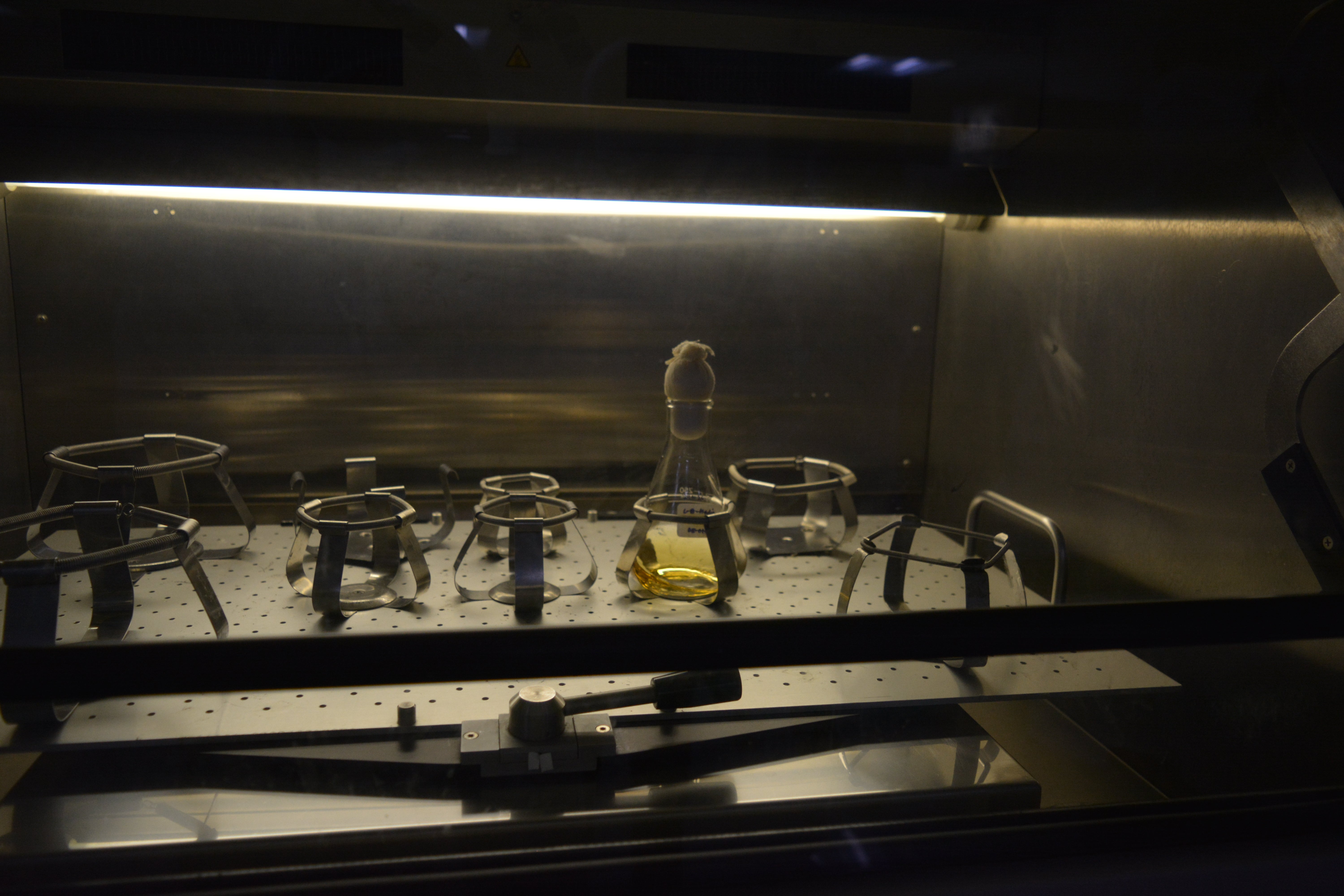
At Panacea Biotec, one of India’s oldest vaccine makers, the dengue programme began long before Malik and Naqvi met.
“We took the decision in 2002,” Harshet Jain, a member of the board, says. “Whether to work on a dengue vaccine or not – this is a decision that any organisation needs to take.”
There was no single patient who prompted it. No defining tragedy. Instead, he says, there was scale.
“There are more than 400 million dengue infections,” he says, referring to the global caseload. “And this primarily affects the lowest, the weakest economic section of our society.”
The science was daunting. Dengue exists in four distinct serotypes. Infection with one provides lifelong protection against that type but only temporary, partial protection against the others. A second infection can be far worse.
This phenomenon – antibody-dependent enhancement – has haunted dengue vaccine development for decades. In simple terms, an incomplete immune response can make later infections more deadly, not less, the company’s chief scientific officer, Dr Syed Khalid Ali, explains.
“That concern of dengue was lingering around for a long time,” Ali says. “And it had an impact on everything.”
There are at the moment only two dengue vaccines available in the market. While the WHO recommends the use of Qdenga in children aged 6-16 living in settings with high intensity of transmission, the US Centre for Disease Control says that Dengvaxia is the only dengue vaccine currently available in the North American country.
Dengvaxia is recommended for children aged 9-16 with laboratory-confirmed previous dengue infection and living in areas where dengue is common.
The Qdenga vaccination course consists of two injections three months apart. Dengvaxia involves three doses, with the first given after confirming the child had a prior dengue infection, the second six months after that and the final after another half-year.
The WHO says there isn’t enough evidence that Qdenga is safe and effective against two types of dengue, called Denv 3 and Denv 4, in people who have never had the virus before. Because of that uncertainty, the global health body doesn’t recommend using this vaccine routinely in places where dengue is not very common or only occurs at moderate levels.
The vaccine that Panacea is making, DengiAll, requires a single dose and can be administered to Dengi-naive people. The maker claims the new vaccine is effective against all dengue serotypes – Denv 1, Denv 2, Denv 3, and Denv 4.
The weakened dengue strain used in the Panacea vaccine was developed by the National Institutes of Health in the US after more than 20 years of work. Panacea licensed the technology in 2006 after evaluating multiple candidates.
From there began a slow, methodical process that was nothing like the rapid vaccine rollout many would come to associate with Covid.
First came antigen discovery, identifying the part of the virus capable of triggering immunity. Then optimisation. “From the four or five antigens that look promising, you optimise them and you come to maybe one or two,” Ali says.
Then years of testing in animals to establish proof of concept and safety. Only then can human trials begin.
Phase one trials seek to answer a singular question: is the vaccine safe? Phase two explores dosage and immune response. Phase three, involving thousands of volunteers, checks whether it actually works.
“For the dengue vaccine,” Dr Ali says, “it should prevent all types of dengue.”
Panacea combined its phase one and two trials, building on data already generated by the National Institutes of Health in at least 38 earlier studies. The results were striking.
DengiAll produced a balanced immune response against all four serotypes, with over 80 per cent seroconversion across each, meaning that eight out of every 10 vaccinated people would not get sick. This balance matters. An imbalanced response is what raises the risk of severe disease.
By 2018, the early trials were complete. But Panacea waited.
“We delayed our phase three because we wanted to follow them up for a long time,” Ali says. “By 2021 we knew even after three years of giving the vaccine, now everybody is safe as well.”
The phase-three trial, supported by the Indian Council of Medical Research, began on 14 August 2024, the same year Naqvi fell ill.
More than 10,000 volunteers across India are now being followed through multiple monsoon seasons. If the data holds, Panacea hopes for regulatory approval around 2027.
Two decades of development may sound like a delay, but to vaccine scientists it is restraint, says Kumar Gaurav, Panacea’s senior general manager handling regulatory and government affairs.
“Any vaccine in the world, minimum it takes 12 years,” he says. “Then it goes to 20 years, 22 years. It is not a long time for a novel vaccine or innovative vaccine, not at all.”
Ali speaks of the responsibility of manufacturing a live, weakened virus vaccine that may be injected into healthy children – perhaps the only child a family has.
“One batch will be a few million doses,” he says. “We need to make sure that every single dose of vaccine that is made is of the highest quality.”
The vaccine’s formulation is stable for three years at standard refrigeration temperatures – crucial in countries where ultra-cold storage does not exist.
Yet even Ali is clear that a vaccine alone will not end dengue.
“You need vaccination at its centre,” he says, “and if you build other public health measures around it, that would be the most effective way.”
For Malik, those measures failed long before any vaccine arrived. Municipal workers came to his building after his wife had already been diagnosed. They were turned away. Standing water remains, creating a breeding ground for mosquitoes.
“One thing I found hard to digest was that my wife died because a mosquito bit her,” he says, leaving the sentence hanging between science and grief.