


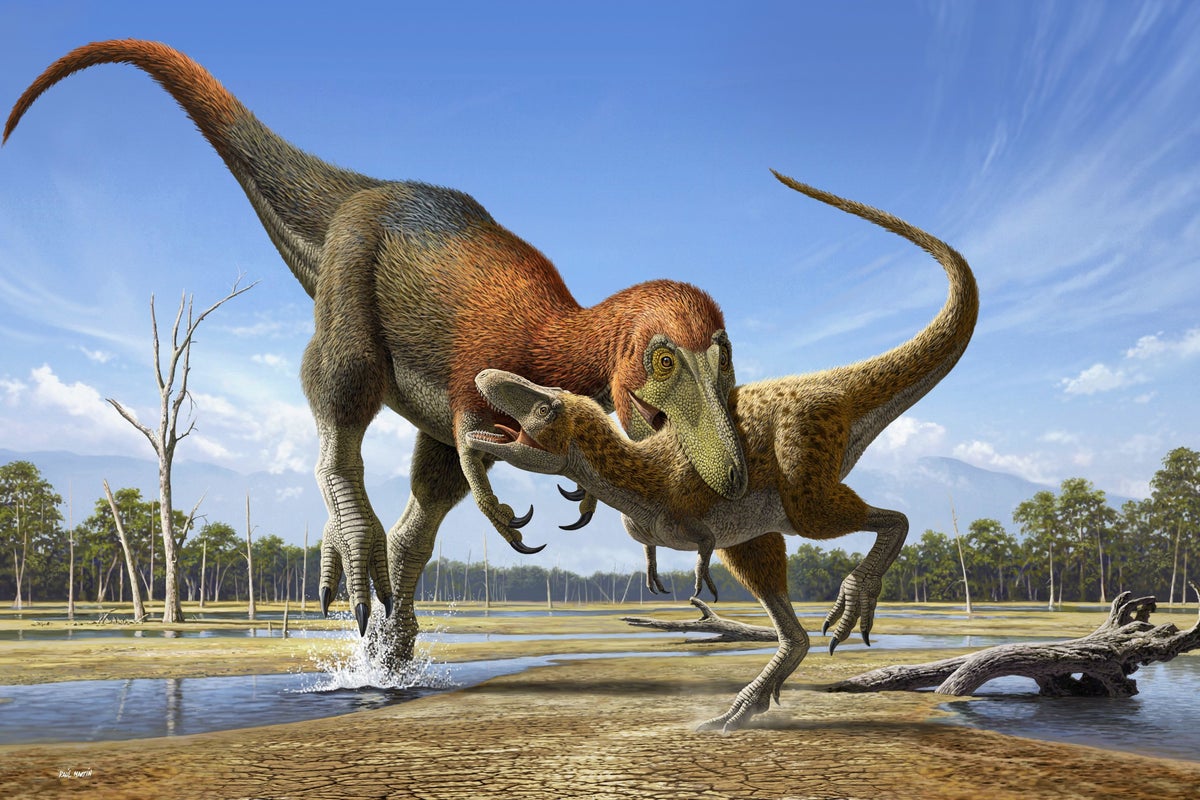
Ever since the release of the blockbuster Jurassic Park, the Tyrannosaurus rex has been associated with ground shaking tremors as it moved.
But infact, rather than stomping heel-first, the prehistoric beast may have actually tip-toed as it roamed around on its giant feet, a study has found.
And it may have moved 20 per cent faster than previously thought, the experts claim, at a speed fast enough to beat Usain Bolt.
The findings contradict previous theories on how the extinct species moved. Earlier analysis of T rex footprints suggested their heels struck the ground first.
However, the team of scientists have now gathered data on T rex anatomy to find that they have more in common with how birds walk. They said that the T rex had a “very bird-like gait defined by higher stride frequencies” and moved with “elevated speeds”.
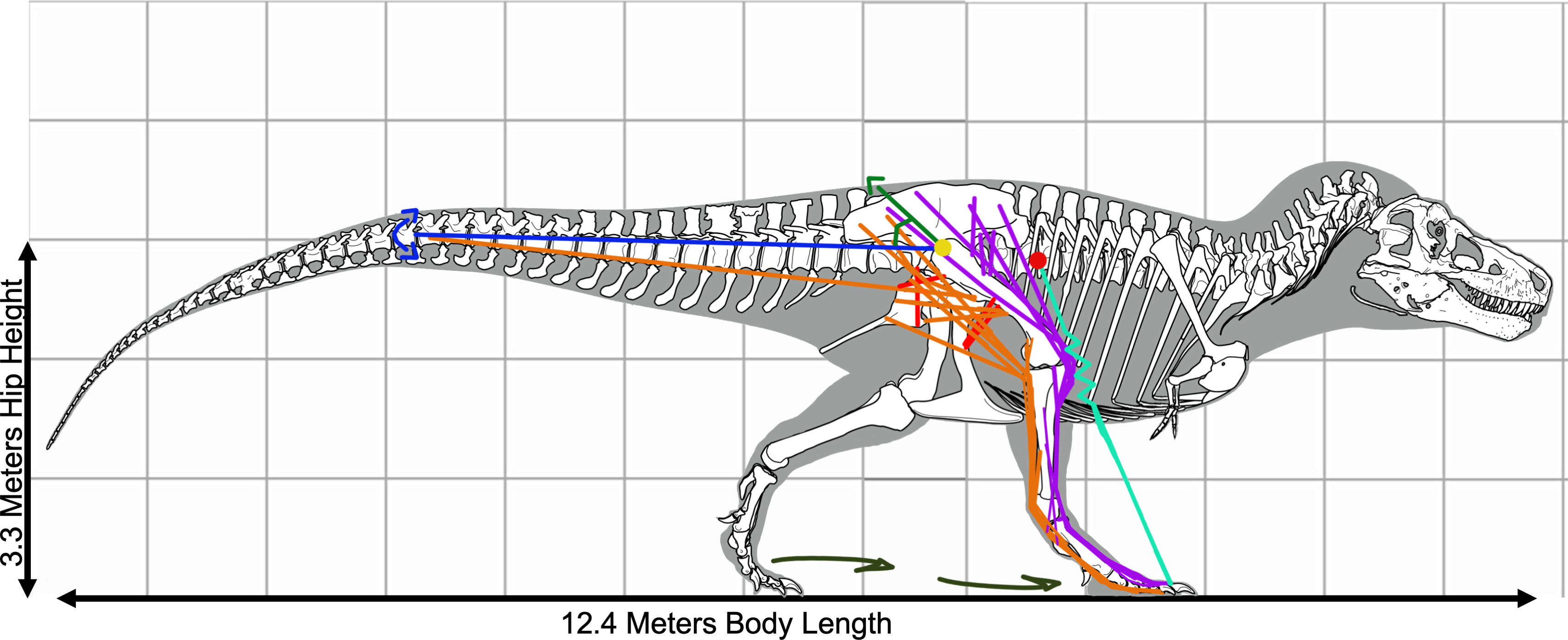
The study, published in the journal Royal Society Open Science, suggests the beast would have struck the ground with the distal, or forward, part of their foot towards the end of their large central toe.
Researchers at the College of the Atlantic in Maine, USA, explained that using this part of the foot mimics the run of a “bird” or a “human athlete”. It also results in “more effective running in terms of kinematics and linear speed”.
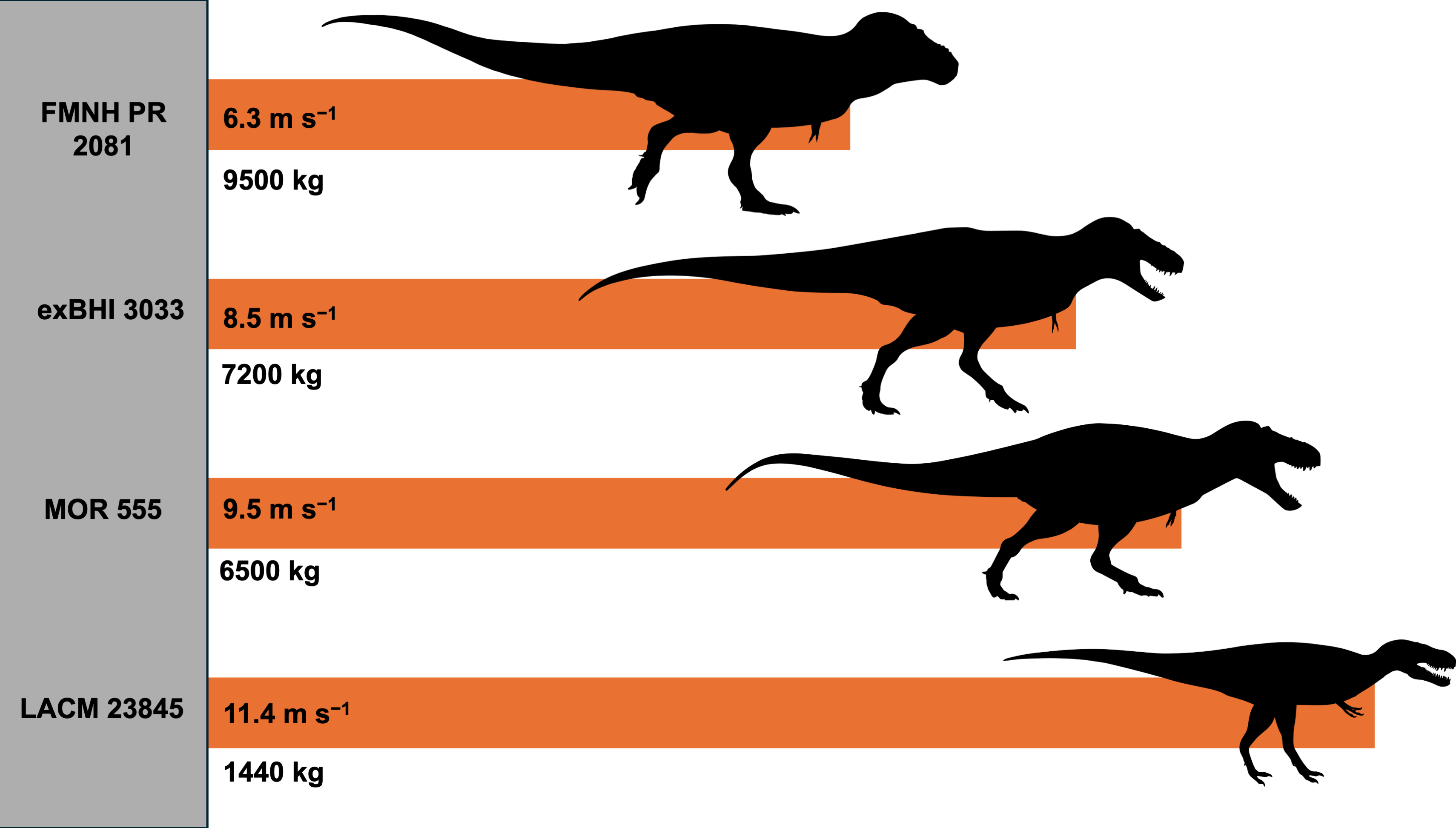
According to the researchers model, a T rex that weighed about 1.4 tonnes and could have reached a top speed of 11.4 metres per second – meaning it could run 100 metres in 8.77 seconds.
In comparison, world record holder Usain Bolt ran 100m in 9.58 seconds.
A bigger T rex, weighing 6.5 tonnes would still be able to move at 9.5 metres per second, the study found.
“Rather than stomping heel first, the Tyrannosaurus rex might have taken shorter, toe-first steps,” the Royal Society told the Times.
“Foot-strike analysis based on T. rex anatomy, tracks and modern bird locomotion suggests the tip of its toes struck the ground first, contrary to previous theories. This would also suggest the dinosaur moved on average 20 per cent faster than previously believed,” it added.
Study authors concluded: “Our study represents, to our knowledge, the first quantitative biomechanical analysis of the effects of foot-strike patterns on the gait of Tyrannosaurus.”
A separate fossil study has recently revealed T.rex grew much more slowly than previously thought, taking several decades to reach their full size of around eight tonnes.
The study of 17 tyrannosaur specimens, ranging from early juveniles to massive adults, has revealed that the king of carnivores took 40 years to reach their full size.