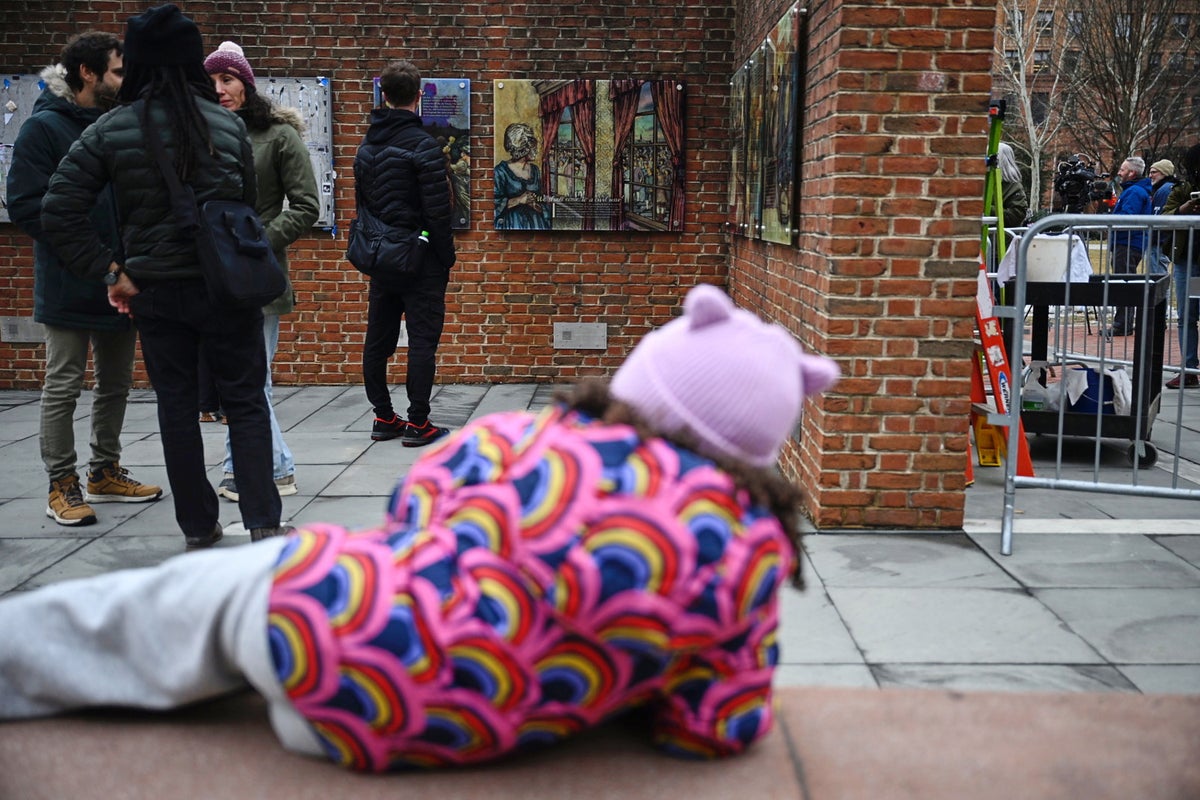
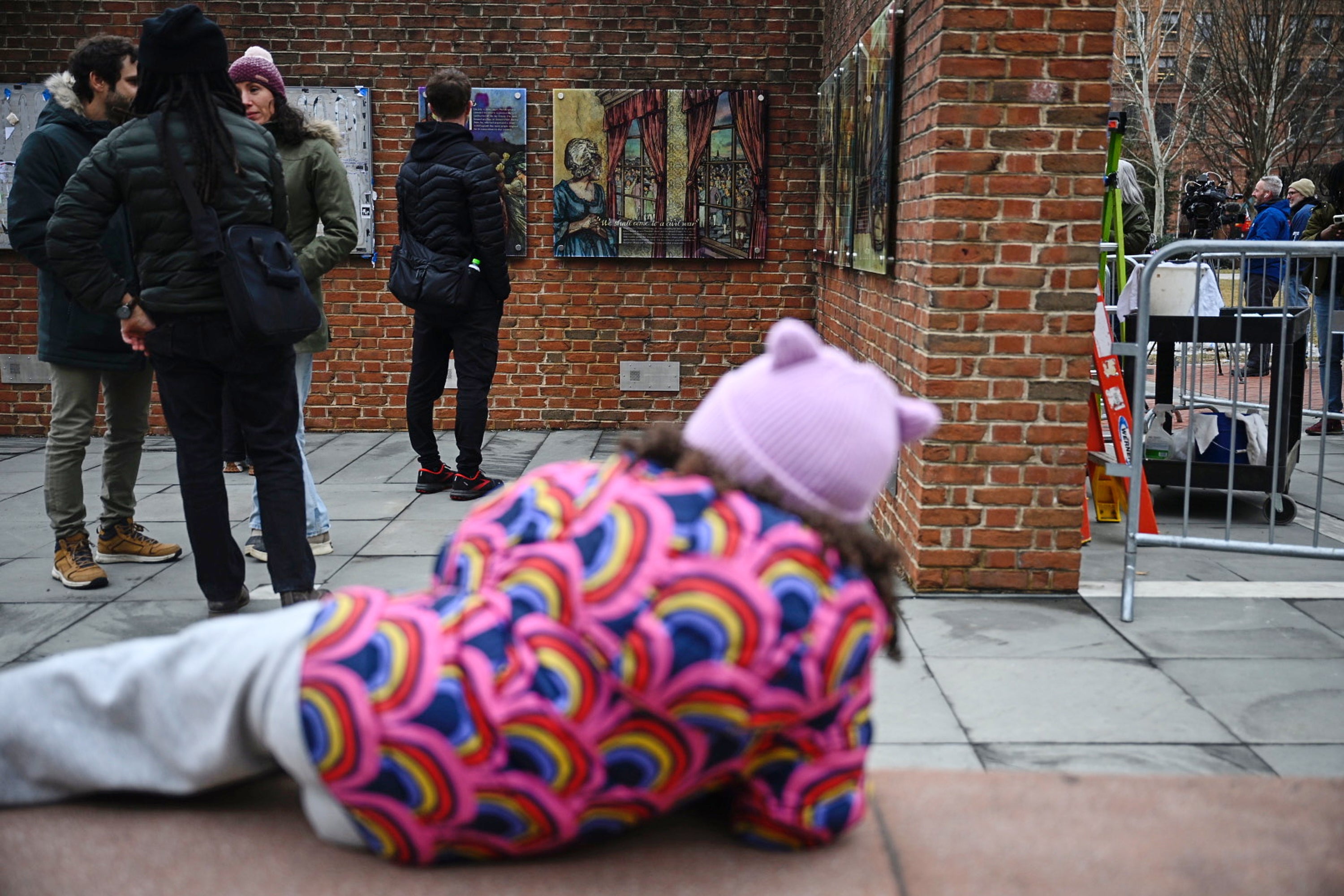
Parks workers have restored a series of exhibition panels about the history of slavery at a Philadelphia historical site that the Trump administration had removed last month, after a federal judge ordered the materials put back on the President’s House site earlier this week.
Pennsylvania leaders cheered the development on Thursday.
“Today we celebrate the return of our history at this important site,” Philadelphia Mayor Cherelle L. Parker, who sued the administration over the removal, wrote on X. “We are thankful for all the supporters across the city to get us to this point. We know that this is not the end of the legal road. We will handle all legal challenges that arise with the same rigor and gravity as we have done thus far.”
Parker visited the site, the first official U.S. presidential residence, and thanked the workers restoring the exhibition panels, which detailed the history of slavery and the lives of the people enslaved at the site by President George Washington.
“It’s our honor,” a National Park Service worker told Parker.
“Donald Trump will not prevail in his attempts to whitewash our shared history — especially not here in Pennsylvania,” Gov. Josh Shapiro wrote on X.
The Trump administration took down the historical materials, installed as part of a joint city-federal agreement in 2006, in late January, on the eve of Black History Month, part of the White House’s campaign to remove historical references to the history of slavery and racism in America.
The city sued, arguing the administration ignored its rights to jointly approve the final design of the exhibit.
In a scathing ruling on Monday, U.S. District Judge Cynthia Rufe compared the Trump administration’s conduct to that of the totalitarian regime in George Orwell’s 1984 and ordered the exhibit restored to its previous condition.
“As if the Ministry of Truth in George Orwell’s 1984 now existed, with its motto ‘Ignorance is Strength,’ this Court is now asked to determine whether the federal government has the power it claims — to dissemble and disassemble historical truths when it has some domain over historical facts,” she wrote Monday. “It does not.”

The Trump administration, which has pushed to remove materials from U.S. museums and historic sites that depict “founding principles and historical milestones in a negative light,” argued it was planning to replace the placards at the President’s House with updated materials, including the history of the nine enslaved people who lived there.
“The National Park Service routinely updates exhibits across the park system to ensure historical accuracy and completeness,” the Interior Department previously told The Independent in a statement. “If not for this unnecessary judicial intervention, updated interpretive materials providing a fuller account of the history of slavery at Independence Hall would have been installed in the coming days.”
The Trump administration has appealed the order to restore the materials to the site, accusing Philadelphia of acting as a “backseat driver holding veto power” over federal officials.
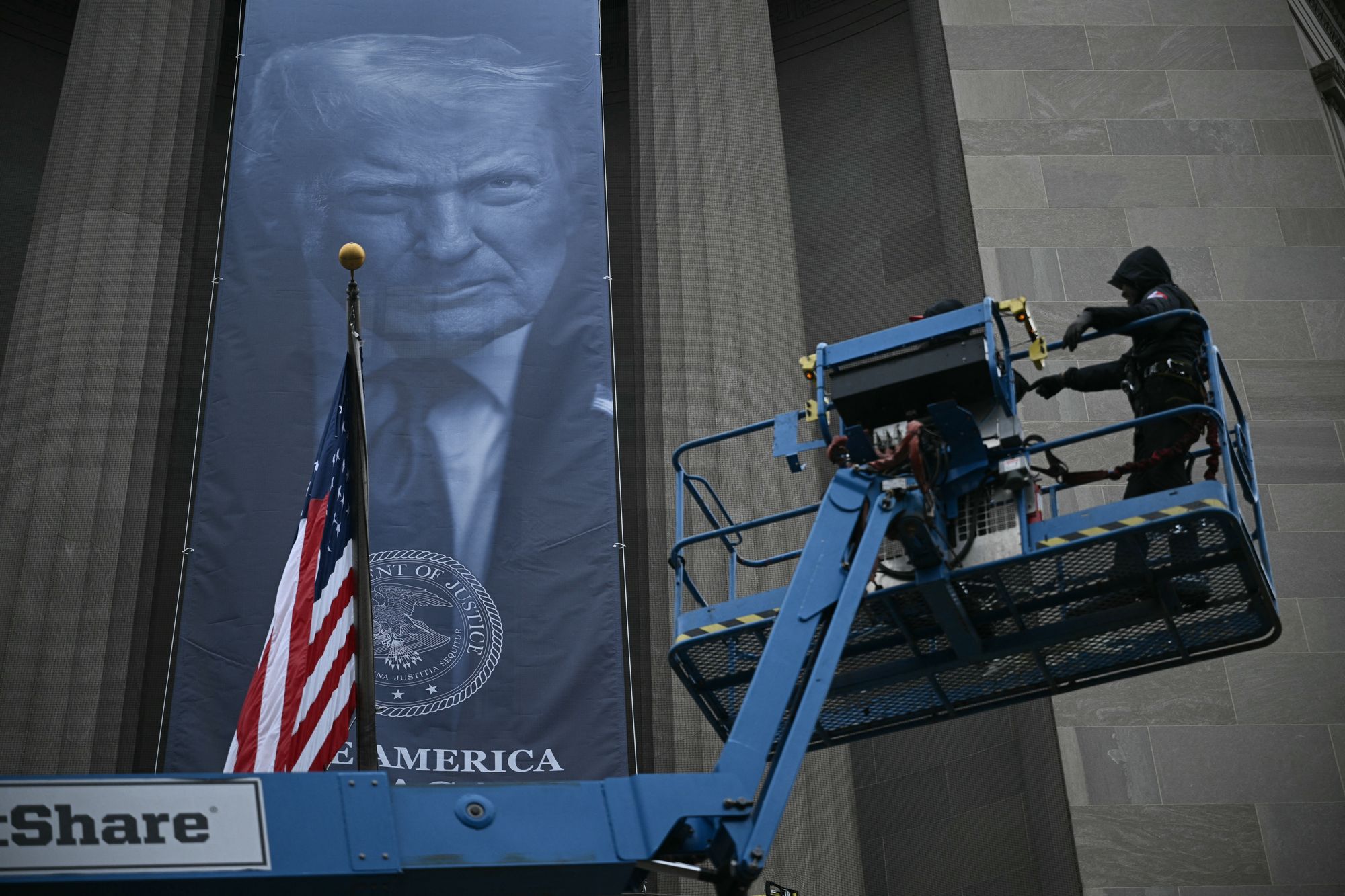
Last year, the president signed an executive order aimed at “restoring truth and sanity to American history.”
In practice, the order has often meant federal officials diminishing information describing the history of subjugation and violence against Black people in America.
The administration, as part of its review of materials at Smithsonian-affiliated museums, has railed against the museums for focusing on “how bad slavery was.”
It also reportedly removed examples of a famous 1863 photograph of an enslaved man’s scars, The Scourged Back, at multiple national parks, and edited out references in visitor brochures that the murderer of civil rights activist Medgar Evers was a member of the white supremacist terror group the Ku Klux Klan.