
Millions of voters in Bangladesh are casting their ballots on Thursday in a historic election, optimistic for the restoration of genuine democracy following the ousting of authoritarian leader Sheikh Hasina.
After 18 months of political instability, economic collapse, and rampant violence, about 128 million registered voters will cast their ballots in the first major election after a revolution led by people under 30, or Gen Z.
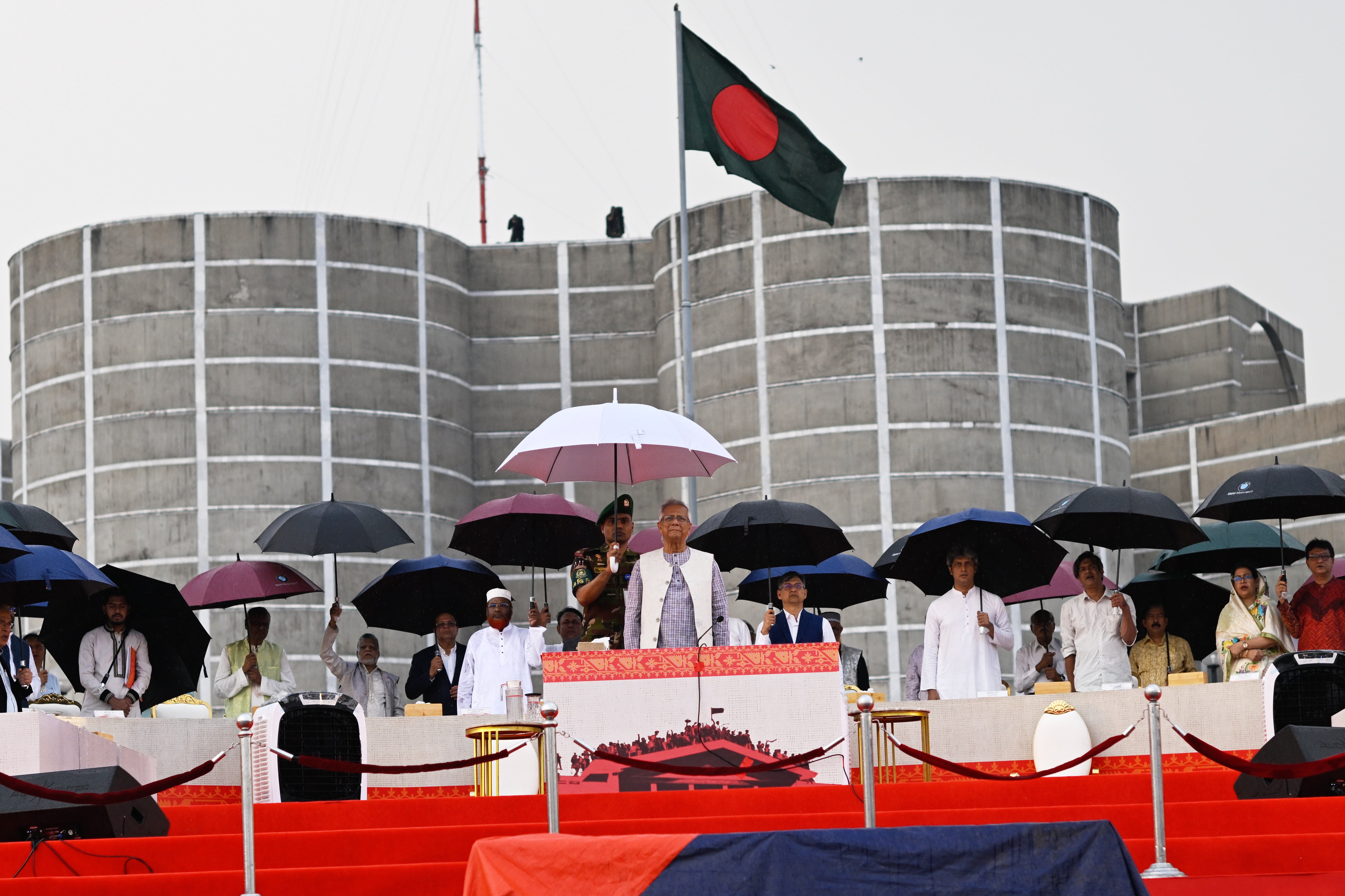
The vote to elect 300 members of parliament and finally restore democracy has been hailed as “historic” by the Nobel laureate Muhammad Yunus-led interim government. It follows the “July Revolution”, a student-led uprising in 2024 that forced Hasina into exile in India.
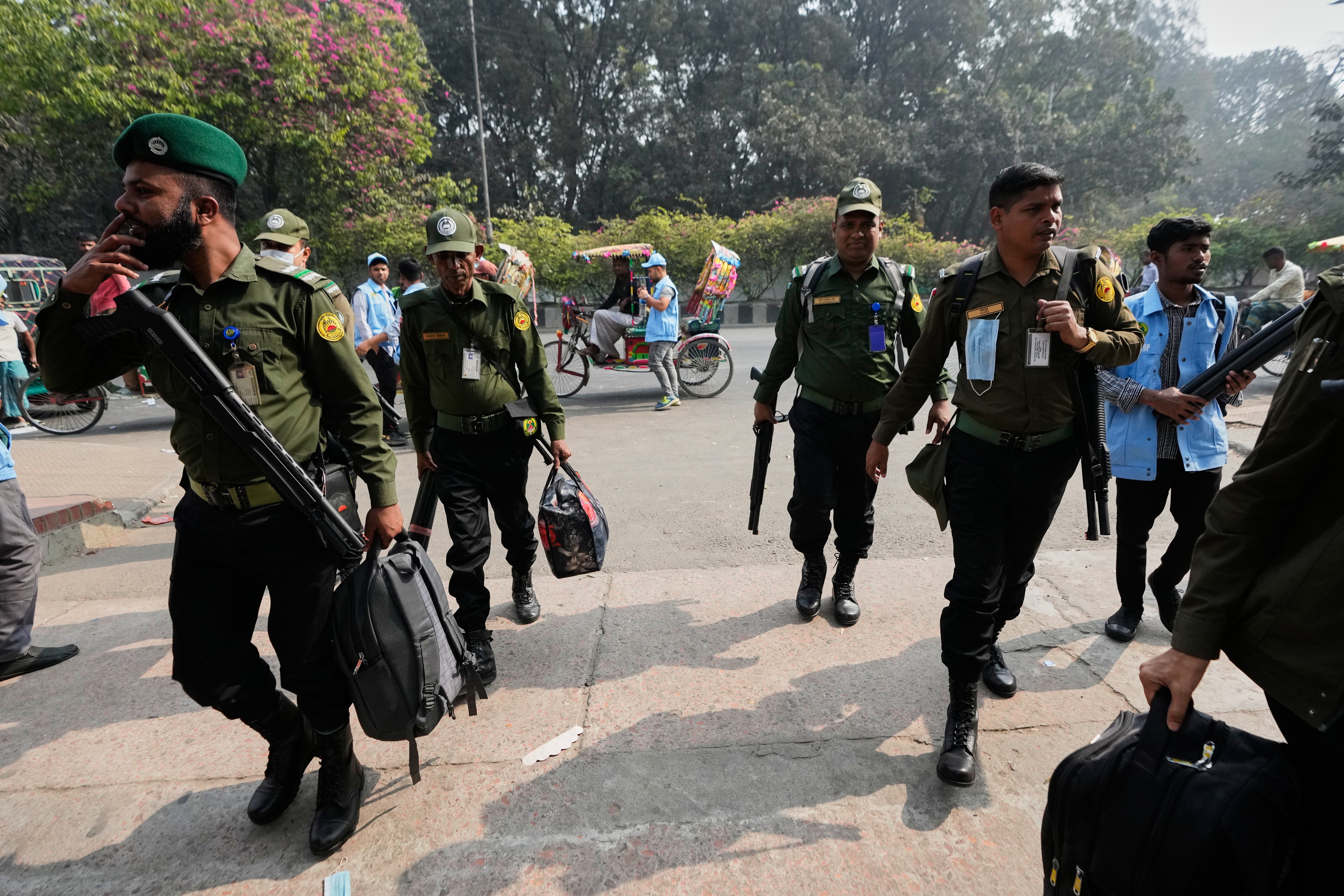
The 13th parliamentary election is unlike any other poll held in independent Bangladesh’s relatively brief history.
With the Awami League – the country’s oldest political party – banned, the election has two clear favourites in the Bangladesh Nationalist Party (BNP) and Jamaat‑e‑Islami. But whoever takes power will face the mammoth challenge of restoring a nation that was once one of Asia’s fastest-growing economies.
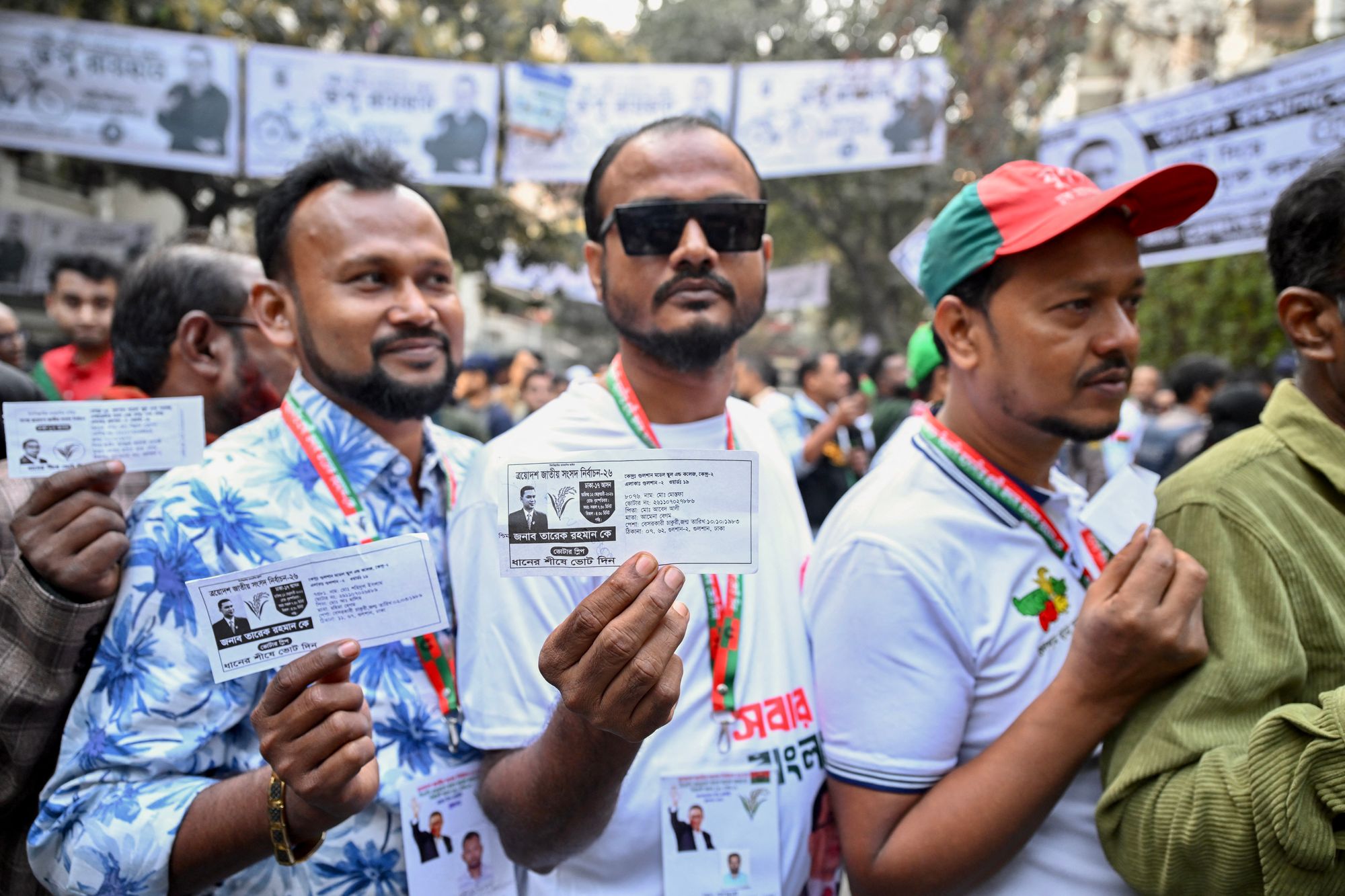
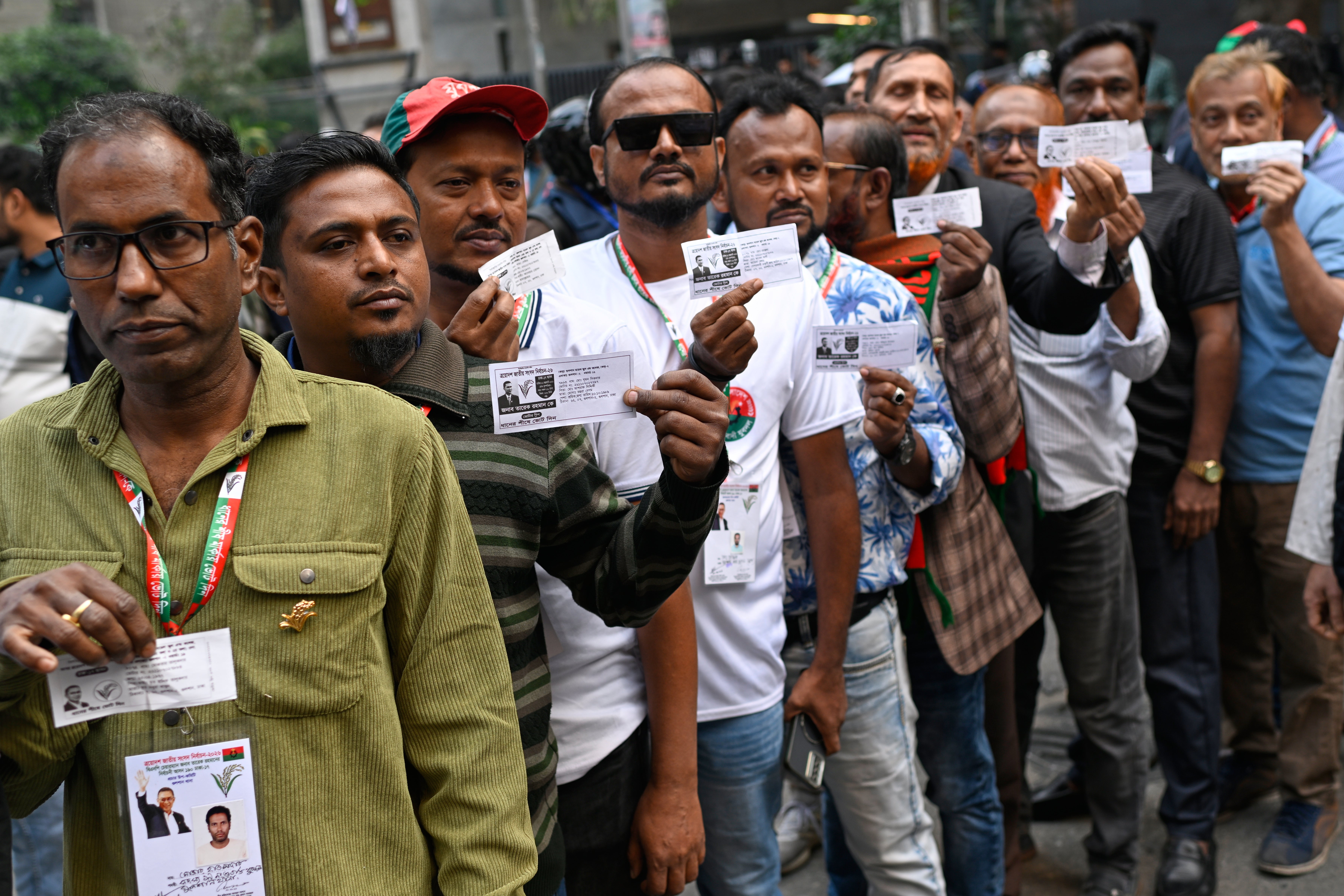
“Inshallah, we will win. This has been long coming,” a supporter tells The Independent outside the BNP headquarters in Gulshan, Dhaka.

The streets of Dhaka are plastered with colourful party posters with eclectic party symbols, alongside remnants of old graffiti demanding justice for the Hasina regime’s crackdown on protesters. The message is clear: A new dawn is expected, but the past will not be forgotten.
Expectations are high, but so are fears over the country’s possible tilt towards religious radicalisation amid the resurgence of the once-banned Islamic political party Jamaat-e-Islami.
The ballot is the first since a student-led mass uprising toppled Hasina and ended her 15-year rule, forcing her to flee to India. A government crackdown led to up to 1,400 deaths, according to the UN.
A Bangladeshi tribunal court sentenced Hasina to death in absentia in November last year for crimes against humanity – an unprecedented order that was met by fierce criticism.
Nearly five million voters will be casting their ballots for the first time, many of them the same young Bangladeshis who poured onto the streets during last year’s protests.
“I don’t think we were prepared for what was to come after the protests. The uprising was necessary but, now we need a government in place to make our lives better. This country desperately needs reforms,” Salim Sheikh, a 27-year-old engineer, says.
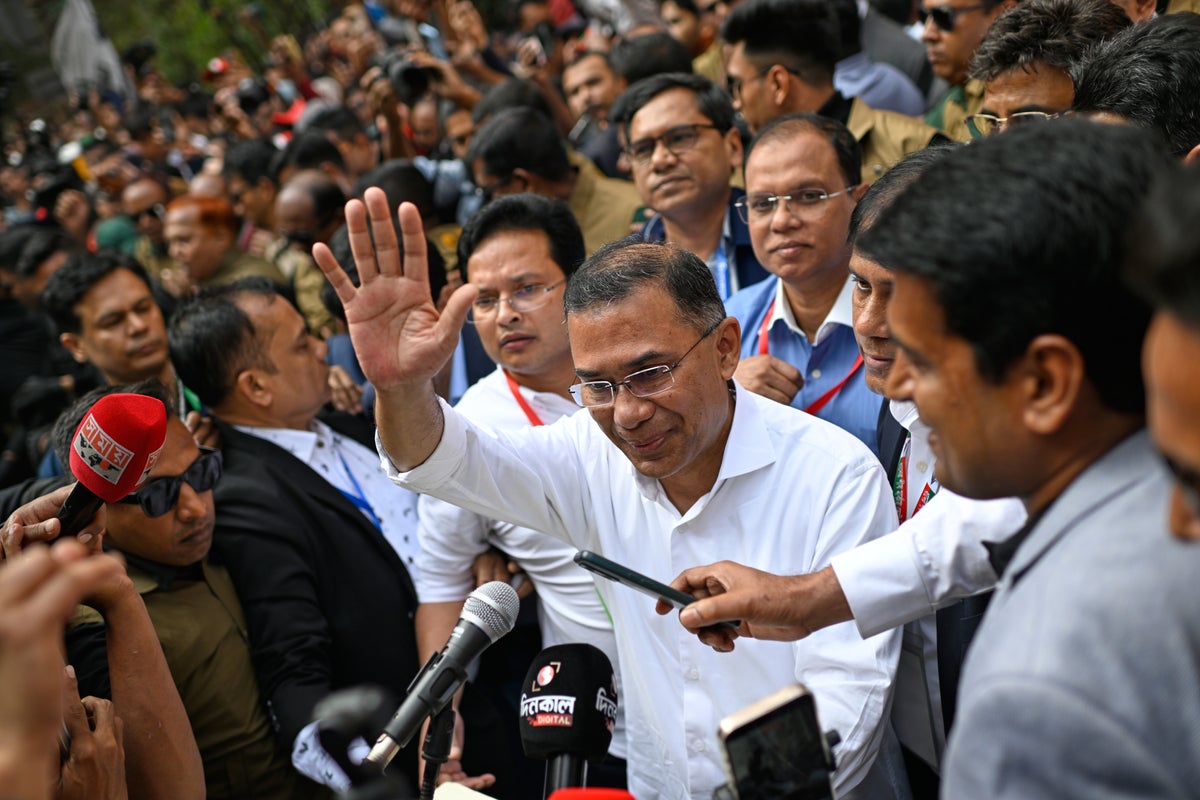
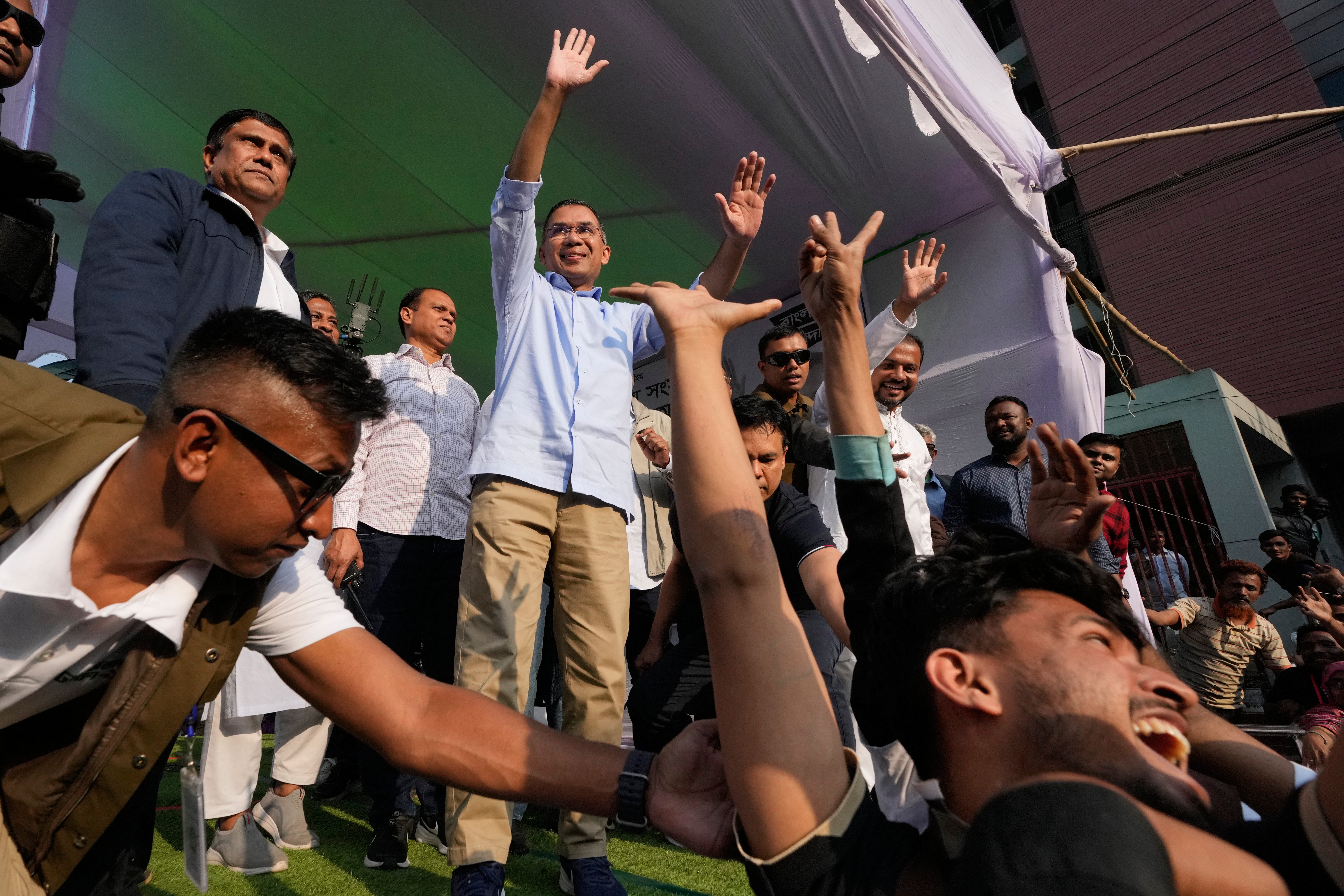
With the Awami League barred from the race, the BNP has surged ahead as the clear frontrunner, and several people The Independent spoke to in Dhaka said they were prepared to place their faith in the leadership of Tarique Rahman, the son of former prime minister Khaleda Zia.
Rahman returned to Bangladesh in December after 17 years in exile, promising to rebuild democratic institutions and stabilise an economy strained by inflation and political upheaval.
“He is a changed man,” says Sakina Bibi, a worker at a mobile store. “Ever since his return, he has been very sincere and measured about the party’s future,” she adds. “We believe in his leadership. We need a new leader to run this country.”
For decades, Bangladesh’s politics has been shaped by two families. Hasina, who is the daughter of the country’s founding president Sheikh Mujibur, led the Awami League and dominated the political landscape for 15 years.
Its chief rival, the BNP, is now being led by Rahman, who had to step up to the leadership after his mother’s death.

“As the most popular political party with massive support among the voters, it’s in our interest to ensure that the election remains free, fair and equitable without any controversy whatsoever,” Mahdi Amin, an adviser to Rahman, tells The Independent.
The BNP’s previous stints in power were marred by persistent allegations of corruption and cronyism, with critics accusing senior leaders of siphoning off state resources and weakening public institutions. Now, party leaders are scrambling to recast their image, presenting themselves as a reformed and credible alternative to the status quo.
“The current BNP carries that hallmark of public service, but at the same time, under Mr Tariq Rahman, it is dynamic enough to integrate the changed political landscape with more technological integration, with a renewed emphasis for the empowerment of the women and a connectivity with their grassroots,” Amin says.
“We’d like to empower the youth with more opportunities. We’d like to give them training to up-skill, to make them more qualified to get jobs in the public sector, in the private sector, to become entrepreneurs, to have employment overseas. So we’ll focus on economic opportunities, political freedoms and empowerment that can create employment opportunities.”
He claims that unlike the previous Awami League government, a BNP administration would restore the rights of a genuine opposition and give them freedom to operate without persecution – something long missing from this country’s governance.
The Awami League has dismissed Thursday’s vote as a “sham election” and called on its supporters to boycott the polls. Hasina’s son, Sajeeb Wazed, criticised the interim administration for placing a “de facto ban” on political parties.
“This is a completely manipulated election, in particular to give Jamaat a much greater proportion of seats in parliament than they would ever get in a fair election,” he says.
Hasina is credited with lifting millions from poverty through a boom in exports, balanced ties with China and India, and sidelined Islamist militants, but her legacy is shadowed by the 2024 crackdown and a long record of authoritarian rule.
“Our government completely mishandled the protests,” Wazed says in a rare admission about the government’s use of excessive force to crack down on the demonstrators. “We let it, our government let it completely get out of hand. It should never have gone that far. And, you know, it’s regrettable,” he said.
He argues that the situation in Bangladesh has worsened after his mother’s ousting. Since the protests, Bangladesh has undergone an economic collapse, and hardline groups have become more visible in the shifting political landscape, fuelling anxiety among women’s rights advocates and religious minorities. Hindus, who make up about 8 per cent of the population in a country that is more than 90 per cent Muslim, report increased intimidation and sporadic violence.
While the Yunus administration may not have fully curbed the violence, it prevented Bangladesh from descending into chaos by ensuring a more orderly and credible election process.
“Sheikh Hasina was accused of stifling the opposition parties. Now if one of the biggest parties is banned from contesting the election, then it is similarly undemocratic and unfair,” says Sahidul Hasan Khokon, journalist and co-author of Inshallah Bangladesh – The Story of an Unfinished Revolution.
“In the past 18 months, there has been no law and order in Bangladesh. Women are afraid of mob violence. The Yunus administration has failed to provide security to the people of the country,” he says. Khokon was among the several associated with the Awami League party, who were forced to flee the country to escape targeted killings in the aftermath of Hasina’s ouster.
But the contest is not a simple two-sided affair. An 11-party coalition led by the Jamaat-e-Islami is seeking to expand its national footprint. The alliance includes the newly formed National Citizen Party, born out of the 2024 uprising and attempting to channel protest energy into electoral politics.
Jamaat, a name long connected with radical Islamic ideology, is poised to emerge as a major force in this election. The party’s past comments opposing female leadership and proposals to cut women’s working hours have triggered concerns over women’s rights. The party has not fielded a single female candidate in the election.
Though Bangladesh is a Muslim-majority country, its streets tell a different story: women in burqas walk alongside girls in western clothes, dribbling basketballs at roadside parks. But rights activists warn that a more radical government could roll back years of hard-won progress.
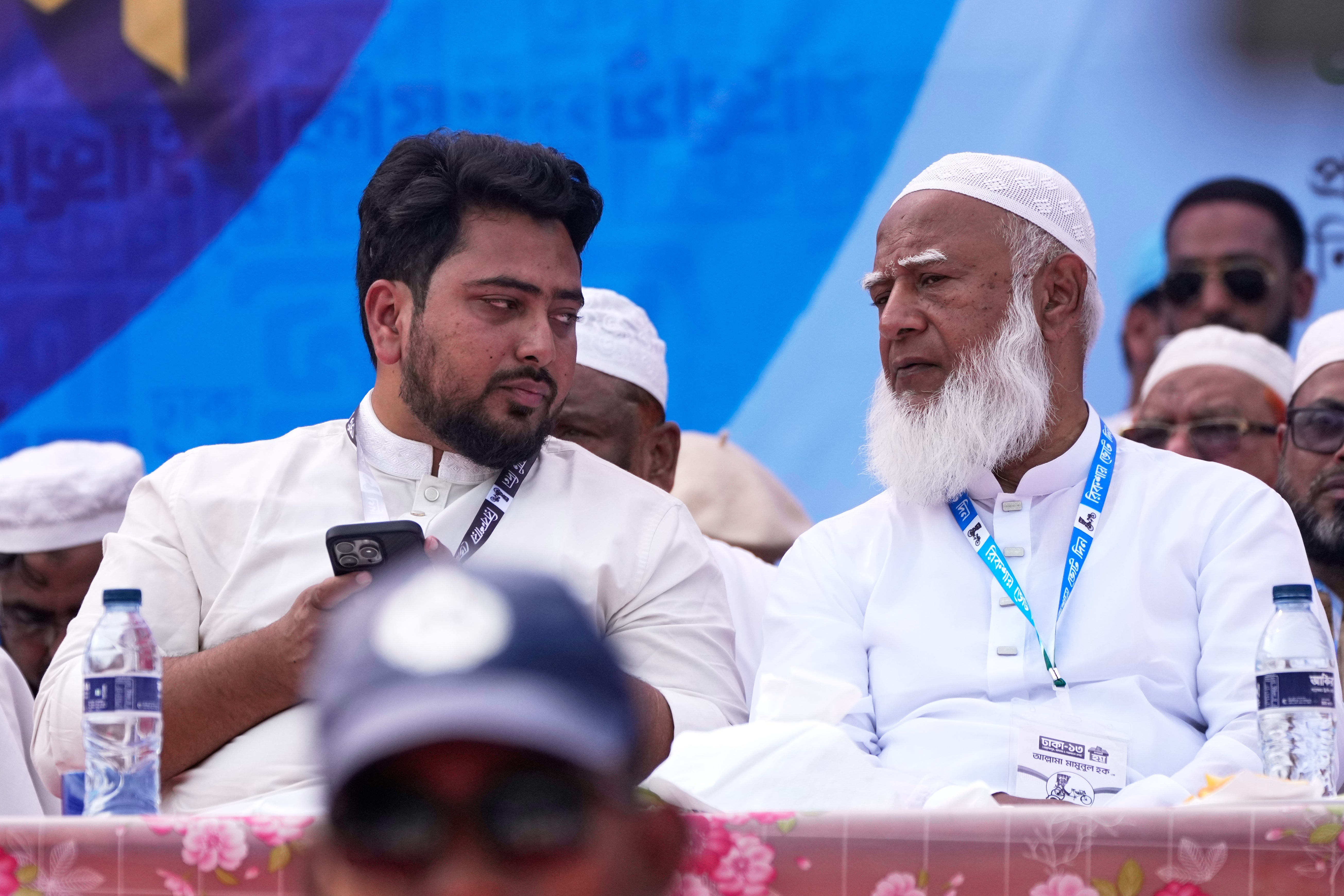
In the run-up to the elections, Shafiqur Rahman, the leader of the party, has softened the party’s hardline stance.
Rahman draws parallels between himself and American leaders such as Barack Obama and Zohran Mamdani, claiming they were also written off by the media, but won with ordinary voters. “Today, Jamaat stands on the brink of a majority,” he says in a social media post.
Minority neighbourhoods in Dhaka were unusually quiet on the eve of the election, bracing for what could follow if Jamaat were voted into power.
But Jamaat leaders claim “there are no second-class citizens” in Bangladesh. “Regardless of their religion, they are all Bangladeshi citizens. I do not consider anyone a minority. Everyone is Bangladeshi. We do not endorse division,” Shafiqur Rahman says.
However, when asked about the imposition of hijab on women and the potential segregation of women, he said “that’s already been solved” without offering further explanation. Other members of the party in recent days have insisted they would not impose compulsory hijab, though they affirm hijab as an Islamic ideal.
“The Hindus could be forced out of the country if the Jamaat is voted to power. Some of us might willingly leave to avoid persecution,” says Rony Halder, a Hindu rickshaw driver.
In a symbolic shift, Bangladeshis living abroad will be able to cast their ballots by post for the first time, extending participation to a vast diaspora that sends billions home each year but has long remained politically sidelined.
But this election is also paired with a referendum on structural reform, including proposals to impose term limits on prime ministers and strengthen checks on executive authority. The measures are widely seen as an attempt to prevent the concentration of power that defined much of Hasina’s tenure.
Bangladesh has oscillated between civilian rule and military intervention since its independence in 1971, with its democratic institutions often fragile and fiercely contested.
Thursday’s vote will not erase that history. But it will chart the path for a new Bangladesh.