


Charlie Kirk’s widow is unlikely to succeed in speeding up the murder trial of the man accused of killing her husband, because her rights as a victim are “not even close” to those of someone facing the death penalty.
That was the verdict from a range of Utah law experts canvassed by The Independent for their legal analysis of a court filing by Erika Kirk demanding speedy justice, over claims of “undue” and “unwarranted” delays.
However, said Nathan Evershed, a criminal defense lawyer from Evershed Law in Salt Lake City, it substantially raised her profile in the case, and would “likely result in Erika Kirk’s attorneys being an even bigger presence in the courtroom.”
Kirk’s attorney, Jeffrey Neiman, gave notice of the move earlier in January and said she was invoking her rights as a victim under Utah law.
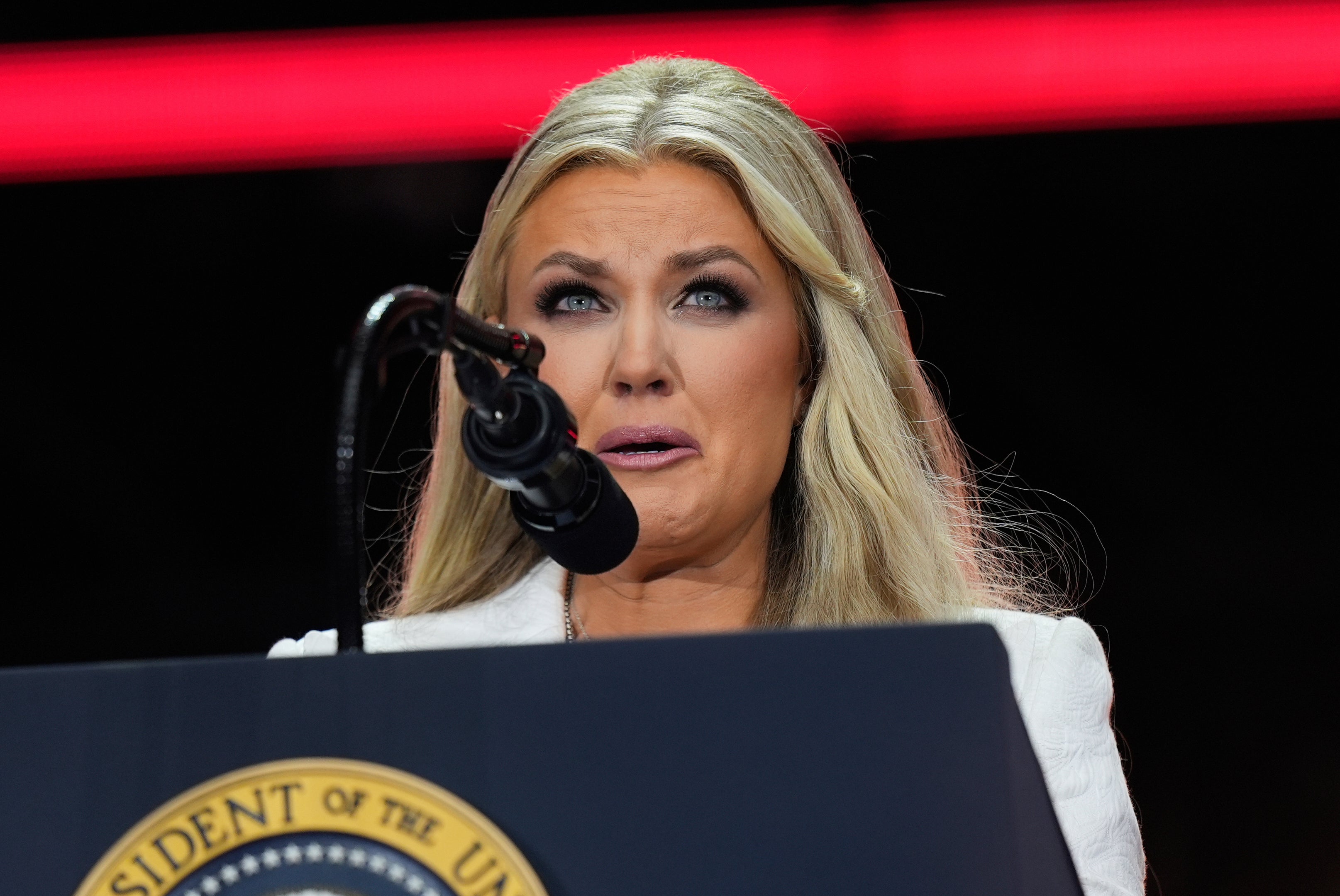
“[A]lthough the United States Constitution guarantees criminal defendants many rights, it does not guarantee them the right to cause undue delay in the criminal justice process,” Neiman wrote in his submission to Utah’s Fourth District Court.
The Constitution’s Sixth Amendment guarantees defendants the right to a speedy trial to avoid unreasonable delays; Utah law goes further, specifying that victims are also entitled to a speedy trial, although that state legislation is seen as “largely advisory,” said Greg Skordas, a criminal defense lawyer now running to become Utah’s attorney-general.
Randy Spencer, a founding partner of Spencer Filmore Law, which has offices in Provo and Saint George, said it was “very rare” for victims in criminal cases to actually file notices demanding a speedy trial, as Erika Kirk’s team has done.
“What is more common is for the prosecutor to verbally argue a victim’s desire to have a speedy trial.”
The move also surprised Abe Bonowitz, Director and Co-Founder of Death Penalty Action, an advocacy group opposed to capital punishment.
“Erika Kirk very publicly expressed forgiveness and left the prosecution up to the government,” Bonowitz told The Independent, “so it is surprising to hear that she has anything at all to say about the pace of proceedings.”
The emerging dispute in Tyler Robinson’s case centers on claims by his defense team that prosecutors have a conflict of interest because a deputy in the county attorney’s office had an adult child who was in the crowd when Kirk was shot on September 10, 2025.
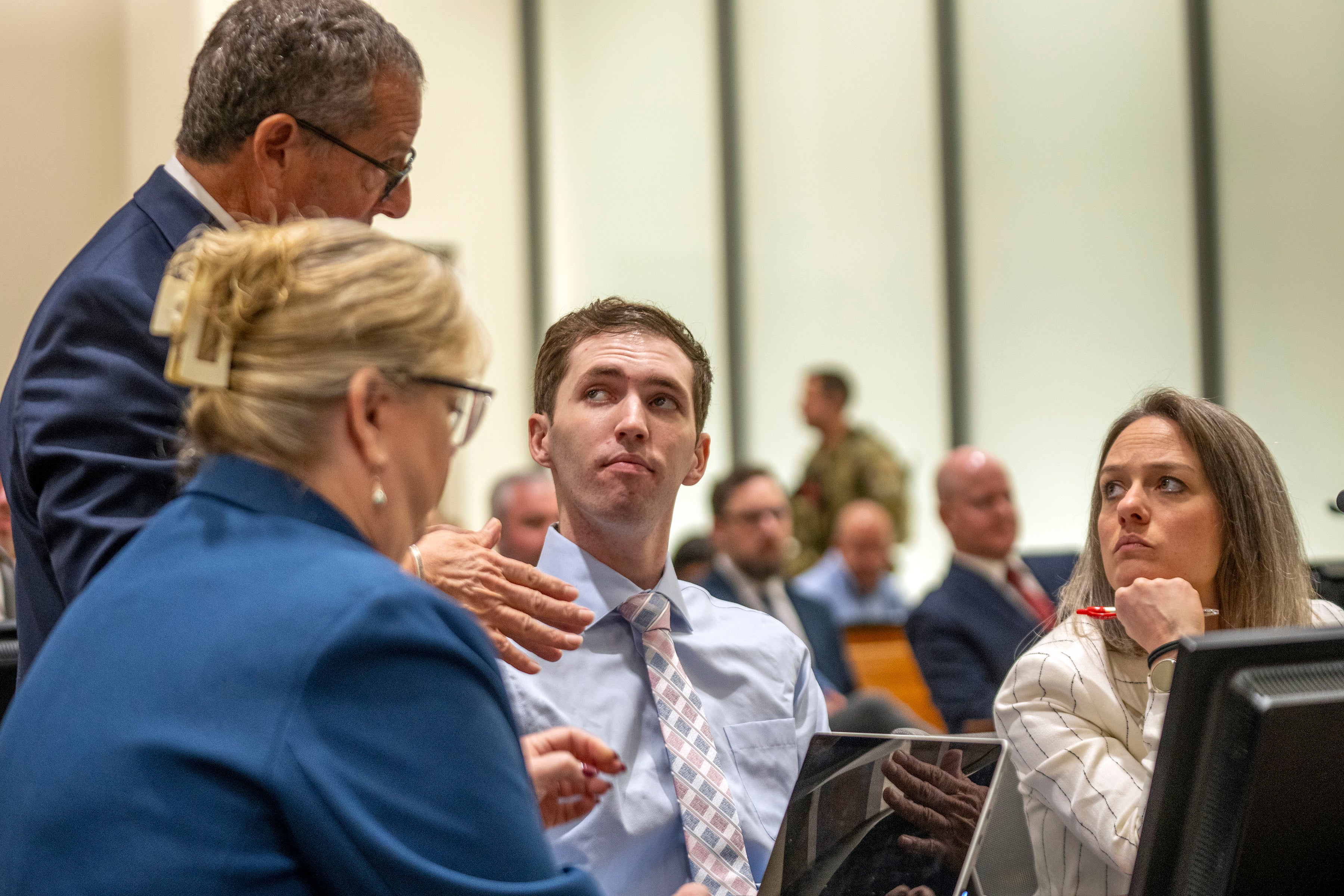
That claim has delayed proceedings, with a second hearing day now scheduled on a defense motion to have the local prosecutor removed from the case.
While the delays have understandably frustrated Erika Kirk, who wants to see her husband’s alleged killer brought to justice, Spencer said that the overriding principle of due process still applied, particularly when the death penalty was on the table as it is for Robinson.
“The constitutional right to due process will usually trump a victim’s desire for a speedy trial that may inhibit due process,” said Spencer, who pointed to a recent example from Utah’s Fourth District Court as a cautionary warning; in that case, a judge’s efforts to enforce a victim’s demand for a speedy trial resulted in an appeal to the Utah Supreme Court, where the lower court’s ruling was overturned.
“It cost the parties and taxpayers a lot of time, money, and stress dealing with the vigorous invocation of statutory speedy trial rights.”
Skordas said in more than 40 years of practice, he had never encountered a motion such as that filed by Kirk’s team – although he added it was not inappropriate. It was “unlikely to have any impact on the proceedings,” he said, with the case “currently going on a fairly normal track.”
Skordas added it was “not even a close call” when balancing a defendant’s rights against those of a victim’s family members: “Having said that, courts and prosecutors will do what they can to accommodate victims and see that their rights are protected.”
Robin Maher, Executive Director at the Death Penalty Information Center, a national non-profit organization providing data and analysis on capital punishment, said any move toward the death penalty would involve “considerable, time-consuming preparation” and the trial was unlikely to move quickly.
“The constitutional rights of the defendant, who is literally on trial for his life, are paramount in any capital case.”
DPA’s Bonowitz said concerns around a fair trial were particularly critical given how many high-profile voices had waded into the debate over the death of Charlie Kirk.
“The drivers of this particular call for speed have immense wealth, unusual political influence and the capacity to express themselves broadly through various media,” Bonowitz said.
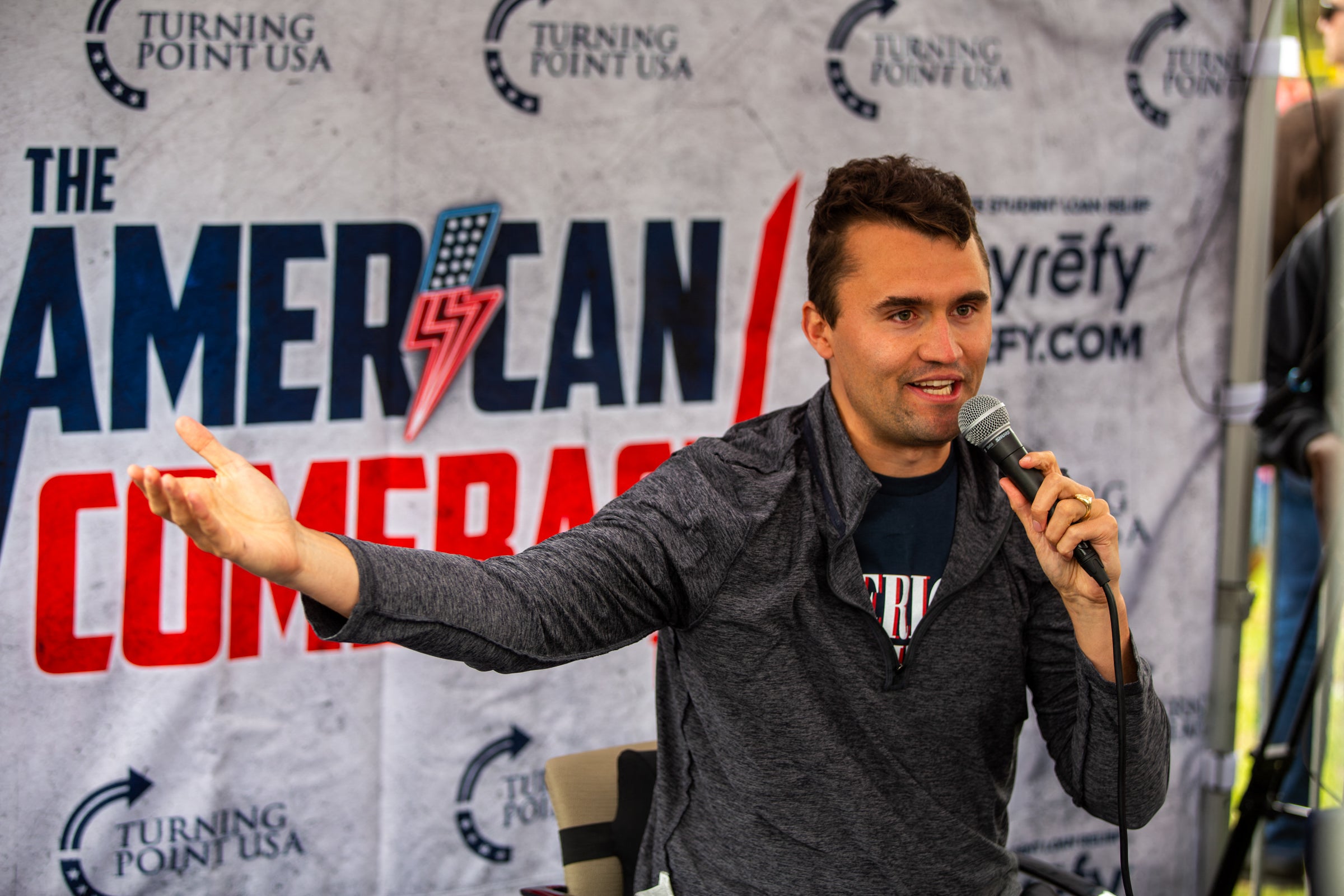
Tyler Robinson is accused of shooting Charlie Kirk in the neck at Utah Valley University while he was speaking at a Turning Point USA event. The outspoken provocateur had risen to prominence as a right-wing social media personality, and his killing sent shockwaves of blame and vitriol across the country. President Donald Trump attended his memorial in Arizona and described him as a “martyr.”
Erika Kirk did not respond to a request for comment via Turning Point USA.