

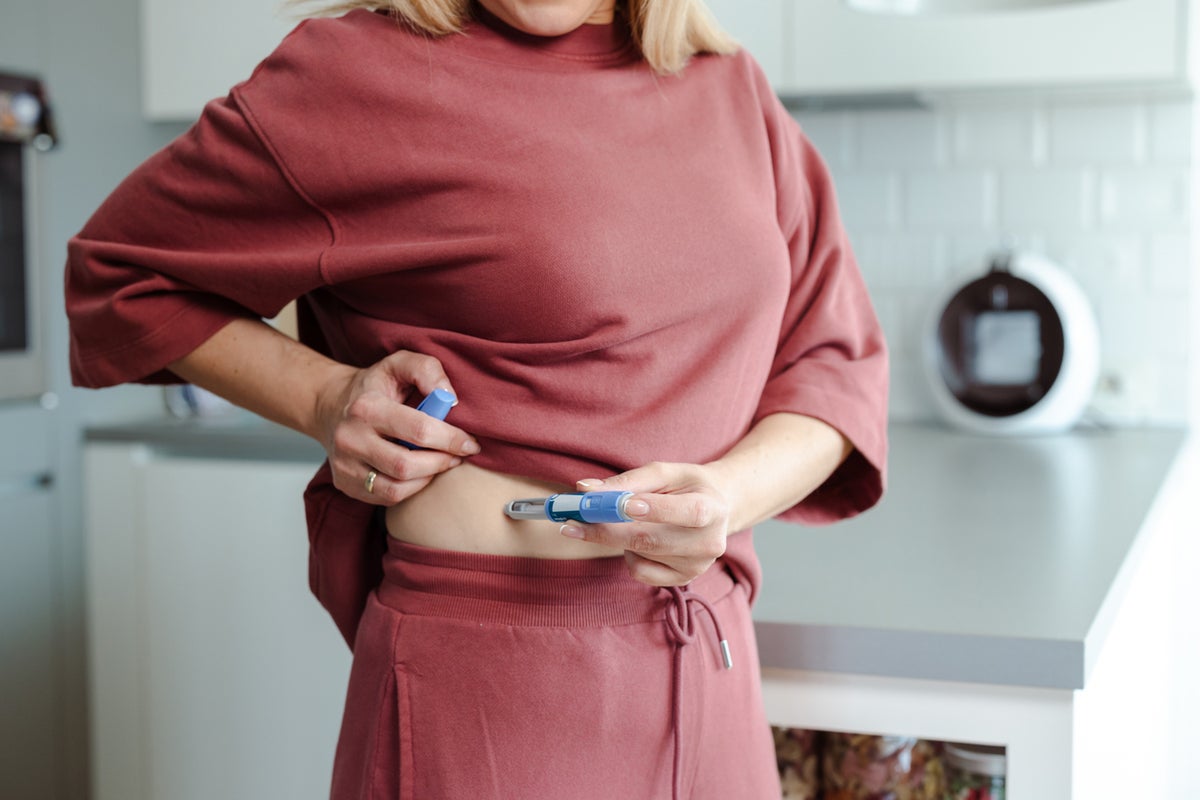
Experts have warned those on weight-loss injections against trying “jab hacks” like taking tiny doses or buying the medication from illegitimate sources.
Almost half of the 1.6 million people on weight-loss medication in the UK say they have either dabbled with dangerous techniques such as “microdosing” (32 per cent) or turned to unlicensed drugs and sellers (28 per cent) as the price of the medication rises, according to a survey by Lloyds Pharmacy Online Doctor.
One woman named Amy, whose name has been changed to protect her identity, explained she takes small doses of Wegovy to make the pen last longer and save money, meaning she uses each needle twice.
The 55-year-old, from West Sussex, told The Independent: “I pay £150 for a 1 milligram pen, which if you’re on the full dose lasts four weeks, and if you halve it, it lasts eight weeks. I have been eking it out so that a full pen can last me eight to 10, maybe even 12 weeks.”
She has been buying Wegovy from her beauty therapist since March 2025. But weight-loss medication can’t be bought over the counter and must be prescribed by a qualified healthcare professional, such as a GP or pharmacist, following a consultation.
The Medicines and Healthcare products Regulatory Agency (MHRA) has warned against sourcing weight-loss medicines from unregulated suppliers, with the maker of Wegovy calling this a “direct danger to health”.
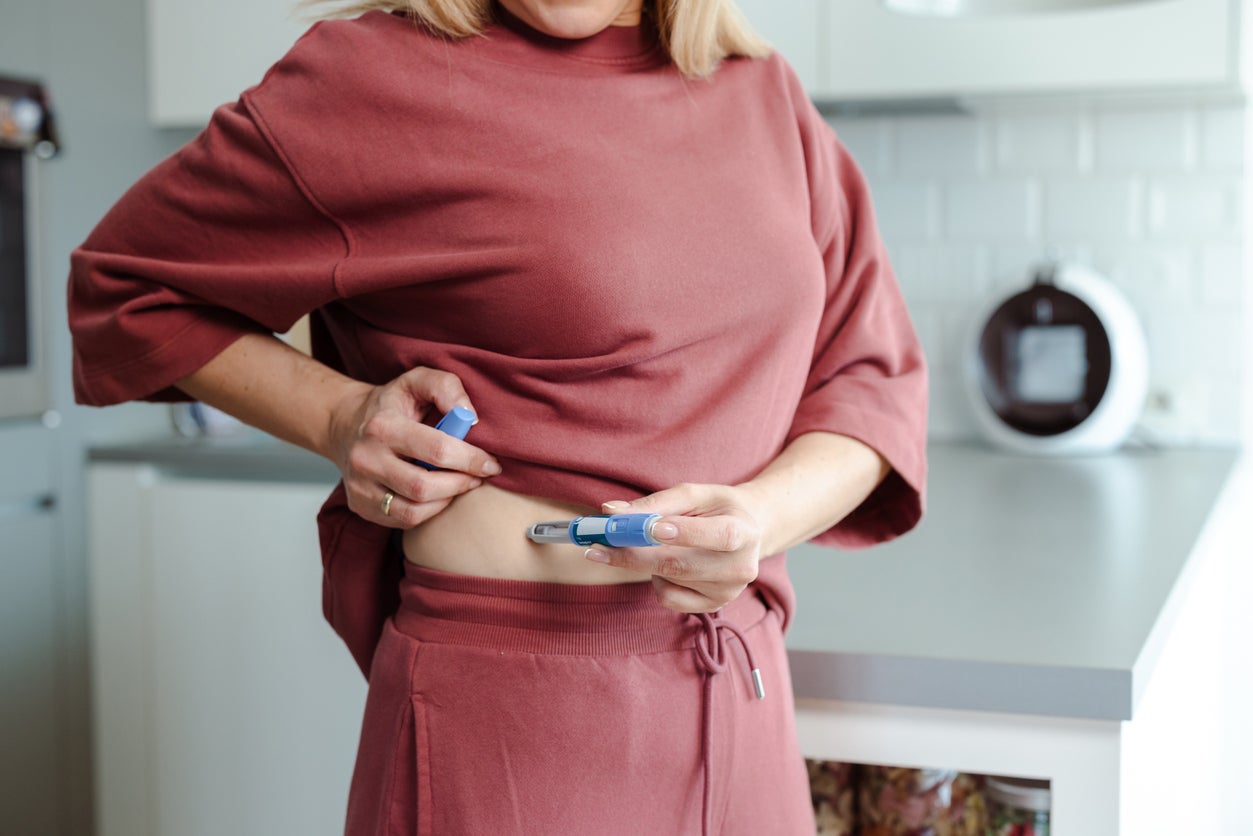
Dr Kieran Seyan, chief medical officer at Lloyds Pharmacy Online Doctor, told The Independent: “I am increasingly worried by reports that some individuals may be accessing prescription-only weight-loss medication through unregulated sources like beauty therapists or salons.
“Medication from a source that is not appropriately regulated increases the risk of incorrect dosing, expired or improperly stored medication, and in some cases, counterfeit products.”
But Amy said she trusts her beauty therapist and believes she would struggle to access weight-loss drugs on the NHS.
“From the age of 10 I was taken by my mother to Weight Watchers, and eventually, 15 years ago, I had gastric bypass surgery privately that didn’t work,” she said.
“I started Wegovy in March through my beauty therapist who does aesthetics and Botox. She goes to a doctor to get it prescribed, and then I collect it from her.”
Amy explained she did have a phone consultation and had to have a BMI over 30 to access the weight-loss drug, which she was, but she admitted the process should be “stricter”.
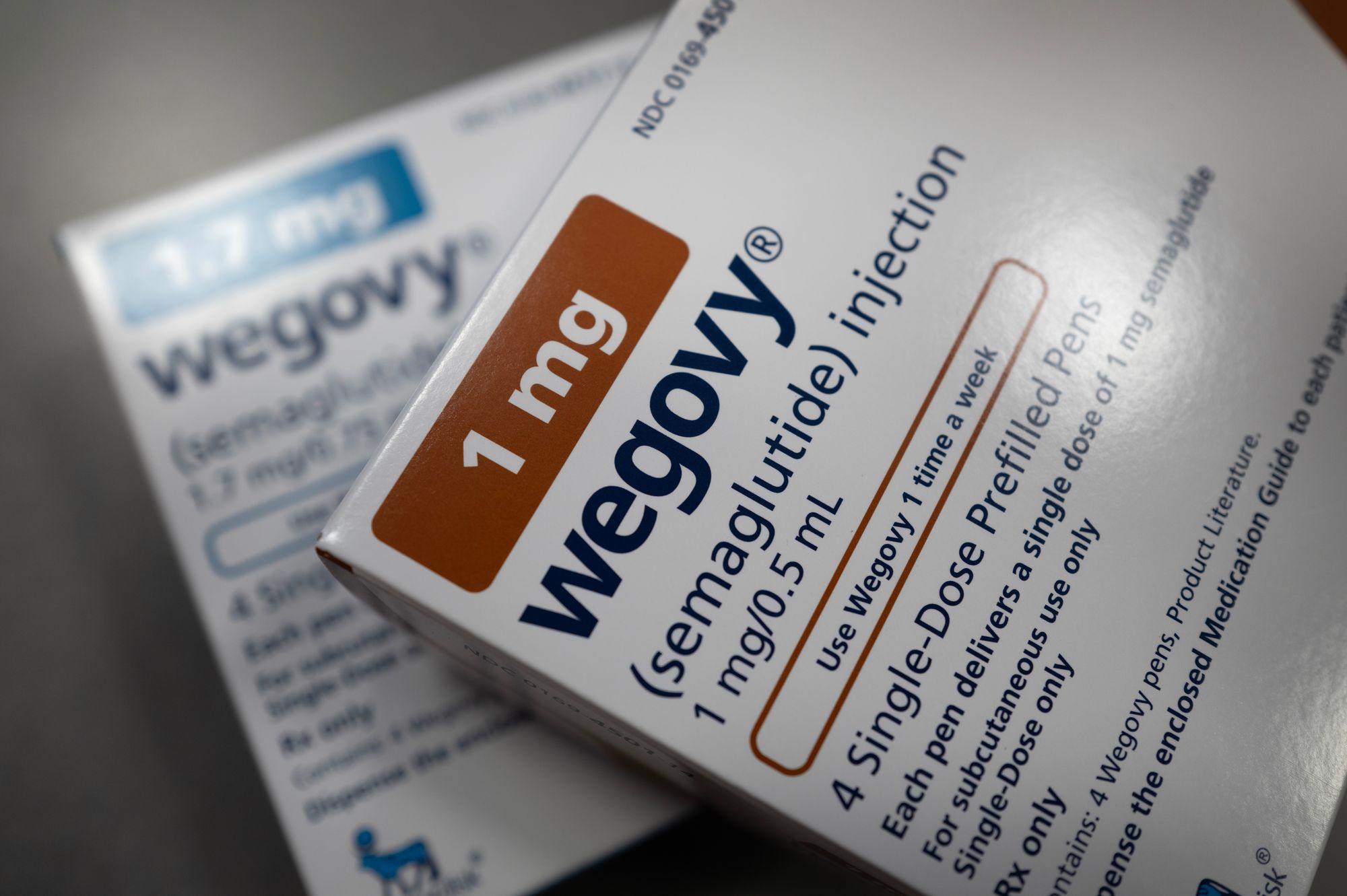
Weight-loss injections, such as Mounjaro and Wegovy, also known as GLP-1 receptor agonists, work by mimicking the natural hormone which regulates blood sugar, appetite and digestion.
They are a prescribed drug and to access them on the NHS a patient needs to have a BMI of 40 or more, but private providers offer them to those with a BMI over 30.
Amy started on a low dose of 0.5mg and gradually increased to 1mg. After losing two-and-a-half stone and reaching a BMI of 25, she was told to reduce her dosage to half the amount with the intent to stop.
“I haven’t actually stopped, I kept going and I’m almost scared to come off it, I feel that I probably might be on it for good,” she added. “I’ve got to have a pen in the fridge all the time and I just think it’s something that I’ll be on for the foreseeable future.”
The hack known as “microdosing” involves taking smaller doses than the weight-loss jab is designed for.
Dr Seyan warned using smaller doses to make the medication last “isn’t an exact science” and hasn’t been tested. He explained there is a risk of administering “unequal doses”, which can make the jab less effective.
The dose is decided on by a pharmacist or doctor depending on the individual, and “chopping and changing” the dose doesn’t give the body a chance to adapt and can cause nausea, vomiting, abdominal pain, tummy pain, and constipation, he explained.
He also warned that the pen itself is only supposed to last four weeks, so using it past this point could mean the medication itself has expired, making it less effective.

Because Amy uses a Wegovy injection that comes with only four needles, she sometimes uses the needle twice to reach eight or more doses – which poses a risk of infection.
Leyla Hanbeck, chief executive of the Independent Pharmacies Association, warned: “Patients should always use a clean and sterile needle for each injection.
“There is a significant risk for bacterial contamination as a used needle is no longer sterile and can infect the body with bacteria.
“There is also a risk of an inaccurate dose being administered if residue remained in the old needle, which will prevent the full dose of medication from being delivered. In addition, old needles can break and be damaged and can cause damage to the skin.”
An MHRA spokesperson said: “Wegovy (semaglutide) is a prescription-only medication, meaning it should only be obtained from a registered pharmacy against a prescription issued by a healthcare professional.
“Sourcing weight loss medicines from unregulated suppliers significantly increases the risk of getting a product which is either falsified or not approved for use. Products bought in this way will not meet the MHRA’s strict safety and quality standards and could expose patients to incorrect dosages or dangerous ingredients.”
Novo Nordisk, the maker of Wegovy, also warns against obtaining the medication from unregulated suppliers, adding it does not condone practices such as “microdosing” and medication should be taken at the recommended doses.
A spokesperson said: “At Novo Nordisk, patient safety is our top priority. Obtaining GLP-1 medicines without a prescription through non-legitimate routes poses a direct danger to health. The contents of the medicines obtained from sources other than a registered healthcare professional can be entirely different from the genuine medicine and should not be used.
“We urge patients to only obtain appropriate medicine on prescription through legitimate sources and after consultation with a healthcare professional. If a patient suspects they have administered a counterfeit product, they should seek medical advice straight away.”