

A woman died in northern Bangladesh last month after contracting the deadly Nipah virus, the World Health Organisation (WHO) has confirmed as countries in South Asia step up monitoring of a potential outbreak.
The patient, aged between 40 and 50 years, developed symptoms consistent with the Nipah virus on 21 January, including fever and headache followed by hyper-salivation, disorientation and convulsion, the world health body said on Friday.
The woman died a week later and was confirmed to be infected with the virus a day later, according to authorities.
She reportedly had no travel history but had consumed raw date palm sap. All 35 people who had contact with the patient are being monitored and have tested negative for the virus, and no further cases have been detected to date, the WHO said.
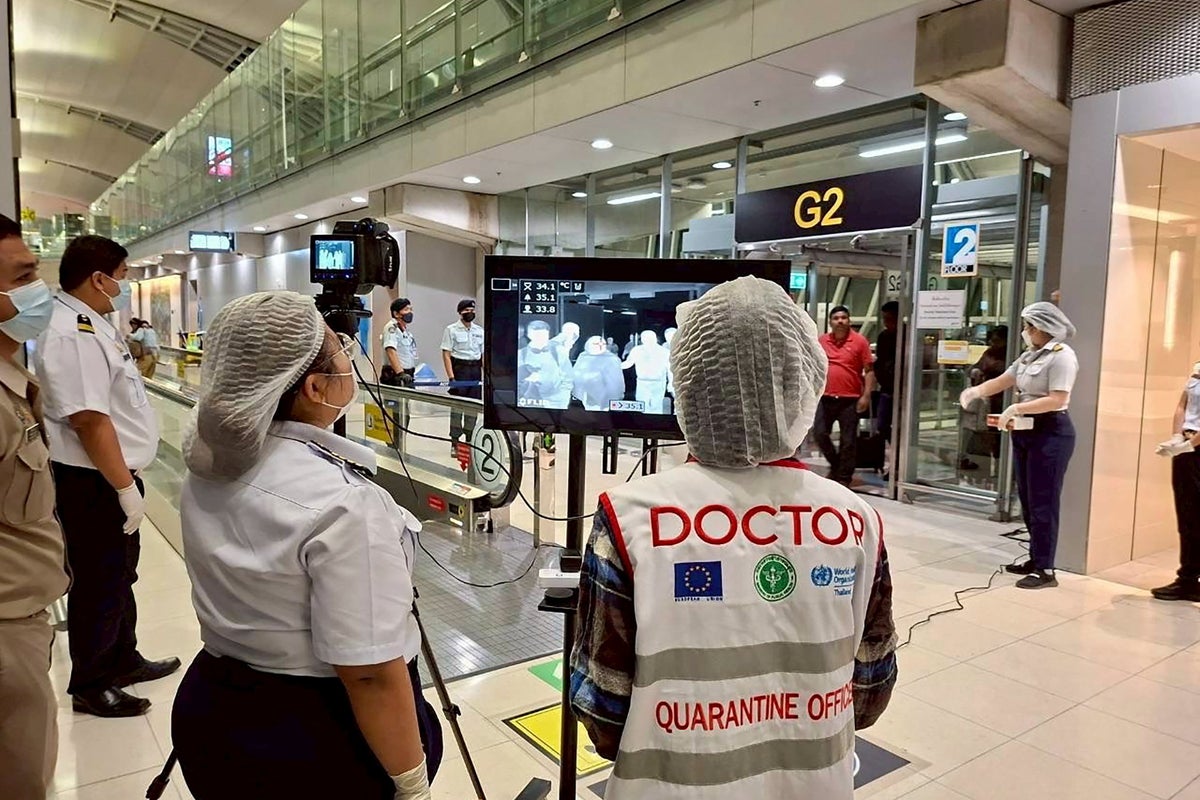
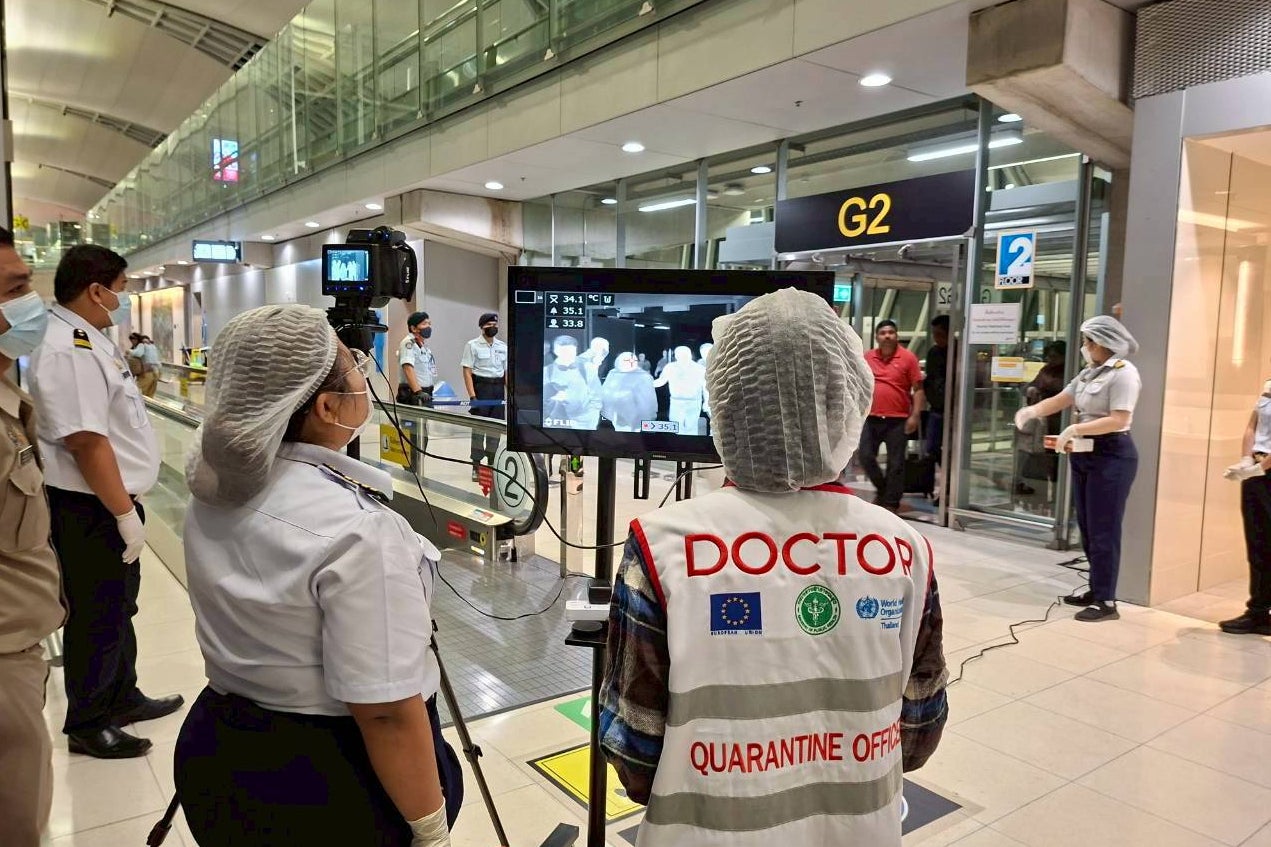
The Nipah case in Bangladesh follows two virus cases identified in neighbouring India, which has already prompted stepped-up airport screenings across Asia.
India’s federal health ministry last month said about 200 people were in quarantine after at least two cases of Nipah virus were detected in the eastern state of West Bengal, which shares a border with Bangladesh.
Nipah is a deadly virus with no vaccine or cure and is considered a high-risk pathogen by the WHO. Experts say human infections are rare and usually occur when the virus spills over from bats, often through contaminated fruit.
It can be fatal in up to 75 per cent of cases, but it does not spread easily between people. Survivors may experience long-term neurological effects, such as persistent seizures or changes in personality, according to the UK Health Security Agency’s update.
In rare cases, encephalitis has been reported to recur months or even years after the initial infection, either due to relapse or reactivation of the virus.
Countries including Malaysia, Thailand, Indonesia, Singapore and Pakistan have implemented temperature screenings at airports. Singapore has ordered migrant workers arriving from West Bengal to undergo daily temperature checks and monitor symptoms for 14 days.
The WHO said on Friday that the risk of international disease spread is considered low and that it does not recommend any travel or trade restrictions based on current information.
In 2025, four laboratory-confirmed fatal cases were reported in Bangladesh.
Beyond South Asia, infections have also been reported in the Philippines, with investigations suggesting they were caused by the Nipah virus or a closely related, Nipah-like strain.