

The massive spending package that Donald Trump quietly signed into law this week includes $51.4 billion (£37.83bn) in foreign aid spending, in a move described as a “major win” by the US Congress.
The bill includes some $9.4bn for global health programmes as well as $5.4bn in funding for humanitarian assistance, and $6.8bn for global security initiatives.
The $5.9bn earmarked for tackling HIV, which forms part of the health spending, is more than double the $2.9bn requested by Trump. The
There is also some $300 million earmarked for Gavi, the vaccine alliance, despite the Trump administration originally requesting that funding for Gavi be eliminated.
Elsewhere, the aid package also includes money for education, agriculture, and nutrition – but funding for dedicated climate programmes has been left out.
The overall package is nearly $20bn more than what the Trump Administration initially requested, indicating that there remains strong bipartisan support for foreign assistance across Congress.
“[The] Bill rejects Trump’s decimation of the US foreign assistance enterprise renewing bipartisan investments in American leadership and reasserting congressional control,” said Senator Patty Murray, vice-Chair of the US Senate Committee on Appropriations.
“This bill is the culmination of thousands of hours of tireless advocacy and bipartisan negotiation and a major win for US humanitarian assistance—and the people it serves,” said the Rev. Eugene Cho, president and CEO of Bread for the World, in a statement.
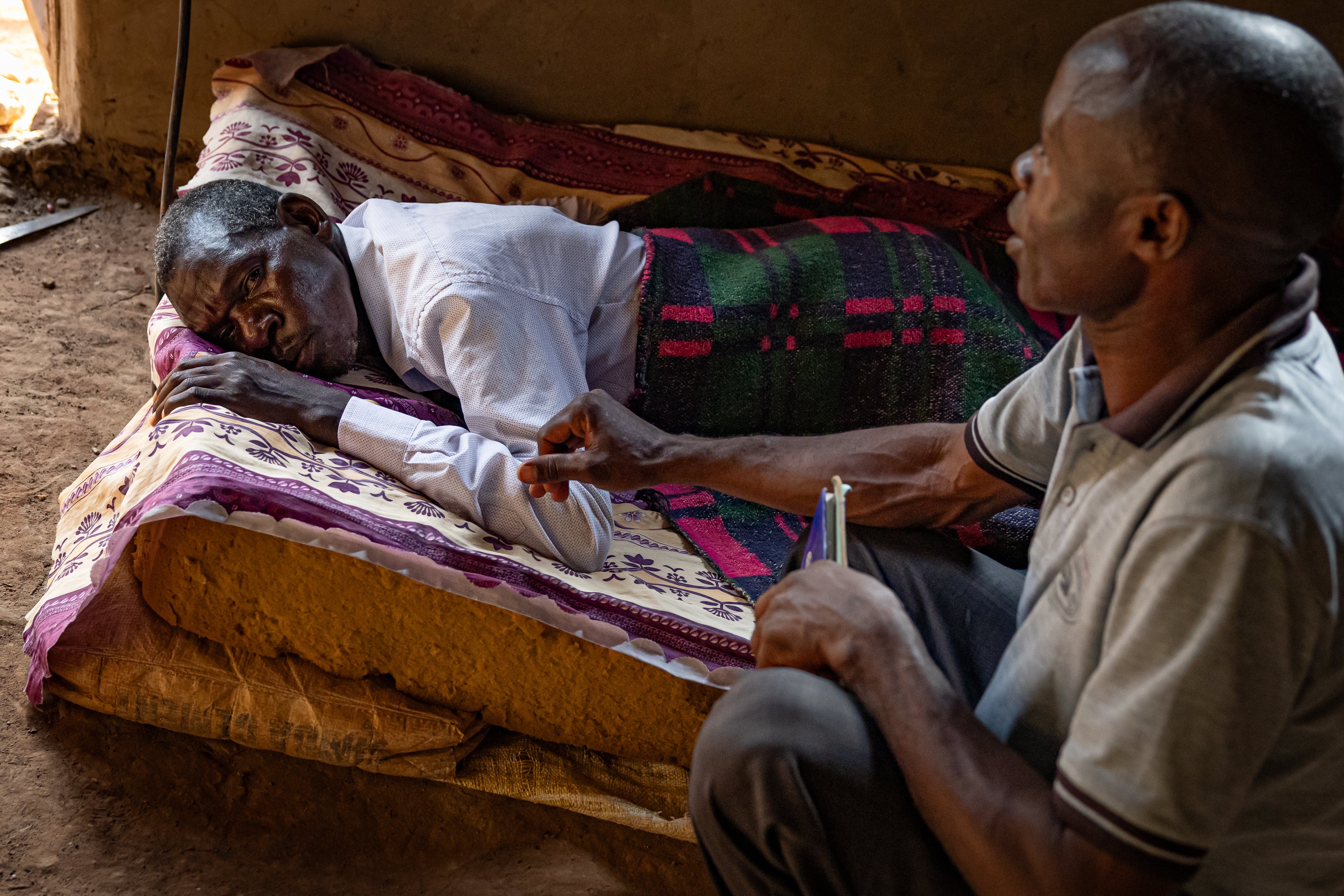
It is nonetheless 16 per cent less than the foreign aid bill for 2024, with NGOs warning that budgets will continue to be squeezed as humanitarian crises escalate worldwide. Save the Children noted that humanitarian spending is set to be 37 per cent below funding appropriated last year.
“For families facing hunger, displacement or conflict, these investments can mean the difference between surviving a crisis and being left behind,” Christy Gleason, chief policy officer at Save the Children US said.
“As Congress asserts its role in shaping foreign assistance, it’s critical that children remain at the center,” she added. “Protecting the most vulnerable children across the globe is a moral imperative and an investment in global stability and a safer and more prosperous world for children everywhere.”
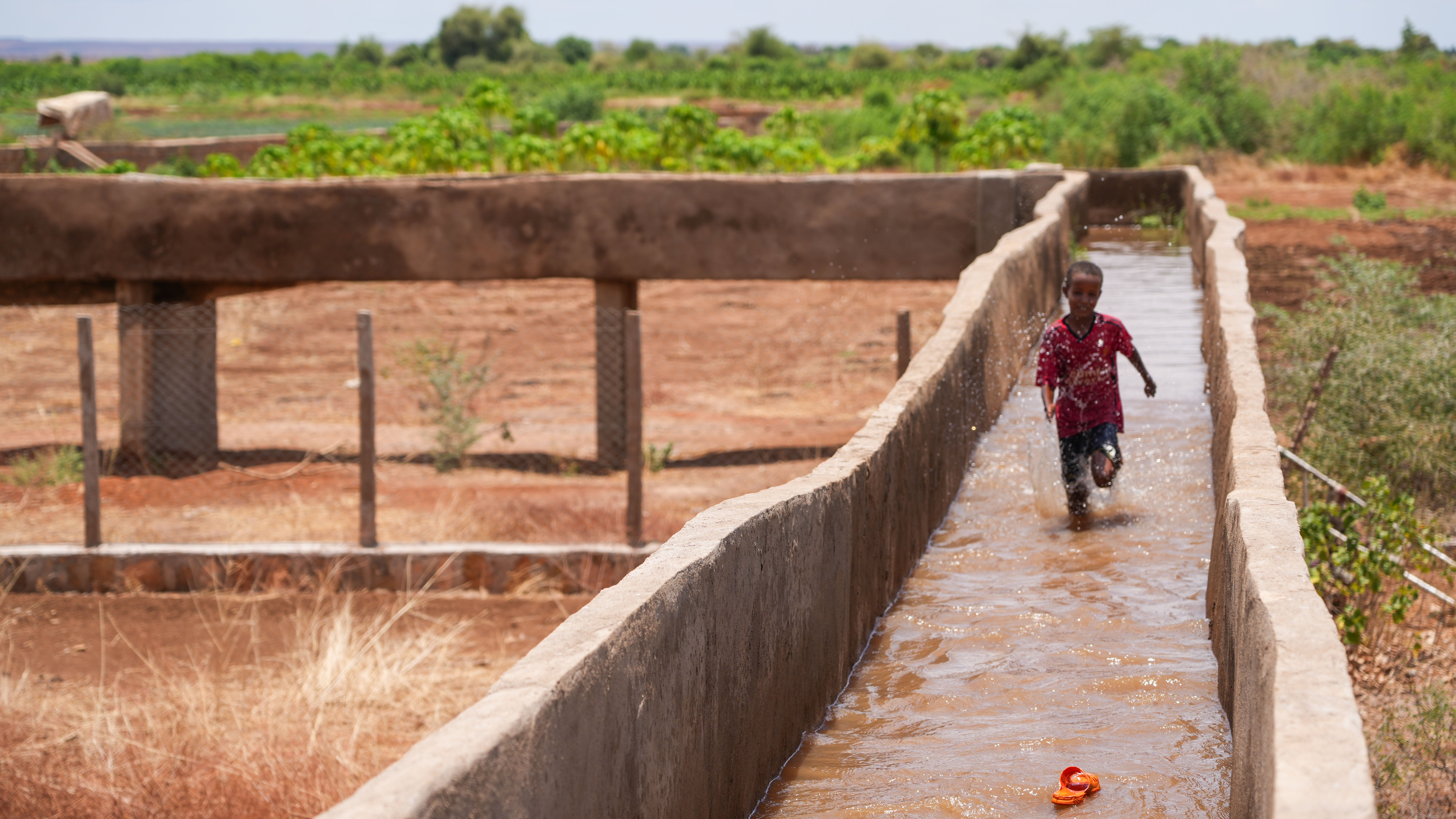
Efforts to specifically target climate change, however, were absent, and there is no new funding for the multilateral climate funds that are a crucial lifeline to developing countries looking to both decarbonise and adapt to the escalating climate crisis.
The US also made no pledge to fund the Africa Development Fund (ADF), which is a crucial financing lifeline for many of the poorest countries in Africa that struggle to access money from other source.
“Like too many other institutions, the ADF has adopted a disproportionate focus on climate change, gender, and social issues,” a US government spokesperson told Reuters.
Washington will, however, continue to indirectly support climate action through its support for multilateral institutions.
Some $54m, for example, has been earmarked for International Fund for Agricultural Development, which funds projects helping small-scale farmers adapt to climate change.
Tens of millions of dollars are also to be provided to development banks in Asia, Africa and Europe, as well as over $1bn for the World Bank’s International Development Association.
Most of these banks have strong climate goals around their investments, meaning that a lot of money will likely be spent on climate action. The World Bank, which is the largest multilateral lender, is aiming to devote 45 per cent of its finance to climate programmes.
This article was produced as part of The Independent’s Rethinking Global Aid project