


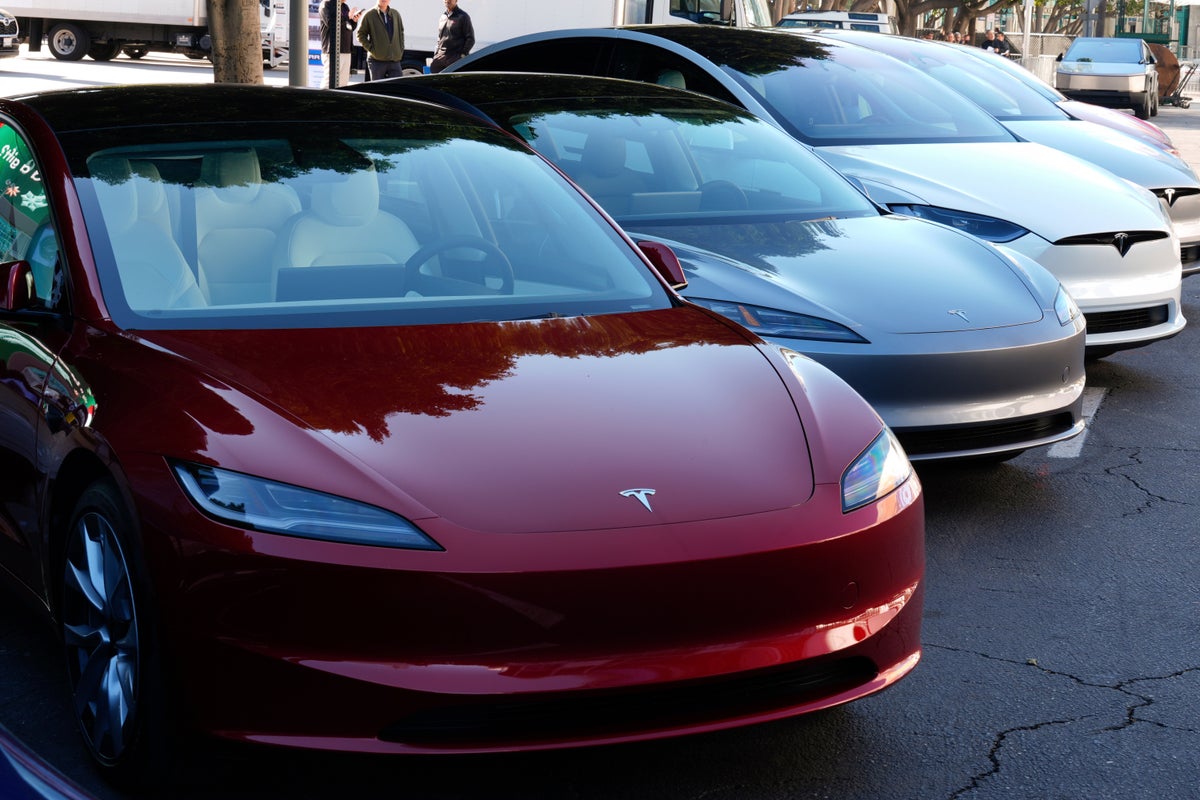
China has moved to ban concealed door handles on electric vehicles sold in the country as part of a broader safety push that could influence global automotive design.
The policy is the world’s first in explicitly banning a specific design feature on safety grounds and comes amid growing global scrutiny of EV safety.
The new rules finalised by the Ministry of Industry and Information Technology require passenger cars to have mechanical release handles on both the inside and outside of every door, eliminating hidden or electronically-actuated designs that have become common on modern electric cars.
The rules will take effect on 1 January 2027, with vehicles already approved for sale given until 1 January 2029 to comply.
The shift marks a significant departure from current vehicle styling trends which use sleek, flush-fitting handles, popularised by the American EV maker Tesla, to improve aerodynamics and range.
About 60 per cent of the 100 best-selling new energy vehicles in China currently feature hidden handles, according to state media.
The new standard came after a series of high-profile accidents where rescuers struggled to open vehicles with electronically operated handles following collisions or power failures.
In one case last year, rescuers were unable to open the doors of a Xiaomi SU7 electric sedan after a crash, leaving the driver trapped as the vehicle burned.
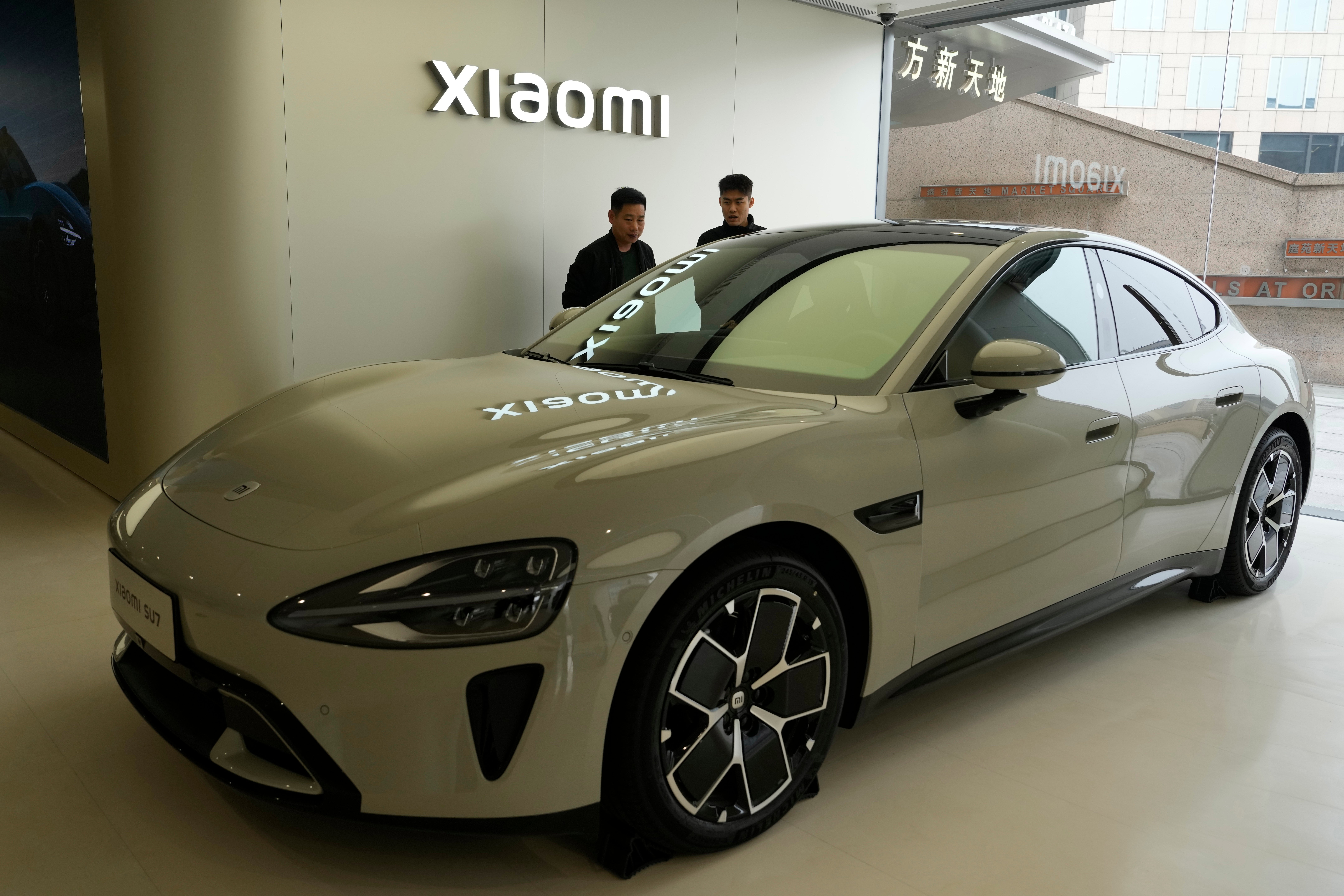
Regulators say the aim is to improve emergency access and reduce “escape and rescue risks” posed by door mechanisms that can fail when electrical power is cut or after impact.

Get your charger and tariff now.
Save happily EV after.
T&Cs apply
Find out more
ADVERTISEMENT
Get your charger and tariff now.
Save happily EV after.
T&Cs apply
Find out more
ADVERTISEMENT
The rules also specify minimum dimensions for exterior door handle grip space and internal signage to show occupants how to open doors manually.
Regulators in Europe and the US are also examining door handle operability after similar incidents.
China’s role as the world’s largest new-energy vehicle market means the regulation could have global ripple effects, as manufacturers adapt designs not only for the domestic market but for export.
Some Chinese automakers have already begun reverting to more traditional handle designs, while foreign brands have yet to outline detailed responses.
