Cold walls are one of those problems that are easy to feel but hard to fix. You turn the heating on, the room warms up, and yet it still feels chilly. And if you sit too close to an external wall, you can even feel the cold radiating back at you.
For many households, especially renters, flat owners, or people in older properties, getting proper insulation isn’t always an easy or affordable option. That’s where products like thermal wallpaper and thermal paint come in. They promise a simpler solution: less disruption, lower upfront cost, and at least some improvement in comfort.
But do they actually work, or are they more about clever marketing than meaningful energy savings?
What is thermal wallpaper and thermal paint?
Rather than heating your home, thermal wallpaper and thermal paint are designed to help reduce heat loss – or at least the feeling of it – without the need for major building work.
Thermal (or insulated) wallpaper is usually a thick base paper with an insulating or reflective backing. Some products rely on foam layers or trapped air to slow down heat transfer, while others use reflective surfaces intended to push warmth back into the room. It’s typically applied to cold external walls before being painted over or covered with more decorative wallpaper.
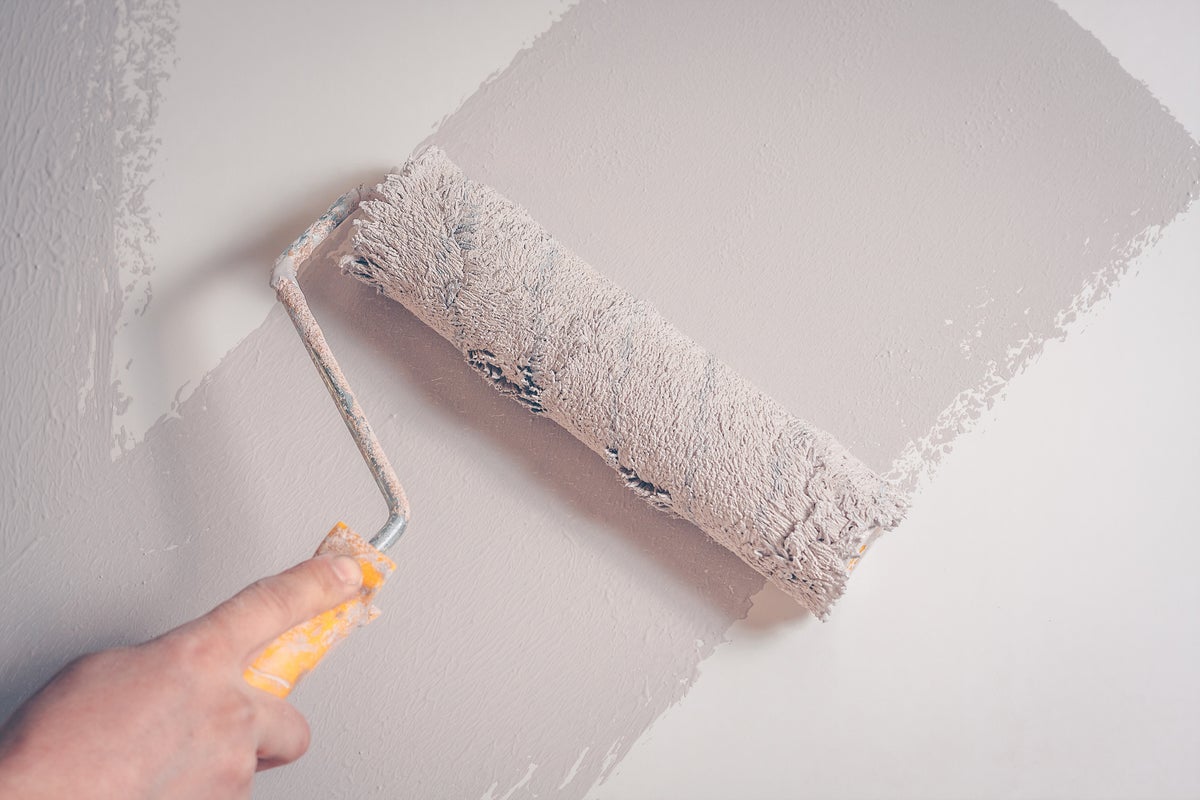
Meanwhile, thermal paint looks much like ordinary emulsion, but contains ceramic or glass microspheres, or other insulating additives. Like the wallpaper, thermal paints are marketed as helping walls retain heat and reducing cold spots – to improve the overall comfort of the room in which it’s applied.
Both options are typically aimed at people living in older properties, homes with thick, stone walls, or rented accommodation where permanent insulation upgrades aren’t possible.
Does insulated wallpaper actually work?
Insulated wallpaper can make a difference in the comfort of a room, but it’s a subtle one.
Adding a thin insulating layer to a cold wall, thermal wallpaper can slightly raise the surface temperature. In practical terms, that can make a room feel less draughty and reduce the ‘cold wall’ effect that makes some spaces uncomfortable, even when the heating is on.
It tends to help most on solid external walls, particularly in older homes or flats where traditional cavity wall insulation isn’t an option. In these cases, people often notice improved comfort rather than dramatic changes to their heating bills.
It’s important to keep your expectations in check, though. Compared with proper wall insulation, the insulating value of wallpaper is modest. It won’t transform an inefficient home, and it won’t compensate for other issues like poor loft insulation or leaky windows.
Does thermal paint work?
In reality, the insulating effect of thermal paint is limited by one simple fact: it’s still just paint. Even with ceramic additives, the thickness of a painted layer restricts how much insulation it can provide.
Some people report that rooms feel marginally warmer or that walls feel less cold to the touch after using thermal paint. And that’s plausible, particularly in small spaces or on problem walls. But what’s far less clear is whether it leads to noticeable reductions in energy use.
Any savings are likely to be small because, as with thermal wallpaper, the main benefit is usually comfort rather than lower energy bills.
The pros and cons of thermal wallpaper and thermal paint
Pros of thermal wallpaper
- Can improve comfort on cold external walls
- Less disruptive than installing wall insulation
- Useful where permanent changes aren’t possible
Cons of thermal wallpaper
- Limited insulation performance
- Can be expensive for relatively small gains
- Not a long-term solution to heat loss
Pros of thermal paint
- Easy to apply, like standard emulsion
- Minimal disruption to daily life
- May reduce cold spots in specific rooms
Cons of thermal paint
- Performance varies widely between homes
- Marketing claims can be overstated
- Unlikely to deliver meaningful savings on its own
How much does thermal wallpaper and paint cost?
Thermal wallpaper is significantly more expensive than standard lining paper. As a rough guide, most products cost between £10 and £30 per roll, depending on thickness and materials, with each roll typically covering around 5-7 square metres. For a medium-size room, the cost can quickly add up.
Installation costs can push the price even higher still. Professional installation may cost £150 to £300 per room, particularly if walls need preparation or smoothing beforehand.
Thermal paint is a cheaper upfront option, but still pricier than ordinary emulsion. Expect to pay around £15 to £40 per litre, with coverage similar to standard paint, usually enough for about 10 square metres per coat. Some products recommend two or three coats to achieve their intended effect, which further increases your overall spend.
While both options are cheaper than installing full insulation systems, they can still represent a sizeable investment for relatively modest gains. In many homes, simpler measures such as loft insulation or draught proofing offer better value for money.
Does thermal wallpaper stop damp?
Thermal wallpaper can sometimes help with condensation, but it’s not a cure-all solution.
By warming the surface of a wall, it can reduce the likelihood of moisture forming on cold areas, which may help with minor condensation issues. That can be useful in rooms like bedrooms or living spaces where cold external walls are a problem.
However, it won’t fix underlying damp caused by water coming through, rising damp, or structural issues. In some cases, covering up a problem wall without addressing the root cause can make things worse by trapping moisture.
If a home has persistent damp or mould, it’s important to deal with that directly before you consider any thermal finishes.
Are thermal wallpaper and paint worth it?
Whether thermal wallpaper or paint is worth it really depends on what you’re hoping to achieve.
If you’re looking for a noticeable drop in energy bills, these products are unlikely to deliver it on their own. Their insulating effect is simply too limited to make a big dent in heat loss across an entire home.
That doesn’t mean they’re pointless. For renters, flat owners, or anyone dealing with one particularly cold room, they can offer a modest comfort boost without major disruption. In the short term, making a room feel warmer can mean relying slightly less on the heating, even if the savings are small.
For most households, though, they make the most sense as a stopgap or supplementary measure. Addressing the basics, like insulation, draughts, and heating efficiency will usually have a far greater impact.
The bigger picture: What actually cuts energy bills?
Lower energy bills tend to come from tackling a home’s biggest sources of heat loss first.
That usually means good insulation, an efficient heating system, and controls that help you use energy more intelligently. Against that backdrop, products like thermal wallpaper and paint play a relatively minor role.
Many energy providers, including Octopus Energy, increasingly focus on helping households take a whole-home view, understanding how insulation, heating upgrades, and everyday energy use work together, rather than relying on single quick fix solutions.
Verdict: Do thermal wallpaper and paint really work?
Thermal wallpaper and paint can improve comfort, particularly in older homes with cold external walls. But they’re not magic fixes. Their impact is limited, and they shouldn’t be seen as a replacement for proper insulation or heating improvements.
Used in the right context, thermal wallpaper and paint can help make a room feel warmer, but for lasting energy savings, a broader approach is usually needed.