

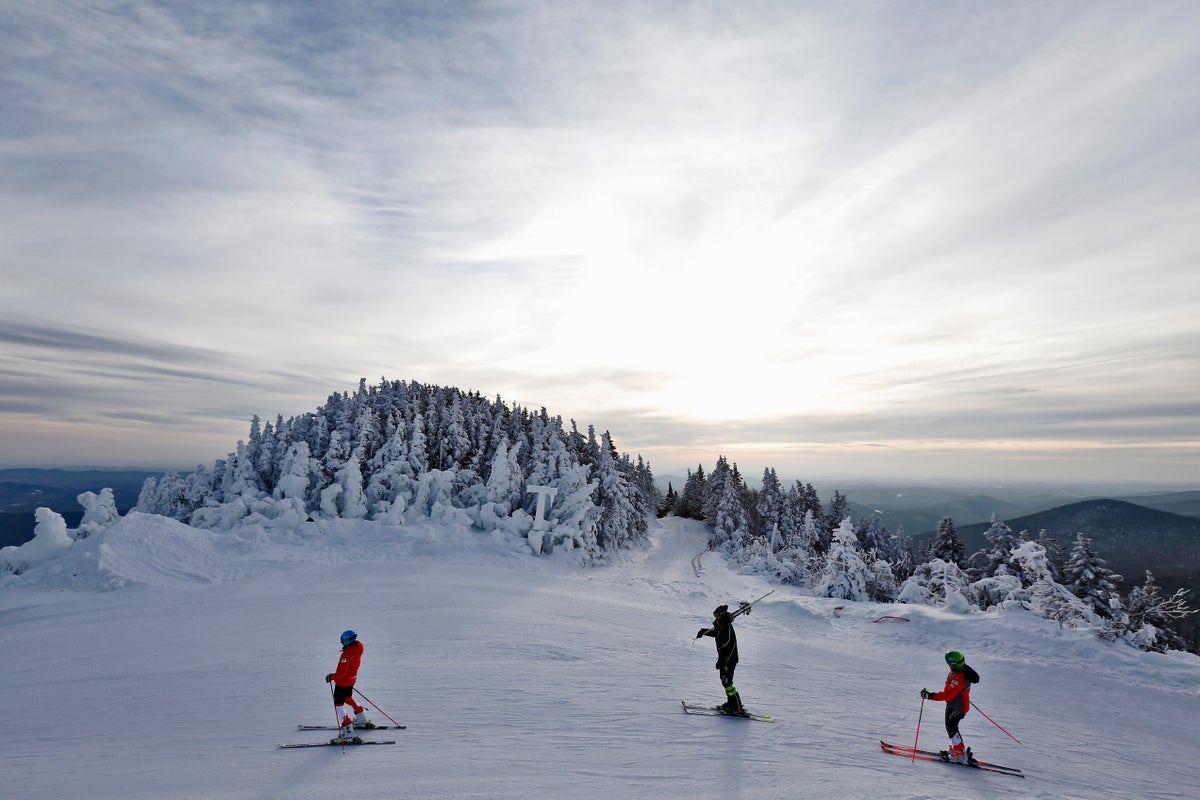
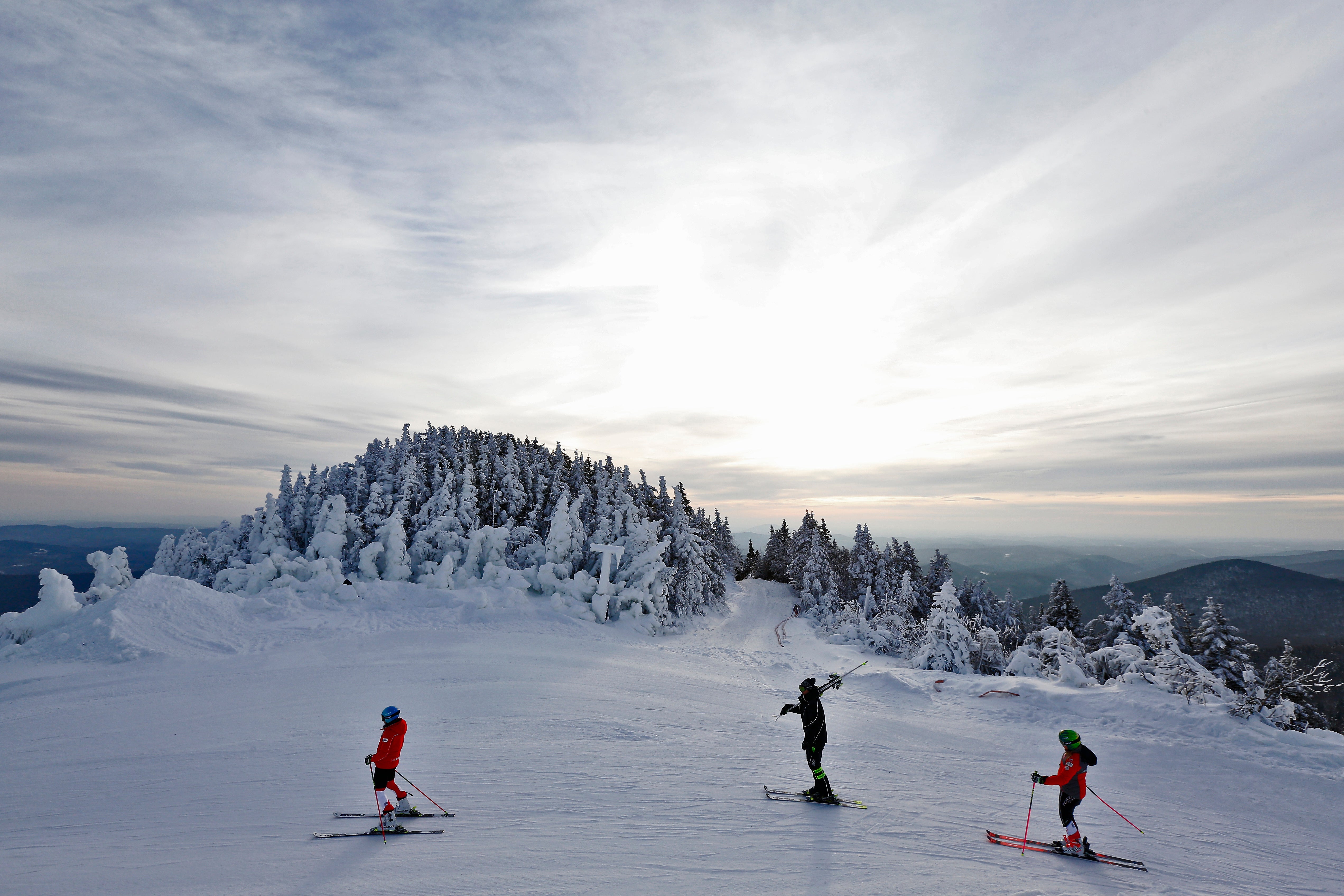
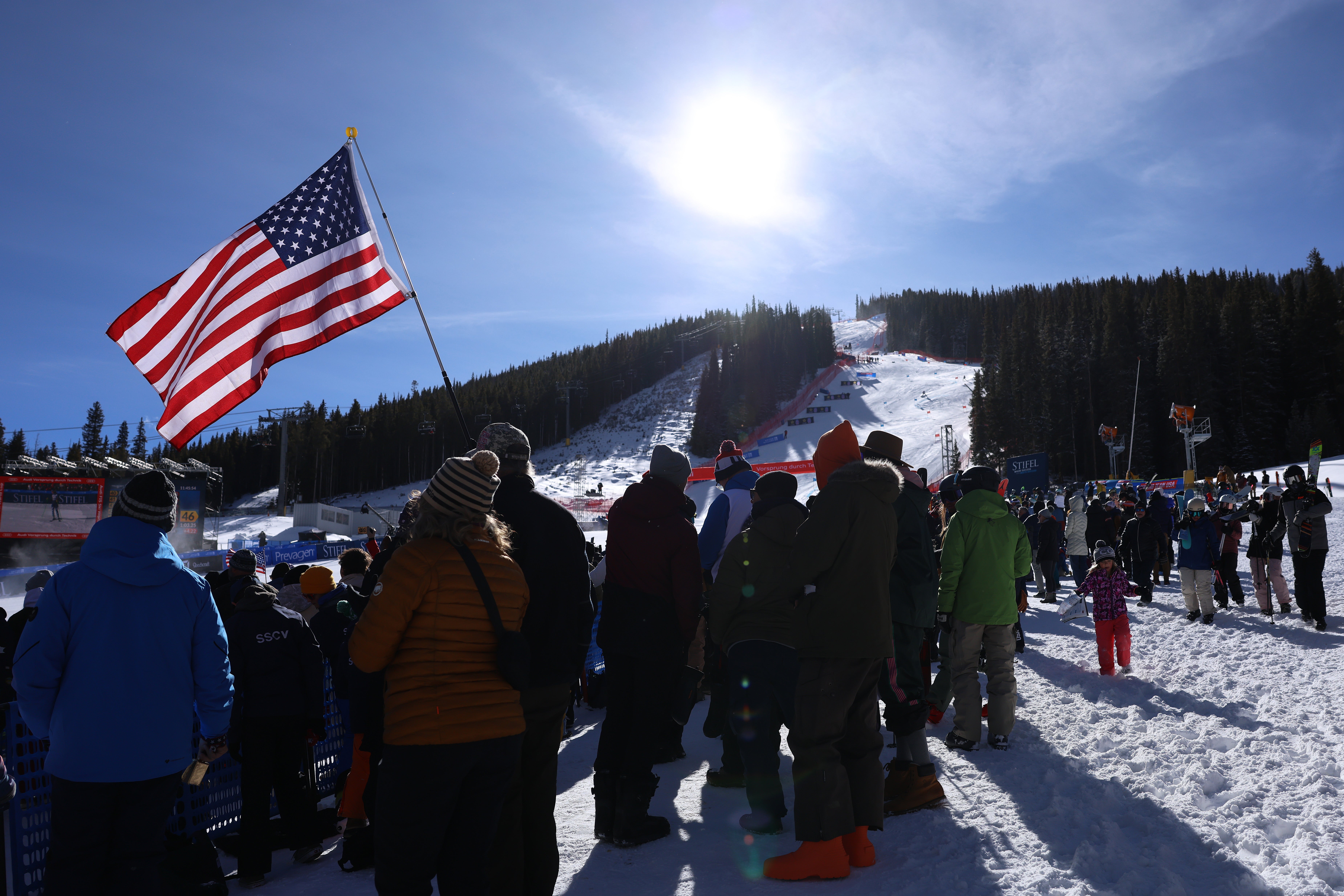
Ski resorts in the United States are seeing a decline in visits from Canadian skiers this winter as many boycott U.S. tourism to show opposition to President Donald Trump’s threats to impose tariffs and make Canada the 51st state, according to recent reports.
Steve Wright, the president and general manager of Jay Peak Resort – one of the largest ski resorts in Vermont- told members of Congress they were anticipating large declines in Canadian visits after he noticed fewer northern neighbors were renewing their season passes.
“After I called nearly 100 Canadian households… they cite the present administration’s flagrant disrespect of Canadian independence as not only a challenge to Canadian sovereignty but to their own identity and they feel the need to respond,” Wright said.
As of December, bookings from Canadians were down 10 to 15 percent.
Josh Reed, the communications manager at Killington Resorts, told Bloomberg that “there’s a lot of anger” from Canadians toward the U.S. He claimed that some Canadian visitors have felt ostracized by friends for visiting the states.
But it’s not just ski resorts, border towns in Montana and other U.S. states that typically see a high volume of tourism from Canada, say this past year’s visits declined significantly.
Kalispell, Montana, is a popular tourist destination for Canadians since it’s located approximately 50 miles from the border. But tourism dipped so low during the summer that the city launched a Kalispell Canadian Welcome Pass that offered tourists deals on shopping and dining.
“It’s disappointing and sad,” Diane Medler, the executive director of Discover Kalispell, told CBC News of the drop in tourism. She estimated a 39 percent decline in Canadian credit card spending in the region.
Elizabeth Guerin, the owner of Fiddleheads, a store in Colebrook, New Hampshire – located eight miles from the Canadian border, told members of Congress that she could “count the number of Canadian visitors on one hand.”
Guerin said normally Canadians make up 15 to 25 percent of her visitors.
“I’m just trying to plug along and keep my nose above the waterline,” Guerin said.
The economic impact on the border towns and ski resorts is part of a larger trend. Overall, Canadians’ trips to the United States declined by at least 30 percent in December 2025 compared to December 2024. That marked the 12th consecutive month of year-to-year declines in Canadians visiting the U.S.
Canadian travel to the U.S. began declining after Trump took office. At the time, the president taunted Canada with the idea of making the U.S.’s northern neighbor the “51st state.” Throughout the year, Trump continued to lash out at Canada – threatening to impose steep tariffs anytime he was displeased.
There are other factors impacting a slowdown in Canada–U.S. tourism, such as cost. The Canadian dollar has weakened, meaning it’s more expensive to visit the U.S. Additionally, western ski resorts are facing a tough winter with less snow than usual.