


Voters believe a middle-class lifestyle is increasingly difficult to obtain as key expenses in their lives remain unaffordable.
Some 58 percent of voters believe that education is unaffordable, and another 54 percent said housing is unaffordable, according to a new New York Times/Siena poll of 1,625 registered voters. The majority of respondents also said the cost of health care and having a family is unaffordable.
Nearly two-thirds (65 percent) of voters believe a middle-class lifestyle is out of reach for most people. Younger voters expressed the most concern, while an overwhelming majority (77 percent) believe that achieving a middle-class lifestyle is harder now than it was a generation ago.
The negative sentiment extends to the overall direction of the economy – 70 percent of respondents said they believe it’s in fair or poor condition, the poll found. A mere 4 percent believe the economy is in excellent condition, while 25 percent believe that the economy is in good shape.
The economy was by far and away the top concern for younger voters, with 46 percent of those ages 18 to 44 saying it is the most important problem facing the country today.
Voters age 65 and older have different priorities. They listed President Donald Trump and Republicans as the most important problem they face, followed by a tie between the economy and immigration and immigration enforcement. Just 3 percent said inflation and cost of living is a top concern, while 23 percent of voters 18 to 44 said they’re concerned about rising costs.
Pessimism about the economy and an increasing sense among voters that the middle-class dream is deteriorating pose problems for Republicans as midterm elections draw near.
It also clashes with President Trump’s efforts this week to address affordability, and various ideas he’s recently floated to make life more manageable, including buying $200 billion in mortgage bonds to lower home loan rates, and capping credit card interest rates at 10 percent for a year.
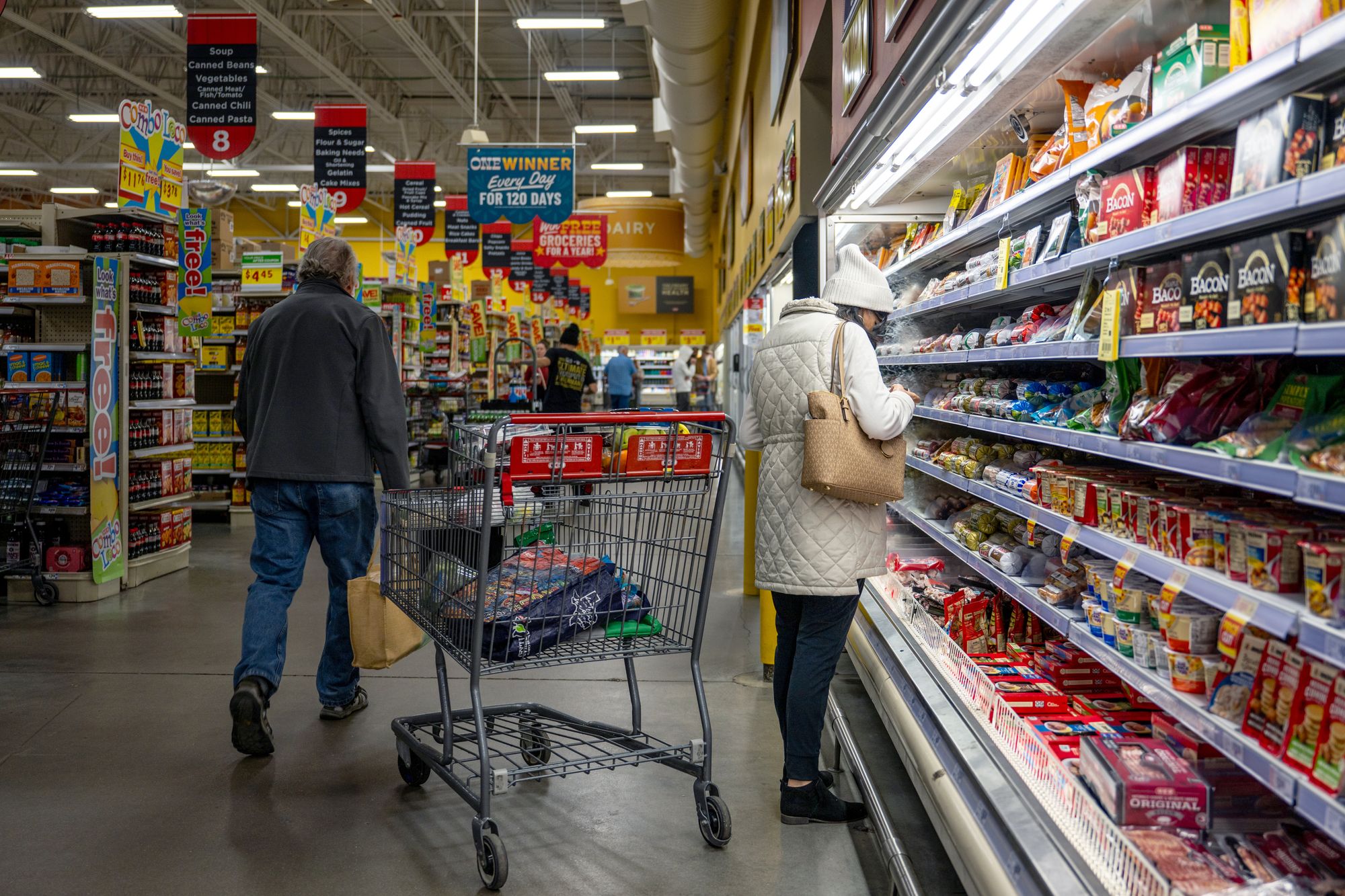
While voters expressed concern about the cost of key areas in their lives, there were bright spots. A majority of respondents said they believe groceries and food are mostly affordable, signaling a possible shift in voters’ perceptions of inflation’s impact on their grocery bill.
Additionally, 57 percent of voters say their utilities are mostly affordable, compared to 23 percent who say utilities are unaffordable.
The poll offers a look into the complex economic landscape the U.S. is facing. This month’s inflation report on December’s prices revealed that the price of eggs, a bellwether item for inflation, has fallen 20 percent compared to a year ago. Additionally, other staple items such as bread and rice saw nominal price increases that remained below the overall inflation rate, signaling that rising grocery costs may be leveling off or falling.