.jpg?width=1200&height=800&crop=1200:800 "Cheese products recalled ‘under protest’ as FDA investigates E coli outbreak – UK Times")

Your questions about ski goggles answered
What are the best ski goggles?
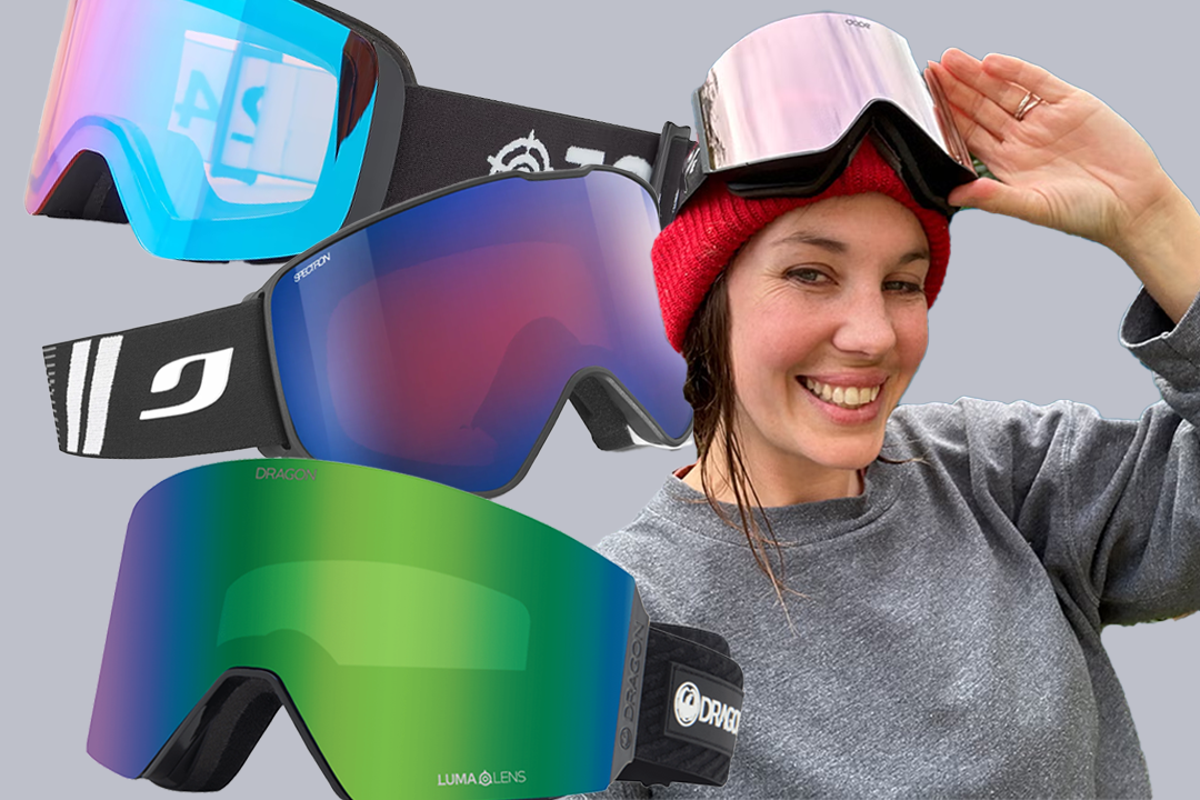
My pick of the best ski goggles for men and women is Sungod’s snipers. I also really rate Julbo’s quickshift as a one-lens all-rounder. Kids will get on well with Izipizi’s simple style or Bling20’s fun, eye-catching designs, while Tog24 offers the best value for money when it comes to adult goggles.
How to choose the best ski goggles
Goggles for winter sports come in a rainbow of different lens colours, for changeable winter weather conditions. As a rule, yellow and pink lenses are best for cloudy days, while darker colours and polarised lenses work well on sunny days. If in doubt, look for the lens VLT (visible light transmission) percentage – the lower the number, the better suited it is to bright sunshine. For example, a VLT of 38 per cent is best for low light and cloudy conditions; 9 per cent is ideal for sunny days out on the snow; and 21 per cent would make a good all-rounder.
You’ll also see lenses split into three categories: cat 1 is lightly tinted for overcast conditions; cat 2 is a good all-rounder and cat 3 is ideal for bright sun. To deal with fast-changing weather conditions, skiers usually either carry two pairs of goggles or one pair that allows for interchangeable lenses, so you can pop a differently tinted lens in quickly, if needed. If you’re only investing in one pair of goggles, it’s worth choosing a pair with changeable lenses, so you’re ready for any conditions.
Most goggle models offer 100 per cent protection from UVA and UVB light as standard. Look for goggles constructed with double lenses (this helps avoid fogging) and those treated with anti-fog and anti-scratch technologies to keep them clear. Check that the strap on the model you buy is easy to adjust and fits snugly over your helmet.
Do men’s and women’s ski goggles differ?
Goggles tend to be unisex, but smaller or female-specific fits are a good shout if you find that regular models feel enormous on your face. If you wear glasses, pick goggles designed to fit over them (sometimes labelled OTG, for ‘over the glasses’).
How I tested
For each pair of goggles, I looked at several factors. Only those that I believed passed each of these testing points made it onto this list. The testing criteria I used included:
- Fit: I tested to see how securely each goggle sat, whether it sealed properly, and if there were any pressure points.
- Helmet compatibility: I wore each pair with a helmet, checking for a seamless fit with no gaps and ensuring the goggles stayed in place while moving.
- Comfort: I wore each pair for extended periods to assess all-day comfort, including strap pressure and face foam cushioning.
- Anti-fog performance: I tested each goggle in varied weather conditions to see how well the lenses resisted fogging during activity and temperature changes.
- Visibility: I assessed lens clarity, field of view, and how well the goggles handled changing light conditions.
- Weather performance: I used each goggle in different weather, including cold, wind, and snowfall, to see how well they performed overall.
- Ease of use: I looked at how easy the goggles were to adjust, put on, and take off, especially while wearing gloves.
Why you can trust IndyBest reviews
Sian Lewis is an award-winning travel and outdoors journalist and has written for IndyBest since 2020. Adept when it comes to assessing outdoor gear, Sian has previously brought readers her verdict on the best luggage, camping gear, hiking gear, and winter sports equipment on the market, including the best snow boots, thermal socks and ski gloves.
Want more recommendations? Stay warm on the slopes with our guide to the best base layers for men and women