


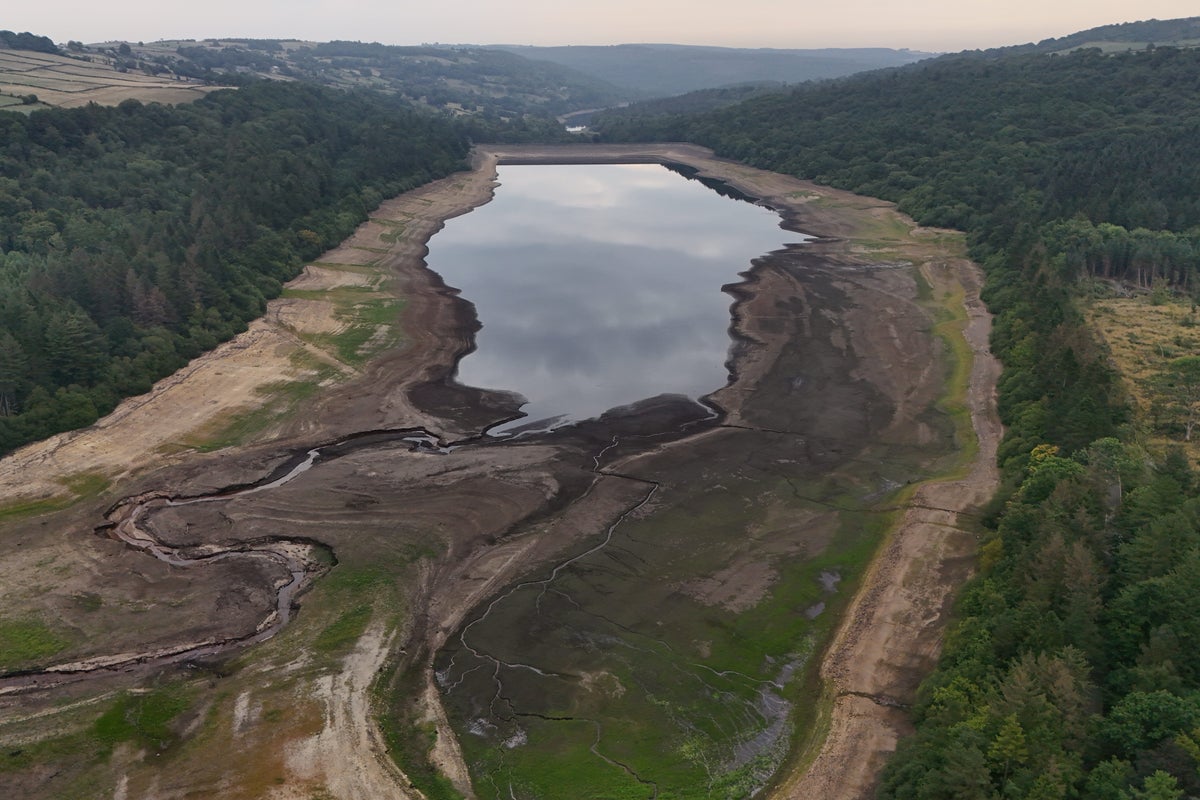
Billions of people are facing the reality of irreversible water “bankruptcy”, as decades of overuse combine with dwindling natural supplies, according to a stark warning from UN researchers.
The United Nations University Institute for Water, Environment and Health revealed on Tuesday that nearly three-quarters of the global population reside in nations deemed “water insecure” or “critically water insecure”.
This crisis means four billion individuals endure severe water scarcity for at least one month annually, exacerbated by shrinking lakes, rivers, glaciers and wetlands.
“Many regions are living beyond their hydrological means, and many critical water systems are already bankrupt,” said Kaveh Madani, lead author and director of the institute.
“By acknowledging the reality of water bankruptcy, we can finally make the hard choices that will protect people, economies and ecosystems,” he said.
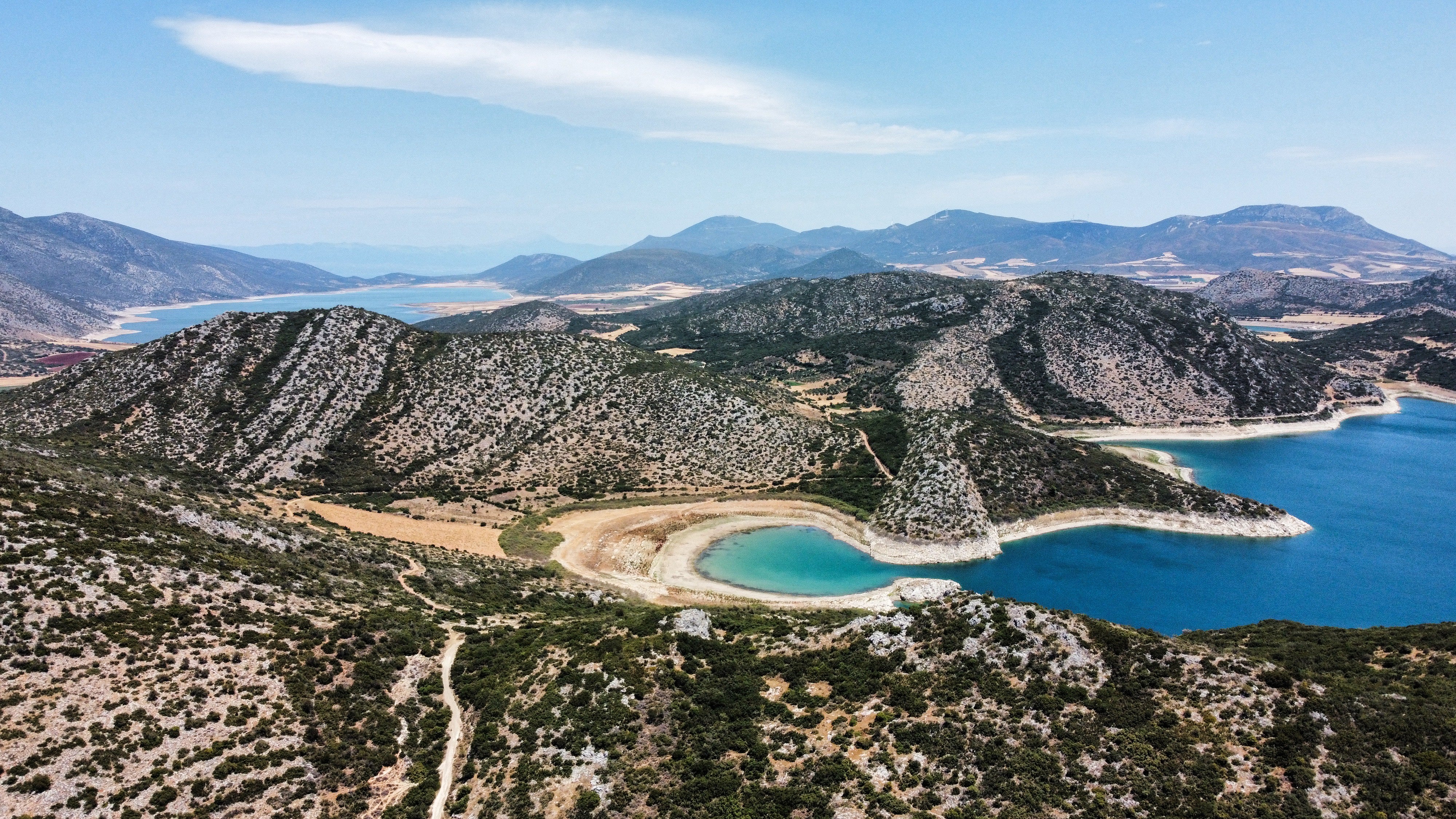
The report said water supplies are “already in a post-crisis state of failure” after decades of unsustainable extraction rates that have drawn down water “savings” contained in aquifers, glaciers, soils, wetlands and river ecosystems, with supplies also degraded by pollution.
More than 170 million hectares of irrigated cropland – an area larger than Iran – are under “high” or “very high” water stress, and economic damage from land degradation, groundwater depletion and climate change amounts to more than $300 billion a year worldwide, the report said.
Three billion people and more than half of global food production are concentrated in areas already facing unstable or declining water storage levels, while salinisation has also degraded more than 100 million hectares of cropland, it said.
The researchers wrote that the current approach to solving water problems was no longer fit for purpose, and the priority was not “returning to normal” but a new “global water agenda” designed to minimise damage.
However, Jonathan Paul, geoscience professor at Royal Holloway, University of London, said the report did not address one major factor behind the crisis.
“The elephant in the room, which is mentioned explicitly only once, is the role of massive and uneven population growth in driving so many of the manifestations of water bankruptcy,” he said.