


A single mum who cared for her severely disabled daughter had been given a lot of support to overcome depression and loneliness, an inquest has heard.
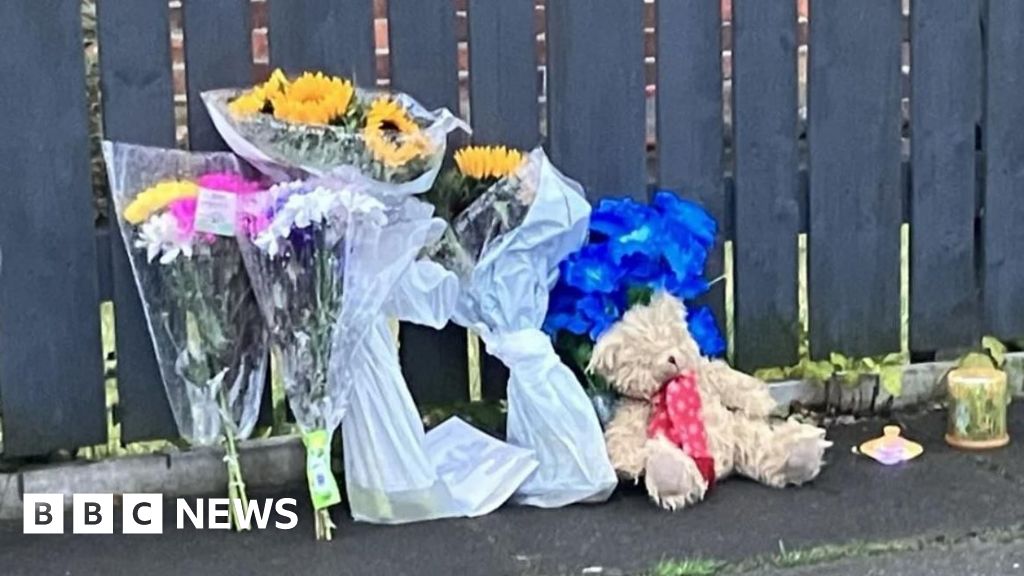
The bodies of Martina Karos, 42, and eight-year-old Eleni Edwards were found at their home on South Radford Street in Salford, Greater Manchester, after police were called when the girl failed to attend her special school on 23 September 2024.
Greater Manchester Police said it was not looking for anyone else in connection with their deaths.
Bolton Coroner’s Court was told a pathologist had found both the mother and daughter had died from carbon monoxide poisoning.
‘Low moods’
The inquest heard Karos, originally from Poland and who had worked as a translator, had struggled with her mental health following the break-up of a relationship.
Caring for her daughter left her feeling socially isolated and lonely, the joint inquest was told.
She had told a friend she felt life was not worth living, and had become emotionally distant at times from her daughter.
Eleni was put on a child protection plan by social service staff at Salford City Council in January 2024, and mother and child had a range of support services, the inquest heard.
These included daily visits from carers, social workers, short and medium-term respite care, counselling, talking therapy and psychotherapy.
Social workers had also accompanied Karos to social activities to try to get her to make new friendships – but she struggled with such initiatives, the hearing was told.
Sophie Cartwright KC, representing Salford Safeguarding Children Partnership, asked witness Tammy Young, service manager at Greater Manchester Mental Health: “If a patient doesn’t want to engage, is there anything else that can be done?”
“No,” Young said. “She had very broad interventions.”
Harriet Jones, a service manager for Children’s Services at Salford City Council, said Eleni was put on the child protection plan due to a risk of emotional, not physical harm, because of her mother’s low moods.

 PA Media
Jones said Karos told social workers her unhappiness was through feeling “stuck”, isolated and lonely, and she wanted to make friends.
As she could not work due to caring responsibilities for her daughter, Karos felt lonely during the day when Eleni attended a special school and most people were at work.
Respite care was then increased so Karos could attend activities on evenings and weekends, the inquest was told.
Jones said social workers set up an app of activities for Karos and suggested activities involving groups including, gardening, sports and “women who walk”.
She said social workers “exhausted any available resource in Salford”.
‘Devoted mother’
Karos would say she did not know what to do with herself when she was not caring for Eleni and Jones suggested it was not a lack of time that was the issue, but the lack of social connections.
Karos, who moved to Italy with her family as a child, came to England in 2003 and studied languages at university, working as a translator and interpreter.
Despite being told she could not have children, she became pregnant with Eleni and was “surprised and excited” about becoming a mum.
Approximately six months after her daughter’s birth in June 2016, it became apparent Eleni was very severely disabled, unable to see or communicate verbally and with restricted mobility.
The inquest was adjourned until Thursday.