

Activists allege that Iran has aired at least 97 coerced confessions from protesters, some following torture.
In the clips, broadcast on Iranian state media, people are shown wearing handcuffs and with their faces blurred.
The confessions are interspersed with clips that appear to show protesters attacking security forces, setting fires or destroying property.
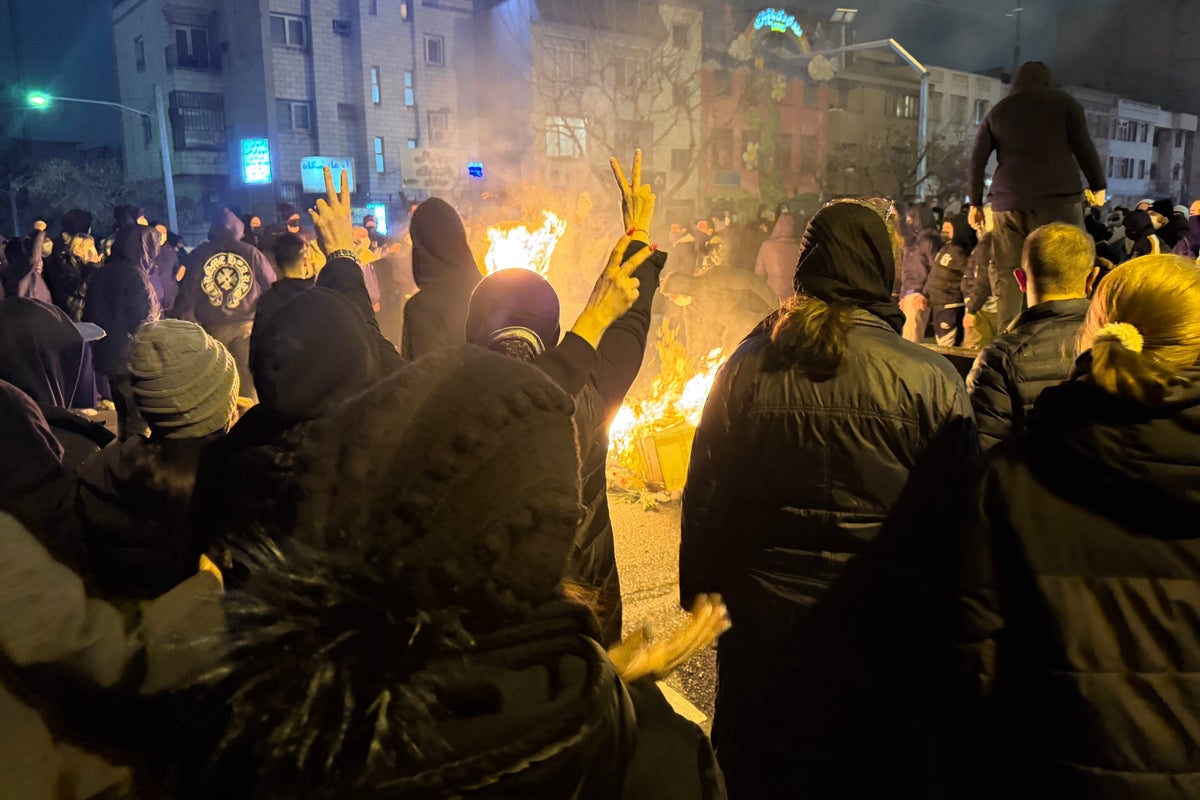
Iran alleges that these confessions – which often include references to the US or Israel – are proof of foreign plots behind the protests that have gripped the nation in recent weeks.
Follow latest updates on Iran protests here
Activists say that they are coerced confessions, long a staple of Iran’s hard-line state television. And they are coming at an unprecedentd pace.
Iranian state media has aired nearly 100 confessions from protesters, many expressing remorse for their actions, since the protests began on 28 December, according to a rights group that is tracking the videos.
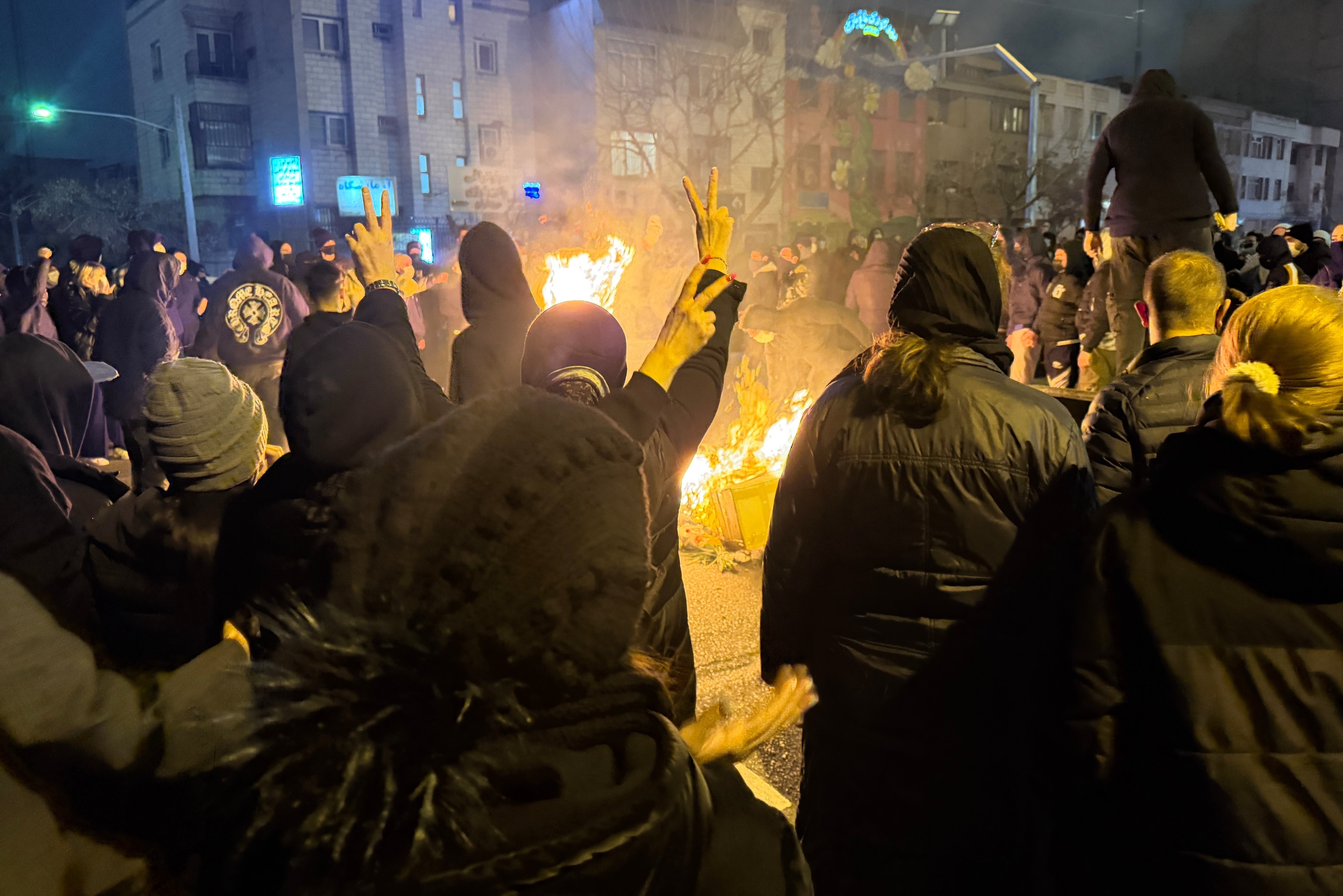
The US-based Human Rights Activists News Agency says that based on testimony from prior detainees, the confessions often come after psychological or physical torture, and can have serious consequences, including the death penalty.
“These rights violations compound on top of each other and lead to horrible outcomes. This is a pattern that’s been implemented by the regime time and time again,” said Skylar Thompson, the group’s deputy director.
Iran’s mission to the United Nations did not return a request for comment.
Iranian officials have described the protests as “riots” orchestrated by the United States and Israel. Iranian Foreign Minister Abbas Araghchi has said the violence must be foreign-influenced because Iranians would never set mosques on fire.
An unprecedented number of confessions over two weeks
The nearly 100 confessions broadcast over just two weeks is unprecedented for Iran, Ms Thompson said.

By comparison, from 2010 to 2020 there were around 350 forced confessions broadcast on state media, according to the activist groups Justice for Iran and the International Federation for Human Rights, the last major study compiled by activists.
The rights group Together Against the Death Penalty said there were 40 to 60 confessions aired in 2025.
Additionally, Iran Human Rights and Together Against the Death Penalty reported at least 37 televised confessions of people facing the death penalty in the weeks following the 2022 protests over the death of Mahsa Amini after her arrest by the country’s morality police for allegedly not wearing her hijab to the liking of authorities.
More than 500 people were killed and over 22,000 detained during the monthslong protests and security crackdown, the last major protests in Iran.
A 2014 UN Special Rapporteur human rights report on Iran found that among interviews with previously detained individuals, 70 per cent said coerced information or confessions were used in their hearings. In nearly half the cases, the trial lasted just a few minutes.
After the Amini protests, the European Parliament adopted a resolution in January 2023 strongly condemning “the Islamic Republic’s policy of forcing confessions using torture, intimidation, threats against family members or other forms of duress, and the use of these forced confessions to convict and sentence protesters”.
UN says Iran executed 975 people in one year
In 2024, Iran executed 975 people, the highest number since 2015, according to a report by the United Nations.
Four of the executions were carried out publicly. Iran carries out executions by hanging.
According to the UN report, most people in Iran are executed for drug-related offences or murder.
In 2024, security-related offences, such as espionage, accounted for just 3 per cent of the executions.
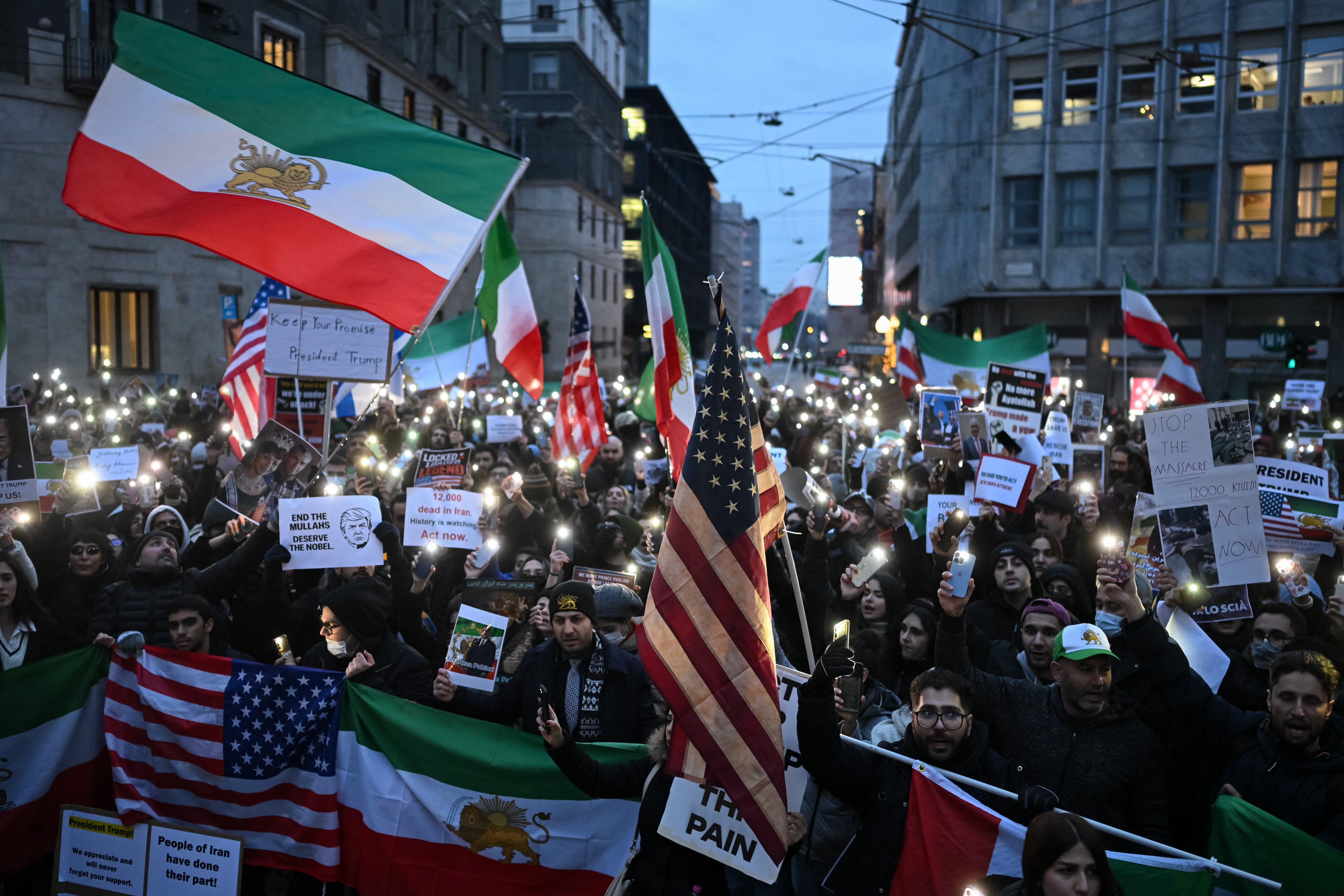
Ms Thompson said she is “gravely concerned” over a surge in executions connected to the latest protests, adding that many of the video confessions are serious security-related offenses that carry the death penalty.
Tehran is known to have executed 12 people for espionage since the 12-day war in June between Israel and Iran.
The most recent execution for espionage was last week, when Iran said it executed a man who was accused of spying for Israel’s Mossad spy agency in exchange for cryptocurrency. The state-run IRNA news agency said the man confessed to the spying charges.
A long history of coerced confessions
The use of televised, coerced confessions dates to the chaotic years after Iran’s 1979 Islamic Revolution. State TV aired confessions by suspected members of communist groups, insurgents and others.
Even Mehdi Bazargan, Iran’s first prime minister after the revolution, warned at one point he could be detained and put on television, “repeating things like a parrot”.
Among coerced confessions that gained international attention was in 2009 by then-Newsweek correspondent Maziari Bahari, who was also imprisoned for several months. He directed a documentary, Forced Confessions, and wrote a memoir about his ordeal.