


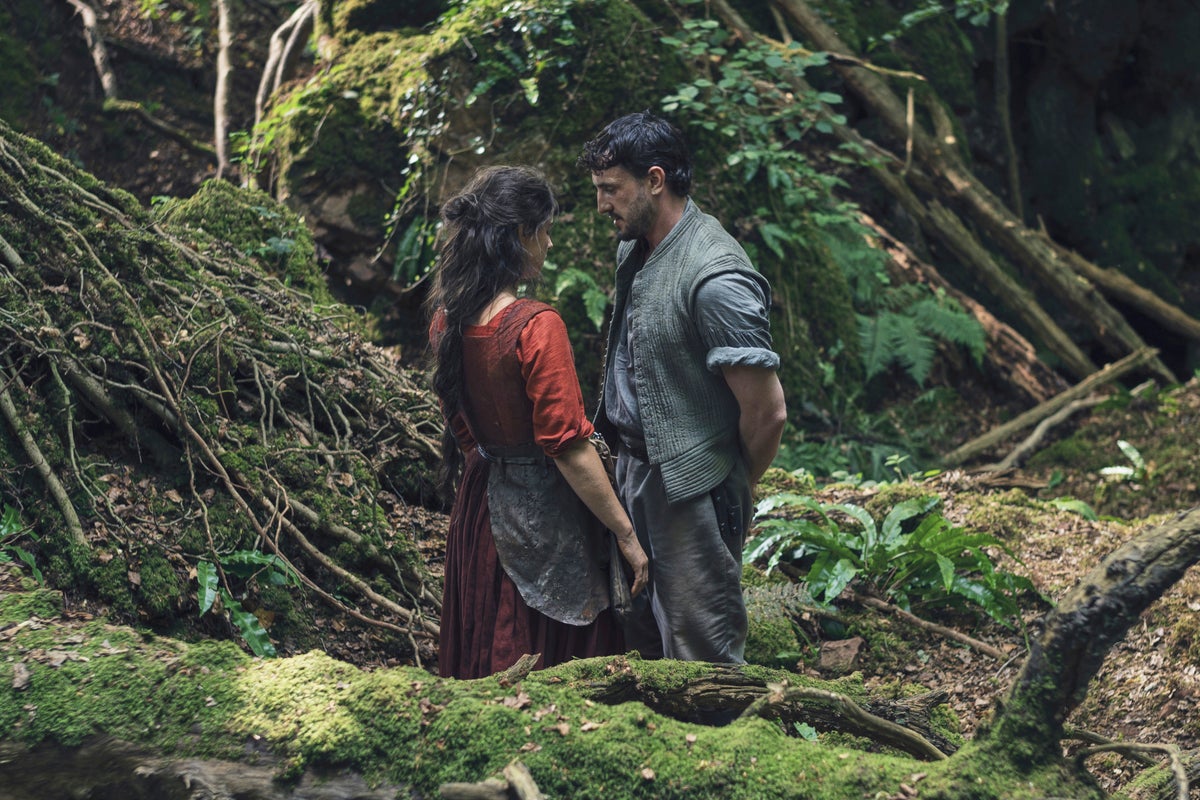
Already stirring up an Oscar buzz, Chloé Zhao’s latest project Hamnet has been widely praised by critics following its wide release in cinemas last week.
Starring Paul Mescal as William Shakespeare and Jessie Buckley as the playwright’s wife, Agnes, the film follows the couple as they navigate the tragic loss of their 11-year-old son, Hamnet.
Based on the 2020 novel by Maggie O’Farrell of the same name, the story is a fictional account of the grief felt by the Shakespeare family after The Bard’s real-life son died.
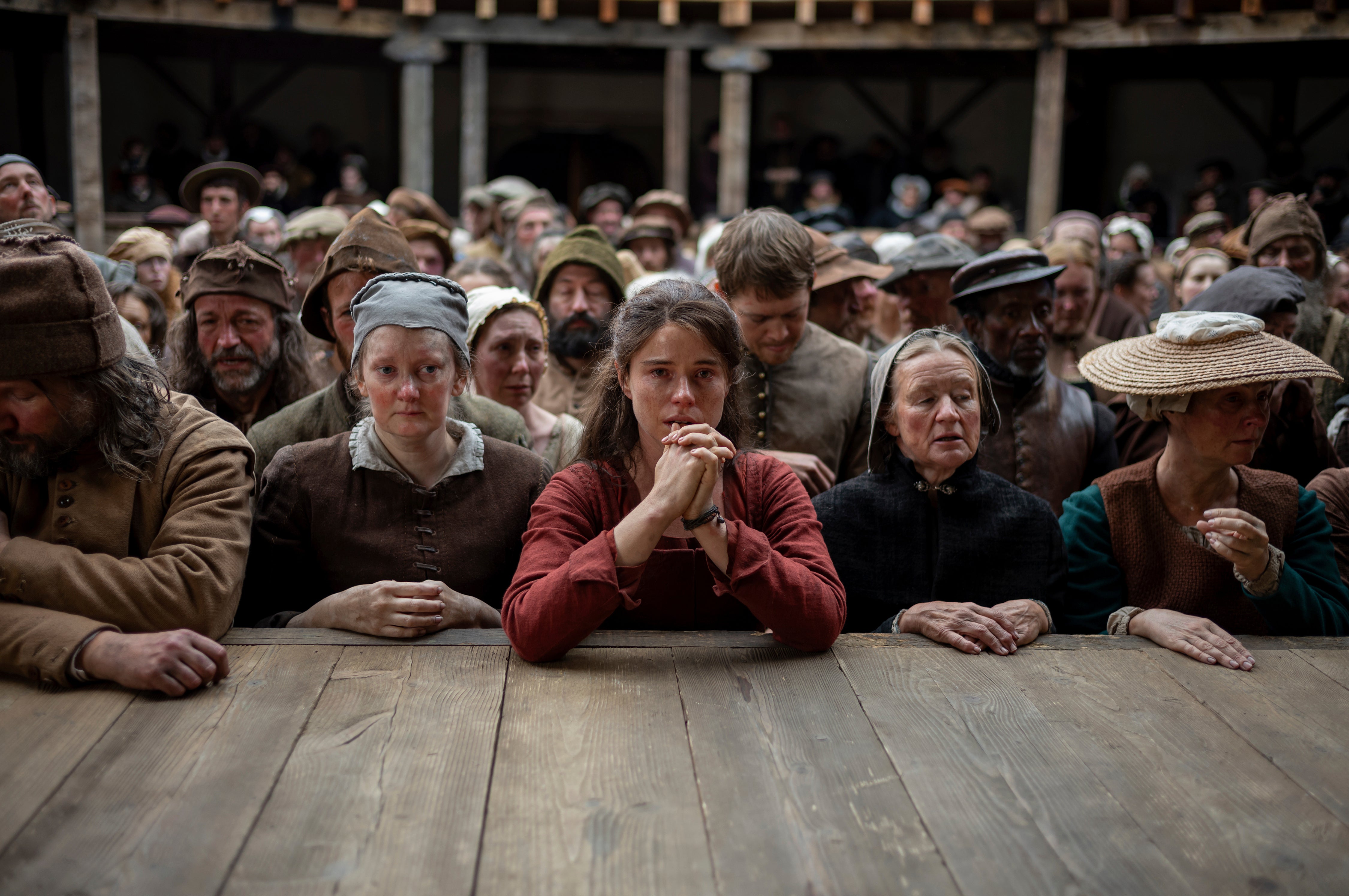
Channelling the pain and sadness, it is thought that the loss of this young boy’s life went on to inspire and influence Shakespeare to write his tragic masterpiece Hamlet.
To represent the late Elizabethan era on screen, the filmmakers did not shoot in Stratford-upon-Avon, where the sites of Shakespeare’s former homes can still be found, and instead settled on a small town in Herefordshire, some 60 miles away.
Read on to find out more about the Tudor villages and buildings which brought to life the story of Hamnet.
Weobley, Herefordshire

Hamnet was filmed on location in Weobley, a “black and white” village lined with half-timbered houses and surrounded by ancient woodland in Herefordshire.
Herefordshire’s tourism board has created a Hamnet-inspired walking trail, which starts in Weobley and winds through green fields, down country lakes and over babbling brooks. The trail will lead walkers through some of the best Tudor-era villages in the region, ending in Pembridge.
See more here
Cwmmau Farmhouse, Herefordshire

Depicting Hewlands Farm, Anne Hathaway’s (Anne is also referred to as Agnes in historical documents, and was the name O’Farrell chose for the story) real-life family farmhouse is Cwmmau Farmhouse in Herefordshire.
While the real farmhouse can still be visited in Stratford today, now known as Anne Hathaway’s Cottage, the filmmakers chose this National Trust farmhouse to stand in instead.
The Grade-II listed building was constructed sometime between 1600 to 1632 AD and was restored in the 20th century. Inside, visitors can find a well-preserved kitchen with bread ovens and stoves, while huge oak beams, stone, oak and elm floors and leaded windows make up other key features of this 400-year-old house.

The woodland surrounding the farm is a Site of Special Scientific Interest due to its “wet mixed deciduous woodland” that is synonymous with the Welsh borders.
Orchards, meadows and an oval castle mound known as Cwmmau Motte also surround the historic farmland. Cwmmau Motte is thought to be the remains of a Norman timber castle, which could have played a role in the Norman invasion of Wales during the 11th century.
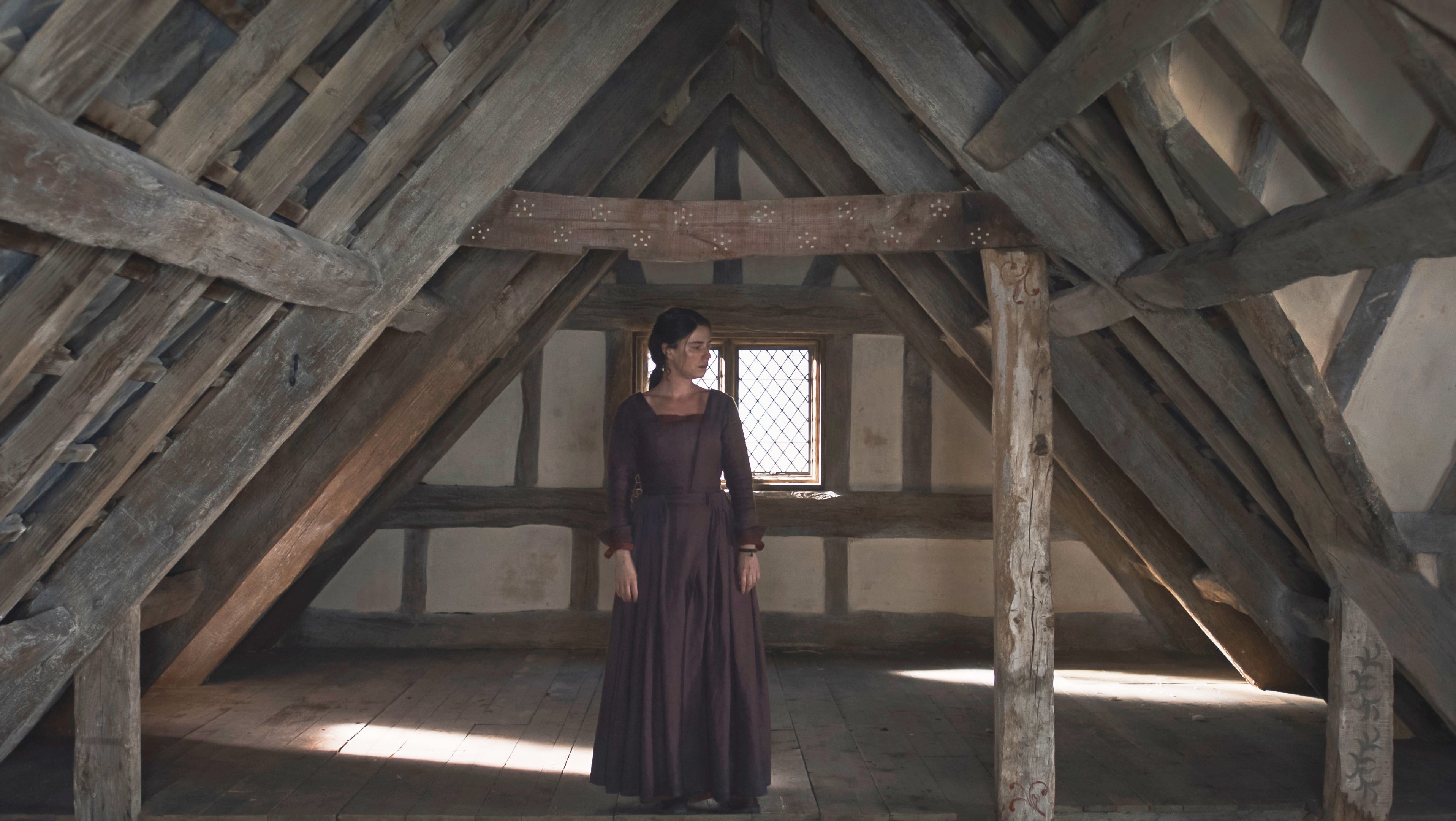
Location fees helped fund conservation work on the house, which is now open for holiday bookings on the National Trust website.
Book here
The Charterhouse, London

For the scenes set in London, filming took place at The Charterhouse, a former monastery built in 1371 that can be found next to the Barbican in central London.
The monastery has taken on various roles over the years, from a private Tudor mansion to a boys’ school, but is now an almshouse for residents over the age of 60.
Visitors can book tours of the historical complex, as well as visit the building by candlelight in autumn and winter.
Book here
Real life places to visit
The Globe Theatre, London

The Globe Theatre appears in Hamnet, although scenes were shot at the replica built in Elstree Studios.
Fans of Shakespeare can visit the real Globe Theatre on the banks of the Thames in London, where renditions of Shakespeare’s plays and other productions are put on every week.
The original theatre was built in 1599 by the Lord Chamberlain’s Men, the company that William Shakespeare wrote for and part-owned, but it burned down in 1613. A second theatre was built shortly after in its place, then was pulled down a few years later.
The existing theatre, named Shakespeare’s Globe, opened in 1997 around 750 feet from the original site of the theatre.
Book here
Stratford-upon-Avon, Warwickshire
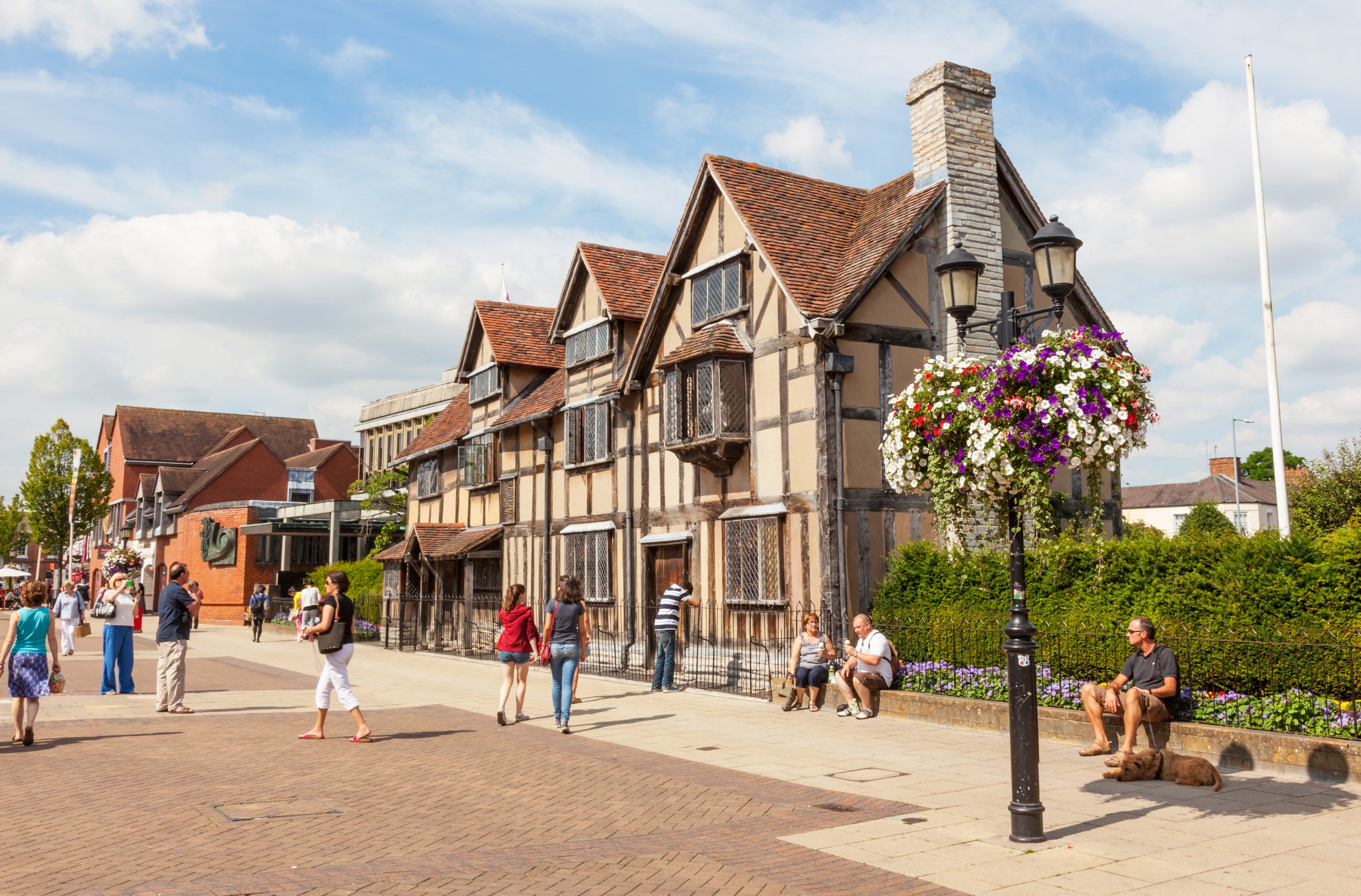
While Hamnet was not filmed in Stratford, those who want a deeper dive into Shakespeare’s story can visit the real-life Stratford-upon-Avon depicted by Weobley in the production.
Three properties around the town show a glimpse into the life and work of The Bard.
The restored house, where it is believed Shakespeare was born, is still standing today thanks to a public campaign in 1847 supported by Charles Dickens, and has remained in the care of the trust ever since.
Anne’s (Agnes) family home and the site where his family home once stood are also in the care of the trust.
To celebrate the release of Hamnet, the trust is planning events at the properties, including a Hamnet tour and talks with special guests.
In the meantime, visitors to the medieval market town can book tickets to the properties to discover more about Shakespeare’s family life.
Book here
Read more: The best museums you should visit in the UK, from contemporary art to local history exhibitions