


Coal-fired power generation fell in both China and India in 2025 for the first time in more than five decades, as non-fossil energy sources grew fast enough in both countries to meet rising electricity demand.
Electricity generated by coal plants fell by 1.6 per cent in China and by 3 per cent in India last year, marking “a historic moment” since the early 1970s that coal power has dropped in both countries in the same year.
The shift, driven by record installations and softer demand growth, could mark a turning point for the world’s two biggest coal users. However, it remains unclear whether the drop will last.
Coal use declined in both countries even as electricity demand continued to rise, according to analysts at the Centre for Research on Energy and Clean Air (CREA), which examined electricity generation and capacity data for 2025.
This has international significance as together the two countries account for more than half of global coal-fired electricity generation.
It means that changes in their power systems have an outsized impact on global emissions. The report, commissioned by the climate news website Carbon Brief, said the combined drop in coal generation, alongside record growth in clean energy, marked “a historic moment” and could be “a sign of things to come”.
“Both countries now have the preconditions in place for peaking coal-fired power, if China is able to sustain clean-energy growth and India meets its renewable energy targets,” it said.
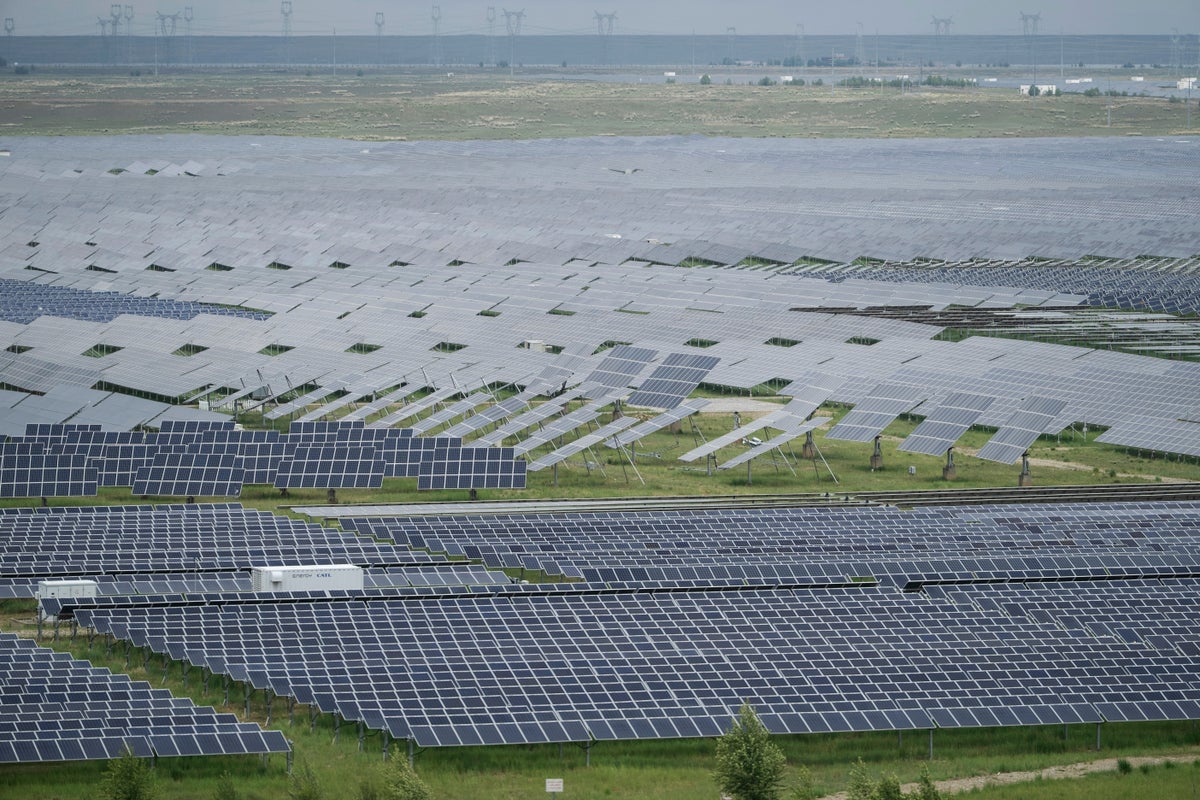
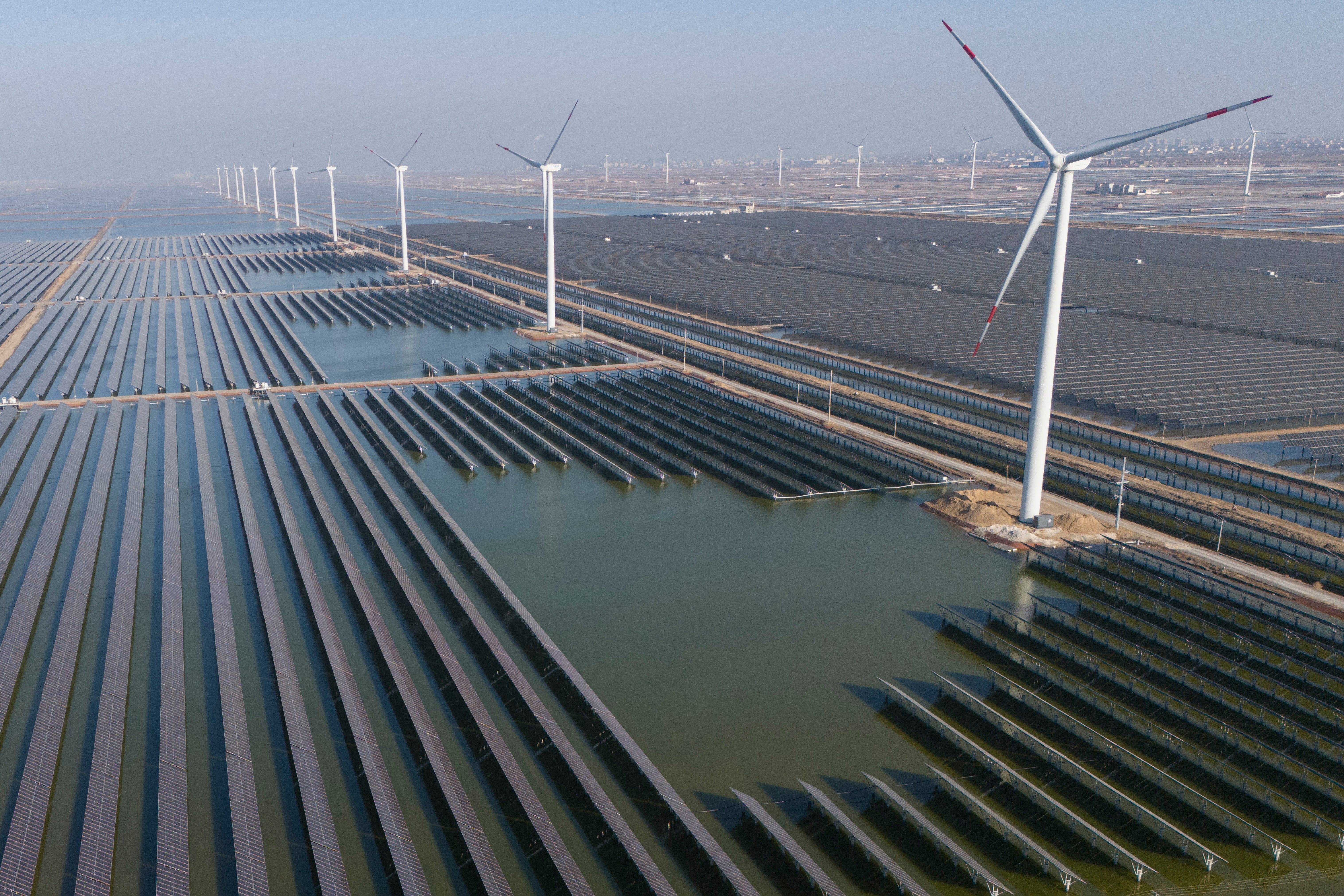
In China, coal-fired power generation edged down despite continued growth in electricity demand. China added 300GW of solar power and 100GW of wind power – more than five times the UK’s total existing power generation capacity – which was a record high for any country.
Power generation from solar and wind rose by 450TWh, while nuclear output increased by 35TWh, according to the analysis.
Hydropower, which had been weak in previous years due to drought, also recovered, further easing pressure on coal plants. Taken together, the growth in non-fossil power was enough to exceed the rise in demand, allowing coal generation to fall despite continued economic growth.
This marked a clear break from previous years, when rapid renewable expansion was offset by even faster growth in electricity demand, keeping coal generation on an upward path. In 2025, clean power growth was finally large enough to change that balance.
Meanwhile, India added 35GW of solar capacity, 6GW of wind, and 3.5GW of hydropower in the first 11 months of the year, with renewable capacity additions up 44 per cent year-on-year, according to the report.
That expansion reduced the need for coal plants to operate at high levels, leading to a fall in coal output despite continued economic growth. This marks the first time that clean-energy growth has played a significant role in driving down India’s coal-fired power generation.

The analysis makes clear, however, that clean-energy growth was not the only factor behind the coal decline.
In India, electricity demand was dampened in part by weather conditions that reduced cooling needs, while demand growth in China eased after the sharp rebound seen in earlier post-pandemic years.
The analysis said China’s recent growth in clean electricity generation, if sustained, is already enough to secure a peak in coal power. In India, it said existing clean-energy targets, if met, would allow coal power to peak before 2030, even if electricity demand growth accelerates again.
Extreme heat, however, remains a major uncertainty.
Coal plants are often relied on to meet peak electricity demand during heatwaves, particularly in the evening when solar generation drops. At the same time, high temperatures can also strain coal plants themselves, reducing efficiency and increasing pressure on water supplies.
Despite the fall in coal generation, both countries continued to add new coal-fired power capacity during the year.
In China, approvals and construction of new coal plants continued, driven by concerns about energy security and the need to meet peak demand. India also pressed ahead with new coal projects, particularly to support industrial growth and electricity use during extreme heat.
This has widened the gap between how much coal capacity exists and how much coal power is actually being generated. The report found that coal plants in both countries are increasingly running for fewer hours each year, raising concerns about long-term costs and wasted investment.
The report said if under-construction and permitted coal-power projects are completed, they would increase coal-power capacity by 28 per cent in China and 23 per cent in India.
However, coal, the analysis said, is increasingly being treated as a backup fuel rather than the backbone of the power system. But once new plants are built, there is often political and economic pressure to keep them running, especially during periods of high demand.
Because coal use has been falling in Europe and the US for more than a decade, growth in China and India has been the main force keeping global coal demand high. A slowdown in both at the same time alters that picture.
The report said that if clean energy continues to meet demand growth in China and India, global coal demand could plateau sooner than expected. That would affect global emissions, international coal markets and major exporters such as Australia and Indonesia.
The analysis concludes that coal has not yet entered a permanent decline in China and India, but that its role is changing. For the first time in decades, rising electricity demand in both countries was largely met without an increase in coal power.
Whether that marks the start of a sustained shift away from coal will depend on whether clean energy growth continues to outpace demand, and whether new coal projects slow in the years ahead.