December is one long excuse to drink bubbles. Between the office parties, the festive feasts and the “oh go on then” Tuesday nights, we get through a lot of the stuff. Thankfully, you don’t need to spend much to keep the flutes full – the UK’s supermarkets are awash with sommelier-approved bottles of prosecco that deliver real quality for a fraction of the price of their French cousins.
But before you grab the nearest bottle of Italian fizz, it pays to know what you’re looking for. Authentic prosecco hails exclusively from the Veneto and Friuli Venezia Giulia regions of north-eastern Italy and is protected by DOC status, a stamp of quality that guarantees it’s made with at least 85 per cent glera grapes.
Unlike champagne, which is fermented in the bottle, prosecco is made using the Charmat method (tank fermentation). This preserves the grape’s natural fruitiness, giving the fizz its signature notes of green apple, pear and honeysuckle. “It’s fresh, crisp, easy-drinking and often a little sweeter than champagne, which appeals to a lot of consumers,” Katie Brook, wine critic, says.
Most of us get our prosecco at the supermarket, but with so much choice it can be overwhelming when deciding which bottle to pick up. Which region should you look for? Is a £5.99 prosecco too good to be true? What classification is best?
“When I’m shopping for prosecco at the supermarket, I always look for brut styles and DOCG labels like asolo or conegliano-valdobbiadene” Gemma Boucher, wine consultant and writer, advices. “These tend to offer more freshness, finesse, and complexity compared to basic prosecco DOC.”
Read more: Industry experts share the best supermarket whiskies
On her recent trip to Italy, wine critic Katie Brook tasted tested a wide range of prosecco styles available, “ranging from brut nature (a very dry style with no added sugar) to extra dry (a sweeter style, which is what we usually see in the UK).” Elly Owen, sommelier and wine educator, explains: “Prosecco can come from a rather large area of land, so looking for regional specifics can help make sure you are getting a wine that is made to a higher quality standard.”
Some regions are more desirable than others, including Cartizze. “Its hillsides, which are within valdobbiadene, are home to some of the most illustrious vineyards in the world,” Owen says. Brook’s also recommends this very small area, which is often dubbed the ‘Grand Cru’ vineyard of valdobbiadene. “It’s where exceptional bottles come from – and, surprisingly, prosecco labelled conegliano-valdobbiadene isn’t actually that hard to find in the supermarkets,” she adds.
To help you stock up on the right bottles for Christmas and New Year’s celebrations, I asked wine experts and sommeliers their favourite proseccos from the supermarket, from Aldi to M&S. For more expert-approved tipples, I’ve also uncovered the best supermarket champagne, best supermarket wine and best supermarket whisky.
Read more: The best supermarket champagne and sparkling alternatives
Meet the experts

Emilee Tombs is assistant travel editor at The Independent and holds a WSET Level 3 Award in Wines from the Wine and Spirits Education Trust. She has written for a number of wine publications, from Noble Rot to Ocado Life magazine.
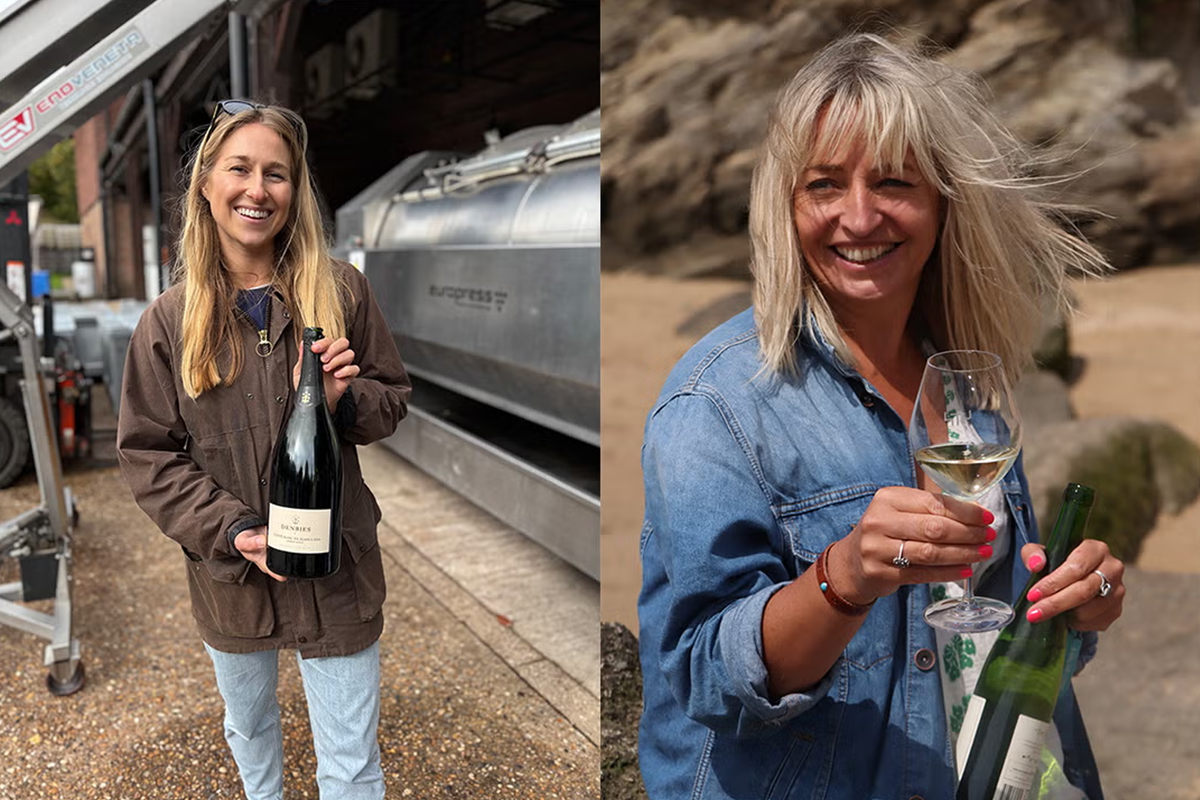
Gemma Boucher is a qualified wine consultant and writer, who works with English vineyards and merchants to champions lesser-known wine regions, under-the-radar producers and sustainable practices.
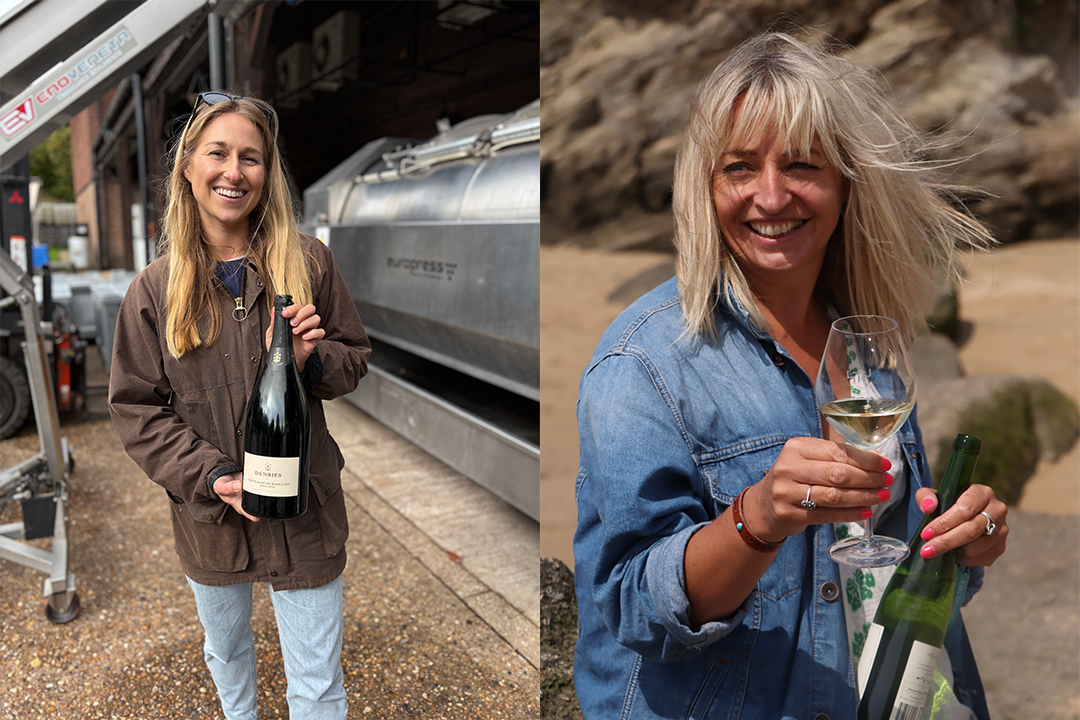
Katie Brook is a journalist with a specialism in wine and a decade of experience as a wine reviewer. She is the founder of Run To Wine, a London- and Surrey-based running club that ends its sessions with a wine tasting.
Elly Owen is a freelance sommelier, Dip WSET and wine educator who works to make wine accessible for everyone. Having worked with the likes of Jamie Oliver and Paul Ainsworth to dispel some of the myths surrounding wine, she regularly hosts masterclasses.