




Israel’s cabinet has approved 19 new settlements in the occupied West Bank, the far-right finance minister has said, drawing condemnation from governments and rights groups.
Benjamin Netanyahu’s far-right coalition has been pushing ahead with a construction surge in the occupied territory, with the latest approvals set to drive the number of settlements up to 210.
UK foreign office minister Hamish Falconer said the announcement risks “undermining the [US] 20 Point Plan [for ending the Gaza war] and prospects for the long-term peace and security that only a two-state solution can deliver”. Earlier this month, the UN secretary-general condemned Israel’s “relentless” pursuit of settlement expansion.
Lawyer and former Human Rights Watch executive director Kenneth Roth said that while the settlements have been approved in Israeli law, they remain war crimes under the Geneva Convention.
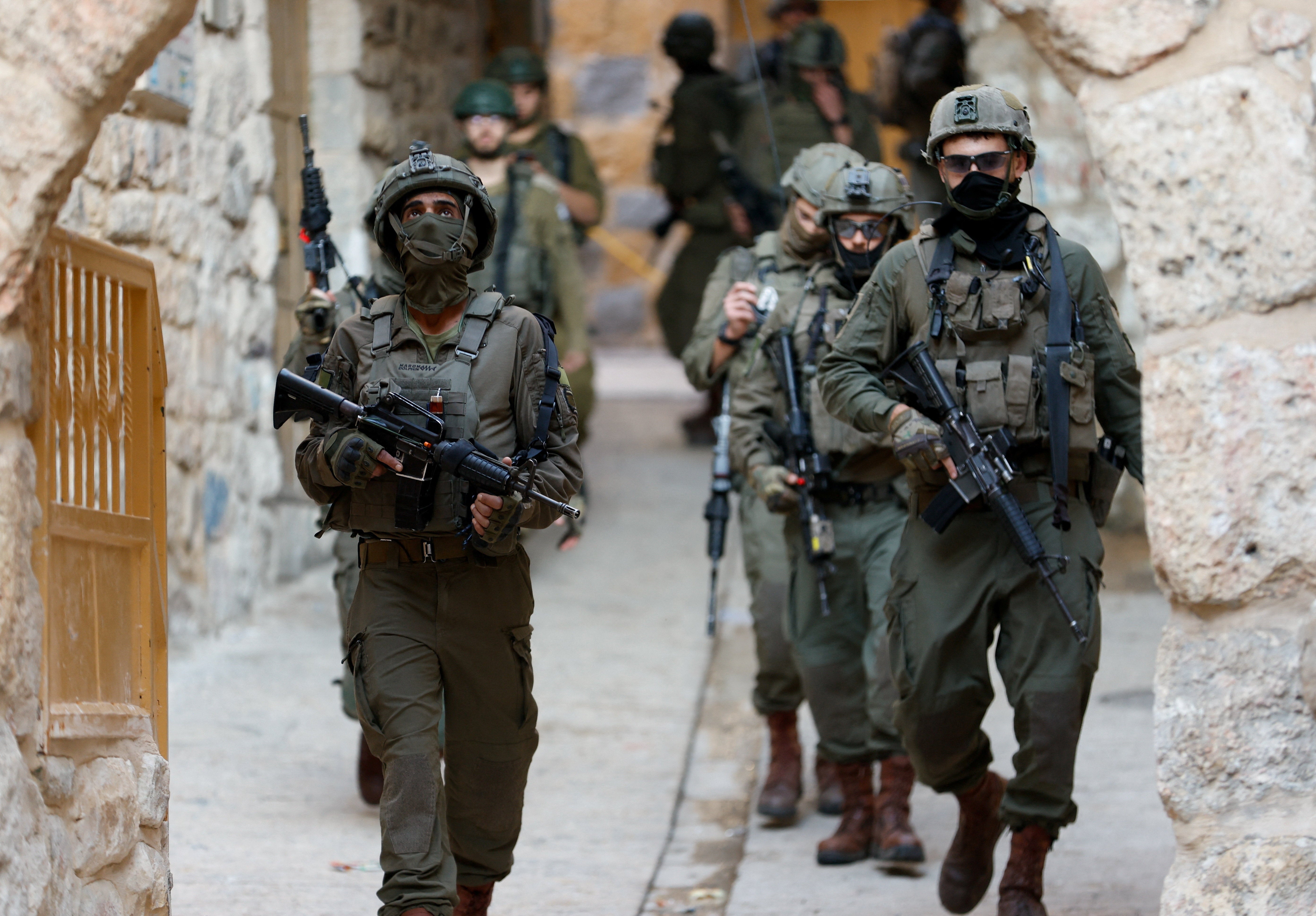
Two of the approved settlements were previously evacuated during a 2005 disengagement plan, according to Finance Minister Betzalel Smotrich, who has pushed an aggressive settlement expansion agenda in the West Bank.
The approval increases the number of settlements in the West Bank by nearly 50% during the current government’s tenure, from 141 in 2022 to 210, according to Peace Now, an anti-settlement watchdog group. The settlements are widely considered illegal under international law.
The approval comes as the US is pushing Israel and Hamas to move ahead with the new phase of the Gaza ceasefire, which took effect 10 October. The US-brokered plan calls for a possible “pathway” to a Palestinian state, something the settlements could prevent.
The Cabinet decision included a retroactive legalisation of some previously established settlement outposts or neighbourhoods of existing settlements, and the creation of settlements on land where Palestinians were evacuated, Peace Now said.
It said two of the settlements legalized in the latest approval are Kadim and Ganim, two of the four dismantled in 2005 as part of a withdrawal from the Gaza Strip. There have been multiple attempts to resettle these, after Israel’s far-right government repealed a 2005 act that evacuated the four outposts and barred Israelis from re-entering the areas in March 2023.
Israel captured the West Bank, east Jerusalem and Gaza — areas claimed by the Palestinians for a future state — in the 1967 war. It has settled over 500,000 Israelis in the West Bank, in addition to over 200,000 more in contested east Jerusalem.
Israel’s government is dominated by far-right proponents of the settler movement, including Smotrich and Cabinet Minister Itamar Ben-Gvir, who oversees the nation’s police force.
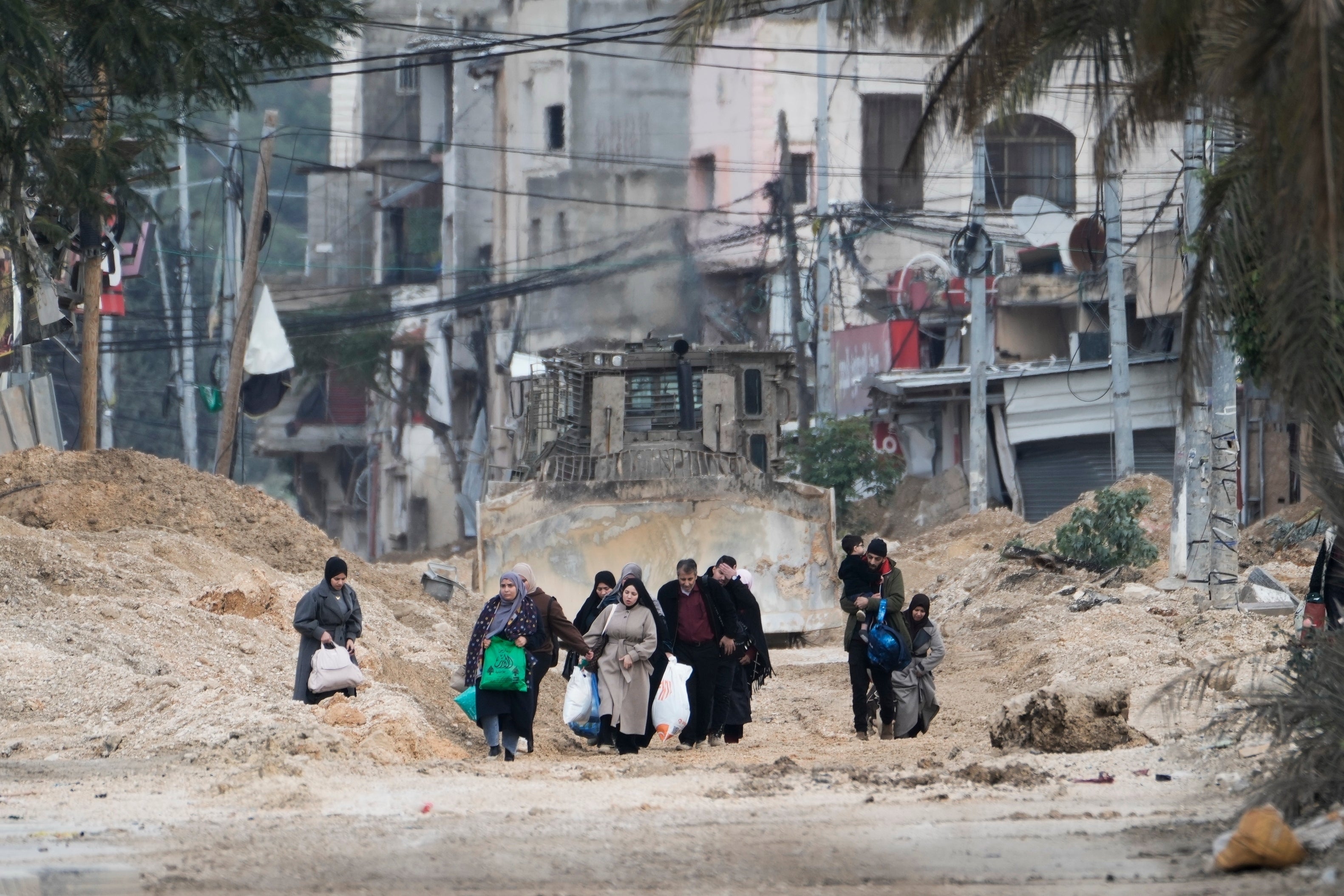
Settler expansion has been compounded by a surge of attacks against Palestinians in the West Bank in recent months.
During October’s olive harvest, settlers across the territory launched an average of eight attacks daily, the most since the United Nations humanitarian office began collecting data in 2006. The attacks continued in November, with the U.N. recording at least 136 more by 24 November. Settlers burned cars, desecrated mosques, ransacked industrial plants and destroyed cropland.
The latest announcement also comes after the Palestinian Health Ministry in Ramallah said two Palestinians, including a 16-year-old, were killed in clashes with the Israeli military on Saturday night in the northern part of the occupied West Bank.
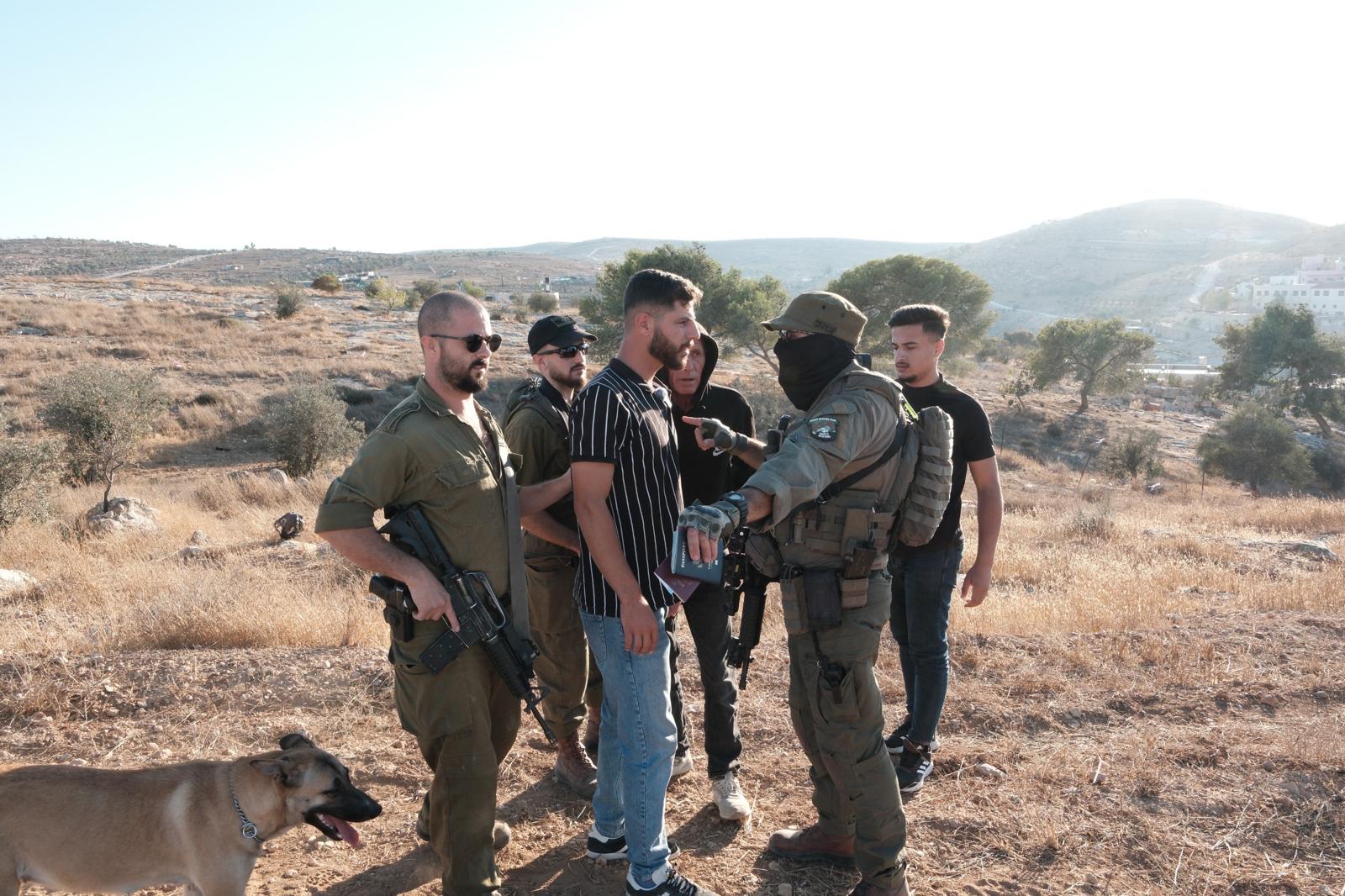
The Israeli military said one militant was shot and killed after he threw a block at Israeli troops in Qabatiya on Saturday night, while another was killed after he hurled explosives at Israeli troops operating in the town of Silat al-Harithiya.
The Palestinian killed in Qabatiya was identified by authorities as 16-year-old Rayan Abu Muallah. Palestinian media aired brief security footage of the incident, where the youth appears to emerge from an alley and is shot by troops as he approaches them without throwing anything. The Israeli military said the incident is under review.
The Health Ministry identified the second man as Ahmad Ziyoud, 22. He was buried on Sunday in Silat al-Harithiya, near Jenin.
Israel’s military has scaled up military operations in the West Bank since the Hamas-led attack on 7 October 2023 which triggered the war in Gaza.

