



Activists are celebrating “landmark” animal welfare reforms that could spare millions of animals from being gassed to death or suffering in cramped cages for their meat, eggs or fur.
In its animal-welfare strategy, branded “the most ambitious welfare reforms in a generation”, the government is setting out an overhaul of laws on farm animals, pets and wildlife.
Campaigners say more than 9 million pigs every year could be spared agonising deaths in carbon dioxide chambers, under plans to rethink the practice.
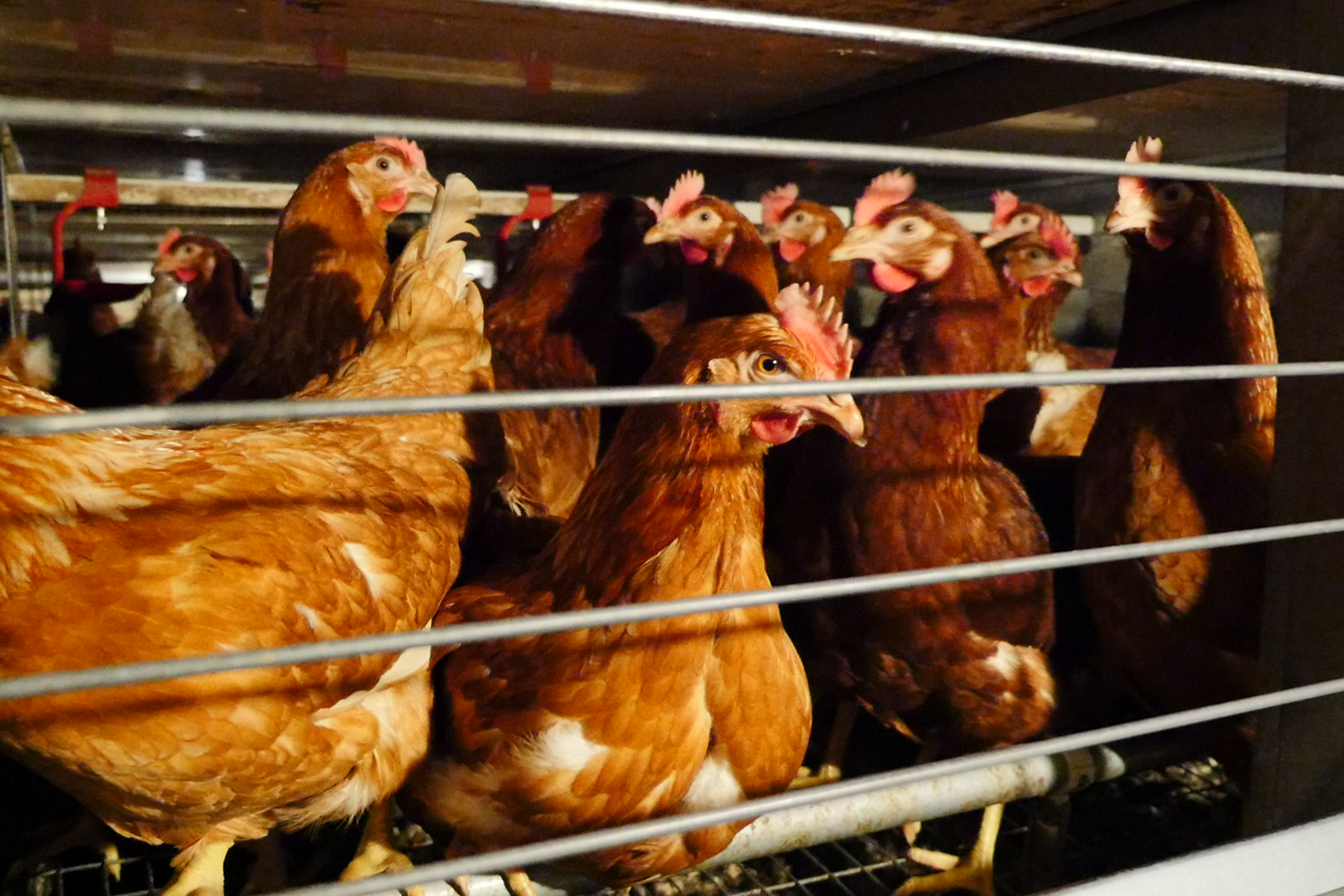
Farmers will be forced to phase out pig farrowing crates and colony cages for laying hens – which both provide cramped conditions that stop animals moving about naturally.
The strategy also proposes “humane slaughter requirements for farmed fish to spare them avoidable pain”.
And proposals to promote the use of slow-growing meat chicken breeds are designed to benefit the 1.1 billion so-called “frankenchicken” broilers genetically engineered each year to balloon so rapidly that their limbs and organs fail.
Sean Gifford, managing director at the Humane League UK, said: “Cruelly confining animals to cages is a stain on British farming, and we are thrilled to see this government following countries like Germany and Austria who have banned them.
“The vast majority of the public thinks raising animals in tiny cages is unnecessary and morally wrong. Seven million hens are languishing in confinement and need the government to move quickly and make cages history.”
He said if animals are painfully and incompetently killed, such as having fish their gills cut without being stunned, there were no real legal repercussions for staff or the farm. “A change in law should help address this”, he said.
He said if animals are painfully and incompetently killed there were no real legal repercussions for staff or the farm. “A change in law should help address this,” he said.
He said the Humane League wanted assurances a consultation would lead to a ban on cages, as the previous government announced a consultation but it never happened.
Anthony Field, head of compassion at World Farming UK, welcomed the “landmark” step forward in protecting farmed animals, saying 150,000 pigs a year would benefit from farrowing crates being ended.
However, farmers have said they were worried increases in welfare standards could push up their costs, causing shoppers to buy cheaper foreign imports produced to lower welfare standards.
NFU president Tom Bradshaw said: “We know there is demand for our great British food overseas. In all trade deals we must ensure that we don’t continue to undermine domestic production with imported food that would be illegal to produce here.”
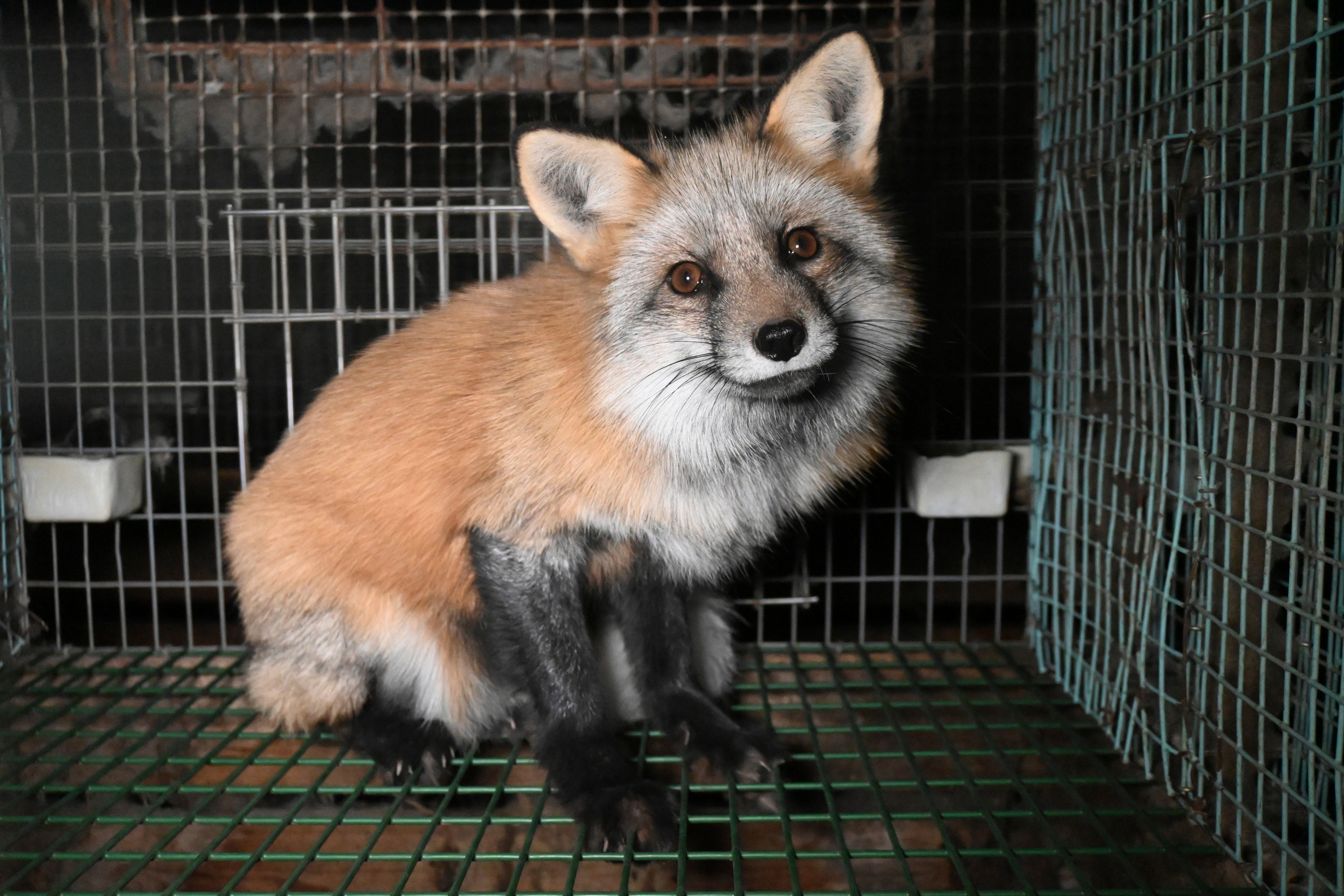
Ministers are promising new steps towards a ban on imports of real fur from cruel fur farms abroad, where foxes, racoons, mink and other fur-bearing animals are kept in small cages.
The strategy, published on Monday morning, says ministers will publish the results of the previous government’s call for evidence on the fur trade. Campaigners against fur had been enraged by the Tories’ failure to publish those findings, and the Conservative government U-turned on plans to ban fur imports.
The document says it will publish and consider carefully the report from the animal-welfare committee and bring together a working group on fur, and talk to the EU, a major source of imported fur, about scientific findings on fur animal welfare.
Campaign organisation Animal Aid said a proposed ban on snare traps would spare countless animals from agony lasting hours or days.
The strategy introduces a “close season” for hares to reduce numbers shot in the breeding season. Currently, many young hares are left vulnerable to starvation and predation when their mothers are killed.
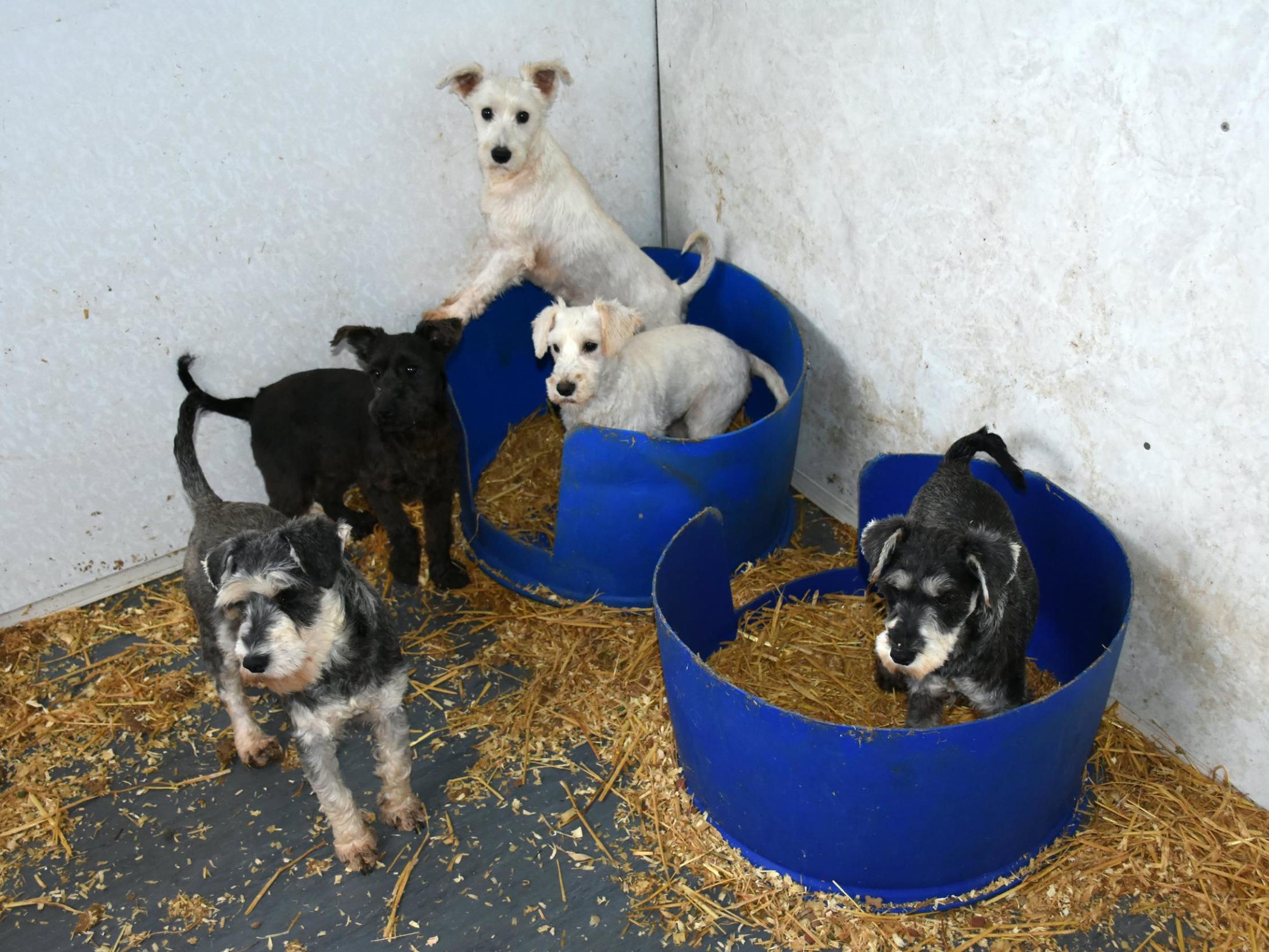
Ministers are also promising an end to puppy farming, when young dogs are bred in squalid conditions and sold at high turnover rates, sometimes from breeders renting homes to appear reputable.
New licences will be considered for pet rescue and rehoming organisations to ensure sanctuaries have checks in place.
Michael Webb, of Battersea Dogs and Cats Home, said the reforms would address some key issues that the charity had campaigned on for many years.
He said: “There is clearly still a lot of detail to work out, and the strategy does not claim to tackle every problem animals face. However, Battersea is hopeful that it will be the catalyst for real, lasting change.”
.jpeg?trim=0,0,0,0&width=1200&height=800&crop=1200:800 "The best UK real-life ‘Polar Express’ trains – UK Times")