




Veteran actor and comedian Stanley Baxter has died at the age of 99, his friend and biographer Brian Beacom has confirmed.
The Glasgow-born television star passed away on Thursday at a north London care home dedicated to entertainment figures, just months shy of his 100th birthday. He had resided at Denville Hall since late 2023.
Baxter was celebrated for his multi-faceted comedic talent, a master impressionist bold enough to mimic figures ranging from the Pope to the Queen.
He famously lampooned his native city with hilarious routines based on Glaswegian patois, captivating audiences with his unique brand of humour. His television shows, which frequently featured him in elaborate drag, garnered immense viewership, establishing him as one of the most acclaimed and at times controversial comics of his era.

His career began as a child actor in the Scottish edition of the BBC’s Children’s Hour. During his National Service, he honed his skills within the Combined Services Entertainment Unit. Following this, he returned to Glasgow before moving to London, where his highly successful television career took off.
He made his debut in the BBC’s Shop Window in 1952, followed by numerous guest appearances in variety shows.
Baxter’s major television breakthrough arrived with the satirical BBC programme On The Bright Side in 1959. His reputation was further cemented, and he was catapulted to television stardom, with The Stanley Baxter Show, which ran from 1963 to 1971. He also starred in several lavish TV spectaculars, including Stanley Baxter’s Christmas Box.
However, the considerable production costs associated with these shows, involving elaborate sets, effects, and extras, ultimately led to the early termination of his contracts by both the BBC and London Weekend Television.

Undeterred by these setbacks, Baxter continued to innovate. Among his most successful routines was Parliamo Glasgow, conceived as the observations of a fictitious scholar visiting the city. The sketch brilliantly exaggerated Glaswegian patois for comic effect, translating phrases such as “sanoffy cold day” for “It’s an awfully cold day.”
His versatility extended beyond comedy, drag artistry, and impressions; in 1969, he appeared in Joe Orton’s controversial farce, What the Butler Saw, in the West End alongside Sir Ralph Richardson. He also guest-starred in an episode of The Goodies and later took the lead role in Mr Majeika, a children’s show about a magic teacher expelled from the wizarding land of Walpurgis.
After his retirement from the Scottish pantomime circuit in 1991, Baxter largely withdrew from the public eye, though he did emerge occasionally. In 2004, he featured in a series of three half-hour radio sitcoms for BBC Radio 4, titled Stanley Baxter and Friends. He also lent his voice to the animated children’s film Arabian Knight and the TV series Meeow. Later, Channel 4 screened two specials that combined archival highlights with new material. From 2006, he recorded a number of plays, The Stanley Baxter Playhouse, for Radio 4.
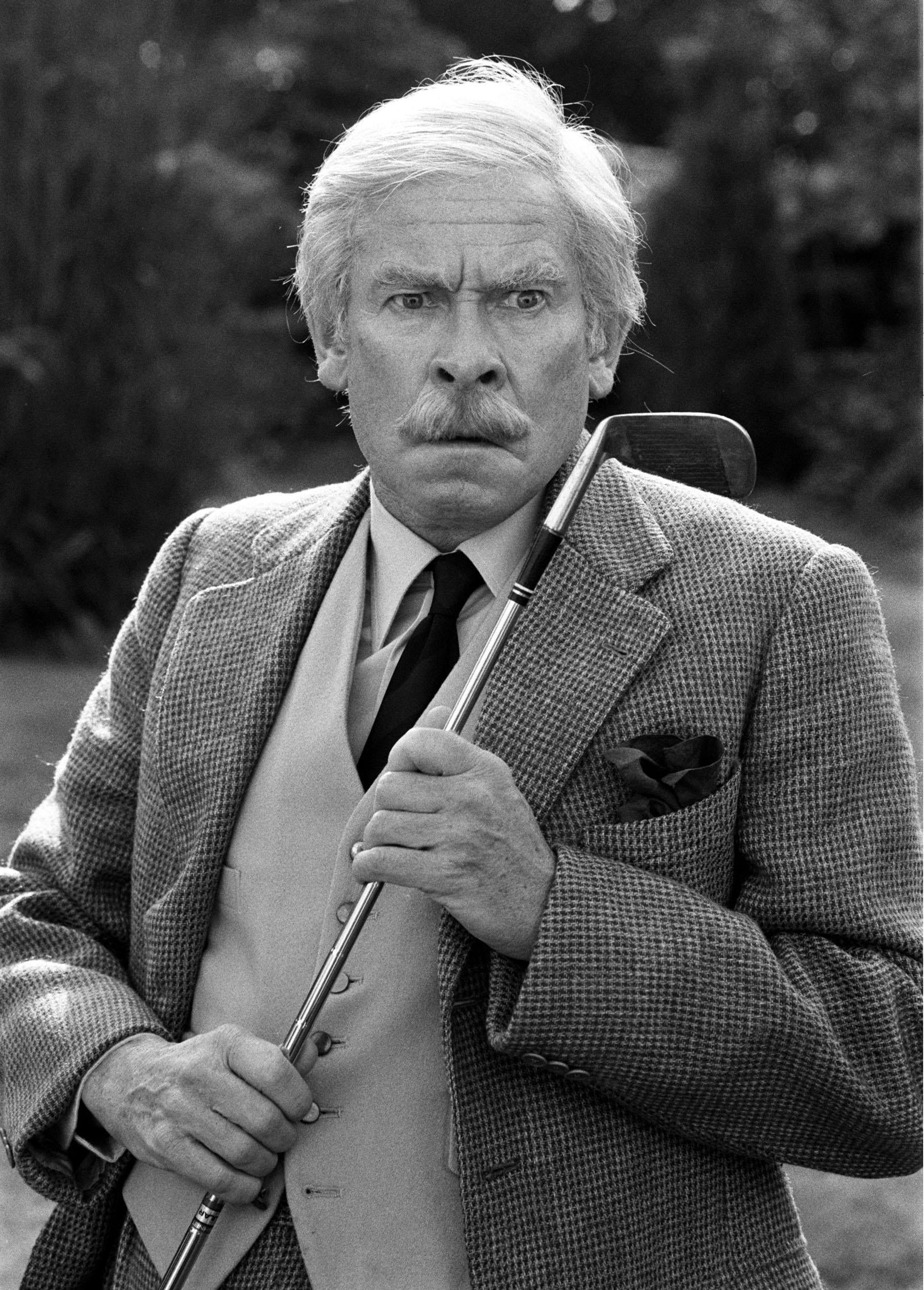
Baxter also appeared in several films, including Very Important Person (1961), where he portrayed a fiercely nationalistic Scot. Other cinematic credits include Geordie (1955), The Fast Lady (1962), and And Father Came Too! (1963). Throughout his distinguished career, he received numerous accolades, including a lifetime achievement award at the British Comedy Awards and was the subject of two television tribute programmes.
Bafta Scotland honoured Baxter with their Outstanding Contribution to Film and Television Award in a digital ceremony in December 2020.
In a July 2014 interview with the Radio Times, Baxter, who described himself as a “devout atheist,” revealed he had written an autobiography to be published posthumously. He was married for 46 years to Moira, who passed away in 1997.
In 2020, his co-written biography, The Real Stanley Baxter, disclosed that he was gay and had informed his wife before their marriage. In the book, he recounted that this revelation prompted her to threaten to jump from a window, but during their marriage, he was permitted to bring men home.
He wrote: “Anybody would be insane to choose to live such a very difficult life. There are many gay people these days who are fairly comfortable with their sexuality, fairly happy with who they are. I’m not. I never wanted to be gay. I still don’t.”
