



Flu season has got off to an early start this year in the UK – with cases spiking weeks earlier than in previous years. This has led to concerns that the UK may be on track for one of its worst flu seasons ever.
In the UK and other northern hemisphere countries, flu season tends to run from mid-November to mid-February. In the southern hemisphere, it runs from May to July.
It’s hard to know the exact number of flu cases the UK is currently seeing, as most people don’t report when they have the flu. Most just stay in bed and recover. To get a picture of this year’s flu season, we rely on hospital data and GP reports. This usually only represents the most severe flu cases.
We know flu season is “starting” when about 10% of suspected cases come back positive for the influenza virus.
The UK’s flu season is already well underway – and weeks before it usually starts. This is because at the start of November, we were already seeing 11% of daily tests come back positive for the flu. At the same time last year, just 3% of tests were positive. The UK crossed the 10% threshold a whole month earlier than it did last year.

School-aged children are currently most affected, with 38% of tests coming back positive for the flu – up from 30% just one week prior. Around this time last year, the number of children testing positive for flu was just under 7%.
Similar increases have been seen elsewhere, such as in Japan and across Europe.
What’s causing this early flu season?
The UK’s flu vaccine uptake seems to be almost identical to previous years, so the increase in cases cannot be explained by a fall in vaccination rates.
One likely factor contributing to the UK’s early spike in flu cases is the strain of influenza virus that’s circulating.
Flu is caused by influenza viruses – mainly the influenza A virus. There are lots of variants of this virus, so they’re usually designated by a combination of H and N numbers. For example, H5N1 is the main cause of the ongoing avian flu pandemic in birds and other animals. Seasonal flu in humans is usually caused by H3N2 and H1N1.
The seasonal flu vaccine is designed to combat these two strains, as well as the influenza B virus alongside them. This vaccine tends to be between 20-70% effective at preventing the flu, depending on the year. The vaccine tends to be most effective for school-aged children, especially in preventing severe forms of the disease.
A new vaccine is developed every year as the circulating strains of influenza can mutate over time, reducing vaccine efficacy.
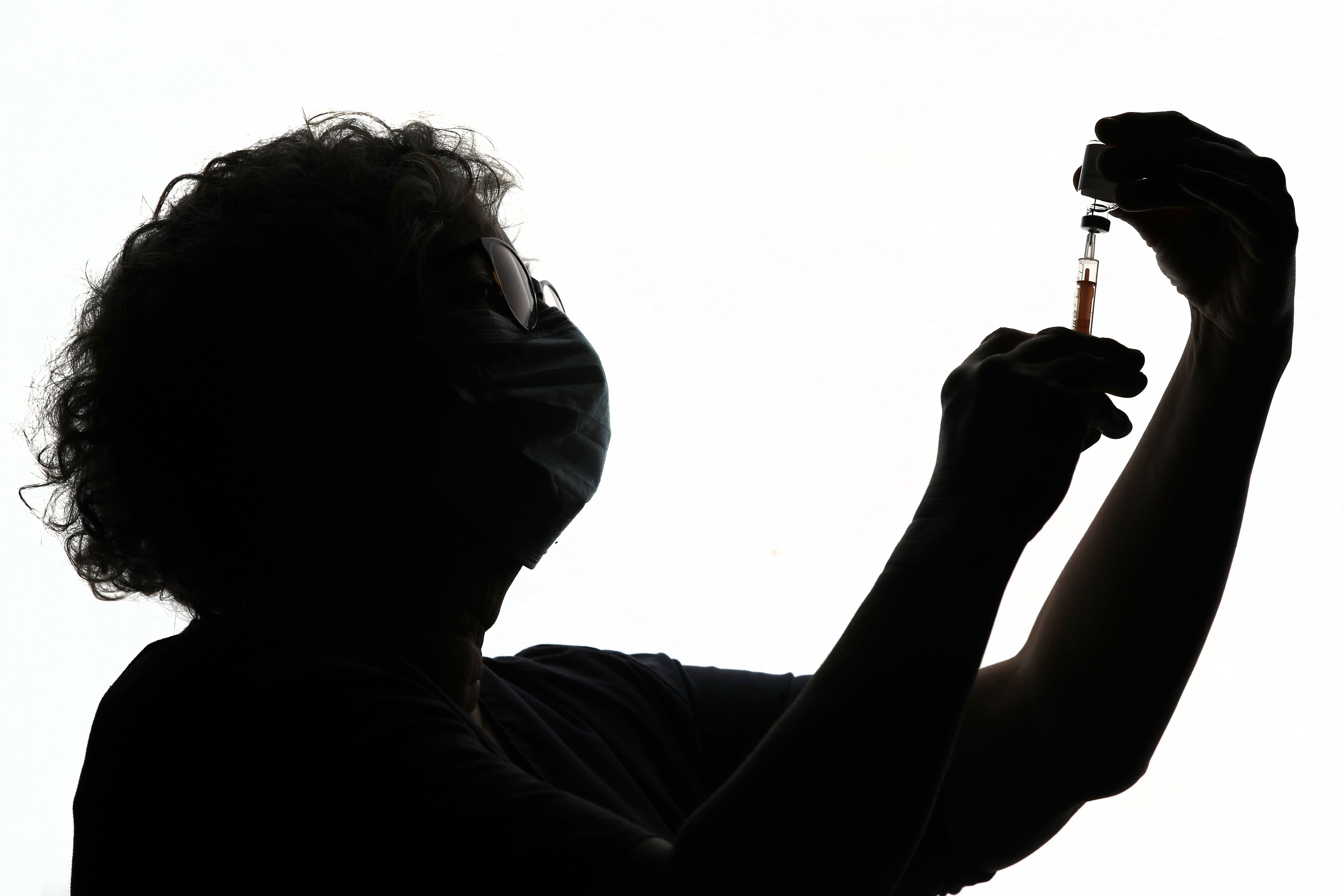
Twice a year (once for each hemisphere), the World Health Organisation convenes an expert panel to decide, based on the strains that circulated last year, what strains of influenza should be used to build the vaccine for the coming flu season. The vaccine almost always includes an H1N1, H3N2 and influenza B strain.
Generally, building these vaccines based on what circulated previously is quite effective. This is because any genetic changes that occur in these strains between flu seasons aren’t large enough to render the vaccine ineffective.
But this year, there seems to have been an exception. A new strain of influenza, influenza A H3N2 subclade K, is now infecting the majority of people. This strain has seven mutations that differentiate it from the previous H3N2 strain. This year, there are many more genetic mutations than what’s usually seen between seasons.
It’s too early to know why this strain has developed so many genetic mutations. But we do know that these changes appear to have made this strain slightly more transmissible compared to previous strains.
The strain’s R number (the average number of people an infected person will go on to infect) increased from the usual 1.2 for influenza to 1.4. This means about 20% more people will be infected than we would normally expect.
Early research into this strain shows that the vaccine is still very effective in children at preventing severe forms of the disease. But in adults, effectiveness has dropped to between 30% and 40%.
However, we can’t say just yet whether reduced vaccine efficacy in adults and the new mutations to the H3N2 strain are the causes behind the current spike in flu cases.
It’s also too soon to know whether this year’s flu season will be more severe than in previous years. But based on its early start, the strain’s high R number and low vaccine effectiveness in adults, we might expect higher numbers than usual.
And, if we look at data from the southern hemisphere’s flu season – which usually gives us a good idea of what we should expect – Australia saw its worst flu season ever. They reported 10% more cases than in the previous year.
How to protect yourself
It’s important to note that, especially in children, the vaccine is still the best form of protection. Flu can be very severe in both the young and old, resulting in hospitalisation and sometimes death. Vaccination (including by those who regularly come in close contact with older and younger people) is key.
It’s also important to know how flu symptoms differ from those of the common cold so that you can recover and protect others from catching it. The presence of fever, headache and a strong cough typically indicates the flu.
If you have these symptoms, you should rest and follow standard flu guidance. Also, remember you’re infectious for a week or so after symptoms start, so isolating at this time will stop the virus from spreading. Alongside getting the jab, wearing a mask and following good hand hygiene can help you avoid getting sick and prevent you from spreading the flu if you are sick.

